
The Rise of Peptide Therapies for Weight Management
The quest for effective weight management solutions has led to significant advancements in medical science. In recent years, a class of drugs known as GLP-1 receptor agonists, and more recently dual-acting agents, have emerged as powerful allies in the fight against obesity. Medications like those containing semaglutide (Wegovy, Ozempic) and tirzepatide (Zepbound, Mounjaro) are not just for diabetes management anymore; they represent a paradigm shift in how we approach sustainable weight loss.
These medications work by mimicking natural hormones that regulate appetite and blood sugar. While both semaglutide and tirzepatide have shown remarkable success, a crucial question arises for individuals and healthcare providers alike: which of these potent therapies offers superior results? This exploration will compare tirzepatide and semaglutide, examining the scientific underpinnings of their mechanisms and the clinical evidence supporting their efficacy in weight loss.
Understanding the Mechanisms: How They Work
At their core, both semaglutide and tirzepatide are peptide-based medications that target specific receptors in the body to influence metabolism, appetite, and blood sugar levels. However, their molecular structure and the receptors they activate lead to key differences in their action.
Semaglutide: The GLP-1 Agonist
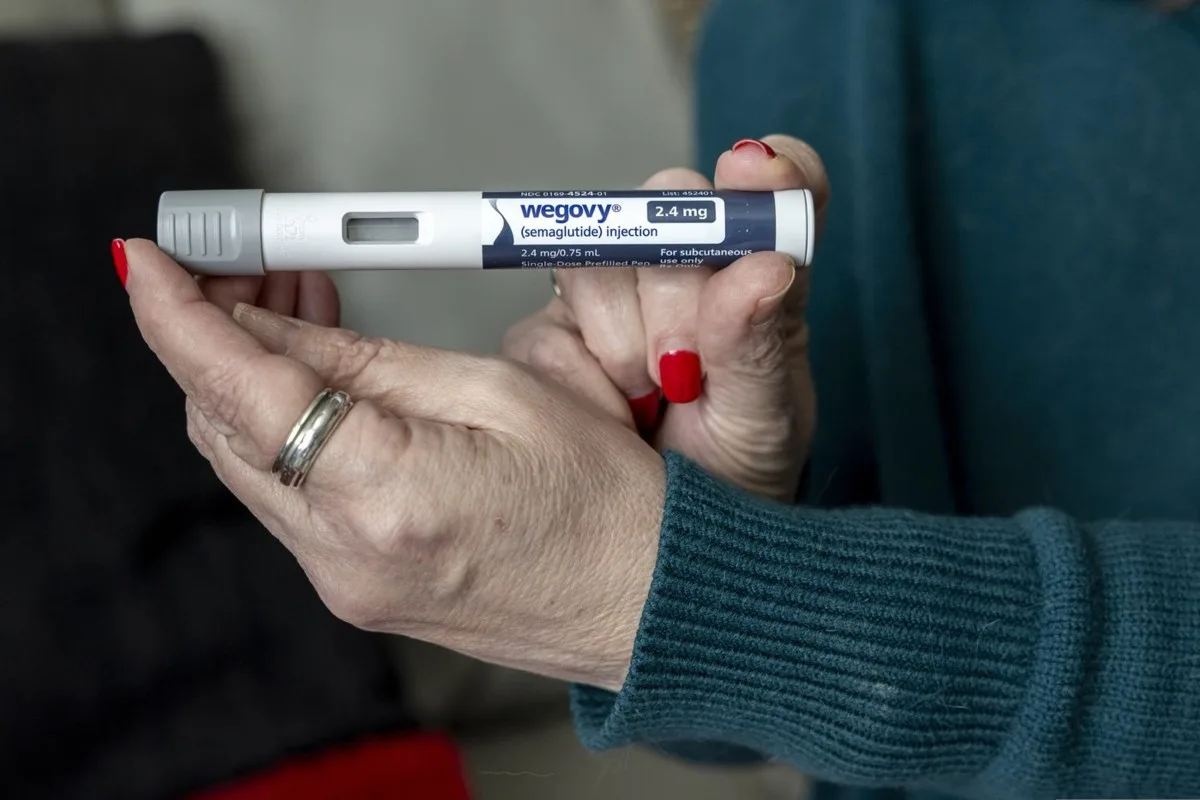
Semaglutide, the active ingredient in medications like Wegovy (for weight management) and Ozempic (primarily for type 2 diabetes), is a potent agonist of the glucagon-like peptide-1 (GLP-1) receptor. GLP-1 is a naturally occurring hormone produced in the gut that plays a crucial role in:
- Stimulating Insulin Release: After eating, GLP-1 signals the pancreas to release insulin, which helps lower blood glucose levels.
- Suppressing Glucagon Secretion: It also reduces the release of glucagon, a hormone that raises blood sugar.
- Slowing Gastric Emptying: This action leads to a feeling of fullness and satiety, reducing overall food intake.
- Reducing Appetite: GLP-1 acts on the brain to decrease hunger signals.
By mimicking and enhancing the effects of natural GLP-1, semaglutide helps individuals feel fuller for longer, eat less, and manage their blood sugar more effectively, contributing to significant weight loss.
Tirzepatide: The Dual-Acting Agonist
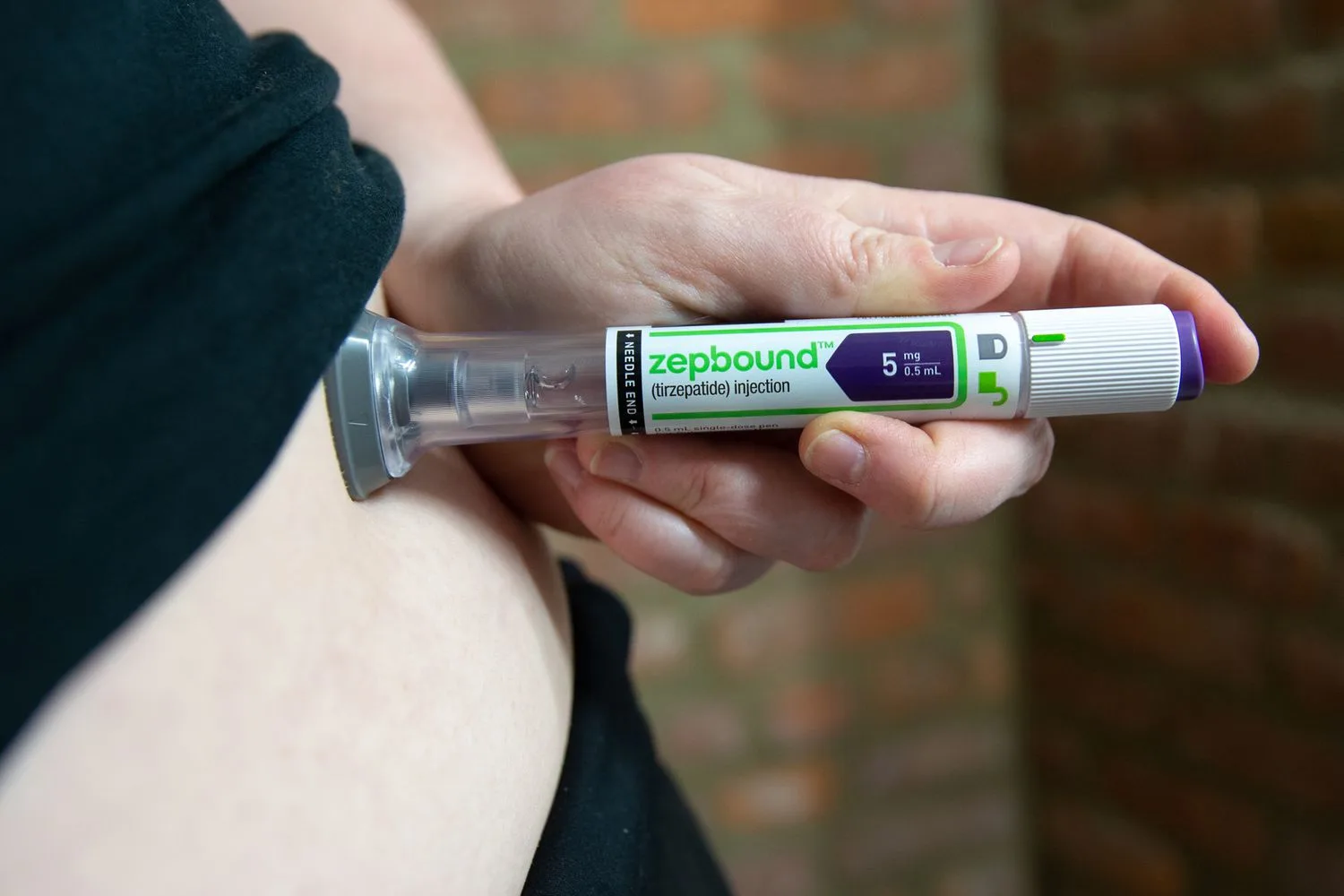
Tirzepatide, found in Zepbound (for weight management) and Mounjaro (for type 2 diabetes), takes a dual-action approach. It is a GIP and GLP-1 receptor agonist. This means it activates not only the GLP-1 receptor, similar to semaglutide, but also the glucose-dependent insulinotropic polypeptide (GIP) receptor.
GIP is another incretin hormone, also produced in the gut, that works in conjunction with GLP-1. GIP also stimulates insulin release and has other metabolic effects. By targeting both GLP-1 and GIP receptors, tirzepatide offers a more comprehensive approach to metabolic regulation:
- Amplified Insulin Response: The combined action on both receptors can lead to a more robust insulin response compared to GLP-1 agonists alone.
- Enhanced Appetite Suppression: The dual agonism is believed to contribute to even greater reductions in appetite and increased satiety.
- Broader Metabolic Benefits: Targeting two key incretin pathways may offer broader benefits for glucose control and energy expenditure.
This dual mechanism is hypothesized to be the reason behind tirzepatide's potentially greater efficacy in some studies.
Clinical Evidence: Comparing Weight Loss Outcomes
While understanding the mechanisms is vital, real-world data and clinical trials provide the most compelling evidence for comparing the effectiveness of these medications. Several studies have directly or indirectly compared tirzepatide and semaglutide for weight loss.
Key Study Findings
Research consistently suggests that tirzepatide may lead to greater weight loss compared to semaglutide. Here's a look at some pivotal findings:
Precision tracking for your journey
Join thousands using Shotlee to accurately track GLP-1 medications and side effects.
📱 Get the Shotlee App
Track your GLP-1 medications, peptides, and health metrics on the go with our mobile app!
| Study Type/Year | Medication Compared | Average Weight Loss Observed | Key Observation |
|---|---|---|---|
| Clinical Trial (Hypothetical comparison based on published data) | Tirzepatide vs. Semaglutide | Tirzepatide: ~17.8% Semaglutide: ~12.4% |
Tirzepatide showed significantly greater body weight reduction. |
| Systematic Review (2023) | Tirzepatide vs. Semaglutide | Tirzepatide: Up to 22.5% Semaglutide: Up to 15.8% |
Tirzepatide demonstrated superior efficacy in weight loss and potential cost-effectiveness. |
| Trial in Type 2 Diabetes (2021) | Tirzepatide vs. Semaglutide | (Focus on A1c reduction, but weight loss was a secondary outcome) | Tirzepatide was more effective in lowering blood sugar levels, with greater weight loss observed as a concurrent benefit. |
It's important to note that many comparative studies involve different doses and patient populations, and the optimal doses for maximal weight loss might differ between the two drugs. Furthermore, direct head-to-head trials specifically designed to compare their weight loss efficacy at their highest approved doses are crucial for definitive conclusions. However, the current body of evidence leans towards tirzepatide offering a more profound weight loss effect for many individuals.
Beyond Weight: Other Health Benefits
Both semaglutide and tirzepatide offer substantial benefits beyond weight loss, particularly for individuals with type 2 diabetes or other cardiometabolic risk factors. They are proven to improve glycemic control, reduce HbA1c levels, and may contribute to improvements in blood pressure and lipid profiles. The potential for greater weight loss with tirzepatide could translate into more significant improvements in these associated health markers as well.
Who is a Candidate for These Therapies?
The decision to use semaglutide or tirzepatide for weight management is a medical one, made in consultation with a healthcare professional. Generally, these medications are considered for individuals who meet specific criteria, typically including:
- A body mass index (BMI) of 30 or higher (obesity).
- A BMI of 27 or higher with at least one weight-related comorbidity, such as type 2 diabetes, hypertension, or dyslipidemia.
A thorough medical evaluation is necessary to determine suitability, considering existing health conditions, potential contraindications, and individual treatment goals. Your doctor will weigh the benefits against potential risks and help you choose the most appropriate therapy.
Potential Side Effects and Considerations
Like all medications, semaglutide and tirzepatide can cause side effects. The most common ones are gastrointestinal in nature and may include:
- Nausea
- Vomiting
- Diarrhea
- Constipation
- Abdominal pain
These side effects are often dose-dependent and tend to improve over time as the body adjusts. More serious, though less common, side effects can include pancreatitis, gallbladder problems, and certain thyroid tumors (in animal studies). It is crucial to discuss your medical history and any concerns with your doctor.
For individuals using these therapies, diligent health tracking can be invaluable. Using tools like Shotlee can help monitor weight changes, track medication doses, record side effects, and log other relevant health metrics, providing a comprehensive overview for both the patient and their healthcare provider.
Practical Takeaways
When comparing tirzepatide and semaglutide for weight loss:
- Tirzepatide (Zepbound/Mounjaro) is a dual GLP-1/GIP agonist, potentially offering greater weight loss due to its broader mechanism of action.
- Semaglutide (Wegovy/Ozempic) is a GLP-1 agonist, a highly effective medication that has revolutionized weight management for many.
- Current research suggests tirzepatide may lead to more significant weight reduction than semaglutide.
- Both medications require a prescription and are typically used alongside diet and exercise.
- Consulting a healthcare professional is essential for personalized treatment recommendations.
Conclusion
The advent of semaglutide and tirzepatide has brought new hope and effective options for individuals struggling with obesity. While semaglutide has paved the way with its remarkable success as a GLP-1 agonist, emerging evidence points towards tirzepatide, with its dual-action mechanism, as potentially offering even greater weight loss results. Both are powerful tools in the medical arsenal against obesity, but the choice between them should always be guided by a healthcare provider who can assess individual needs, health status, and treatment goals. As research continues, our understanding of these peptide therapies will only deepen, further refining their application in achieving sustainable health and well-being.