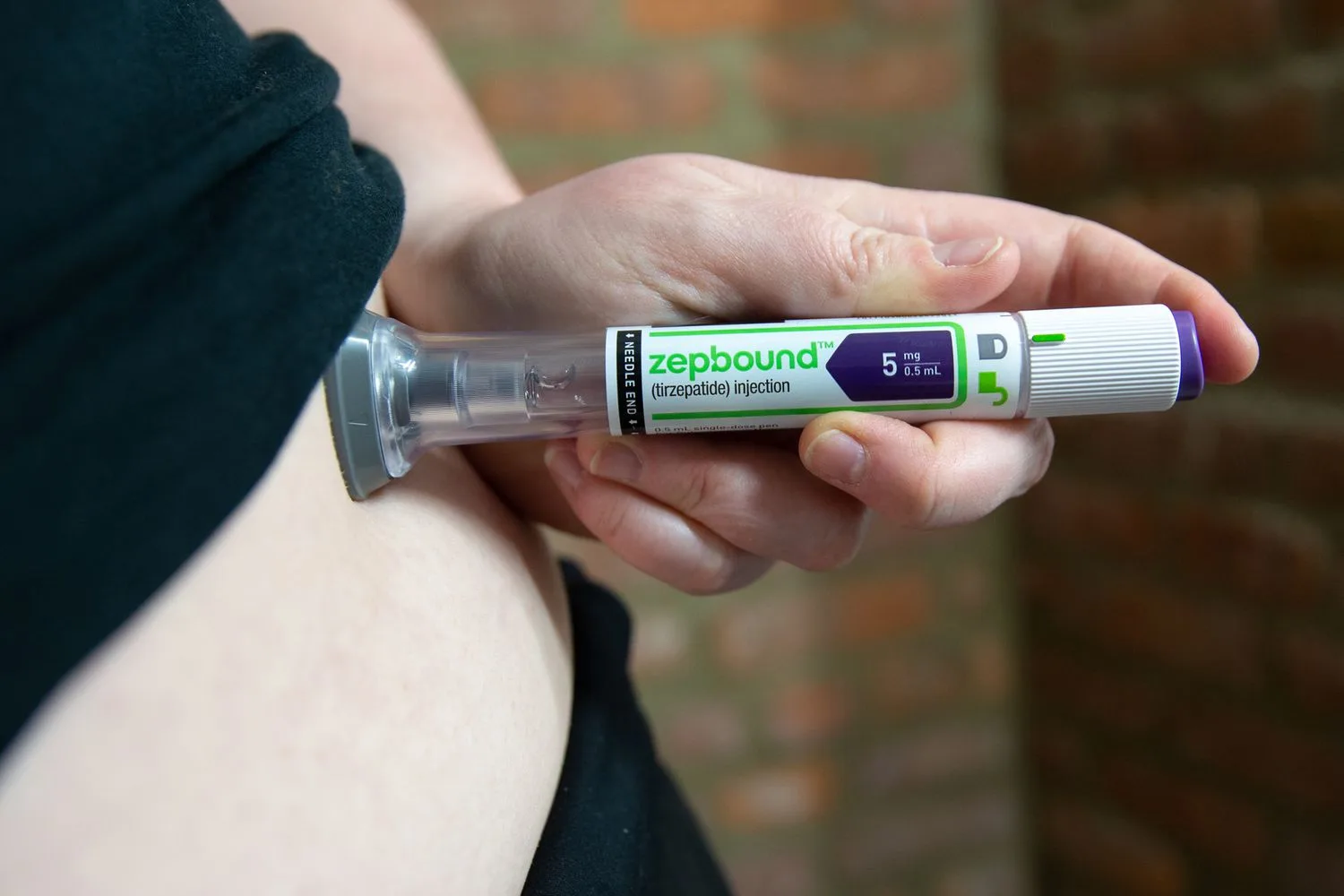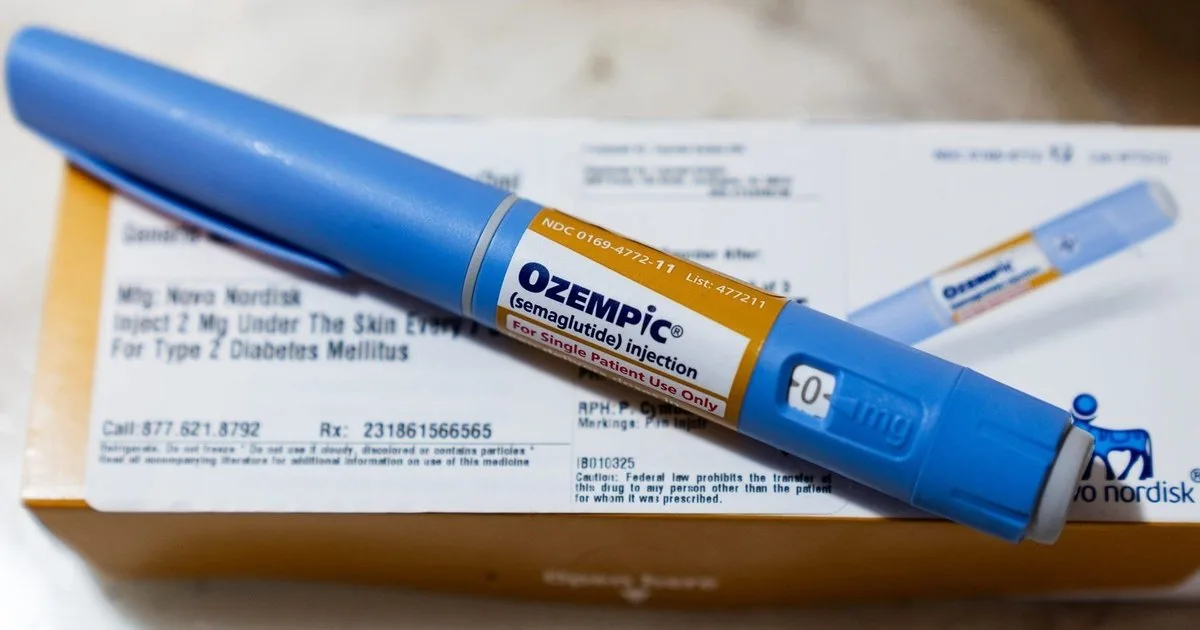

For many individuals seeking to manage their weight, medications like Mounjaro (tirzepatide) and Wegovy (semaglutide) have emerged as powerful allies, offering significant weight loss results that were once only achievable through bariatric surgery. These GLP-1 receptor agonists have revolutionized the landscape of medical weight management, leading to a surge in demand. However, not everyone who desires these treatments can obtain them, even when willing to pay privately or appearing to meet initial criteria on paper.
The reality is that while these medications are transformative, they are also potent prescription drugs with specific eligibility requirements. Beyond the commonly discussed Body Mass Index (BMI) thresholds, a multitude of less apparent health factors can lead to a doctor refusing a prescription. These considerations are in place to ensure patient safety, optimize treatment outcomes, and prevent potential harm. Understanding these crucial, often hidden, reasons for denial is essential for anyone considering these groundbreaking therapies.
Understanding the Core Eligibility: BMI and Medical Necessity
The most frequently cited reason for being turned away for GLP-1 medications is not meeting the stringent Body Mass Index (BMI) requirements. As Dr. Kathryn Basford from Asda Online Doctor explains, these drugs are specifically designed to address obesity as a recognized medical condition, not merely for cosmetic weight loss. Therefore, prescriptions are typically reserved for individuals who fall within specific BMI ranges, often coupled with the presence of weight-related comorbidities such as type 2 diabetes, hypertension, or dyslipidemia.
While a BMI of 30 or above is a common benchmark, guidelines can vary, and some healthcare providers may consider patients with a BMI of 27 or higher if they have at least one significant weight-related health issue. This rigorous approach underscores the medical nature of these treatments and the importance of demonstrating a clear clinical need.
Digestive Health: A Critical Consideration
The mechanism of action for GLP-1 medications involves slowing gastric emptying and influencing appetite. This fundamental aspect of their function makes certain pre-existing digestive or gastrointestinal conditions a significant contraindication or a reason for extreme caution.
Specific Digestive Conditions That May Prevent Prescription:
- Gastroparesis: This condition, characterized by delayed stomach emptying, can be exacerbated by medications that further slow digestion, potentially leading to severe nausea, vomiting, and discomfort.
- Inflammatory Bowel Disease (IBD): For individuals with conditions like Crohn's disease or ulcerative colitis, the altered digestive processes could trigger or worsen symptoms.
- Severe Acid Reflux: While some may experience relief, others with severe or chronic acid reflux might find their condition complicated by changes in stomach function.
- Other Significant Digestive Disorders: Any condition that significantly impacts the normal functioning of the stomach and intestines may require careful evaluation.
It's important to note that nausea, bloating, and stomach discomfort are already among the most common side effects of these injections. For individuals with compromised digestive systems, these side effects could be amplified, making the treatment intolerable or even dangerous.
Pancreatitis and Gallbladder Health
Two other areas of significant concern for prescribers are the pancreas and the gallbladder.
Pancreatitis Risk:
While rare, there have been documented cases linking GLP-1 medications to inflammation of the pancreas (pancreatitis). Consequently, individuals with a personal history of pancreatitis are often advised against taking these drugs due to the potential risk of recurrence. This is a serious condition that requires immediate medical attention, and avoiding potential triggers is paramount.
Gallbladder Disease and Gallstones:
Both rapid weight loss – a common outcome with these medications – and the use of GLP-1 agonists themselves can increase the likelihood of developing gallbladder issues, including gallstones. Therefore, patients with active gallbladder disease or a history of gallstones may require thorough medical assessment and potentially additional monitoring before a prescription can be approved. In some cases, the risk may be deemed too high.
Reproductive Health and Eating Disorders
Specific considerations surround reproductive health and a history of eating disorders, both of which can influence prescribing decisions.
Pregnancy, Breastfeeding, and Conception:
Wegovy and Mounjaro are not considered safe for use during pregnancy or while breastfeeding. Furthermore, patients are typically advised to discontinue treatment well in advance of attempting to conceive. This is because weight-loss medications can potentially impact fetal development, and their effects on newborns via breast milk are unknown or deemed unsafe. Comprehensive counseling on contraception and discontinuation timelines is crucial for individuals in their reproductive years.
History of Eating Disorders:
Individuals with current or a significant history of eating disorders, such as anorexia nervosa or bulimia nervosa, are generally not candidates for these medications. Appetite-suppressing drugs have the potential to trigger or exacerbate disordered eating behaviors and negatively impact mental well-being in vulnerable individuals. A thorough assessment of psychological history is essential in these cases.
Mental Health and Substance Use Considerations
The impact of these medications extends to mental health and requires careful consideration of substance use.
Precision tracking for your journey
Join thousands using Shotlee to accurately track GLP-1 medications and side effects.
📱 Get the Shotlee App
Track your GLP-1 medications, peptides, and health metrics on the go with our mobile app!
Uncontrolled Mental Health Conditions:
Severe or unmanaged mental health conditions can also be a barrier to treatment. Prescribers need to ensure that a patient's mental well-being is stable, that they can adhere to the treatment regimen, and that there are no safeguarding concerns. The long-term commitment and potential side effects of these medications necessitate a stable mental state for informed decision-making and adherence.
Drug or Alcohol Misuse Concerns:
Concerns regarding the safe management of prescription medications in the context of substance abuse can also lead to a denial of prescription. Patients with a history of drug or alcohol misuse may require additional support, assessment, or a period of demonstrated stability before proceeding with treatment to ensure responsible medication management.
Other Medical Conditions and Previous Treatment Experiences
A broad spectrum of other medical conditions, alongside past experiences with similar medications, can influence eligibility.
Other Existing Medical Conditions:
A range of other serious health issues can impact the suitability of GLP-1 medications. These include:
- Severe Liver Disease: The metabolic effects of these drugs may be poorly tolerated.
- Kidney Problems: Pre-existing kidney issues might require dose adjustments or preclude use altogether.
- Poorly Managed Diabetes: While these drugs are used for diabetes management, poorly controlled diabetes can present complex challenges.
In some instances, treatment might still be possible but would necessitate closer medical supervision or input from specialists.
Severe Side Effects During Previous Use:
If a patient has previously taken a GLP-1 medication and experienced severe adverse reactions, such as persistent vomiting, dehydration, or ongoing debilitating digestive issues, clinicians may deem it inappropriate to restart treatment. While mild side effects are common and often manageable, severe reactions can significantly outweigh the potential benefits.
Medication Interactions or Allergies:
A thorough review of all current medications is crucial, as certain drugs can interact negatively with GLP-1 agonists. Furthermore, individuals may have allergies to specific ingredients within the formulations. These factors are identified through detailed questionnaires and comprehensive medical reviews.
Age Restrictions and Prescribing Integrity
Finally, age and the integrity of the prescribing process itself play a role.
Age Restrictions:
There are specific age limitations for these medications. For instance, while Wegovy is approved for individuals aged 12 and older, Mounjaro is typically prescribed only to adults aged 18 and over. Prescribers must adhere strictly to these guidelines to ensure safe administration.
Unsafe Prescribing Concerns:
Doctors are obligated to ensure that prescriptions are issued appropriately and safely. If the information provided by a patient is incomplete, inconsistent, or suggests that the medication might not be used as intended or safely, a prescription may be declined. These checks are fundamental to safe prescribing practices, recognizing that weight-loss injections are powerful tools that are not suitable for everyone.
Conclusion: Prioritizing Safety and Efficacy
It is relatively common for individuals to be declined a prescription for Mounjaro, Wegovy, or similar GLP-1 medications. These decisions are rarely arbitrary. Instead, they are rooted in a commitment to patient safety, long-term health, and ensuring that the potential benefits of treatment genuinely outweigh the risks. By thoroughly understanding these eligibility criteria and openly discussing your complete medical history with your healthcare provider, you can navigate the process more effectively and determine the most appropriate path for your health journey.
For those who do qualify, diligent health tracking, including monitoring doses, symptoms, and overall well-being, can be greatly enhanced with tools like Shotlee, helping to manage treatment effectively and identify any emerging concerns early on.