
A New Milestone for Liver Health: Semaglutide Approved for MASH
In a significant development for the treatment of metabolic liver disease, the Medicines and Healthcare products Regulatory Agency (MHRA) has officially approved semaglutide injections for the treatment of metabolic-associated steatohepatitis (MASH). This approval, announced on 3 July 2026, marks a pivotal moment for adults suffering from moderate-to-advanced liver fibrosis, offering a new therapeutic avenue alongside existing weight management protocols.
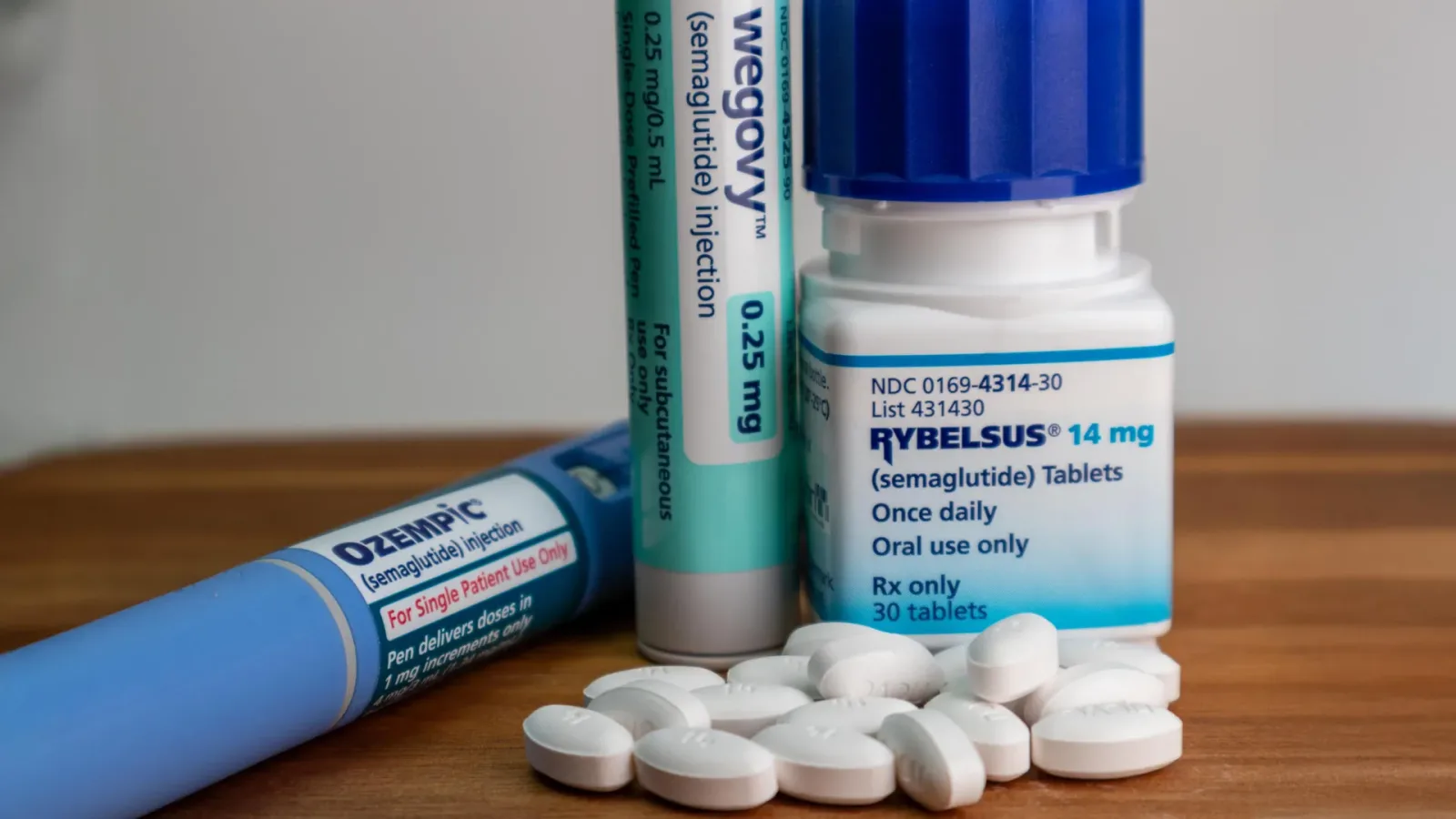
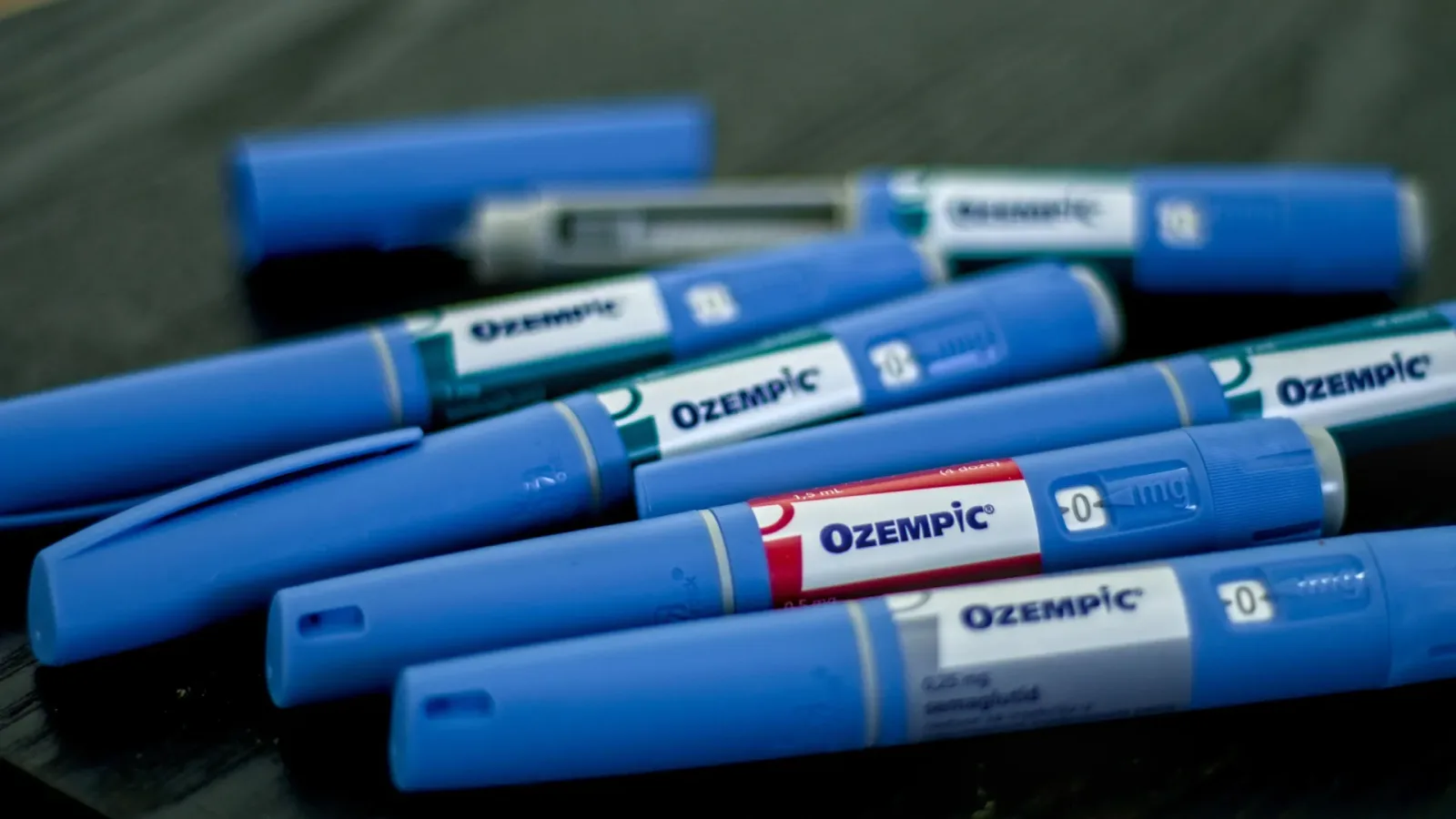
Semaglutide, widely recognized under brand names such as Wegovy and Ozempic, has previously held authorisations for weight management in adults and adolescents, as well as for reducing cardiovascular events. This new indication expands its utility to address the scarring and inflammation associated with MASH, a condition increasingly prevalent in individuals with obesity and type 2 diabetes.
While this approval represents a major step forward, the MHRA has issued a conditional marketing authorisation. This means that while the medicine is available for use, further confirmatory evidence regarding its long-term efficacy and safety is still being gathered and reviewed by the agency.
Understanding MASH and the Need for Treatment
To appreciate the significance of this approval, it is essential to understand what MASH is and why it poses a serious health risk. MASH, formerly known as NASH (Non-Alcoholic Steatohepatitis), is a severe form of metabolic dysfunction-associated steatotic liver disease. It develops when excess fat accumulates in the liver, triggering inflammation and subsequent scarring, known as fibrosis.
Over time, this scarring can progress to cirrhosis, liver failure, or liver cancer. Patients are at a higher risk of developing MASH if they have specific metabolic risk factors. According to the MHRA, the following conditions increase susceptibility:
- Obesity: Excess body weight is a primary driver of fat accumulation in the liver.
- Type 2 Diabetes: Insulin resistance often correlates with liver fat storage and inflammation.
- High Blood Lipid Levels: Dyslipidemia contributes to the metabolic imbalance affecting liver health.
Until now, there have been limited pharmacological options specifically targeting the fibrosis and inflammation components of MASH. Lifestyle interventions such as diet and exercise remain foundational, but for many patients, the progression of the disease requires medical intervention to prevent irreversible damage.
The MHRA Approval and Conditional Authorisation
The approval granted on 3 July 2026 was given to Novo Nordisk. Julian Beach, Executive Director of Healthcare Quality and Access at the MHRA, highlighted the importance of this decision. "The available evidence indicates that semaglutide is a safe and effective treatment option for patients with MASH," Beach stated. He also noted that, consistent with all GLP-1 receptor agonists, this is a prescription-only medication that must be taken under medical supervision.
However, the approval is conditional. This regulatory mechanism is used when a medicine shows promise but requires more data before a full marketing authorisation is considered. The MHRA will review new information on this medicine at least every year. The Summary of Product Characteristics will be updated as necessary, ensuring that the medical community stays informed about the latest safety and efficacy data.
This conditional status underscores the rigorous standards of the MHRA. It allows patients to access a potentially life-changing treatment while ensuring that the agency continues to monitor the drug's performance in the real world. The ongoing study in adults with MASH and moderate to advanced liver scarring remains a critical component of this approval process.
Dosing Schedule and Administration
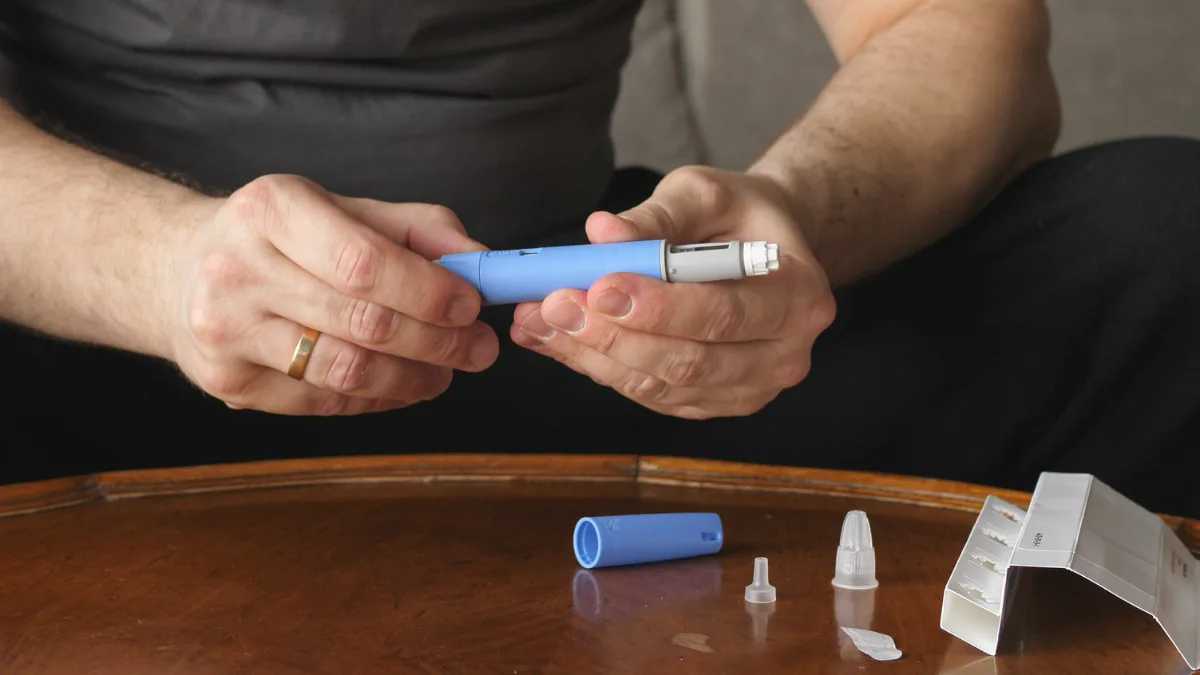
Proper administration is key to the safety and efficacy of semaglutide. The MHRA has outlined a specific titration schedule to help patients adjust to the medication and minimise gastrointestinal side effects. The treatment begins with a low starting dose, gradually increasing over time.
The standard dosing progression for the MASH indication is as follows:
Precision tracking for your journey
Join thousands using Shotlee to accurately track GLP-1 medications and side effects.
📱 Get the Shotlee App
Track your GLP-1 medications, peptides, and health metrics on the go with our mobile app!
- Starting Dose: 0.25 mg once weekly.
- Titration: Increased to 0.5 mg, then 1.0 mg, and 1.7 mg.
- Duration: Patients remain on each dose for four weeks before the next increase.
- Maintenance Dose: The goal is to reach 2.4 mg once weekly.
For patients with obesity, defined as a BMI over 30, there is an option to further increase the dose. After a minimum of four weeks on the 2.4 mg maintenance dose, the treatment can be escalated to 7.2 mg once weekly. This higher dosage is intended for specific patient profiles where additional metabolic control is required.
It is important for patients to adhere strictly to this schedule. Rapid escalation without medical guidance can increase the risk of adverse events. The medication works by mimicking the action of a naturally occurring hormone called glucagon-like peptide (GLP-1), which is released by the body after eating. This helps people feel fuller for longer and decreases food cravings, addressing the root metabolic drivers of liver fat accumulation.
Safety, Side Effects, and Reporting
As with any medicine, the MHRA keeps the safety and effectiveness of semaglutide under close review. Patients must be aware of potential side effects to manage their treatment journey effectively. The most common side effects reported are gastrointestinal disorders. These may include:
- Nausea
- Diarrhoea
- Constipation
- Vomiting
While these symptoms are common, they should not be ignored. Anyone who suspects they are having a side effect from this medicine is encouraged to talk to their doctor, pharmacist, or nurse immediately. Furthermore, reporting these experiences is vital for public health monitoring.
Patients can report side effects directly to the Yellow Card scheme. This can be done through the official website or by searching for the MHRA Yellow Card application in the Google Play or Apple App stores. Reporting contributes to the collective understanding of the drug's safety profile, especially given the conditional nature of this approval.
Access, NHS Availability, and NICE Appraisal
Despite the regulatory approval by the MHRA, access to the treatment for this specific condition remains a point of contention regarding availability. Patients with MASH are not currently able to get semaglutide to treat this condition on the NHS. This is subject to a decision from the National Institute for Health and Care Excellence (NICE).
NICE is currently appraising the clinical and cost effectiveness of semaglutide as a treatment option for MASH. This process involves a rigorous review of the data submitted by the manufacturer, Novo Nordisk, to determine whether the NHS should fund the medication. Until NICE makes a positive recommendation, patients seeking this treatment for liver disease may need to explore private options or other clinical trial pathways.
For those accessing the medication privately or through other means, tracking progress is essential. Consistent monitoring of liver enzymes, weight, and symptom changes can help doctors determine if the treatment is effective. Tools like Shotlee can assist patients in logging their doses, side effects, and health metrics, providing a clear picture of their response to therapy over time.
Practical Takeaways for Patients
For patients considering or starting semaglutide for MASH, here are key points to remember:
- Medical Supervision: Always consult a doctor before starting or changing doses.
- Patience with Titration: Follow the four-week intervals to allow your body to adjust.
- Symptom Tracking: Monitor gastrointestinal symptoms and report them via the Yellow Card scheme if severe.
- Lifestyle Integration: The medication is prescribed in combination with diet and exercise, not as a standalone cure.
- Stay Informed: Check for updates on NICE decisions regarding NHS availability.
Conclusion
The approval of semaglutide for MASH liver disease is a hopeful step for patients facing moderate-to-advanced liver fibrosis. It represents an expansion of the GLP-1 class of medications into new therapeutic territories, offering a pharmacological tool to combat a condition that was previously difficult to treat medically. While the conditional nature of the approval and the current lack of NHS funding highlight the need for continued data and policy decisions, the availability of this treatment marks a significant advancement in metabolic health care.
As the MHRA continues its annual reviews and NICE considers cost-effectiveness, patients and healthcare providers alike should remain vigilant and informed. By combining medical treatment with diligent health tracking and lifestyle management, patients can navigate their treatment journey with greater confidence and safety.
Dosing Schedule Overview
| Stage | Dose | Frequency | Duration |
|---|---|---|---|
| Starting | 0.25 mg | Once weekly | 4 weeks |
| Titration | 0.5 mg, 1.0 mg, 1.7 mg | Once weekly | 4 weeks each |
| Maintenance | 2.4 mg | Once weekly | Ongoing |
| Obesity Increase | 7.2 mg | Once weekly | After 4 weeks on 2.4 mg |