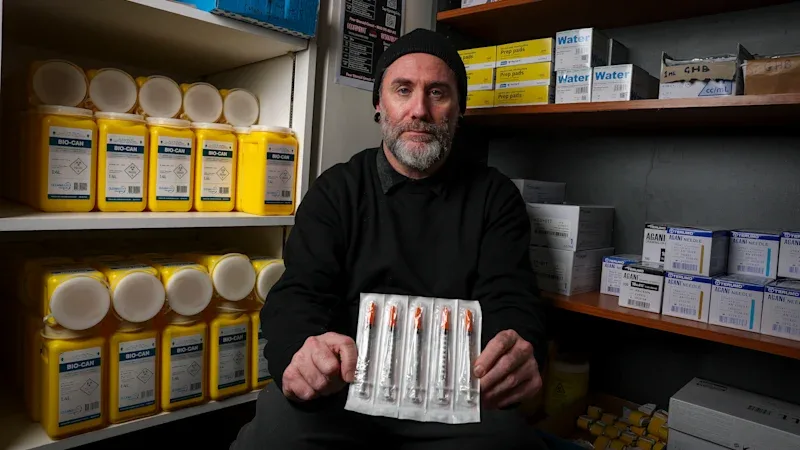

The landscape of drug use and harm reduction is evolving, with a notable surge in the demand for sterile injecting equipment driven by the increasing popularity of black-market peptides. These unregulated substances, often marketed online for purposes ranging from weight loss and muscle gain to skin improvement, are placing unprecedented pressure on needle and syringe programs (NSPs). These essential services, historically established to combat the spread of HIV during the heroin epidemic, are now struggling to meet the needs of a new cohort of users, potentially jeopardizing the safety of both existing and new clients.
The Shifting Demographics of Injecting Drug Use
Across various harm reduction services, a significant demographic shift is becoming apparent. What was once primarily associated with the opioid crisis is now seeing a substantial influx of individuals using performance- and image-enhancing drugs (PIEDs), including peptides and steroids. At some services, this new group now accounts for up to 40% of clients, a stark contrast to the 5-8% observed over the past decade.
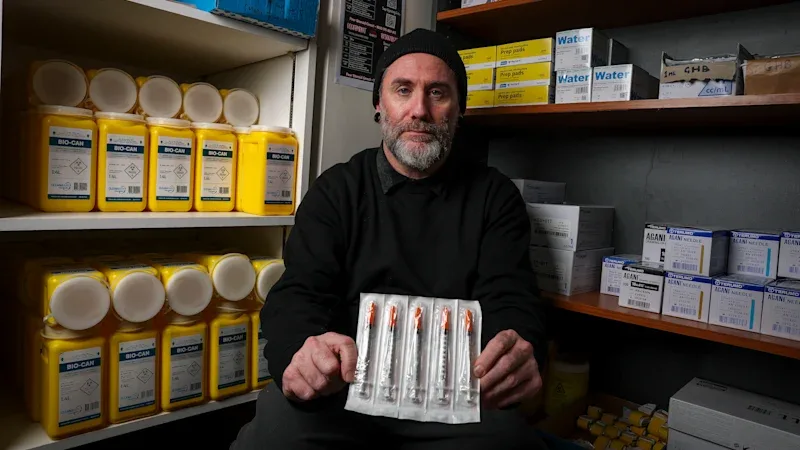
For instance, cohealth's needle and syringe program reports that approximately 20% of its visitors this year have been seeking equipment for PIEDs. This dramatic increase has led to a strain on supplies, particularly the finer, shorter needles commonly used for subcutaneous or intramuscular injections of peptides. While current stock levels are reported as adequate, the rapid escalation in demand raises concerns about future availability.
Andrea Fischer, cohealth's director of community-based drug and alcohol responses, highlighted the potential for these services to become overwhelmed. "There is a real potential for current needle and syringe program services to be overwhelmed by peptide users, placing both people who use peptides and people who use psychoactive drugs at risk of harm," she stated. "Consideration needs to be given as to how to increase services to meet the needs of both groups."
Regional Impact and Mobile Services
The pressure is not confined to urban centers. Regional services are also experiencing the repercussions. Barwon Health's mobile needle and syringe program, which provides clean injecting equipment and disposes of used syringes in the community, now sees approximately 40% of its activity driven by PIED users, including those using peptides. A spokeswoman for Barwon Health emphasized their commitment to safe, non-judgmental access to sterile equipment and harm-reduction support for all individuals.
Similarly, Uniting Alcohol and Drug Services in Coburg, Melbourne, has observed about a quarter of its clients now using peptides or steroids, leading to more than double the number of syringes being distributed. Nathan Farley, a senior harm-reduction clinician at Uniting, noted that many users of black-market peptides feel stigmatized when purchasing syringes from pharmacies, preferring the non-judgmental environment of NSPs.
Challenges in Access and Stigma
The preference for NSPs over pharmacies stems from a perceived lack of judgment and a wider range of available equipment. "A chemist would only stock a really limited range, and people accessing a chemist for injecting equipment aren't treated the best. They are asked a lot of questions," Farley explained. This discomfort can lead to individuals foregoing essential harm-reduction practices if NSPs are not readily accessible.
The primary demographic seeking equipment for black-market peptides appears to be predominantly men aged between their 20s and 50s who have purchased these substances online. Their motivations vary, encompassing muscle growth and weight loss. This highlights the broad appeal and diverse applications being promoted for these unregulated products.
Strained Infrastructure and Public Health Concerns
Chris Christoforou, chief executive of the Victorian Alcohol and Drug Association, underscored the immense pressure this surge is placing on a public health infrastructure originally designed in the 1980s to address the HIV epidemic. "There's been an explosion in demand for clean injecting equipment [from] a new cohort of injecting drug users - those who use performance- and image-enhancing drugs," he stated.
Precision tracking for your journey
Join thousands using Shotlee to accurately track GLP-1 medications and side effects.
📱 Get the Shotlee App
Track your GLP-1 medications, peptides, and health metrics on the go with our mobile app!
Some services are reporting clients ordering large quantities of syringes, with boxes of up to 500 units being distributed for personal use. This indicates a significant increase in the frequency and volume of injections among this user group. Christoforou also pointed out that this new cohort is frequently sustaining avoidable injuries and infections due to a lack of tailored health advice. While harm-reduction experts provide guidance on safe injection practices, there is an urgent need for increased funding to engage directly with fitness and bodybuilding communities.
Emerging Health Risks from Unregulated Peptides
Health authorities are increasingly concerned about the proliferation of injectable peptides, often promoted by influencers for a wide array of purported benefits. The unregulated nature of these substances poses significant health risks. Last week, Victoria's Chief Health Officer issued a warning after six individuals were hospitalized with acute liver poisoning from an illegal peptide advertised for weight loss.
The rise in emergency department presentations linked to severe side effects from illegal peptides is alarming. Symptoms reported include vomiting, abdominal cramping, and chest pains that mimic heart attacks, underscoring the unpredictable and dangerous nature of these black-market products. The Salvation Army's alcohol and other drugs Victorian manager, Juanita Davis, confirmed their NSP has also seen a peptide-fueled surge, distributing over 683,000 needles and syringes between January and May 2026, an increase of approximately 185,000 compared to the previous year.
Davis noted that their staff are highly experienced in harm reduction and are adapting their approaches to support individuals, especially those new to injecting, with practical safety advice as new trends emerge.
Government Response and Program Adaptability
A Victorian government spokesman acknowledged that needle and syringe programs are designed to be adaptable and responsive to evolving patterns of drug use, including the rise of PIEDs. "The needle and syringe program provides a critical frontline public health response, ensuring people who inject drugs have access to sterile equipment, harm-reduction education, and referral pathways to support services," he stated. The government has reportedly invested over $3 billion to expand drug treatment, support, and harm-minimisation services across Victoria.
The challenge lies in ensuring these programs are adequately resourced and funded to meet the escalating demand from both traditional and emerging user groups. This includes expanding storage capacity, extending operating hours, and establishing new services in areas of high need. Improved referral pathways to general practitioners and the development of fast-tracked educational materials are also crucial steps.
Practical Takeaways for Peptide Users
For individuals using black-market peptides, prioritizing safety and harm reduction is paramount. Here are some key considerations:
- Access Sterile Equipment: Always use new, sterile needles and syringes for every injection. Utilize needle and syringe programs or reputable pharmacies to obtain these supplies.
- Seek Reliable Information: Be critical of online claims. Consult with healthcare professionals or harm reduction services for accurate information on safe injection practices and potential risks.
- Understand the Risks: Unregulated peptides can have unpredictable side effects and may be contaminated. Be aware of symptoms like severe pain, vomiting, or chest discomfort and seek immediate medical attention if they occur.
- Consider Health Monitoring: Regular check-ups with a healthcare provider can help monitor for any adverse health effects associated with peptide use.
- Utilize Support Services: If you are struggling with substance use or experiencing negative health consequences, reach out to drug and alcohol support services for confidential assistance.
Conclusion
The surge in black-market peptide use presents a complex challenge for public health systems. While NSPs are demonstrating their adaptability, the unprecedented demand necessitates urgent resourcing and strategic planning. Ensuring continued access to sterile equipment, comprehensive harm-reduction education, and robust support services is vital to protect the health and well-being of all individuals who inject drugs, including this growing user group. Proactive engagement with fitness and bodybuilding communities, coupled with increased awareness of the dangers of unregulated substances, will be key to mitigating potential harms.