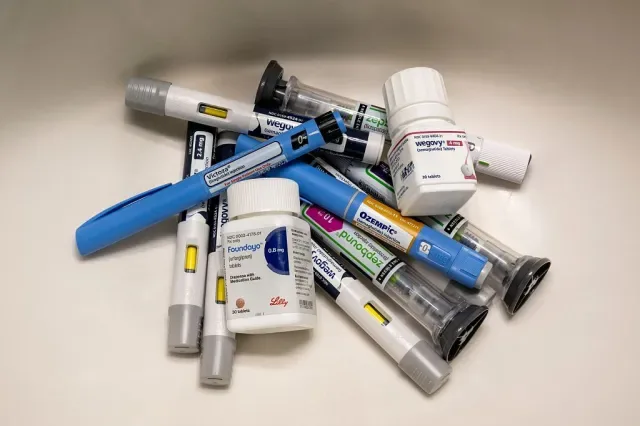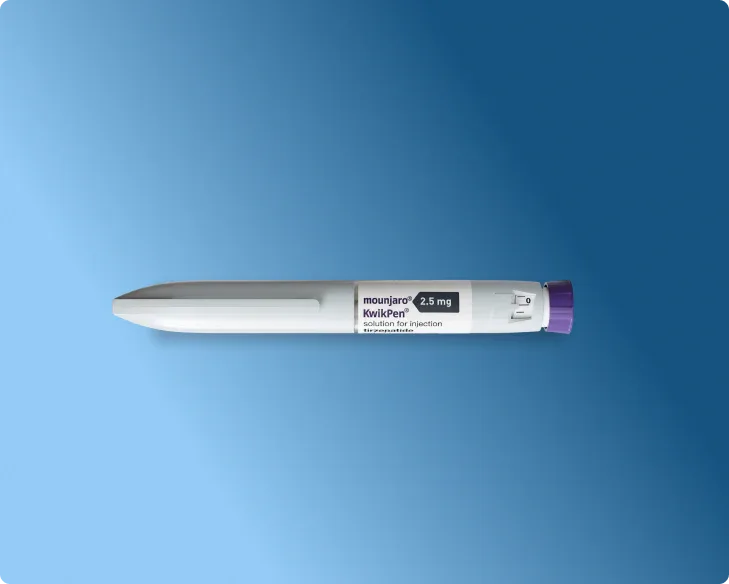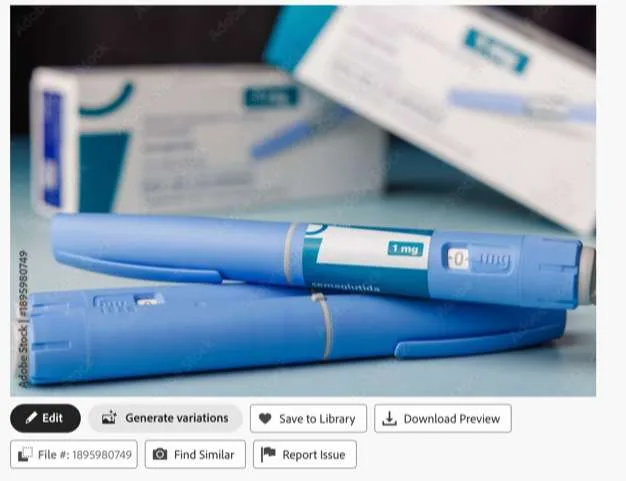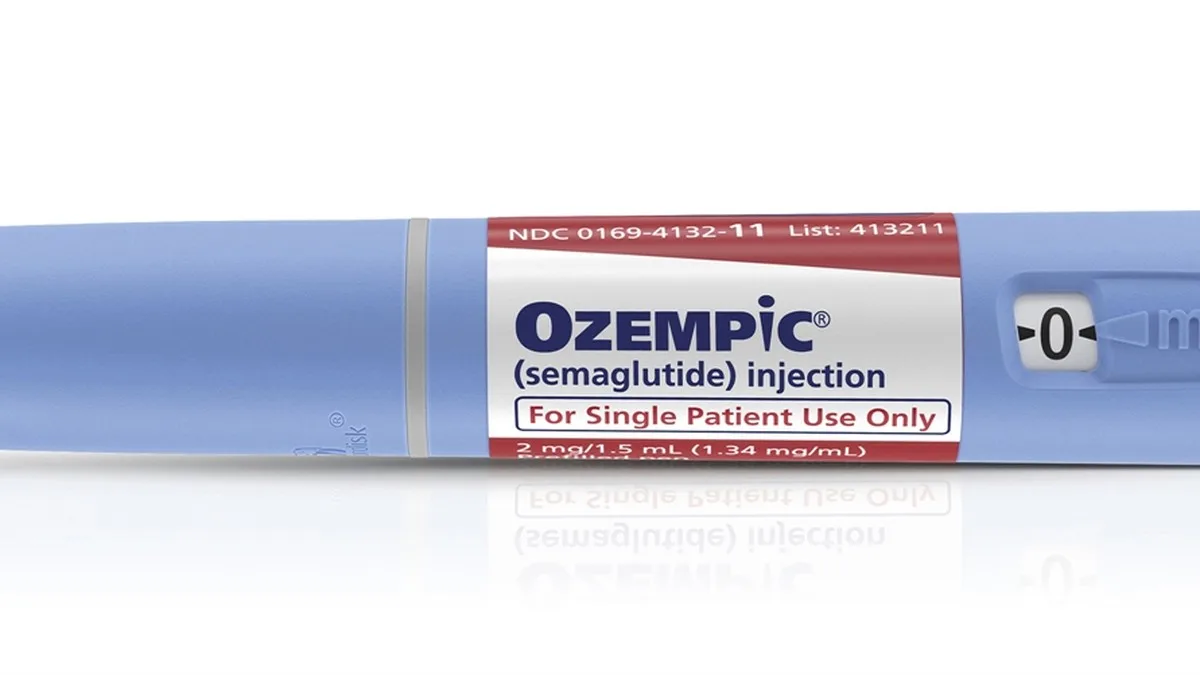

For decades, the image of America has, in some circles, been associated with widespread obesity. This perception, once a stark reality, might be on the cusp of a significant transformation. The emergence and increasing accessibility of GLP-1 receptor agonists – a class of medications that includes popular drugs like Ozempic, Wegovy, and Mounjaro – are showing early, promising signs of shifting the national obesity trend.
While it's premature to declare victory, the latest data suggests a tangible movement in the right direction. Prescriptions for these groundbreaking drugs have surged dramatically, indicating a growing adoption among both patients and healthcare providers. This shift is not happening in a vacuum; it coincides with observable changes in national obesity statistics, offering a glimmer of hope in a long-standing public health challenge.
This article delves into the evolving landscape of obesity treatment in America, examining the impact of GLP-1 medications, the hurdles that remain, and the broader implications for individual and national health. We'll explore the science, the data, and the human stories behind this medical revolution.
The GLP-1 Revolution: A New Era in Weight Management
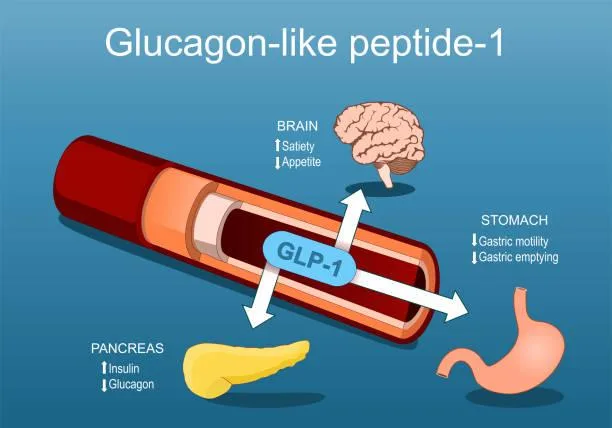
The rise of GLP-1 receptor agonists marks a significant milestone in the fight against obesity. These medications, originally developed for type 2 diabetes management, have demonstrated remarkable efficacy in promoting weight loss. Their mechanism of action involves mimicking the effects of the naturally occurring GLP-1 hormone, which plays a crucial role in regulating appetite and blood sugar.
By binding to GLP-1 receptors in the brain, these drugs can:
- Reduce appetite: They signal satiety, making individuals feel fuller for longer and reducing overall food intake.
- Slow gastric emptying: This further contributes to a feeling of fullness and can help manage blood sugar spikes after meals.
- Improve glycemic control: For individuals with type 2 diabetes, this is a primary benefit, but it also contributes to overall metabolic health.
The impact is evident in prescription trends. Between the second quarter of 2021 and the first quarter of 2026, prescriptions for GLP-1 drugs like semaglutide and tirzepatide saw a substantial increase, rising from 1,884 to 8,819 per 100,000 adult patients. This dramatic surge underscores their growing role in therapeutic strategies.
Data Points: Shifting Obesity Metrics
The real-world impact of these medications is beginning to be reflected in national health surveys. While no single trend line can definitively solve a complex issue like obesity, the recent data is encouraging:
During a period roughly corresponding with the rise in GLP-1 prescriptions, the percentage of adults classified as obese has shown a slight but significant decline. Data indicates a drop from 42.3% to 40.7%, while the proportion of adults maintaining a healthy weight has edged up from 25.1% to 25.6%.
More striking figures emerged from a separate national survey, which reported adult obesity rates falling from 39.9% in 2022 to 37% in 2025. This translates to approximately 7.6 million fewer adults meeting the criteria for obesity in just three years. The use of GLP-1s for weight loss more than doubled since early 2024, with about 12% of U.S. adults now reporting their use.
However, it's crucial to maintain perspective. Diabetes diagnoses remain high at 13.8%, indicating that the broader health picture is still complex. While lower obesity rates are a positive development, they don't erase the legacy of decades of unhealthy dietary habits, sedentary lifestyles, and environmental factors that have contributed to the nation's health challenges.
Challenges and Considerations: The Road Ahead
Despite the promising trajectory, the widespread adoption and long-term success of GLP-1 medications face several significant hurdles. The journey from lab discovery to widespread patient access is rarely smooth, and these drugs are no exception.
Access and Affordability
One of the most significant barriers is cost and insurance coverage. Many individuals find these medications prohibitively expensive, and insurance plans do not always provide adequate coverage. This financial strain can lead to patients discontinuing treatment, even when it's proving effective.
Precision tracking for your journey
Join thousands using Shotlee to accurately track GLP-1 medications and side effects.
📱 Get the Shotlee App
Track your GLP-1 medications, peptides, and health metrics on the go with our mobile app!
Side Effects and Discontinuation
Like all medications, GLP-1s can cause side effects, which can range from mild gastrointestinal issues like nausea and diarrhea to more significant concerns. For some patients, these side effects are manageable, but for others, they can be severe enough to warrant stopping the medication. A concerning aspect of discontinuation is the potential for weight regain, which can negate the benefits achieved during treatment.
The Complexity of Obesity
It's essential to recognize that obesity is a multifaceted condition influenced by a complex interplay of biology, genetics, environment, behavior, stress, sleep, socioeconomic factors, and access to care. While a weekly injection can be a powerful tool for many, it cannot single-handedly address every contributing factor. True health transformation often requires a holistic approach that complements medication with lifestyle changes, behavioral support, and addressing underlying social determinants of health.
Long-Term Management and Support
The long-term efficacy and safety of these drugs are still being studied, and ongoing medical supervision is critical. Patients need continuous support from healthcare professionals to manage their treatment, monitor for side effects, and adapt their strategies as needed. For effective progress tracking, tools like Shotlee can be invaluable in logging doses, symptoms, and overall well-being.
Beyond Medication: A Multifaceted Approach
The increasing popularity of GLP-1 medications has also influenced patient choices regarding other weight management interventions. Notably, bariatric surgery rates have seen a slowdown as more individuals opt for pharmaceutical treatments first. An analysis revealed a significant rise in GLP-1 prescriptions, from 0.03% to 5.3% over seven years, while bariatric surgery rates, after a period of growth, began to decline in 2024 and 2025.
However, even with the heightened attention on these drugs, the reality is that a vast majority of patients still do not receive any form of obesity treatment. A study indicated that over 90% of patients were not undergoing any obesity intervention. This highlights a critical gap in care and access.
The public discourse often polarizes between viewing these medications as miracle cures or attributing obesity to a lack of willpower. The truth lies in the middle ground: millions of Americans require effective interventions, and the current system is failing to reach a significant portion of them. A comprehensive strategy must involve not only effective medications but also improved access to care, nutritional education, mental health support, and environments that promote healthy choices.
The Science and the Scientists Behind the Breakthrough
The development of modern GLP-1 therapy is the culmination of decades of dedicated scientific research. The groundbreaking work of several key figures has paved the way for these transformative treatments. For their contributions, Joel Habener of Massachusetts General Hospital, Svetlana Mojsov of The Rockefeller University, and Lotte Bjerre Knudsen of Novo Nordisk were honored with the 2024 Lasker-DeBakery Clinical Research Award.
Dr. Habener and Dr. Mojsov were instrumental in identifying the active form of GLP-1, a crucial step in understanding its physiological role. Dr. Knudsen then played a pivotal role in translating this scientific discovery into viable, effective medicines that promote weight loss. This journey from a laboratory insight to a refrigerator-ready treatment, and subsequently a national health phenomenon, exemplifies the power of scientific innovation.
The scientific community's efforts have provided a powerful new tool, but its effectiveness is maximized when patients can adhere to treatment under consistent medical guidance. The success of these medications hinges on sustained use, careful monitoring, and a personalized approach to care.
Conclusion: A Modest Turn, A Long Journey
America's fight against obesity is a complex and long-standing battle. The advent of GLP-1 medications like Ozempic, Wegovy, and Mounjaro represents a significant and hopeful development, with early data suggesting a positive shift in national obesity trends. For the first time in years, the numbers are moving in a direction that offers genuine encouragement.
However, it is crucial to temper optimism with realism. These drugs are not a panacea, and their success is contingent upon overcoming substantial challenges related to access, cost, potential side effects, and the inherent complexity of obesity itself. The broader health landscape remains complicated, and the damage from decades of unhealthy habits and systemic issues cannot be undone overnight.
The true measure of success will lie not just in the number of prescriptions written or pounds lost, but in ensuring equitable access to these treatments, supporting patients through long-term management, and integrating medication with comprehensive lifestyle and behavioral interventions. While medicine may be bending one of the nation's most stubborn health curves, the journey toward a healthier America is far from over. It requires continued innovation, sustained effort, and a commitment to addressing the multifaceted nature of health and well-being.