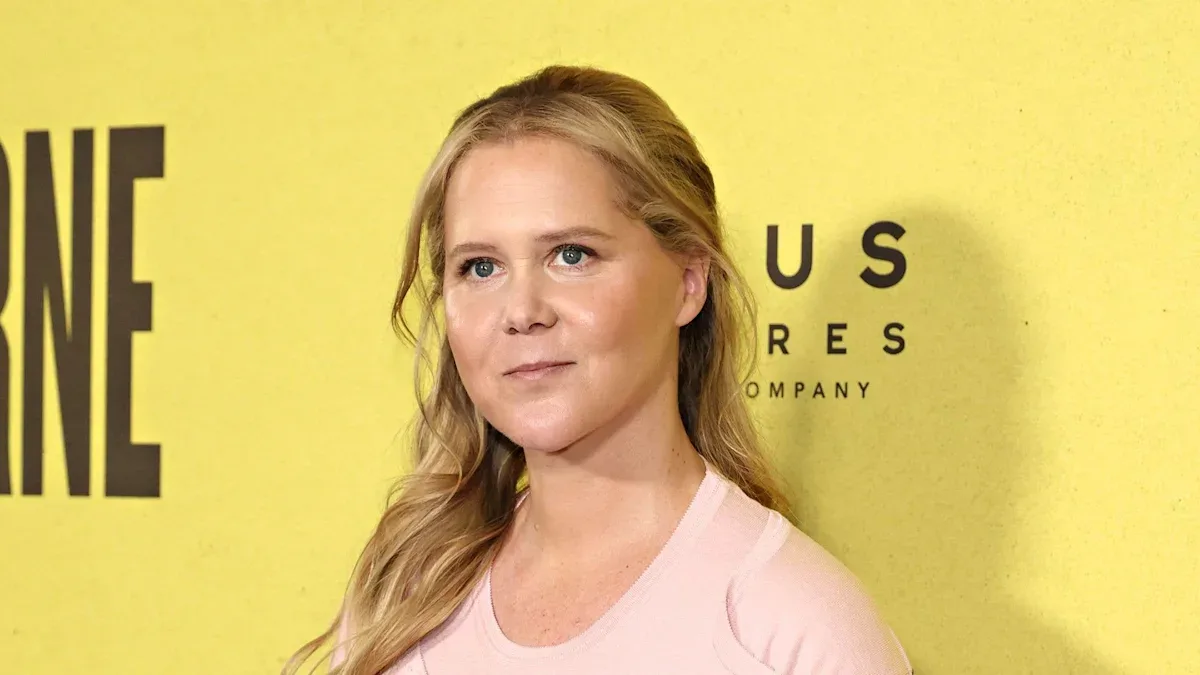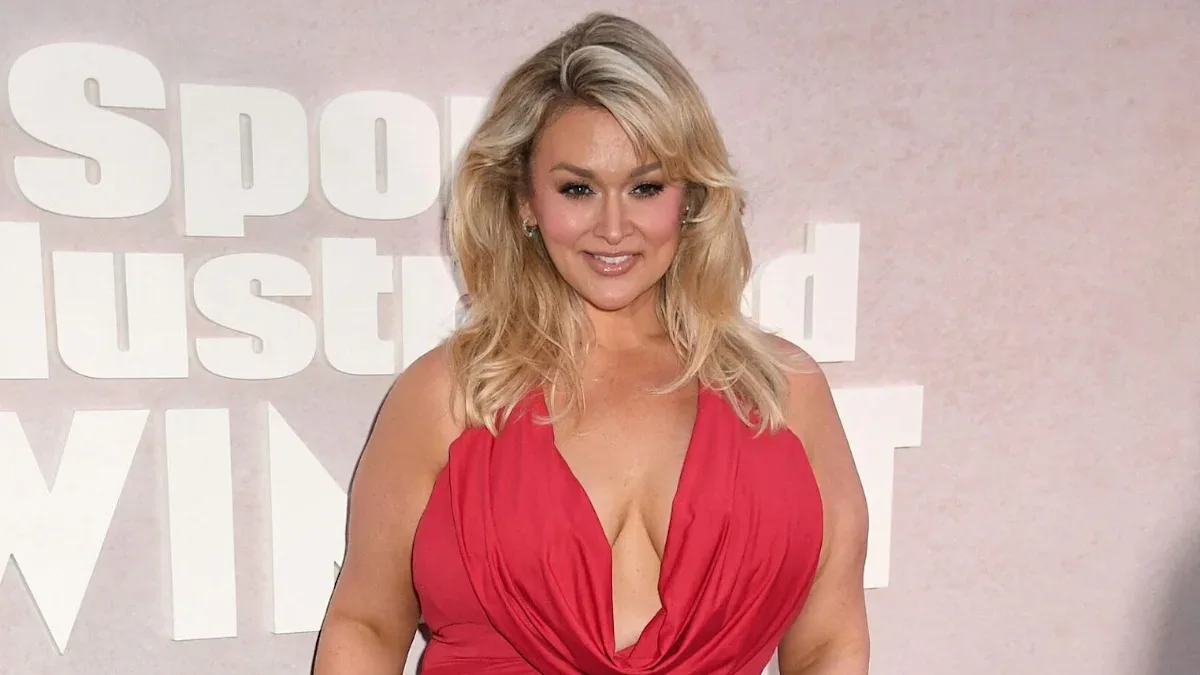

The fashion industry has long been a battleground for body positivity and representation. For years, advocates and models have pushed for a more inclusive landscape, celebrating diverse body types. However, a recent sentiment from a prominent figure in the plus-size modeling world suggests that progress may be faltering. Hunter McGrady, a well-known plus-size model and Sports Illustrated Swimsuit alum, has voiced her concerns about a noticeable 'backslide' in the fashion industry's commitment to representing larger bodies. This sentiment comes at a time when weight loss medications, such as GLP-1 agonists, are gaining significant traction, prompting a broader conversation about body image, societal pressures, and the evolving definition of inclusivity.
Shifting Tides in Fashion Representation
Hunter McGrady, in a candid interview, described a disheartening trend she's observed in the fashion industry. She noted that some brands, which previously featured and hired her, have seemingly scaled back or entirely removed their plus-size offerings. This retraction, she believes, represents a step backward for inclusivity, especially when compared to previous years where she felt a stronger embrace of diverse body types.
McGrady's observations highlight a critical issue: the fragility of progress in representation. While strides have been made in bringing more diverse models to the forefront, these gains can be easily eroded if brands do not remain committed. The impact of this is deeply felt by individuals who rely on these brands for clothing that fits and makes them feel seen and valued. For McGrady, preparing for events like those associated with Sports Illustrated Swimsuit became a source of distress due to a perceived lack of available and stylish options for her body size.
The Impact on Self-Esteem and Visibility
The lack of representation in fashion extends beyond mere clothing choices; it affects self-esteem and the sense of belonging. When individuals do not see themselves reflected in the media and on store shelves, it can reinforce feelings of being an outsider or that their bodies are not worthy of being showcased. McGrady's message, shared on social media, powerfully affirmed that people in larger bodies deserve visibility and access to fashion. This is not just about aesthetics; it's about dignity and the right to participate fully in cultural and consumer spaces.
Her call to consumers not to 'shrink to fit shifting trends' is a potent reminder that the pressure to conform to ever-changing beauty standards can be detrimental. Instead, she advocates for a cultural shift where fashion adapts to embrace all bodies, rather than expecting individuals to contort themselves to fit fleeting trends.
Understanding the Role of GLP-1 Medications
The conversation around body representation is further complicated by the increasing prevalence and discussion of weight loss medications, particularly GLP-1 agonists. These medications, originally developed for managing type 2 diabetes, have shown significant efficacy in promoting weight loss, leading to their widespread use for obesity management and aesthetic goals.
McGrady clarified that her concern is not with the existence or use of these medications themselves, but rather with the cultural response and the potential implications for body diversity. The rise of these drugs, while offering a medical solution for some, could inadvertently contribute to a societal narrowing of what is considered an 'acceptable' or 'ideal' body type. If the focus shifts heavily towards weight loss as the primary health or beauty metric, it risks marginalizing those who do not achieve or desire significant weight reduction, or whose bodies naturally fall outside a narrower ideal.
GLP-1 Medications and Their Societal Impact
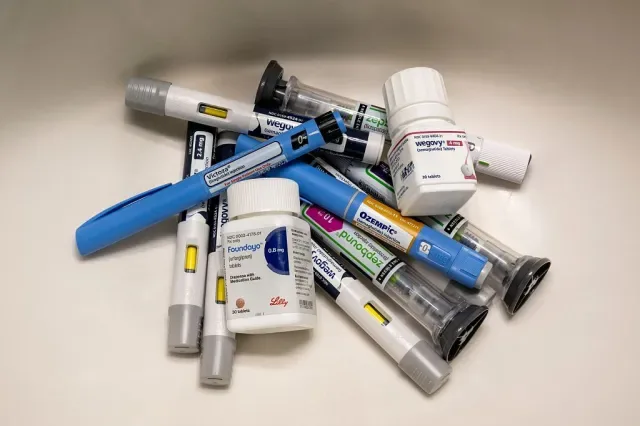
GLP-1 medications, such as semaglutide (found in Ozempic and Wegovy) and tirzepatide (found in Mounjaro and Zepbound), work by mimicking hormones that regulate appetite and blood sugar. Their effectiveness in weight management has made them a topic of widespread discussion and a significant factor in the current health and wellness landscape.
However, the societal implications are vast. The ease with which these medications can be prescribed, sometimes for non-medical reasons, raises questions about the underlying messages being sent about body weight and desirability. There's a risk that the narrative could shift from body acceptance to a pervasive pursuit of thinness, potentially exacerbating existing body image issues and eating disorders.
Precision tracking for your journey
Join thousands using Shotlee to accurately track GLP-1 medications and side effects.
📱 Get the Shotlee App
Track your GLP-1 medications, peptides, and health metrics on the go with our mobile app!
| Medication Class | Examples | Primary Use | Observed Effect |
|---|---|---|---|
| GLP-1 Receptor Agonists | Semaglutide (Ozempic, Wegovy), Liraglutide (Saxenda) | Type 2 Diabetes, Chronic Weight Management | Significant appetite reduction and weight loss |
| GIP and GLP-1 Receptor Agonists | Tirzepatide (Mounjaro, Zepbound) | Type 2 Diabetes, Chronic Weight Management | Potent appetite reduction and substantial weight loss |
Advocating for Continued Inclusivity
McGrady's stance is a powerful call to action for the fashion industry and society at large. It emphasizes that inclusivity should be a fundamental principle, not a trend that waxes and wanes with popular sentiment or medical advancements. The presence of effective weight loss medications should not diminish the importance of celebrating and catering to the full spectrum of human body shapes and sizes.
The fight for representation requires ongoing effort from brands, designers, and consumers. Brands must actively commit to diverse sizing, marketing campaigns that feature a variety of bodies, and partnerships with models who represent their customer base. Consumers, too, play a role by supporting brands that champion inclusivity and by speaking out against practices that promote exclusion.
The Role of Health Tracking and Personal Journeys
For individuals navigating their own health journeys, whether that involves medical interventions like GLP-1 medications or focusing on lifestyle changes, the emphasis on self-acceptance remains paramount. Tools like Shotlee can be invaluable in this process, allowing users to meticulously track their progress, monitor symptoms, manage medication doses, and log various health data points. This personalized approach to health management can empower individuals to make informed decisions about their well-being, regardless of their body size or their chosen path to health.
It's crucial to remember that health is multifaceted and not solely defined by weight. Promoting a holistic view of health that includes mental well-being, physical activity, and balanced nutrition is essential. This perspective helps to ensure that advancements in medical treatments do not overshadow the fundamental need for a society that values and respects all bodies.
Looking Ahead: A Balanced Approach
The conversation initiated by Hunter McGrady is timely and necessary. It prompts a critical examination of where the fashion industry stands on inclusivity and how the rise of GLP-1 medications might influence societal perceptions of body image. The ideal scenario is one where medical advancements support individual health goals without compromising the broader movement towards body acceptance and diverse representation.
Ultimately, the goal should be a culture that embraces diversity in all its forms, where individuals feel confident and empowered in their own skin, and where fashion serves as a tool for self-expression for everyone, regardless of their size or their medical history. This requires a continued dialogue, conscious effort from industry leaders, and a commitment to celebrating the beauty and value of every body.
Practical Takeaways:
- Support brands that actively promote plus-size fashion and diverse representation.
- Advocate for inclusivity by sharing your experiences and supporting relevant movements.
- Focus on a holistic view of health that encompasses physical, mental, and emotional well-being.
- If using GLP-1 medications, consult with healthcare professionals and prioritize self-acceptance throughout your journey.
- Utilize tools like Shotlee to track personal health metrics and stay informed about your progress.
Conclusion
Hunter McGrady's powerful message serves as a vital reminder that the pursuit of inclusivity in fashion is an ongoing endeavor. As GLP-1 medications become more prevalent, it is essential to ensure that this progress is not undermined. The fashion industry must recommit to representing all body types, and society as a whole must champion a culture of acceptance that celebrates diversity rather than narrowing its definition. By fostering an environment where everyone feels seen, valued, and stylish, we can move towards a more equitable and body-positive future.