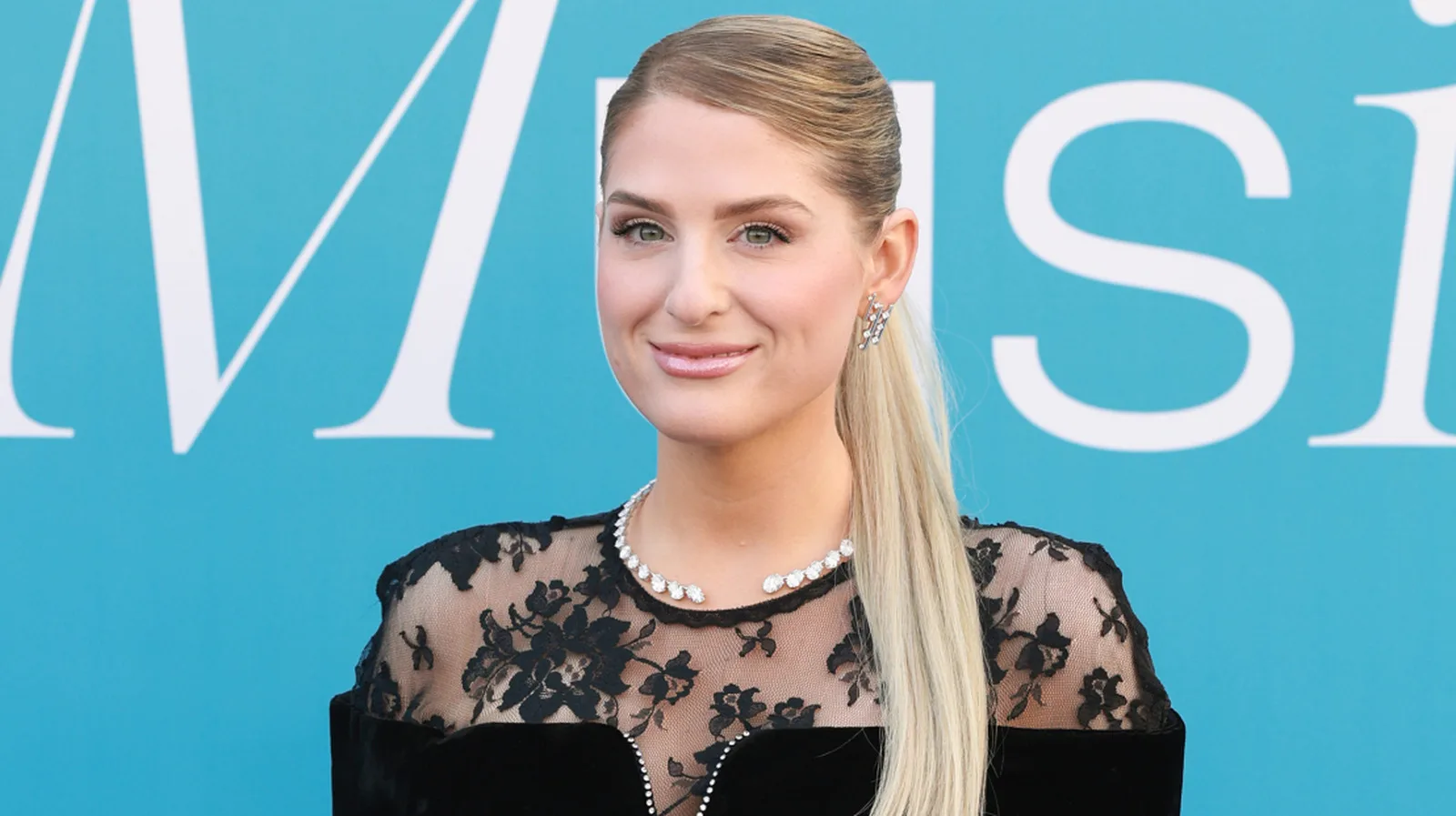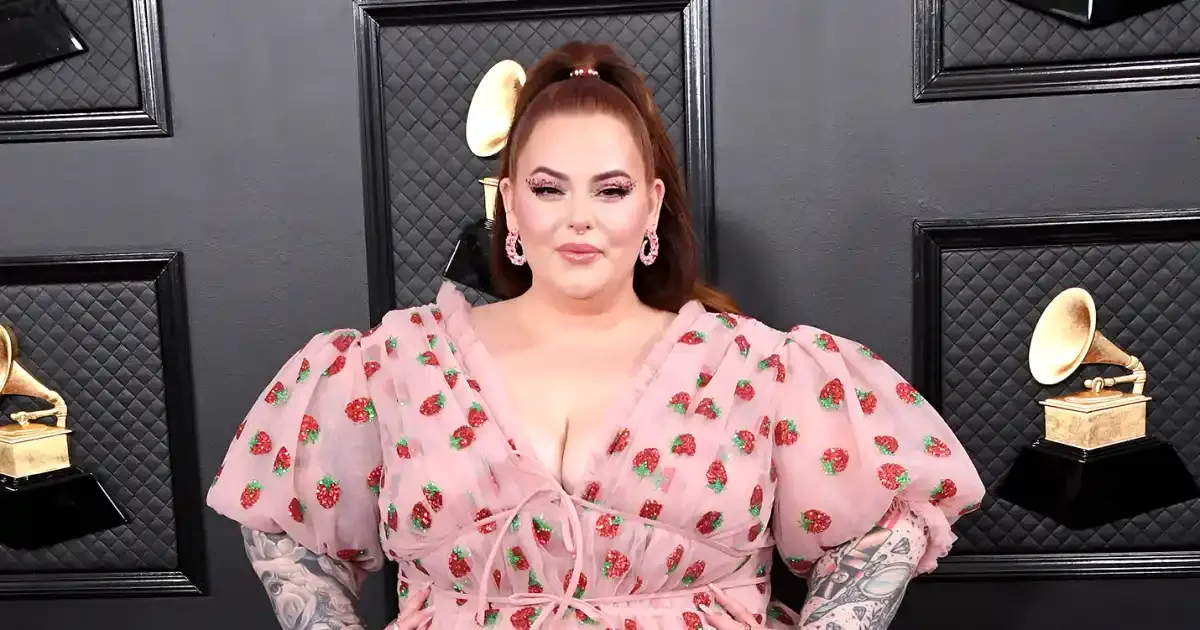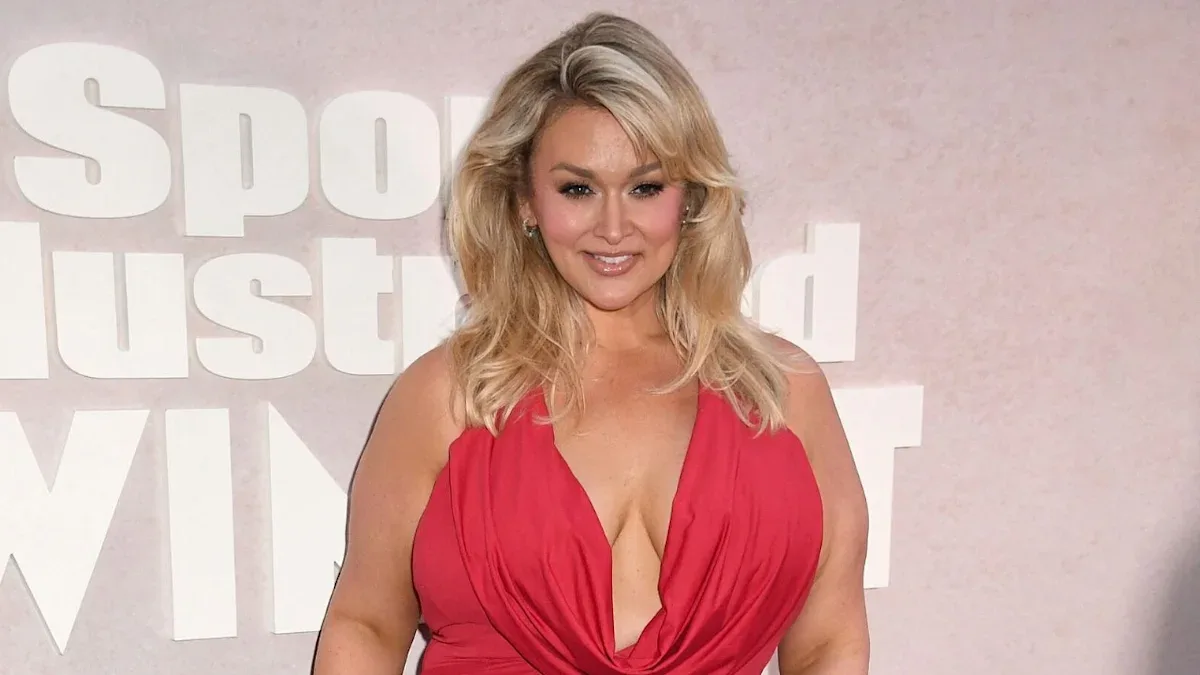

In an era where medical advancements like GLP-1 medications are increasingly discussed for their impact on weight management, the conversation around body image and inclusivity is more critical than ever. Hunter McGrady, a celebrated plus-size model known for her appearances in Sports Illustrated Swimsuit and publications like Glamour and Teen Vogue, has voiced significant concerns about a perceived "backslide" in body positivity. Her candid remarks highlight a growing tension between celebrating diverse body types and the societal embrace of rapid weight loss, often facilitated by new pharmaceutical options.
The Shifting Sands of Body Inclusivity
McGrady, who graced a Sports Illustrated Swimsuit cover in 2024, observed a subtle yet pervasive shift away from genuine inclusivity starting around that same year. While her own body was being celebrated, she noticed a broader industry trend toward prioritizing smaller sizes and a narrative that seemed to emphasize shrinking over acceptance. This wasn't a sudden, overt change but rather a series of "hundred small signals" that indicated a move back towards narrower beauty standards.
"The shift wasn't loud at first. It wasn't one headline or campaign. It was a hundred small signals where suddenly the conversation became less about inclusion and more about shrinking again," McGrady recalled in an interview. "Quietly behind the scenes, brands started pulling sizes. They started taking away plus sizes, in-store and online. You'd go in and see less and less plus-size representation, or just representation in general. Slowly, we started seeing the same body ideals re-emerge and the same narratives being rewarded."
This trend was particularly jarring for McGrady, as the very brands that had provided her with professional opportunities began to phase out the sizes that represented her and many others. The feeling of seeing the progress made in body acceptance seemingly erode was, in her words, "jarring" and "shocking."
GLP-1 Medications: A Tool, Not the Sole Problem
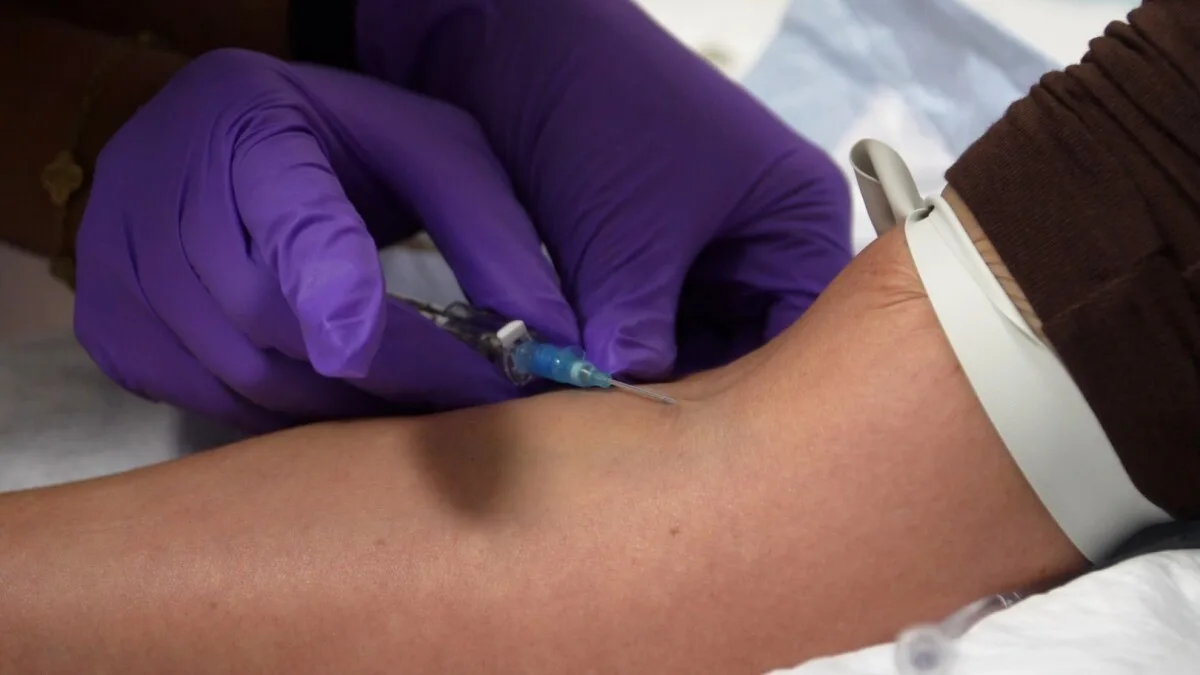
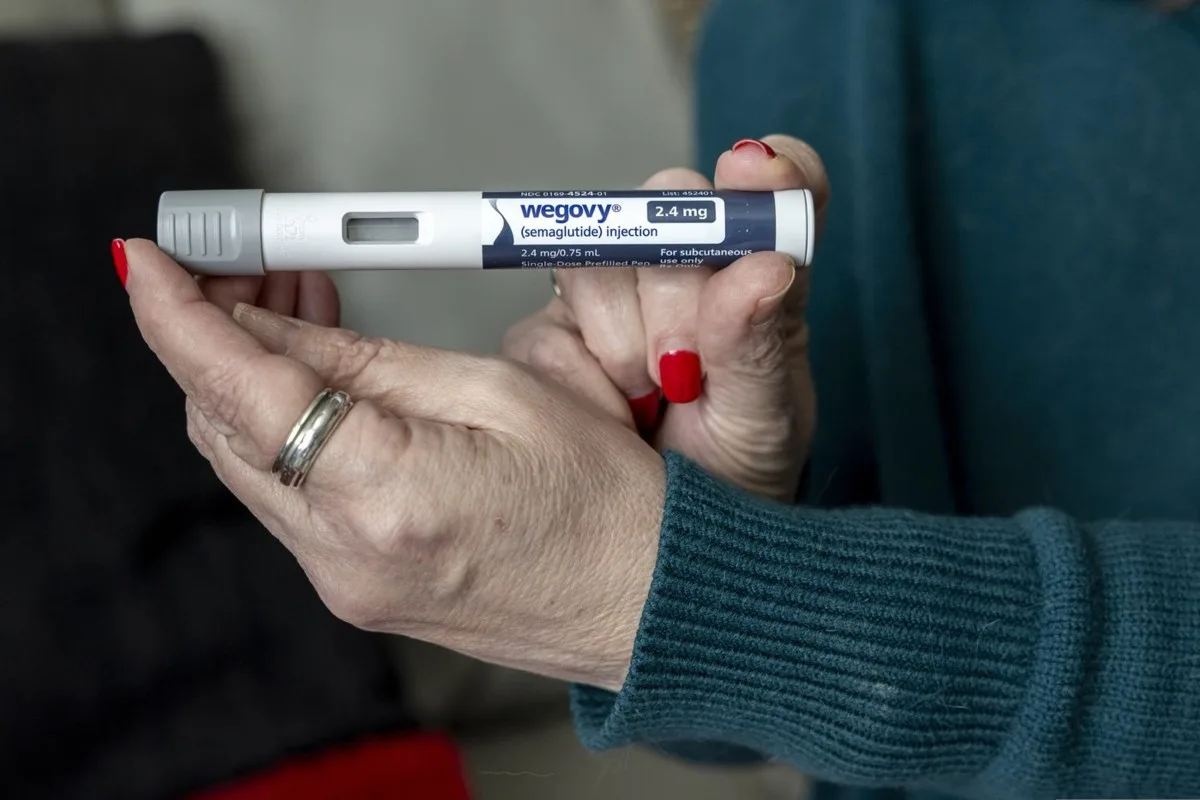
The rise in popularity of GLP-1 receptor agonists—medications like semaglutide (found in Ozempic and Wegovy) and tirzepatide (found in Mounjaro and Zepbound)—has coincided with this cultural shift. However, McGrady is careful to distinguish between the medications themselves and the societal reaction to them. She emphasizes that GLP-1s are not inherently the issue.
"I don't think GLP-1s are the problem. For so many people, they've improved health, lowered inflammation, lowered blood pressure and changed lives. That's worth celebrating. What concerns me is the cultural response."
McGrady points out that these medications can offer significant health benefits for many individuals, including improved metabolic markers, reduced inflammation, and better blood pressure control. These are outcomes that should be celebrated as part of a holistic approach to health. The concern arises from how society interprets and reacts to the weight loss these drugs can facilitate.
The Cultural Response: Equating Smallness with Better Health
The core of McGrady's concern lies in the cultural tendency to equate a smaller body size with improved health or overall betterment. She argues that this is a dangerous oversimplification.
"The question I always get asked is whether people should be taking GLP-1s. To me, that's not the question. The question is: Why, as a culture, are we so quick to equate getting smaller with getting better? Those are not always the same thing," McGrady explained. "The second we treat those things as interchangeable, we stop having a conversation about health, and we start having a conversation about body size again. That's the issue."
This perspective underscores the need to differentiate between genuine health improvements and the societal pressure to achieve a certain aesthetic. While weight loss can be a byproduct of improved health, it should not be the sole metric by which health is judged, nor should it be the only celebrated outcome of medical interventions.
Precision tracking for your journey
Join thousands using Shotlee to accurately track GLP-1 medications and side effects.
📱 Get the Shotlee App
Track your GLP-1 medications, peptides, and health metrics on the go with our mobile app!
Visibility and the Right to Exist in Larger Bodies
McGrady's message extends beyond the fashion industry to a broader assertion of the right for people in larger bodies to exist fully and be seen. In a powerful Instagram post, she articulated that the increased use of GLP-1s does not diminish the presence or worth of individuals in larger bodies.
"The rise of GLP1s does not erase the existence of people in larger bodies. It does not suddenly make fat people unworthy of fashion, visibility, luxury, desirability, or self expression. We are still here. We have always been here. And we deserve beautiful things," McGrady wrote. "We deserve to attend events, celebrations, red carpets, weddings, dinners, and everyday moments without the humiliation of wondering if anyone made something with our bodies in mind. I know these women exist because I AM ONE OF THEM!"
This sentiment was amplified by her personal experience preparing for events related to the latest Sports Illustrated Swimsuit issue. The process of finding suitable and fashionable clothing proved to be a "devastating" reminder of the persistent lack of options and the exhaustion that comes with it.
"The lack of options. The exhaustion. The feeling of realizing that even after all this 'progress,' so much of the industry still sees inclusivity as expendable the second it stops trending," she shared. "This moment requires more than silence and performative campaigns. It requires a cultural shift. And that shift starts with us."
A Call for Cultural and Consumer Change
As the fashion world appears to be leaning back towards the slender aesthetics prevalent in the early 2000s, McGrady urges consumers to resist this narrative. She advocates for a refusal to "shrink" oneself to fit fleeting fashion trends or societal expectations.
The core of her message is a powerful declaration:
- Representation is not a trend.
- Inclusivity is not a marketing phase.
- Access to fashion should never be reserved for only certain bodies.
- We deserve more than limited options and conditional acceptance.
McGrady's stance is a vital reminder that true progress in body image and inclusivity requires sustained effort and a fundamental shift in how we value individuals, irrespective of their size or their use of medical aids for health management. For those navigating their health journeys, whether through lifestyle changes, medical treatments like peptide therapy or GLP-1s, or simply seeking to feel confident in their skin, the message is clear: health and worth are multifaceted, and inclusivity must remain a priority.
Tracking your progress, understanding your body's response to treatments, and maintaining a positive self-image are all crucial aspects of a healthy lifestyle. Tools that help monitor these elements, like those offered by Shotlee, can support individuals in their personal health journeys while advocating for a more inclusive world.
Practical Takeaways
Hunter McGrady's powerful message offers several key takeaways for individuals and the broader culture:
- Prioritize Health Over Size: Focus on overall well-being, not just the number on the scale. GLP-1s and other treatments can be beneficial for health, but the cultural obsession with shrinking needs to be addressed.
- Advocate for Inclusivity: Support brands and media that genuinely represent diverse body types. Your choices as a consumer have power.
- Challenge Narrow Beauty Standards: Recognize that trends in beauty are often fleeting, but the inherent worth of every individual is constant.
- Seek Authentic Self-Expression: Don't feel pressured to conform to societal expectations of size. Embrace fashion and self-expression that makes you feel good.
- Support Holistic Health: Understand that health markers like blood pressure and inflammation are as important as weight.
Conclusion
Hunter McGrady's insights serve as a crucial call to action in a time of evolving medical treatments and persistent societal pressures. Her advocacy for inclusivity challenges us to look beyond the scale and celebrate the multifaceted nature of health and human worth. As the conversation around GLP-1 medications continues, it is imperative that we foster a culture that prioritizes well-being, embraces diversity, and ensures that everyone, regardless of body size, feels seen, valued, and empowered to live their fullest lives.