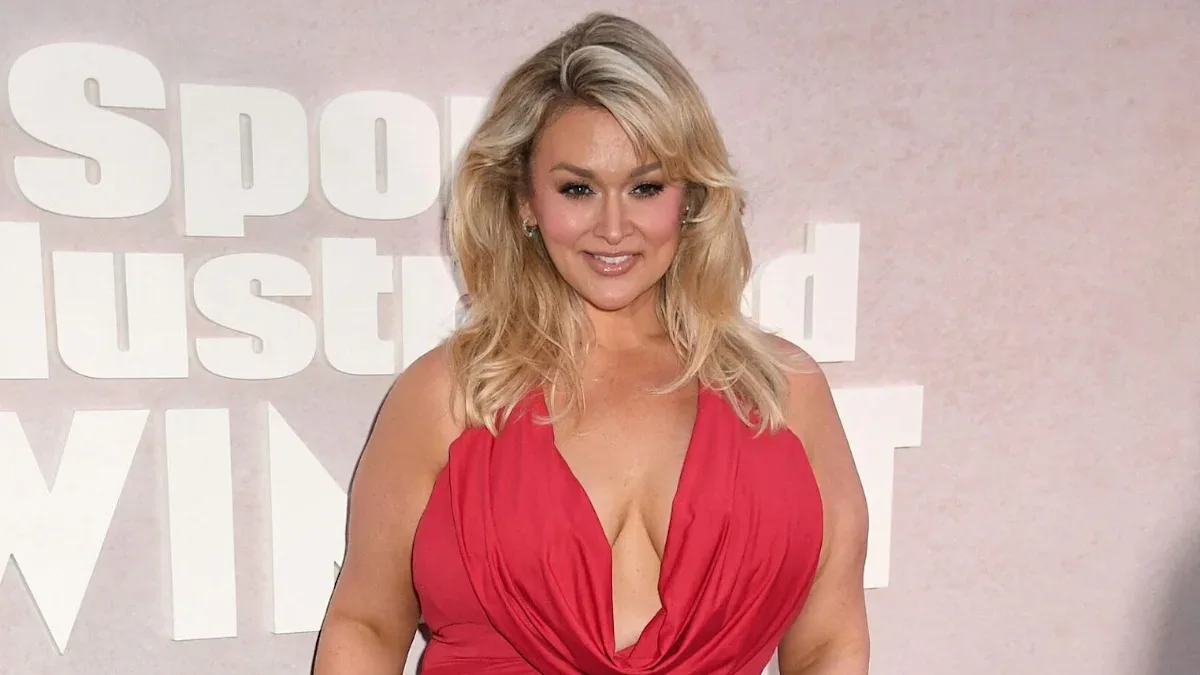

In a candid TikTok video posted on Thursday, February 26, plus-size model and body positivity icon Tess Holliday opened up about her attempt to secure life insurance, only to face denial based purely on her weight. At 5 foot 3 and weighing over 300 pounds, Holliday was deemed ineligible, sparking a broader conversation on weight stigma, flawed health metrics like BMI, and the cultural pressures amplified by popular GLP-1 medications such as Ozempic, Wegovy, and Mounjaro.
Tess Holliday's Personal Experience with Insurance Denial
Holliday, a 40-year-old non-smoker and non-drinker with no pre-existing health issues or medications, expressed surprise and resignation in her video. "I'm sorry, yes. I did think that I could get life insurance as a 40-year-old, non-smoking, non-drinking, non-health-issue-having human," she said. "That was honestly my bad. That was my bad. I know."
She acknowledged her size but emphasized her healthy habits: "Um, am I 5 foot 3 and do I weigh over 300 pounds? And apparently that makes me ineligible for, uh, life insurance. Yeah, it does. It does. Do I work out every single day and have no pre-existing conditions or take any kind of medication? Yeah, I do. But hey, I also understand that the medical industrial complex um, you know, is fatphobic and inherently, uh, the system is broken."
Holliday concluded by taking responsibility in her own words: "And honestly, it won't happen again. Um, that lesson [is] learned." Her story underscores a harsh reality for many in larger bodies navigating insurance and healthcare systems.
The Flaws in BMI as a Health Metric
It is not uncommon for insurance companies to deny applicants based on their body mass index (BMI) or weight, despite recent studies showing that the metric is flawed and does not adequately assess a person's health. BMI, calculated as weight in kilograms divided by height in meters squared, categorizes individuals into underweight, normal, overweight, or obese ranges. However, critics in metabolic health argue it fails to account for muscle mass, bone density, fat distribution, or overall fitness levels.
For context, someone like Holliday—who works out daily—might have a high BMI due to muscle or simply body composition, yet exhibit excellent metabolic markers like normal blood pressure, cholesterol, and glucose levels. Waist-to-height ratio or body fat percentage measured via DEXA scans often provide more accurate insights into cardiometabolic risk than BMI alone. This misalignment explains why active individuals over a certain weight threshold face barriers, even without comorbidities.
Practical Guidance for Overweight Applicants
- Document Your Health Metrics: Gather recent bloodwork, fitness logs, and physician notes showing no issues to challenge denials.
- Shop Multiple Providers: Some insurers use more holistic underwriting, considering lab results over BMI.
- Discuss with a Doctor: Get a formal assessment of metabolic health to bolster applications.
Weight Stigma in Healthcare: Evidence from Recent Studies
A 2024 study found that 80 percent of patients living with obesity experienced stigma, judgment, and shame while attempting to navigate various healthcare settings. This pervasive bias affects everything from routine check-ups to insurance approvals, leading to delayed care and poorer outcomes. Holliday's encounter exemplifies how weight alone can override other positive health indicators, perpetuating a cycle of discrimination.
In metabolic health contexts, such stigma discourages patients from seeking preventive care, ironically worsening risks associated with unmanaged conditions like type 2 diabetes or cardiovascular disease—issues GLP-1 therapies aim to address.
#EffYourBeautyStandards: Holliday's Body Positivity Legacy
Holliday has been a fierce body positive advocate since she launched the #effyourbeautystandards movement via Instagram in 2013. The movement challenged societal pressures to conform to narrow beauty ideals, emphasizing self-acceptance over weight loss.
Precision tracking for your journey
Join thousands using Shotlee to accurately track GLP-1 medications and side effects.
📱 Get the Shotlee App
Track your GLP-1 medications, peptides, and health metrics on the go with our mobile app!
On February 17, the movement's official Instagram account announced a relaunch: "We started Eff Your Beauty Standards in 2013 because we were tired of being told our bodies were problems to fix instead of lives to honor." The post continued, "What began as a hashtag became a place where people could feel seen. Then it became a community. Then a movement. We went quiet, not because the work was done, but because we needed time to grow, to heal, and to imagine what this could become in a world that keeps trying to erase us."
"We are coming back now because diversity, bodily autonomy, and human rights are under attack. The work is far from over and the people who found safety here deserve that space again." This resurgence aligns with Holliday's insurance story, positioning body positivity as a counter to systemic fatphobia.
GLP-1 Drugs and the Resurgence of Weight Loss Culture
Currently, Hollywood is arguably experiencing a resurgence of thinned-down looks as semaglutides, a.k.a. GLP-1 drugs, like Ozempic, Wegovy, and Mounjaro gain in popularity and drop in price. These glucagon-like peptide-1 receptor agonists mimic gut hormones to regulate appetite, slow gastric emptying, and improve insulin sensitivity, leading to significant weight loss and metabolic benefits for many.
Celebrities including Serena Williams, Rebel Wilson, Amy Schumer, and Lizzo have been open about using these weight loss drugs to shrink in size and manage their mental and physical health. While GLP-1s offer evidence-based support for obesity-related conditions, their mainstream adoption has fueled a pro-weight-loss culture that some argue reinforces stigma.
Balancing Benefits and Cultural Impacts
Clinically, GLP-1 medications reduce risks for heart disease, stroke, and type 2 diabetes in eligible patients. However, for those without metabolic issues—like Holliday—the push to "shrink" bodies can invalidate healthy experiences at higher weights. Tools like symptom trackers (e.g., Shotlee for monitoring GLP-1 side effects or daily wellness) can help users focus on personalized health data over scales.
Safety notes: Common side effects include nausea and gastrointestinal discomfort, but long-term data supports cardiovascular protection. Always consult a provider for suitability.
Expert Perspectives: Virgie Tovar on Weight Stigma
Cultural critic Virgie Tovar, an ambassador for Weight Stigma Awareness Week, highlighted the human cost of these shifts. "There are real-life, real-world human impacts for cultural shifts around the pro-weight-loss culture that we're in right now because of GLP-1s and the way they're being marketed," she shared via Instagram after experiencing fat-shaming at New York Fashion Week 2025.
Tovar added, "Ending weight stigma is the only way to end weight stigma. Asking people to shrink their bodies is NOT ending weight stigma. It is REINFORCING weight stigma," in a January 29 Instagram post.
Key Takeaways: What This Means for Patients
- Tess Holliday's denial illustrates how BMI-driven policies overlook individual health.
- 80% of obese patients face stigma, per 2024 research—advocate for comprehensive assessments.
- Body positivity movements like #EffYourBeautyStandards combat erasure amid GLP-1 trends.
- GLP-1 drugs like Ozempic aid metabolic health but risk amplifying cultural biases.
- Actionable Steps: Prioritize metabolic markers (e.g., A1C, lipids) over weight; explore stigma-aware providers; track personal data for empowerment.
Conclusion
Tess Holliday's life insurance denial at over 300 pounds exposes cracks in a weight-obsessed system, even for fit individuals. By preserving her narrative alongside BMI critiques, stigma data, and GLP-1 context, this guide equips readers to navigate healthcare thoughtfully. Focus on holistic metabolic health, challenge biases, and honor all bodies—discuss with your doctor for personalized insights.