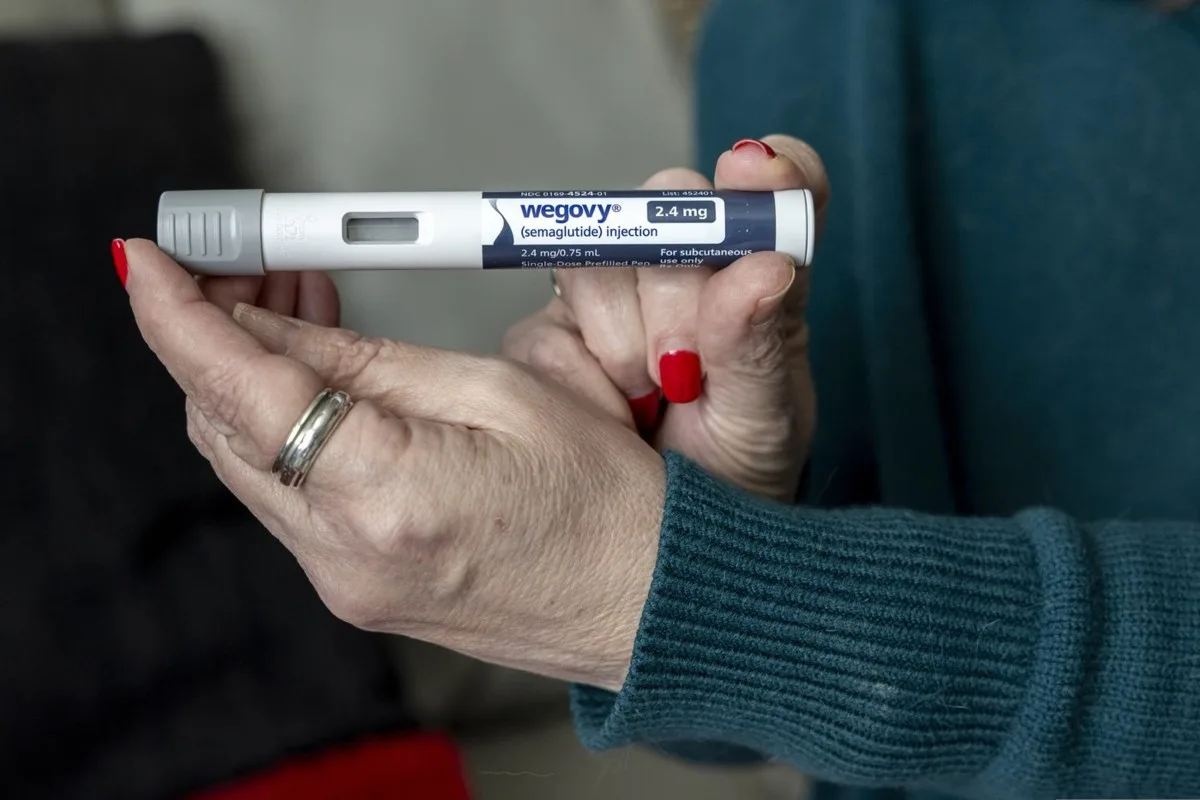

The world of weight management has been revolutionized by the advent of GLP-1 receptor agonists. Medications like Ozempic, Wegovy, Mounjaro, and Zepbound have captured significant attention, promising effective solutions for individuals struggling with obesity and related health conditions. However, the narrative surrounding these groundbreaking therapies is often dominated by easily digestible headlines that may not tell the whole story. As new oral formulations and injectable options enter the market, understanding the true competitive landscape and patient access requires looking beyond the surface-level data.
The GLP-1 Revolution: More Than Just a Headline
Novo Nordisk's Wegovy (semaglutide) has been a frontrunner in the GLP-1 weight loss arena, and recent pharmacy data suggested its oral pill was outpacing rivals at a similar stage of launch. While a compelling headline, this metric comes with substantial qualifications that paint a more complex picture. The raw prescription numbers, while impressive, often fail to capture the full breadth of market dynamics, patient accessibility, and the intricate competitive strategies at play. The GLP-1 market is not just about who sells the most pills; it's about who can effectively reach and serve the diverse needs of patients seeking sustainable weight management solutions.
The excitement around these medications is understandable. For many, they represent a new hope in a long battle with weight. However, as with any rapidly evolving medical field, it's crucial to approach the information with a critical eye. The journey from initial launch to widespread adoption is fraught with challenges, including manufacturing capacity, insurance coverage, patient affordability, and the introduction of competing therapies. A deeper dive into the data, including how prescriptions are tracked and what patient populations are included, is essential for a comprehensive understanding.
Navigating the Nuances of Prescription Data
Pharmacy data can be a powerful tool for understanding drug performance, but its interpretation requires careful consideration. For instance, a recent comparison highlighting Wegovy's pill launch success explicitly excluded direct-to-patient cash-pay channels. This is a significant omission, as many patients choose to self-fund their weight-loss medications, making these cash-pay routes a vital distribution channel. By excluding this segment, the headline metric presents an incomplete market picture, potentially overstating the drug's reach within a broader patient demographic.
Furthermore, internal demand dynamics within a specific drug's formulations offer critical insights. In the case of Wegovy's pill, a decline in prescriptions for its lowest-dose formulation, even during a post-holiday period typically associated with increased health focus, suggests underlying market softness. This could indicate price sensitivity among patients or a migration towards alternative therapies that may offer better value or perceived efficacy at higher price points. Such internal trends are often more telling than broad, comparative launch figures.
The Role of Patient Access and Affordability
The cost of GLP-1 medications remains a significant barrier for many patients. While insurance coverage is improving, it is not universal, and out-of-pocket expenses can be substantial. This financial aspect directly influences prescription patterns and can drive patients towards more affordable options, including generics or alternative drug classes, if available. Understanding how these drugs are accessed – whether through insurance, cash-pay, or patient assistance programs – is paramount to grasping their true market penetration.
Shotlee can play a crucial role here by allowing individuals to meticulously track their medication costs, insurance reimbursements, and out-of-pocket expenses. This granular data can empower patients to have more informed conversations with their healthcare providers and insurers, advocating for the most cost-effective treatment plan.
Emerging Competitors and Evolving Market Dynamics
The competitive landscape is not static. Eli Lilly's tirzepatide, marketed as Mounjaro for diabetes and Zepbound for weight loss, has rapidly emerged as a formidable competitor. While it's still early days for some of these newer entrants, initial prescription data offers glimpses into their trajectory. For example, Zepbound, launched just weeks prior to some analyses, reached a significant number of prescriptions within its initial weeks. However, as with Wegovy, direct comparisons require careful interpretation. Citi analysts have cautioned that pharmacy capture rates can vary considerably, making it premature to draw definitive conclusions about market dominance based on early-launch figures alone.
This mirrors the concept of a compelling headline followed by detailed caveats that complicate the narrative. Investors and observers often focus on the headline numbers, but a deeper understanding requires absorbing these qualifications. The GLP-1 race is a dynamic one, with ongoing research, new product approvals, and evolving patient needs constantly reshaping the market.
Precision tracking for your journey
Join thousands using Shotlee to accurately track GLP-1 medications and side effects.
📱 Get the Shotlee App
Track your GLP-1 medications, peptides, and health metrics on the go with our mobile app!
Key Players in the GLP-1 Weight Loss Arena
The primary medications currently driving the GLP-1 weight loss market include:
- Wegovy (semaglutide): Developed by Novo Nordisk, this injectable medication has been a cornerstone of GLP-1 therapy for weight loss.
- Zepbound (tirzepatide): Eli Lilly's entrant, tirzepatide, is a dual GIP and GLP-1 receptor agonist, offering a potentially distinct mechanism of action.
- Mounjaro (tirzepatide): Also from Eli Lilly, Mounjaro is approved for type 2 diabetes but is widely used off-label for weight loss due to its efficacy.
- Ozempic (semaglutide): Primarily approved for type 2 diabetes, Ozempic is also frequently prescribed off-label for weight loss, similar to Mounjaro.
The distinction between approvals for diabetes versus weight loss, and the common practice of off-label prescribing, adds another layer of complexity to tracking market share and true therapeutic application.
Tracking Progress: The Importance of Comprehensive Health Data
For individuals managing their weight with these medications, consistent tracking of progress is vital. This includes not only weight fluctuations but also adherence to dosage schedules, management of potential side effects, and overall well-being. Tools like Shotlee can be invaluable in this regard, providing a centralized platform to log:
- Dosage information: Ensuring accurate and timely administration of medication.
- Symptom tracking: Documenting any side effects experienced, such as nausea, constipation, or fatigue, to share with healthcare providers.
- Weight and body measurements: Monitoring progress towards weight loss goals.
- Lifestyle factors: Recording diet, exercise, and sleep patterns to understand their impact on weight management.
By maintaining a detailed health log, patients can gain a clearer understanding of their individual response to treatment and work more effectively with their medical team to optimize their care plan.
The Investor's Dilemma: Headlines vs. Fundamentals
For investors, the GLP-1 market presents a significant opportunity, but also a challenge in discerning true value. The temptation to rely on headline prescription numbers is strong, but as discussed, these figures can be misleading. A more thorough analysis requires understanding the underlying fundamentals:
Key Considerations for Market Analysis
| Factor | Description | Impact on Market Perception |
|---|---|---|
| Prescription Data Inclusions | Whether cash-pay channels and other non-traditional routes are captured. | Exclusion can inflate perceived market share for specific channels. |
| Internal Formulation Performance | Trends within different doses or formulations of a single drug. | Weakness in lower doses may signal price sensitivity or patient preference shifts. |
| Competitive Landscape Evolution | The introduction of new drugs and their market penetration rates. | Rapid adoption of new therapies can quickly alter market share. |
| Patient Access & Affordability | Insurance coverage, co-pays, and out-of-pocket costs. | High costs can limit uptake, regardless of clinical efficacy. |
| Manufacturing & Supply Chain | The ability of manufacturers to meet demand. | Supply constraints can artificially limit sales and market growth. |
The question for the market is whether it will engage in the harder work of reading the fine print, or continue to be swayed by simplified, often incomplete, headlines. The long-term success of these therapies will depend on their ability to overcome these complexities and deliver sustained value to patients.
Practical Takeaways
For patients considering or currently using GLP-1 medications:
- Discuss all access channels with your doctor: Understand how your prescription will be filled and what costs to expect.
- Track your symptoms diligently: Use tools like Shotlee to log any side effects and share this information with your healthcare provider.
- Monitor your progress holistically: Beyond weight, track how you feel, your energy levels, and other health indicators.
- Be aware of the evolving market: Stay informed about new developments and competitor drugs, and discuss options with your doctor.
Conclusion
The GLP-1 weight loss revolution is undeniably transformative, offering new avenues for individuals seeking to manage their weight and improve their health. However, the journey from initial launch to widespread, equitable access is complex. While headlines about prescription numbers and market leadership are attention-grabbing, they often mask a more intricate reality shaped by patient access, affordability, evolving competitive dynamics, and the careful interpretation of data. For healthcare providers, patients, and investors alike, a deeper, more nuanced understanding of these factors is crucial for navigating this exciting and rapidly developing field. By looking beyond the headlines and embracing the fine print, we can gain a clearer picture of the true impact and potential of GLP-1 therapies.