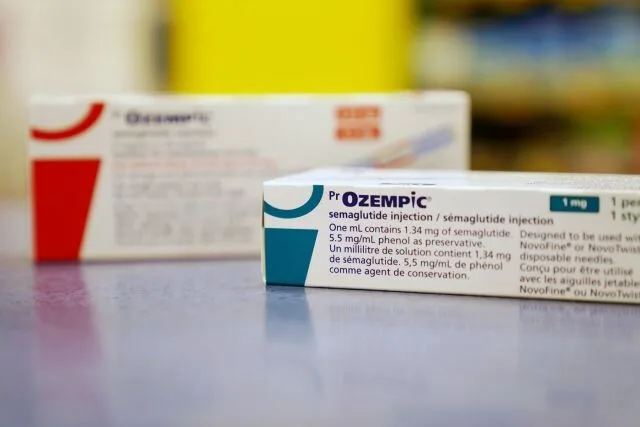

The landscape of weight management and metabolic health has been dramatically reshaped by the advent of GLP-1 receptor agonists. Medications such as semaglutide (found in Ozempic and Wegovy) and tirzepatide (found in Mounjaro and Zepbound) have moved from niche treatments to mainstream solutions, impacting millions worldwide. These powerful drugs offer significant benefits, including substantial weight loss and improved glycemic control. However, for individuals on this transformative path, understanding what to monitor beyond the scale is crucial for long-term success and overall health optimization.
Understanding the GLP-1 Revolution
GLP-1 receptor agonists mimic a natural hormone that plays a vital role in regulating appetite and blood sugar. When administered, they signal the brain to reduce hunger, slow down digestion, and enhance insulin secretion. This multi-faceted action leads to a significant reduction in calorie intake, often by as much as 40% in clinical trials, and a marked decrease in cravings for high-calorie, less nutritious foods.
The impact of these medications is profound. J.P. Morgan estimates that by 2030, as many as 25 million people could be using GLP-1 prescriptions. This surge represents a significant shift in consumer behavior, particularly within the food and beverage industry. Conventional grocery giants are already responding, launching specialized product lines and reformulating existing offerings to cater to the specific dietary needs and preferences of GLP-1 users. Companies like Nestlé with its Vital Pursuit frozen meals, Danone's acquisition of Huel and The Akkermansia Company, and Conagra's 'GLP-1 Friendly' labels on Healthy Choice meals are clear indicators of this industry-wide pivot.
Why Health Motivates GLP-1 Users
While weight loss is a primary outcome, research suggests that for many GLP-1 users, the core motivation is an overarching desire to eat healthier. A report by NBJ, "Supplements in the Ozempic Age," found that 56% of current users prioritized food quality over losing pounds (55%). This emphasis on health and quality aligns perfectly with the core tenets of the natural and organic products (NOP) industry. Consumers seeking GLP-1 therapy are often looking for nutrient-dense, minimally processed foods, and they are increasingly discerning about ingredient quality.
Key Metrics to Track on Your GLP-1 Journey
Embarking on a GLP-1 therapy is more than just taking a medication; it's a comprehensive lifestyle change. To maximize benefits and navigate potential challenges, diligent tracking is essential. This includes not only the obvious metrics but also subtle indicators of well-being.
1. Weight and Body Composition
This is often the most closely monitored aspect. Regular weigh-ins (e.g., weekly) provide tangible evidence of progress. However, it's important to look beyond the number on the scale. Tracking body composition, if possible, can reveal changes in muscle mass and fat percentage. Since GLP-1s can sometimes lead to muscle loss alongside fat loss, focusing on maintaining muscle through strength training and adequate protein intake is vital.
2. Dietary Intake and Cravings
GLP-1 medications significantly alter appetite and food preferences. Tracking what you eat, when you eat, and how you feel afterward can provide invaluable insights. Note any changes in cravings – are they for healthier options, or are certain less desirable foods still calling to you? Understanding these shifts helps in making informed dietary choices. For instance, identifying a reduced craving for sugary snacks might allow you to replace them with healthier alternatives like fruits or nuts.
Consider tracking:
- Calorie and macronutrient intake (protein, carbs, fats)
- Specific food choices and portion sizes
- Intensity and type of cravings
- How different foods make you feel (e.g., satiety, energy levels)
3. Gastrointestinal (GI) Symptoms
Nausea, vomiting, diarrhea, and constipation are common side effects, especially when starting or increasing the dose of GLP-1 medications. Diligent tracking of these symptoms, their severity, and their timing relative to medication intake can help your healthcare provider adjust your treatment plan. Sometimes, these symptoms can be managed with dietary adjustments, such as increasing fiber intake or choosing easily digestible foods.
4. Blood Glucose Levels
For individuals managing diabetes or pre-diabetes, monitoring blood glucose is paramount. GLP-1s significantly impact insulin sensitivity and glucose regulation. Regular blood sugar readings can help assess the medication's effectiveness and identify any patterns or fluctuations that require medical attention. This data is critical for fine-tuning both medication and diet.
Precision tracking for your journey
Join thousands using Shotlee to accurately track GLP-1 medications and side effects.
📱 Get the Shotlee App
Track your GLP-1 medications, peptides, and health metrics on the go with our mobile app!
5. Energy Levels and Mood
Weight loss and metabolic changes can profoundly affect overall energy levels and mood. While many experience increased vitality, some may face fatigue or mood swings. Tracking these subjective experiences can highlight the need for lifestyle adjustments, such as prioritizing sleep, incorporating gentle exercise, or seeking support for mental well-being.
6. Medication Adherence and Dosing
Consistency is key with GLP-1 therapies. Keeping a precise record of when you take your medication, the dosage, and any missed doses ensures you are following your prescribed regimen. This also helps in identifying if symptoms or side effects are linked to specific dosing schedules.
The Natural and Organic Advantage for GLP-1 Consumers
The natural and organic products (NOP) industry is uniquely positioned to serve the GLP-1 consumer. Unlike conventional grocery, which is scrambling to adapt, the NOP sector already offers a vast array of products that align with the health-conscious priorities of these individuals.
Built-in Solutions for Health-Focused Diets
The NOP has long championed whole foods, minimal processing, and avoidance of artificial additives – all of which are highly desirable for GLP-1 users. The industry's emphasis on:
- High Protein Content: Crucial for preserving muscle mass during weight loss.
- Fiber-Rich Foods: Aids digestion, promotes satiety, and supports gut health.
- Reduced Sugar and Refined Carbohydrates: Aligns with the dietary shifts encouraged by GLP-1s.
- Clean Ingredients: Focus on real, recognizable food items over artificial additives.
Furthermore, many NOP retailers employ nutritionists and health coaches who can provide personalized guidance to customers navigating their health goals, including those on GLP-1 therapy. This integrated approach to wellness is a significant differentiator.
The Supplement Opportunity
Supplements represent a significant area where the NOP already directly caters to GLP-1 consumers. Brands like Nature Made, Thorne, Pendulum, and HUM Nutrition are offering targeted products such as:
| Brand | Product Example | Key Benefit/Focus |
|---|---|---|
| Nature Made | GLP-1 Companion Health Pack | Comprehensive support for individuals on GLP-1 therapy. |
| Thorne | GLP-1 Support Stack | Formulated to complement GLP-1 medication. |
| Pendulum | GLP-1 Probiotic | Utilizes specific strains to support natural GLP-1 production. |
| HUM Nutrition | Flatter Me Fiber GLP-1 Booster | A powdered supplement designed to aid digestive health and GLP-1 support. |
These products highlight the growing recognition of the need for specialized nutritional support alongside GLP-1 medications. The NOP's established presence in the supplement market gives it a significant advantage in capturing this segment of consumers.
Practical Takeaways for Your Health Journey
For individuals managing their health with GLP-1 medications, proactive tracking is a powerful tool. Utilizing tools like the Shotlee app can help consolidate your health data, making it easier to monitor weight, symptoms, medication schedules, and dietary choices. This centralized approach empowers you to have more informed conversations with your healthcare provider and make better decisions about your well-being.
For the natural and organic industry, this represents a thrilling opportunity. By actively engaging with and marketing to the GLP-1 consumer, brands and retailers can leverage their existing strengths to meet the needs of a rapidly growing, health-conscious demographic. It's a chance to not only regain market share but to foster a deeper connection with consumers seeking optimal health.
Conclusion
The rise of GLP-1 medications marks a significant turning point in health and wellness. For individuals, success hinges on a holistic approach that includes diligent tracking of various health indicators. For the natural and organic sector, this trend presents an unprecedented opportunity to align its offerings with the evolving needs of consumers who prioritize health, quality, and nutrient-dense foods. By understanding what to track and recognizing the inherent advantages of the NOP market, both individuals and the industry can thrive in this new era of metabolic health.