
The Hype vs. The Science of Peptides
In recent years, the landscape of health and wellness has been inundated with a new buzzword: peptides. From anti-aging serums promising to erase wrinkles to injectable therapies claiming to regenerate torn ligaments or melt away stubborn fat, peptides are everywhere. For many, they represent the next frontier in biohacking and medical aesthetics. However, as interest surges, so does the confusion regarding their safety, efficacy, and regulatory status.
While some peptides are established, life-saving medications, others are sold in a regulatory gray area labeled "for research only." The U.S. Food and Drug Administration (FDA) is currently navigating a complex path, moving to expand access while former agency officials warn that loosening restrictions could undermine the rigorous drug approval process. This article explores the biology of peptides, the distinction between approved therapies and unregulated compounds, and how patients can safely navigate this evolving medical landscape.
What Exactly Are Peptides?
To understand the potential of peptide therapy, we must first understand the basic biology. According to Dr. Omar Awan, a medical contributor for Scripps News, peptides are not merely magical fountain-of-youth drugs. They are fundamental components of human biology. Peptides are defined as short-chain amino acids, which serve as the essential building blocks for proteins.
Think of peptides as messengers. They travel through your body to tell your cells exactly what to do. This communication system is vital for regulating critical bodily functions, including:
- Metabolism and energy expenditure
- Sleep cycles and circadian rhythms
- Weight management and appetite control
- Tissue regeneration and wound healing
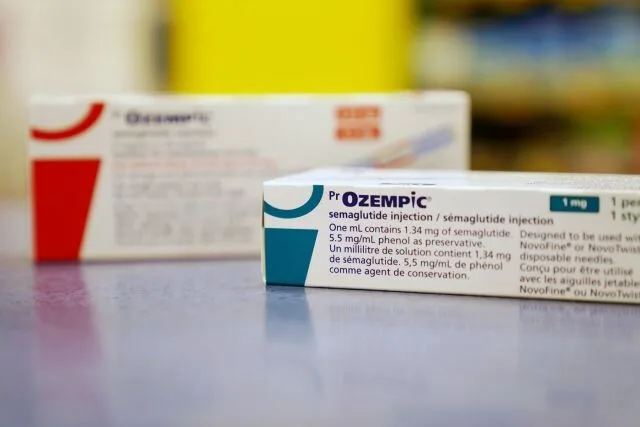
Our bodies naturally produce certain peptides to maintain homeostasis. A prime example is insulin. Insulin is a peptide hormone secreted by the pancreas that decreases blood-sugar levels. Without this natural peptide signaling, the body cannot effectively manage glucose. Similarly, the famous weight-loss drugs that have captured the public imagination, such as Semaglutide and Tirzepatide, are also peptides. These medications work by mimicking natural hormones to signal satiety and regulate metabolism, resulting in profound weight loss.
The Regulatory Gray Area
Despite their biological importance, the market for peptides has grown faster than the regulatory framework designed to oversee them. A significant portion of the compounds currently sold online or through compounding pharmacies are labeled "for research only." This label is a crucial distinction; it means these substances are not approved for use in people yet.
The FDA is currently moving to expand access to these substances, a decision that has sparked debate. While increased access could benefit patients seeking novel treatments, former agency officials have warned that easing restrictions could undermine the drug approval process. The concern is that without rigorous clinical trials, patients may be exposed to untested compounds with unknown safety profiles.
This regulatory tension is at the heart of the current peptide conversation. It is essential for consumers to understand that just because a substance is available for purchase does not mean it has been deemed safe or effective for human consumption by medical authorities.
Approved Drugs vs. Unregulated Compounds
The most critical distinction in the world of peptides is between those that have undergone FDA approval and those that have not. Dr. Awan emphasizes that the difference between these two categories is vast. FDA-approved peptides have been studied rigorously through clinical trials, ensuring that their benefits outweigh their risks.
Conversely, peptides sold on social media or through unregulated channels often lack this level of scrutiny. Some may be backed by only animal studies, laboratory tests, or small human studies that do not provide a comprehensive picture of long-term safety. This lack of data makes it difficult for patients to assess the true risk profile of the treatments they are considering.
Comparison: FDA-Approved vs. Unregulated Peptides
| Feature | FDA-Approved Peptides | Unregulated "Research Only" Peptides |
|---|---|---|
| Clinical Trials | Rigorous Phase I, II, and III trials | Often limited to animal or lab studies |
| Safety Profile | Well-documented and monitored | Unknown or poorly understood |
| Regulatory Status | Approved for specific medical indications | Not approved for human use |
| Quality Control | Strict manufacturing standards | Varies widely by manufacturer |
Safety First: Risks and Side Effects
When considering peptide therapy, safety must always be the priority. The allure of rapid weight loss or skin rejuvenation can sometimes overshadow the potential risks. Unregulated peptides pose specific dangers, including contamination, incorrect dosing, and unknown interactions with other medications.
Even approved peptides like GLP-1 agonists (Semaglutide and Tirzepatide) carry side effects, such as nausea, vomiting, and potential gastrointestinal issues. These are managed through careful dosing and medical supervision. However, with unregulated compounds, there is no standardized dosing protocol. Patients may be injecting substances with unknown concentrations or impurities.
Precision tracking for your journey
Join thousands using Shotlee to accurately track GLP-1 medications and side effects.
📱 Get the Shotlee App
Track your GLP-1 medications, peptides, and health metrics on the go with our mobile app!
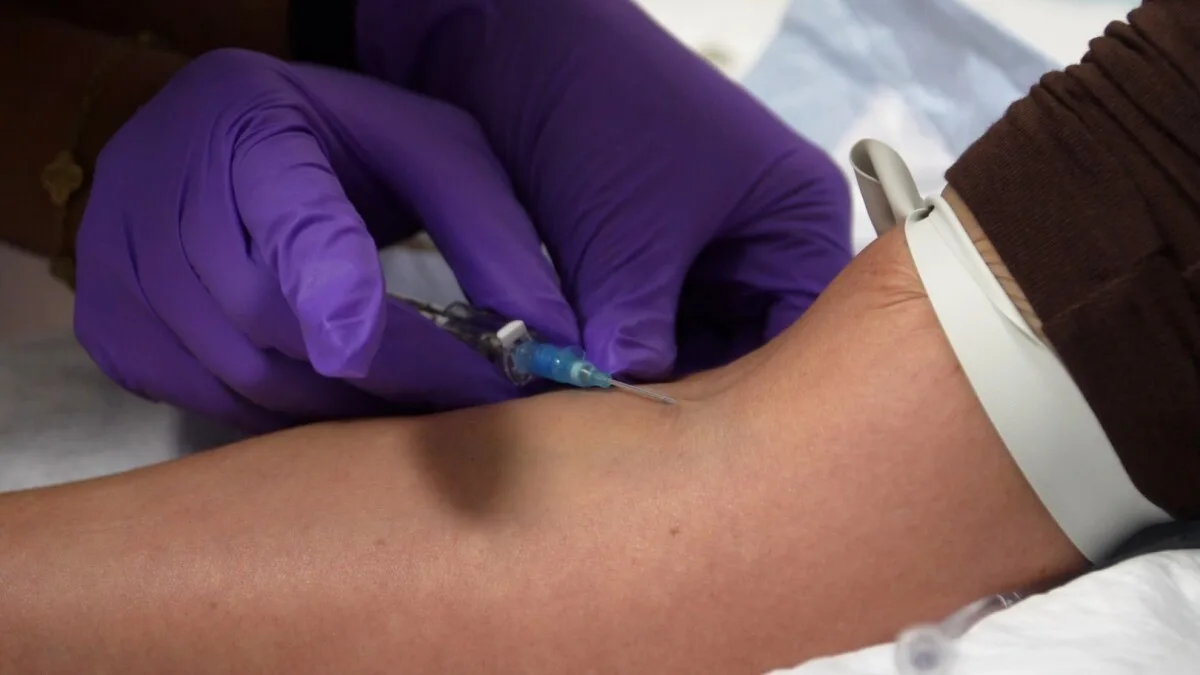
Furthermore, the method of administration matters. Many peptides require injection, which introduces the risk of infection if sterile techniques are not followed. The "research only" label often bypasses the safety checks that ensure a product is sterile and pure. Patients should be wary of sources that do not provide transparency regarding their manufacturing processes or sourcing.
Navigating Treatment Safely with Data Tracking
For those pursuing peptide therapy, whether through FDA-approved medications or under strict medical supervision, monitoring your health is non-negotiable. Because peptides affect metabolism and cellular function, changes in the body can be subtle or significant.
This is where health tracking tools become invaluable. Platforms like Shotlee allow patients to log their progress, track symptoms, and monitor vital data points alongside their treatment. By recording details such as dosage, injection dates, and any side effects, patients can spot patterns that might indicate adverse reactions or efficacy issues.
Using a dedicated health tracker ensures that you have a clear record to share with your healthcare provider. It transforms subjective feelings of well-being into objective data, facilitating better communication and safer treatment plans. Whether you are tracking weight loss progress with GLP-1 medications or monitoring recovery from tissue regeneration therapies, having a reliable log is a key component of safe medical practice.
Conclusion
Peptides represent a fascinating intersection of biology and medicine. They are the messengers of our cells, regulating everything from blood sugar to tissue repair. The recent surge in interest has brought promising treatments like Semaglutide and Tirzepatide to the forefront of weight loss and metabolic health. However, the explosion of unregulated "research only" peptides presents significant safety concerns.
The science backs the use of peptides, but only when they are rigorously tested and approved. Patients must remain vigilant, distinguishing between proven therapies and unverified compounds. By prioritizing safety, seeking medical guidance, and utilizing tools to track health data, individuals can navigate the world of peptide therapy with confidence and clarity.
Frequently Asked Questions
1. Are all peptides FDA-approved?
No, not all peptides are FDA-approved. While some peptides, such as insulin and GLP-1 medications like Ozempic and Wegovy, are approved for specific medical uses, many others are sold as "research chemicals" without regulatory approval for human use.
2. What is the difference between peptides and proteins?
Peptides are short chains of amino acids, whereas proteins are longer chains of amino acids. Peptides act as messengers to regulate bodily functions, while proteins often serve structural or enzymatic roles. All peptides are derived from proteins, but they are distinct in size and function.
3. Can peptides help with weight loss?
Yes, specific FDA-approved peptides like Semaglutide and Tirzepatide have been proven to aid in weight loss by regulating appetite and metabolism. However, not all peptides marketed for weight loss are safe or effective, and unregulated options lack clinical evidence.
4. What are the risks of unregulated peptides?
Unregulated peptides carry risks such as contamination, incorrect dosing, and unknown side effects. Because they have not undergone rigorous clinical trials, their long-term safety profile is often unknown, and they may interact dangerously with other medications.
5. How can I track my progress safely during peptide therapy?
Using a health tracking platform like Shotlee allows you to log your dosage, injection dates, and any symptoms or side effects. This data helps you and your healthcare provider monitor your body's response to the treatment and adjust the plan as needed for safety.