
Shotlee LogoShotlee
Blog
Download on theApp Store
Get it onGoogle Play
Skip to main content
Beyond the Hype: Black Market Peptides Strain Vital Health Services - Featured image
Health & Wellness

Beyond the Hype: Black Market Peptides Strain Vital Health Services

Dr. Adrian Vale, MD
Reviewed by Dr. Adrian Vale, MDInternal Medicine · Board-Certified Obesity Medicine
·June 27, 2026·7 min read

On this page

  • The Unforeseen Demand: A New Cohort of Injectors
  • The Stigma Factor and the Rise of Black Market Purchases
  • Grave Health Risks Associated with Unregulated Peptides
  • A Call for Urgent Resourcing and Adaptation
  • Conclusion
  • Challenges for Existing Services
  • A System Built for a Different Era
  • The Role of Shotlee in Monitoring and Management
  • The Path Forward: Education and Support

Track Smart

Calculate active GLP-1 levels automatically with Shotlee.

Download →

The booming trade in unregulated peptides for weight loss and body enhancement is placing unprecedented pressure on essential harm reduction services, originally established to combat the HIV epidemic. This article delves into the challenges, risks, and urgent needs arising from this new wave of drug use.

Share

On this page

  • The Unforeseen Demand: A New Cohort of Injectors
  • The Stigma Factor and the Rise of Black Market Purchases
  • Grave Health Risks Associated with Unregulated Peptides
  • A Call for Urgent Resourcing and Adaptation
  • Conclusion
  • Challenges for Existing Services
  • A System Built for a Different Era
  • The Role of Shotlee in Monitoring and Management
  • The Path Forward: Education and Support

In recent years, a growing trend has emerged, driven by social media influencers and a desire for rapid physical transformation: the use of injectable peptides. Touted for benefits ranging from significant weight loss and enhanced muscle growth to improved skin quality, these substances have seen a dramatic surge in popularity. However, this boom is not without its significant consequences. The unregulated and often illicit market for these peptides is now placing immense strain on vital public health infrastructure, particularly needle and syringe programs (NSPs) that were historically designed to combat the spread of HIV during the heroin epidemic.

The Unforeseen Demand: A New Cohort of Injectors

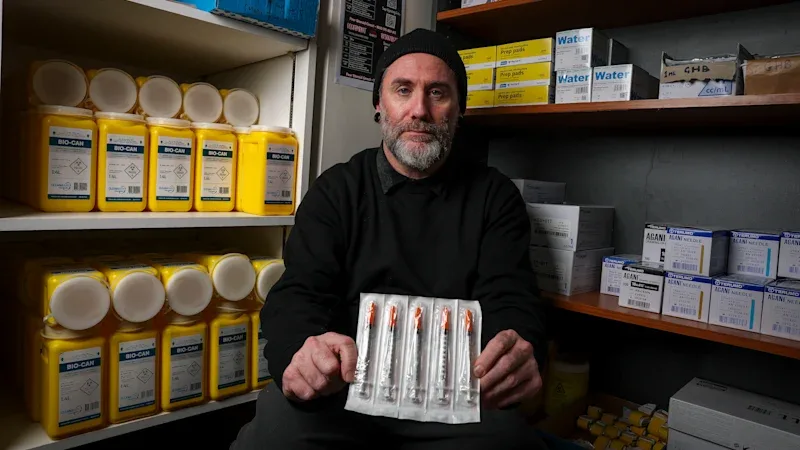
Needle and syringe programs, a cornerstone of harm reduction, are reporting a dramatic increase in clients seeking sterile injecting equipment not for traditional illicit drugs, but for performance- and image-enhancing drugs, including peptides and steroids. At some services, this new cohort now accounts for up to 40% of clients, a stark contrast to the 5-8% seen over the past decade. This unprecedented demand is leading to critical shortages of the specific, finer-tipped needles required for subcutaneous or intramuscular peptide injections.

Andrea Fischer, cohealth's director of community-based drug and alcohol responses, highlights the precarious situation: "There is a real potential for current needle and syringe program services to be overwhelmed by peptide users, placing both people who use peptides and people who use psychoactive drugs at risk of harm. Consideration needs to be given as to how to increase services to meet the needs of both groups." The immediate impact is a strain on supplies, particularly for the thinner, shorter needles favored by peptide users, although current stocks are reportedly adequate, the long-term sustainability is a major concern.

Challenges for Existing Services

These programs, many of which have been operating for decades, were not designed to accommodate such a rapid influx of users from a different demographic and with different needs. The pressure extends beyond just equipment supply. Fischer emphasizes the urgent need for:

  • Increased storage capacity to manage larger volumes of supplies.
  • Extended opening hours to accommodate the growing client base.
  • Establishment of new services in areas experiencing high demand.
  • Improved referral pathways to general practitioners for comprehensive health support.
  • Fast-tracked development of educational materials tailored to peptide users.

Regional services are facing similar, if not amplified, challenges. Barwon Health's mobile needle and syringe program, which delivers clean equipment and disposes of used syringes, reports that performance- and image-enhancing drugs now drive approximately 40% of its activities. A spokeswoman for Barwon Health stated, "We're also seeing a clear rise in people seeking equipment for performance- and image-enhancing drugs, including peptides, and our priority is ensuring everyone has safe, non-judgmental access to sterile equipment and harm-reduction support."

The Stigma Factor and the Rise of Black Market Purchases

A significant factor contributing to the increased reliance on NSPs is the stigma associated with purchasing injecting equipment from traditional pharmacies. Nathan Farley, a senior harm-reduction clinician at Uniting Alcohol and Drug Services, explains, "We try to provide a warm space where everyone is welcome and there is no judgment. A chemist would only stock a really limited range, and people accessing a chemist for injecting equipment aren't treated the best. They are asked a lot of questions."

This discomfort pushes individuals, predominantly men aged 20 to 50 who have purchased peptides online, towards services that offer a more discreet and non-judgmental environment. Uniting has seen its syringe distribution more than double, with clients seeking equipment for both muscle growth and weight loss peptides. The sheer volume of demand is notable, with some services reporting clients ordering boxes of up to 500 syringes for personal use.

A System Built for a Different Era

Chris Christoforou, CEO of the Victorian Alcohol and Drug Association, points out the fundamental mismatch: "There's been an explosion in demand for clean injecting equipment [from] a new cohort of injecting drug users - those who use performance- and image-enhancing drugs." The current health infrastructure, largely established in the 1980s to address the HIV crisis, is struggling to adapt to this new paradigm. The lack of tailored health advice for this specific group can lead to avoidable injuries and infections, despite the best efforts of harm-reduction experts to provide safe injection guidance.

Precision tracking for your journey

Join thousands using Shotlee to accurately track GLP-1 medications and side effects.

📱 Get the Shotlee App

Track your GLP-1 medications, peptides, and health metrics on the go with our mobile app!

Download on theApp Store
Get it onGoogle Play

Grave Health Risks Associated with Unregulated Peptides

The allure of rapid results from peptides is overshadowed by serious health risks, particularly when sourced from the black market. Health authorities are increasingly concerned about the surge in injectable peptides, often promoted without proper medical oversight. Last week, Dr. Caroline McElnay, Victoria's Chief Health Officer, issued a stark warning after six individuals suffered acute liver poisoning from an illegal peptide marketed for weight loss.

The consequences are not limited to liver damage. Emergency departments are seeing a rise in patients presenting with severe side effects linked to these unregulated substances. These can include debilitating symptoms such as vomiting, severe abdominal cramping, and chest pains that mimic heart attacks, underscoring the critical need for medical supervision and regulation.

The Role of Shotlee in Monitoring and Management

For individuals navigating the complexities of peptide therapy, whether prescribed or self-administered, meticulous tracking of doses, symptoms, and overall health is paramount. Tools like Shotlee can play a crucial role in this process. By enabling users to log their peptide injections, track any side effects, monitor vital signs, and record general well-being, Shotlee provides a comprehensive health diary. This detailed data can be invaluable when discussing progress or adverse reactions with healthcare providers, ensuring a more informed and proactive approach to health management, especially when dealing with substances that carry significant risks.

A Call for Urgent Resourcing and Adaptation

The Salvation Army's alcohol and other drugs Victorian manager, Juanita Davis, confirms the widespread impact, noting a significant surge in demand for their NSP services between January and May 2026, with over 683,000 needles and syringes distributed—an increase of about 185,000 compared to the previous year. "Our staff are highly experienced in harm reduction and continue to adapt their approach, supporting people - especially those new to injecting - with practical, trusted safety advice and information as new trends emerge," Davis stated.

A Victorian government spokesman acknowledged the adaptability of NSPs, stating they are designed to respond to changing drug use patterns, including the rise of performance- and image-enhancing drugs. The government has invested significantly in drug treatment, support, and harm-minimisation services, recognizing the critical frontline public health role NSPs play in providing sterile equipment, education, and referral pathways.

The Path Forward: Education and Support

While harm-reduction experts are adapting their advice, there is an urgent need for dedicated funding for educators to engage directly with fitness and bodybuilding communities. These communities are often the primary targets for peptide marketing, and proactive outreach can help disseminate accurate information about risks and safer practices. The situation underscores a broader public health challenge: how to effectively regulate and educate about emerging trends in substance use, ensuring that vital support systems are not overwhelmed and that individuals have access to accurate information and safe practices.

Conclusion

The surge in black market peptide use presents a complex public health challenge. It highlights the adaptability and critical importance of needle and syringe programs, while simultaneously revealing their limitations and the urgent need for increased resources and specialized support. As the trend continues, a multi-faceted approach involving enhanced public health messaging, targeted education within relevant communities, and robust support for harm reduction services will be essential to mitigate risks and protect public health.

?Frequently Asked Questions

What are the primary risks associated with black market peptides?

Black market peptides carry significant risks due to their unregulated nature. These include potential for severe side effects like acute liver poisoning, vomiting, abdominal cramping, and chest pains mimicking heart attacks. There's also a risk of contamination, incorrect dosage, and the absence of quality control, leading to unpredictable health outcomes.

Why are needle and syringe programs (NSPs) experiencing increased demand from peptide users?

NSPs are seeing increased demand because users of black market peptides often prefer to avoid the stigma and questioning associated with purchasing injecting equipment from pharmacies. NSPs offer a non-judgmental environment and provide the specific types of needles required for peptide injections, which may not be readily available elsewhere.

How are existing harm reduction services being impacted by the surge in peptide use?

Existing harm reduction services, like needle and syringe programs, are being overwhelmed by the surge in demand. This leads to shortages of specific equipment (finer needles), increased operational strain, and the need for greater resources to expand storage, extend hours, and potentially establish new services to meet the needs of both traditional drug users and the new cohort of peptide users.

What is the difference between peptides used for weight loss and those for bodybuilding?

While both are often sourced from the black market and carry similar risks, peptides used for weight loss aim to increase metabolism, suppress appetite, or improve insulin sensitivity. Those for bodybuilding typically focus on stimulating growth hormone release, promoting muscle repair and growth, or enhancing recovery. However, the underlying risks of unregulated sourcing and administration apply to both categories.

How can health tracking tools like Shotlee help individuals using peptides?

Health tracking tools like Shotlee can be invaluable for individuals using peptides by allowing them to meticulously log doses, injection sites, timing, and any experienced side effects. This detailed record provides crucial data that can be shared with healthcare providers, enabling more informed discussions about treatment efficacy, potential risks, and overall health management, especially when dealing with substances that have uncertain safety profiles.

Source Information

Originally published by Brisbane Times.Read the original article →

Read next

Keep exploring

More on Ozempic

Articles covering Ozempic dosing, side effects, and clinical updates.

Peptides and Health: The Truth Behind the Beauty and Weight Loss Claims
Medical Insights

Peptides and Health: The Truth Behind the Beauty and Weight Loss Claims

Peptides are the newest buzzword in health and beauty, promising everything from wrinkle reduction to profound weight loss. But does the science actually back up the claims, and are they safe?

7 min read
Svemia Approved: What Canada's New Semaglutide Generic Means for You
Medical News

Svemia Approved: What Canada's New Semaglutide Generic Means for You

Canada's Health Department has cleared Apotex's Svemia, marking a major milestone for generic semaglutide availability and weight loss treatment access.

7 min read
Ozempic, Wegovy, Mounjaro: How Do They Affect Mental Health?
Health & Wellness

Ozempic, Wegovy, Mounjaro: How Do They Affect Mental Health?

New research sheds light on the neuropsychiatric effects of popular weight loss medications like semaglutide and tirzepatide. Discover how these treatments may influence anxiety, depression, and other mental health outcomes.

7 min read

Same topic: Peptide Therapy

All Peptide Therapy articles →
Ozempic Alternative Found: Stanford’s BRP Peptide Breakthrough
Medical News

Ozempic Alternative Found: Stanford’s BRP Peptide Breakthrough

A new study reveals BRP, a natural peptide, may offer the benefits of Ozempic without common side effects.

7 min read
Beyond the Hype: Navigating the Rise of Online Peptides
Health & Wellness

Beyond the Hype: Navigating the Rise of Online Peptides

A surge in injectable peptides marketed online for enhancement purposes is outpacing regulatory oversight, creating a 'grey zone' with potential public health implications. This article delves into the complexities, risks, and what consumers should understand.

6 min read
Beyond the Hype: GHK-Cu Peptide for Skin Health & Longevity
Health & Wellness

Beyond the Hype: GHK-Cu Peptide for Skin Health & Longevity

GHK-Cu peptide is gaining significant attention for its potential in skin rejuvenation and anti-aging. This article delves into what GHK-Cu is, why it's popular, and the crucial role of medical oversight in its application, moving beyond online trends to evidence-based practice.

8 min read

More in Health & Wellness

Beyond Weight Loss: GLP-1 Drugs Show Potential to Reduce Crime-Linked Behavior
Health & Wellness

Beyond Weight Loss: GLP-1 Drugs Show Potential to Reduce Crime-Linked Behavior

Groundbreaking research indicates that GLP-1 receptor agonists, widely recognized for their impact on diabetes and weight management, may also play a crucial role in modulating impulsive behaviors that can lead to criminal acts and violence.

6 min read
Wegovy Arrives in Jordan: A New Era for Weight Management
Health & Wellness

Wegovy Arrives in Jordan: A New Era for Weight Management

Novo Nordisk has officially launched Wegovy®️ (semaglutide 2.4 mg) in Jordan, marking a significant advancement in the country's approach to tackling the growing challenge of excess weight and its associated health risks.

7 min read
Wegovy and Ozempic: The Critical Question to Prevent Weight Regain
Health & Wellness

Wegovy and Ozempic: The Critical Question to Prevent Weight Regain

Discover the single most important question to ask before starting GLP-1 medications like Ozempic or Wegovy. Learn how to ensure sustainable weight loss and avoid the common pitfalls of viewing these drugs as a magic cure.

8 min read
Share this article
  1. Home
  2. Blog
  3. Beyond the Hype: Black Market Peptides Strain Vital Health Services
Dr. Adrian Vale, MD — Internal Medicine · Board-Certified Obesity Medicine
Medically reviewed

Dr. Adrian Vale, MD

Internal Medicine · Board-Certified Obesity Medicine

Dr. Adrian Vale is a board-certified internal medicine physician with a clinical focus on obesity medicine and metabolic health. He reviews Shotlee guides and articles on GLP-1 medications, peptide therapy, and weight-management protocols for clinical accuracy.

View all articles reviewed by Dr. Adrian Vale, MD
Shotlee LogoShotlee

Your comprehensive health tracking companion. Track, analyze, and optimize your journey with advanced metrics and community support.

Product

  • Medication Trackers
  • Health Guides
  • Calculators
  • Compare Medications
  • Pricing

Resources

  • Health Blog
  • Support Center

Legal

  • Privacy Policy
  • Terms of Service
  • Community Guidelines
  • Refund Policy

© 2026 Shotlee. All rights reserved.

Made with for the community♥ for the community