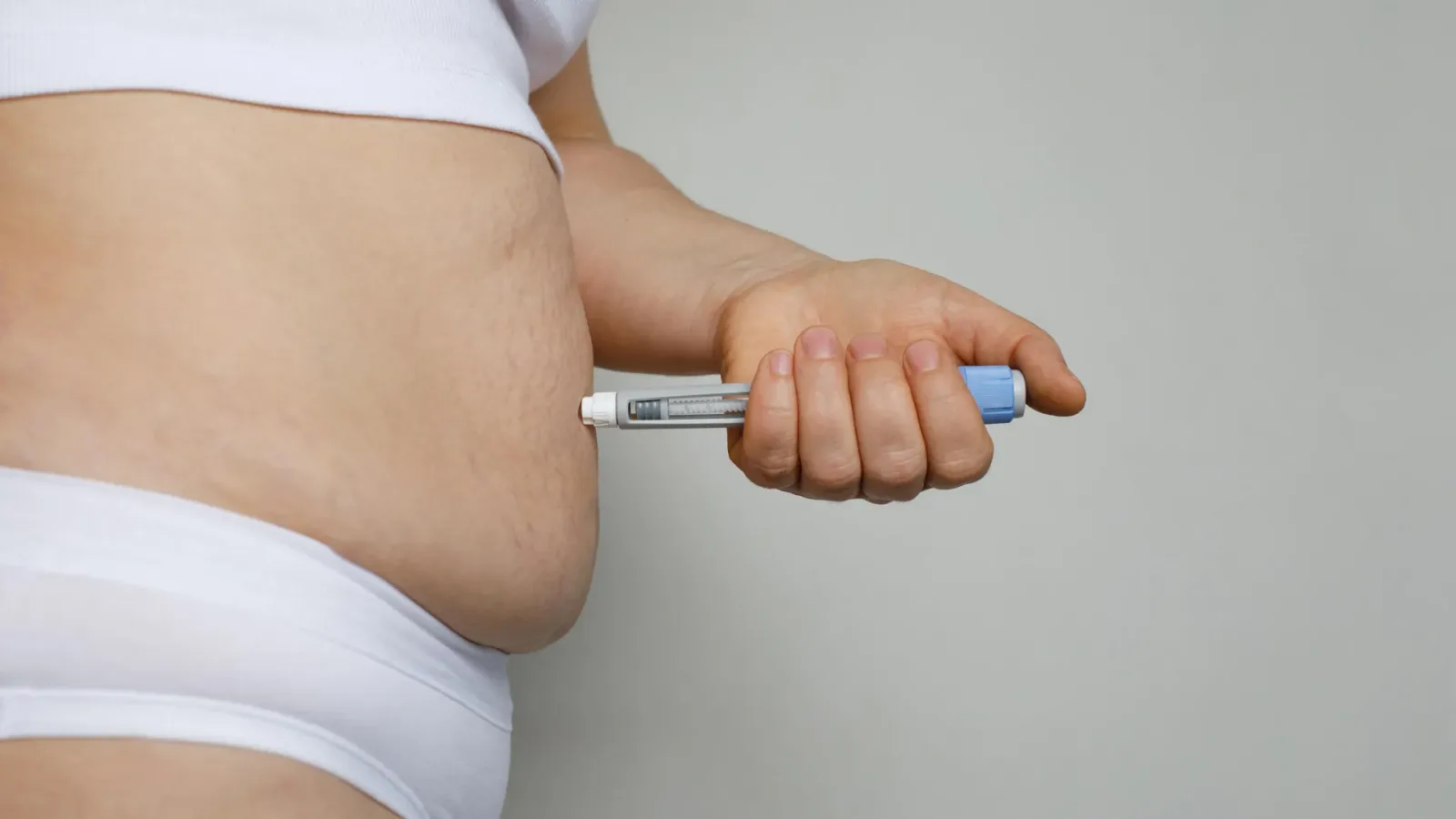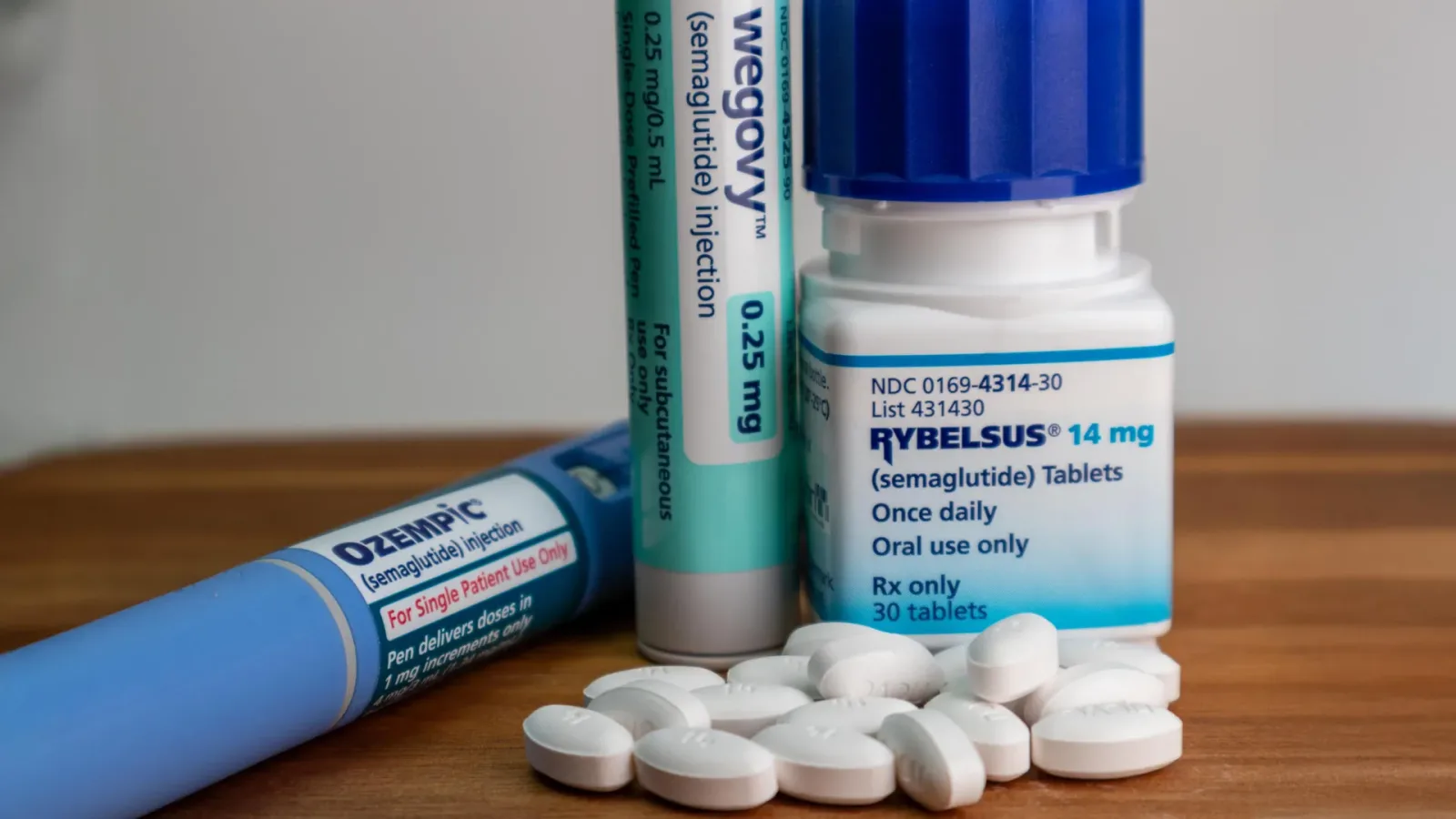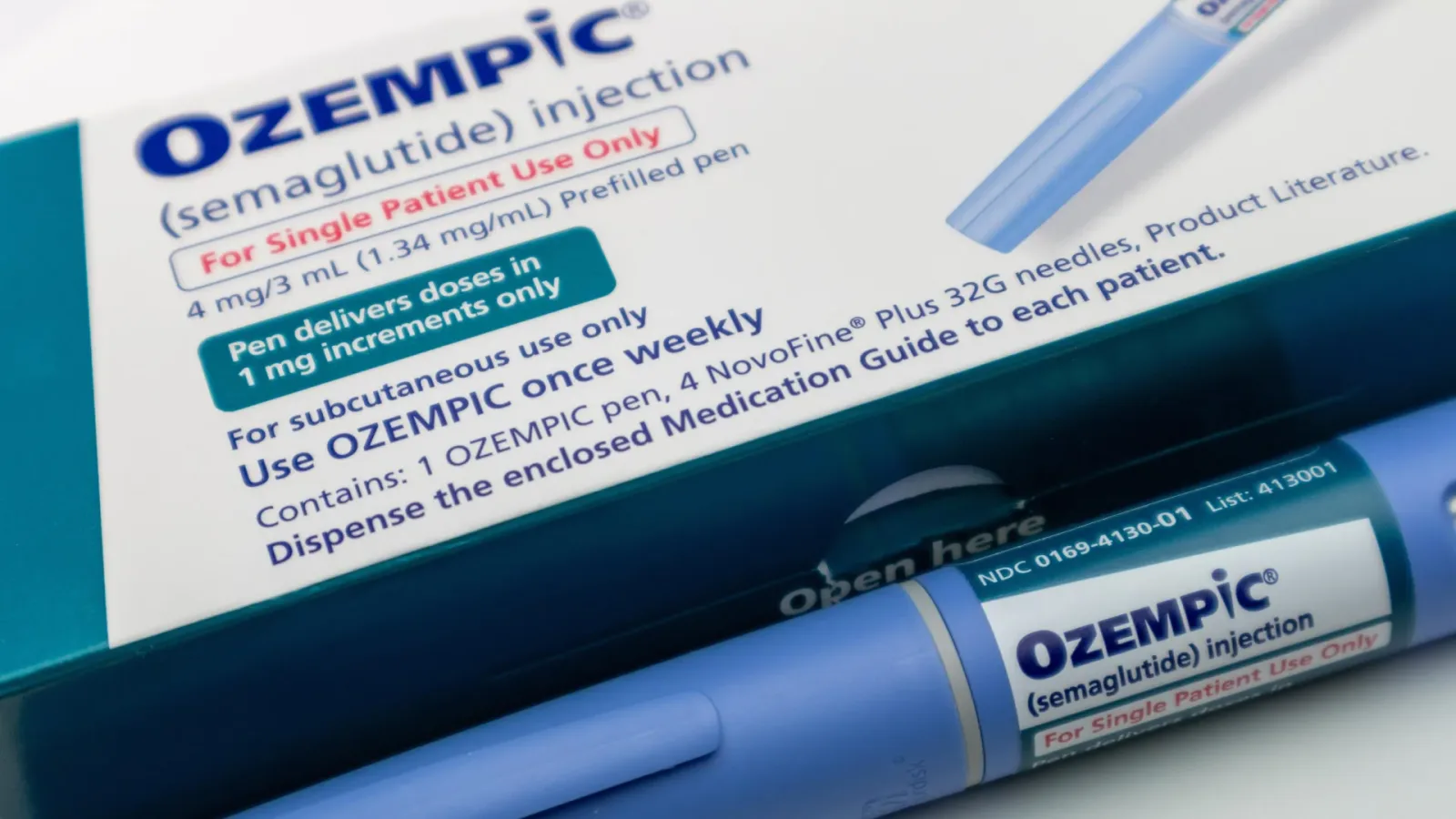

Once confined to the hushed corners of biohacker forums and specialized peptide communities, GHK-Cu, a remarkable copper peptide, is now experiencing an unprecedented surge in popularity. Patients are actively seeking information about its potential for achieving a radiant complexion, supporting collagen production, enhancing skin repair, and, most notably, understanding the optimal GHK-Cu peptide injection dosage per day. This growing interest signifies a shift beyond conventional topical skincare, with individuals exploring more advanced, physician-guided anti-aging strategies.
While the allure of a "Hollywood secret" is undeniable, it's crucial to approach injectable peptide therapies like GHK-Cu with a well-informed perspective. The proliferation of anecdotal dosage information online, often shared in group chats or on unverified charts, poses significant risks. Reputable clinics emphasize that such information should never replace professional medical evaluation, pharmacy-directed dosing instructions, and carefully structured treatment plans tailored to individual patient needs.
The Rise of the "Glow Peptide": Understanding GHK-Cu's Appeal
GHK-Cu has officially entered the mainstream conversation, moving from a niche ingredient to a sought-after component of advanced beauty and longevity protocols. The term "Glow Peptide" aptly captures the essence of what many patients hope to achieve: enhanced skin quality, a luminous complexion, and robust collagen support. This peptide sits at a fascinating intersection of beauty, longevity, and therapeutic repair, making it a compelling subject for those seeking more profound results than traditional creams and serums can offer.
The underlying science behind GHK-Cu's appeal is rooted in its fundamental properties. As a copper-binding peptide, it naturally integrates with copper ions, a partnership that is fundamental to its biological functions. This unique structure is precisely why GHK-Cu is so closely associated with:
- Collagen Synthesis: GHK-Cu is believed to stimulate the production of collagen, a vital protein that provides skin with structure, firmness, and elasticity.
- Tissue Remodeling: It plays a role in the body's natural repair processes, aiding in the regeneration of damaged tissues.
- Wound Healing: Its properties are beneficial in supporting the healing of skin injuries and improving overall skin quality.
- Anti-inflammatory Effects: Research suggests GHK-Cu may possess anti-inflammatory properties, contributing to a calmer and more balanced skin environment.
While the "Glow Peptide" moniker drives curiosity, it's essential to remember that injectable peptide therapy is a medical intervention. It requires a thorough understanding of individual health profiles, potential interactions, and appropriate administration, all of which fall under the purview of licensed healthcare providers.
Decoding the Dosage Dilemma: Why Online Charts Fall Short
The most frequently searched question surrounding GHK-Cu is undoubtedly "ghk-cu peptide injection dosage per day." This desire for a simple, definitive answer is understandable, but the reality is far more nuanced. The "exact dosage" is not a one-size-fits-all figure; it is intrinsically linked to several critical factors:
- Prescription and Concentration: The specific formulation and concentration of the GHK-Cu peptide prescribed by a healthcare provider.
- Pharmacy Instructions: Dosing guidance provided by the compounding pharmacy that prepares the medication.
- Provider-Guided Plan: The individualized treatment schedule and dosage determined by a licensed medical professional based on the patient's unique needs and goals.
Many online discussions, particularly within biohacker communities, present dosing information with an air of certainty. However, these sources often omit crucial details regarding safety, individual suitability, and the precise formulation being used. Relying on such information can be dangerous, as it fails to account for:
- Patient-Specific Factors: Medical history, current medications, allergies, and individual metabolic responses.
- Protocol Design: Whether the GHK-Cu is administered alone or as part of a peptide stack, which requires different considerations.
- Route and Frequency: The method of administration (e.g., subcutaneous injection) and the prescribed frequency (e.g., daily, or a cycle of days on/days off).
A common dosing schedule mentioned in some contexts is a "five-days-on, weekends-off" rhythm. While this might be appropriate for some individuals under strict medical supervision, it is not a universal recommendation and should only be followed if explicitly prescribed. The safest approach is always to adhere strictly to the instructions on your prescription label and from your healthcare provider.
Exploring the Copper Peptide Spectrum: GHK-Cu and Its Cousins
The conversation around GHK-Cu has expanded to include several related copper-containing peptide options, each with distinct potential applications. Understanding these variations can help individuals engage in more informed discussions with their healthcare providers.
GHK-Cu: The Foundation
Straight GHK-Cu represents the purest form of the copper peptide, often the starting point for individuals exploring its benefits for skin repair and rejuvenation without additional compounds. Its simplicity, however, should not be mistaken for a lack of need for professional guidance.
The "GLOW" Protocol
The "GLOW" protocol is a popular combination that often includes GHK-Cu alongside other peptides like BPC-157 and TB-500. This formulation is designed to offer a more comprehensive approach to skin health and recovery, aiming for synergistic effects. The name itself highlights the desired outcome, but the complexity of combining multiple peptides necessitates careful medical evaluation to ensure suitability and safety.
Precision tracking for your journey
Join thousands using Shotlee to accurately track GLP-1 medications and side effects.
📱 Get the Shotlee App
Track your GLP-1 medications, peptides, and health metrics on the go with our mobile app!
"KLOW" and Epithalon + GHK-Cu
Similarly, "KLOW" is another multi-peptide formulation that may incorporate GHK-Cu, BPC-157, KPV, and TB-500. Epithalon + GHK-Cu is designed to address both longevity and skin health, combining Epithalon, often discussed in the context of aging, with the skin-focused benefits of GHK-Cu. These more advanced stacks require even greater clinical scrutiny to ensure they align with a patient's overall health objectives and medical profile.
The decision to use straight GHK-Cu or a combination protocol should be based on a thorough clinical assessment, not on trending names or anecdotal evidence. A healthcare provider can help determine which peptide or peptide combination, if any, is most appropriate for an individual's specific goals, whether they pertain to skin quality, anti-aging, or broader wellness.
The Indispensable Role of Provider Oversight
In the realm of injectable peptide therapy, provider oversight is not merely a recommendation; it is the cornerstone of safe and effective treatment. While GHK-Cu might be discussed in terms of "skincare with a syringe," it remains a potent medical intervention that demands professional attention. A comprehensive evaluation by a licensed provider should encompass:
- Patient Goals: Understanding what the patient hopes to achieve with the therapy.
- Medical History: Reviewing past and present health conditions, including any chronic illnesses.
- Current Medications: Identifying potential interactions with other drugs or supplements the patient is taking.
- Skin Concerns: Assessing specific dermatological issues or desired improvements.
- Peptide History: Previous experiences with peptides and any known reactions.
- Risk Assessment: Evaluating the potential for adverse effects and contraindications.
- Protocol Fit: Determining if the proposed peptide therapy is appropriate for the individual's overall health and lifestyle.
Without this crucial oversight, patients are left to navigate complex decisions about dosage, administration, and potential side effects alone. This can lead to confusion, improper use, and potentially harmful outcomes. The "real glow hack," therefore, is not a secret ingredient or a specific dosage found online, but rather the structured, evidence-based approach provided by a qualified medical professional. This includes ensuring that all therapies are physician-guided and pharmacy-directed, creating a clear and safe treatment pathway.
Practical Takeaways for Pursuing GHK-Cu Therapy
For individuals considering GHK-Cu or other copper peptide therapies, approaching the process with informed questions is key. Instead of searching for unverified dosages, focus on understanding your own suitability and the specifics of a medically supervised protocol. When consulting with a healthcare provider, consider asking:
- Am I a suitable candidate for injectable GHK-Cu therapy?
- Is straight GHK-Cu or a specific copper peptide stack recommended for my goals, and why?
- What does my prescription label specifically instruct regarding dosage and administration?
- Does a "five-days-on, weekends-off" schedule apply to my prescribed protocol, or is there a different schedule?
- What potential side effects should I monitor for, and who should I contact if I experience any concerns?
- How will my progress be evaluated throughout the treatment period?
Engaging in this level of inquiry transforms the pursuit of GHK-Cu from a trend-driven endeavor to a structured, health-focused journey. Utilizing tools like Shotlee can further empower this by allowing you to meticulously track your doses, any observed symptoms, and your progress, providing valuable data for your healthcare provider.
Conclusion: The Smart Path to Peptide Benefits
GHK-Cu has undeniably captured the public's attention, positioning itself as a leading peptide for those seeking advanced anti-aging and skin rejuvenation. The demand for its benefits is evident, fueled by online discussions and the promise of enhanced skin quality and repair. However, the most intelligent and safest approach to harnessing these benefits is not by replicating dosages from online forums or group chats.
Instead, the smart move is to partner with a healthcare provider. This ensures a thorough evaluation of your individual needs, the selection of an appropriate protocol, and adherence to pharmacy-directed instructions for dosing and administration. True, sustainable benefits are achieved through physician-guided care, transforming the excitement around peptides into a tangible and safe treatment pathway.
The "secret" to effective GHK-Cu therapy isn't secrecy at all; it's transparency, professional guidance, and a patient-centered approach. When these elements are in place, the pursuit of enhanced well-being and radiant skin becomes a well-supported and evidence-based reality.
Medical Disclaimer: This content is for educational purposes only and does not constitute medical advice. All peptide therapy requires evaluation by a licensed medical provider, and prescription medications are only provided when clinically prescribed. Compounded drugs are not FDA-approved and do not undergo the same rigorous clinical studies for safety and efficacy as FDA-approved commercially available products. However, compounded products may still be legally prescribed by a healthcare provider based on a medical consultation.