
The Shifting Sands of Midlife: From Retirement to Rejuvenation
The cultural narrative around aging is undergoing a profound transformation, particularly for men. Gone are the days when hitting 50 meant slowing down and anticipating a quieter, less demanding phase of life. Today's midlife is characterized by a dynamic energy, a relentless pursuit of vitality, and a growing emphasis on maintaining not just health, but also a youthful and attractive appearance – a concept some are calling the 'hotspan.' This shift is fueled by a combination of societal changes, medical advancements, and a collective desire to redefine what it means to age gracefully, or perhaps, vibrantly.
For many, the image of retirement once conjured visions of leisurely days, perhaps a quiet hobby, and a well-deserved rest from the rigors of career and competition. However, as the definition of a 'good' retirement evolves, so too does the pressure to remain actively engaged and vital. This is especially true for men, who historically have faced different societal expectations regarding aging and appearance compared to women. The rise of platforms and communities dedicated to male vitality, coupled with increased access to sophisticated health and wellness interventions, are contributing to a powerful new trend: extending the 'hotspan' for decades to come.
The Rise of 'Hotspan': Redefining Midlife Vitality
The concept of 'healthspan' – the period of life spent in good health – has gained significant traction in recent years. It reflects a desire to not just live longer, but to live better, with more years of active, fulfilling life. However, a new, more visually oriented goal is emerging: the 'hotspan.' This term encapsulates the desire to maintain a youthful appearance, a high level of physical fitness, and an overall sense of attractiveness and vigor, well into what was once considered old age.
This aspiration is particularly pronounced among men in their 40s and 50s. Dr. Ryan Neinstein, a Manhattan-based plastic surgeon, observes a significant cultural shift: "When our parents were 50, culturally, that was closer to the beginning of old age. Now my patients in their 50s are training for triathlons, starting companies, dating after divorce, raising young kids." This demonstrates a fundamental redefinition of middle age, where it's no longer a prelude to decline, but a vibrant stage for continued growth and engagement.
The pressure to maintain this 'hotspan' is amplified by several factors:
- Societal Expectations: While women have long felt pressure to maintain a youthful appearance, men are now increasingly subject to similar expectations, driven by pop culture and evolving social norms.
- Technological Advancements: Innovations in skincare, cosmetic procedures, and even non-invasive treatments contribute to the ability to maintain a more youthful look.
- Workplace Demands: In a competitive job market, especially with the rise of remote work and visual platforms like Zoom, looking vital and energetic can be perceived as a professional advantage.
- Personal Fulfillment: Many individuals simply want to feel and look their best, regardless of age, to enhance their confidence and overall quality of life.
The Medical and Lifestyle Toolkit for Extended Vitality
Achieving and maintaining this extended 'hotspan' often involves a proactive, multi-faceted approach that blends advanced medical interventions with dedicated lifestyle choices. For many men, this journey begins with a comprehensive assessment of their internal health markers.
Biomarker Optimization and Peptide Therapy
Practices focused on functional and anti-aging medicine are seeing a surge in demand. These clinics often start by meticulously testing biomarkers such as hormone levels, cholesterol, and glucose metabolism. Dr. Westley Spiro, founder of Catalyst Precision Health, notes that these biomarkers can begin to deteriorate much earlier than the onset of diseases like diabetes or high blood pressure. For men, testosterone levels, which peak in the early 20s, begin to decline in the early 30s, potentially leading to decreased strength, mood changes, and accelerated heart disease – a phenomenon sometimes referred to as 'MANopause.'
Beyond hormone replacement therapy (TRT), which can be transformative for sleep, stamina, and aesthetic impact, a growing area of interest is peptide therapy. Peptides are short chains of amino acids that act as signaling molecules in the body, influencing various physiological processes. While the field is still evolving and requires careful medical supervision, peptides are being explored for their potential to aid in muscle growth, energy enhancement, sexual wellness, and even skin rejuvenation. It's crucial to approach peptide use with caution, ideally under the guidance of a qualified healthcare professional, to avoid unregulated and potentially unsafe 'peptide stacks.'
The Role of GLP-1 Agonists and Weight Management
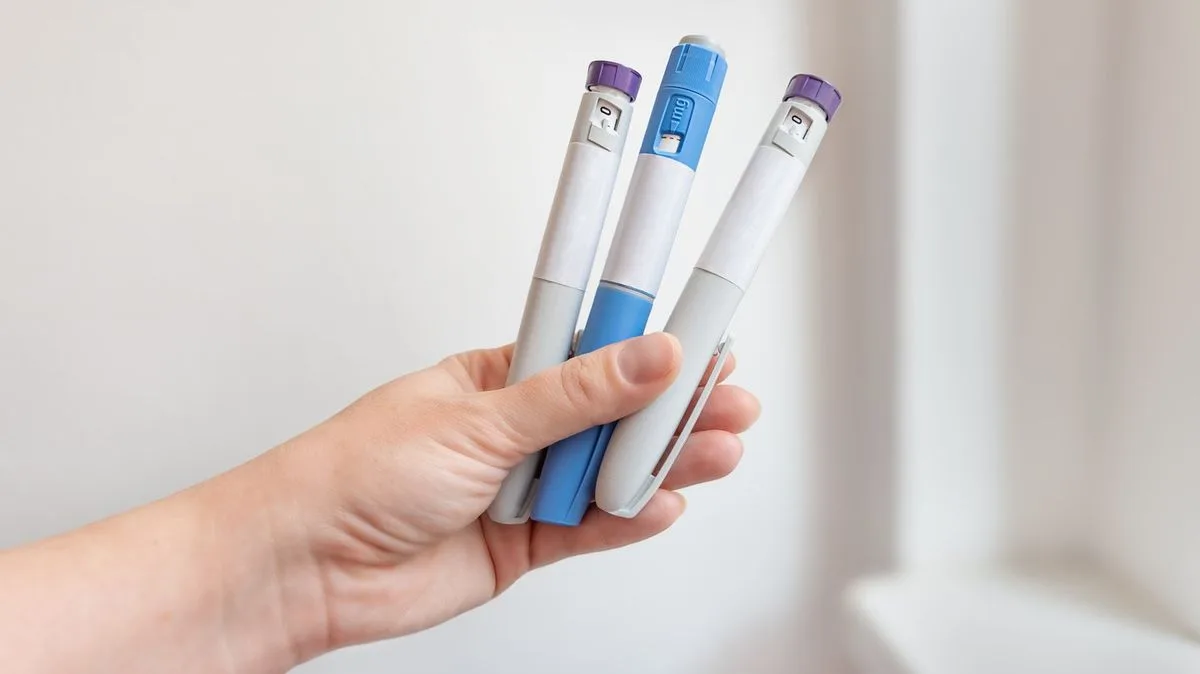
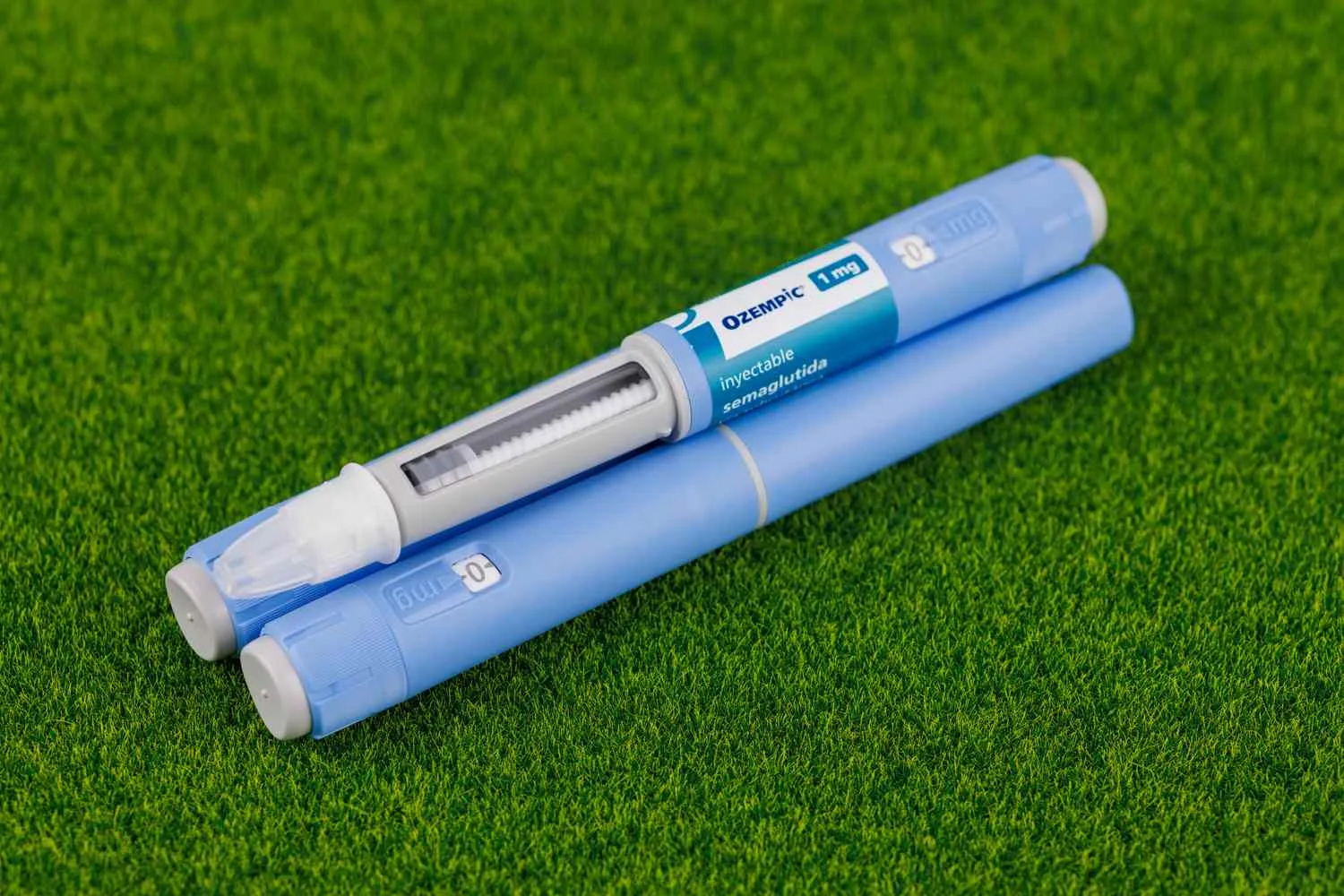
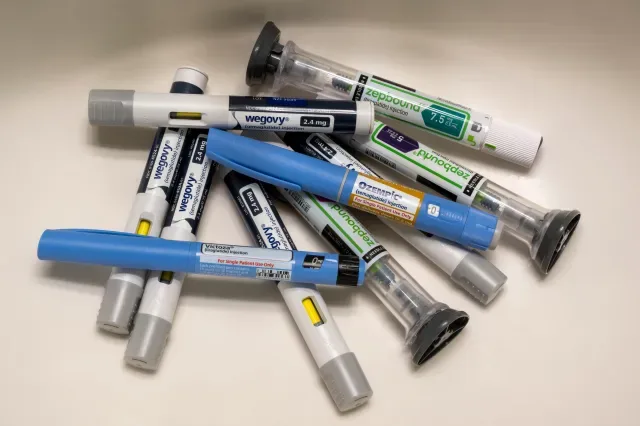
The landscape of medical weight management has been revolutionized by the advent of GLP-1 receptor agonists. Medications like semaglutide (found in Ozempic and Wegovy) and tirzepatide (Mounjaro) have become widely discussed, not just for their efficacy in treating type 2 diabetes and obesity, but also for their significant impact on body composition and appearance. For many, these medications have become a social 'unlock,' making rapid and noticeable weight loss more achievable and, consequently, more openly discussed.
The ability to achieve a leaner physique can profoundly impact how men feel and look, contributing directly to their perceived 'hotness' and vitality. Ozempic, in particular, has entered mainstream conversation, normalizing discussions around prescription weight loss and encouraging individuals to explore various medical avenues to achieve their aesthetic and health goals. This has led to a greater comfort level in sharing tips and doctor recommendations within social circles.
Precision tracking for your journey
Join thousands using Shotlee to accurately track GLP-1 medications and side effects.
📱 Get the Shotlee App
Track your GLP-1 medications, peptides, and health metrics on the go with our mobile app!
Aesthetic Enhancements and Surgical Interventions
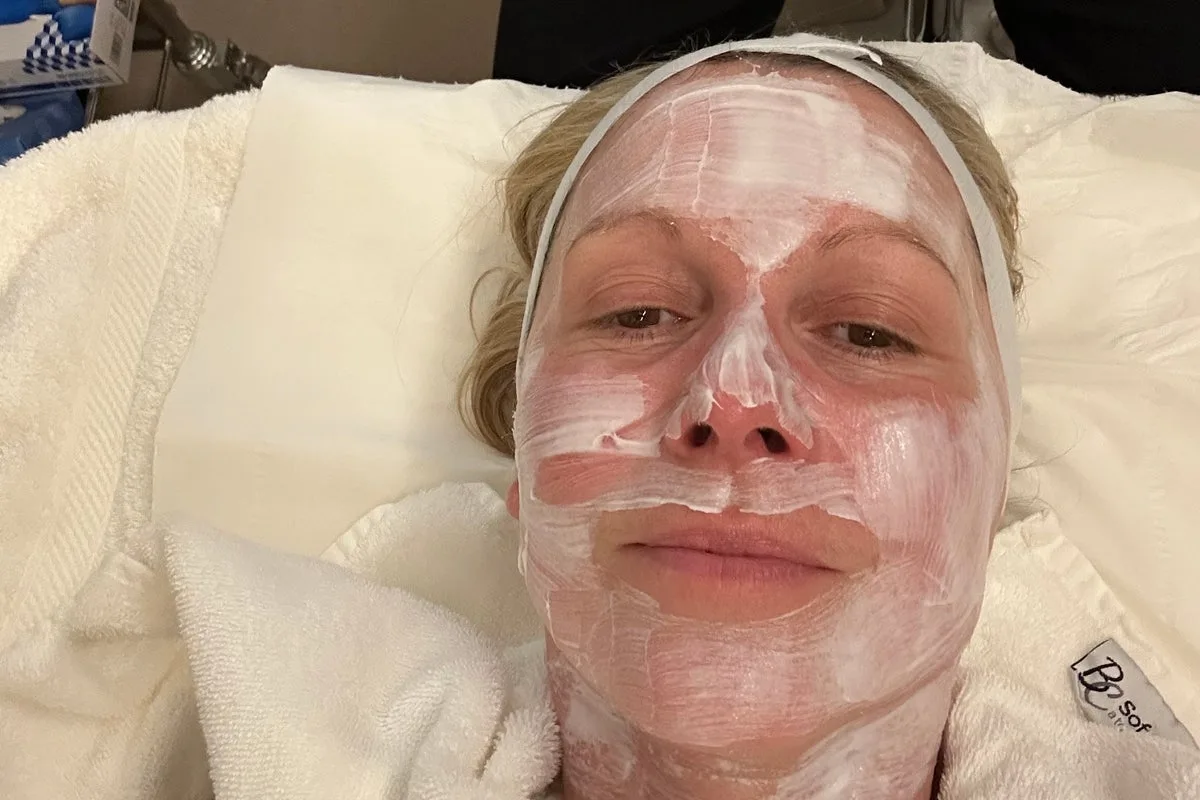
Complementing internal health and weight management, aesthetic procedures are also playing a significant role. From Sculptra injections to boost collagen production and restore facial volume, to hair replacement surgery and other cosmetic interventions, men are increasingly investing in their appearance. Brian, a 51-year-old executive, shares that these practices are commonplace in his social circle, with friends readily sharing advice and physician recommendations. The normalization of these treatments signifies a broader acceptance of proactive self-care aimed at maintaining a youthful and attractive presentation.
The Intersection of Technology, Work, and Appearance
The drive to maintain a youthful 'hotspan' is not solely about personal vanity; it's increasingly intertwined with professional survival and adaptation in a rapidly changing world. The rise of AI, automation, and new technological paradigms are disrupting traditional career paths, forcing many mid-career professionals to re-evaluate their skills and re-enter a competitive job market.
Dr. Neinstein highlights this connection: "There's a real and growing cohort of patients who come in because they've been displaced from a career they expected to stay in, and they're suddenly competing in a marketplace that feels younger, faster and more visual than ever before." Platforms like LinkedIn, with its emphasis on professional branding, and the prevalence of video interviews, mean that appearance plays a more critical role than ever. This has led to trends like removing graduation years from LinkedIn profiles to obscure age and the use of AI-generated headshots that present an idealized, perpetually youthful image.
This pressure is further exacerbated by the evolving nature of work itself. The traditional concept of retirement, rooted in industrial-era social policies designed to manage workforce demographics, is being challenged. As Eric Horwitz, founder of Gem, a life and career coaching network, points out, the idea of a mandatory retirement age was a political and economic strategy from a bygone era. Today, with longer lifespans and evolving career trajectories, the notion of a hard stop at 65 feels increasingly artificial. The race to look young and stay relevant is, in part, a response to a system that historically penalized older workers.
Redefining Retirement: A New Beginning, Not an End
The narrative around aging and retirement is shifting from one of decline to one of continued engagement and vitality. For individuals like Karl Smith, 68, a retired real estate investment manager, retirement is not an end to activity but a new phase of freedom. Karl maintains an exceptionally high level of fitness, cycling and weightlifting regularly, and prioritizing a healthy diet. He embodies a philosophy where health is a lifelong investment, akin to financial planning, focusing on the long-term well-being and happiness of his future self.
Karl's perspective challenges the conventional idea of retirement as a time to cease striving. "Retirement for me just means I don't have to set the alarm clock," he says, emphasizing that his passion lies in being healthy and feeling well. His success in a push-up contest at 68 underscores the potential for peak physical performance at older ages when health is prioritized.
This perspective shift is crucial. As Dr. Neinstein notes, "A 62-year-old today who has been thoughtful about their health and appearance can genuinely outpresent, outperform and outvitalize what a 45-year-old looked like in 1995." This isn't about denying age, but about maximizing one's potential and quality of life at every stage. The choice of how to age is increasingly becoming an active decision, influenced by both internal health investments and external lifestyle choices.
Ultimately, the desire to extend one's 'hotspan' is about embracing a more vibrant, engaged, and fulfilling life. It's about recognizing that the later chapters of life can be as dynamic and rewarding as the earlier ones, provided we make conscious choices to invest in our physical and mental well-being. As the author reflects, retirement doesn't change who you are; it merely offers a new scenario. The goal is to enter that scenario feeling and looking your absolute best, ready for whatever comes next.
Practical Takeaways
- Prioritize Biomarker Health: Regularly monitor key health indicators like hormones, cholesterol, and glucose.
- Explore Medical Advancements: Consider GLP-1 agonists for weight management and discuss hormone replacement or peptide therapies with a qualified physician.
- Integrate Fitness and Nutrition: Commit to regular exercise and a balanced diet as foundational elements of long-term vitality.
- Invest in Appearance: Explore aesthetic treatments and cosmetic procedures if they align with your personal goals for confidence and well-being.
- Adapt to Professional Changes: Be prepared for evolving career landscapes by maintaining a vital and competitive presentation.
Conclusion
The midlife journey for men is no longer a predictable path toward winding down. Instead, it's an era of unprecedented opportunity for sustained vitality, attractiveness, and active engagement. The pursuit of an extended 'hotspan,' supported by medical innovation, lifestyle dedication, and a reframed understanding of aging, empowers men to redefine their later years as a period of peak performance and fulfillment. By embracing proactive health strategies and a forward-looking mindset, men can look forward to a future where age is merely a number, and vitality is a lifelong companion.