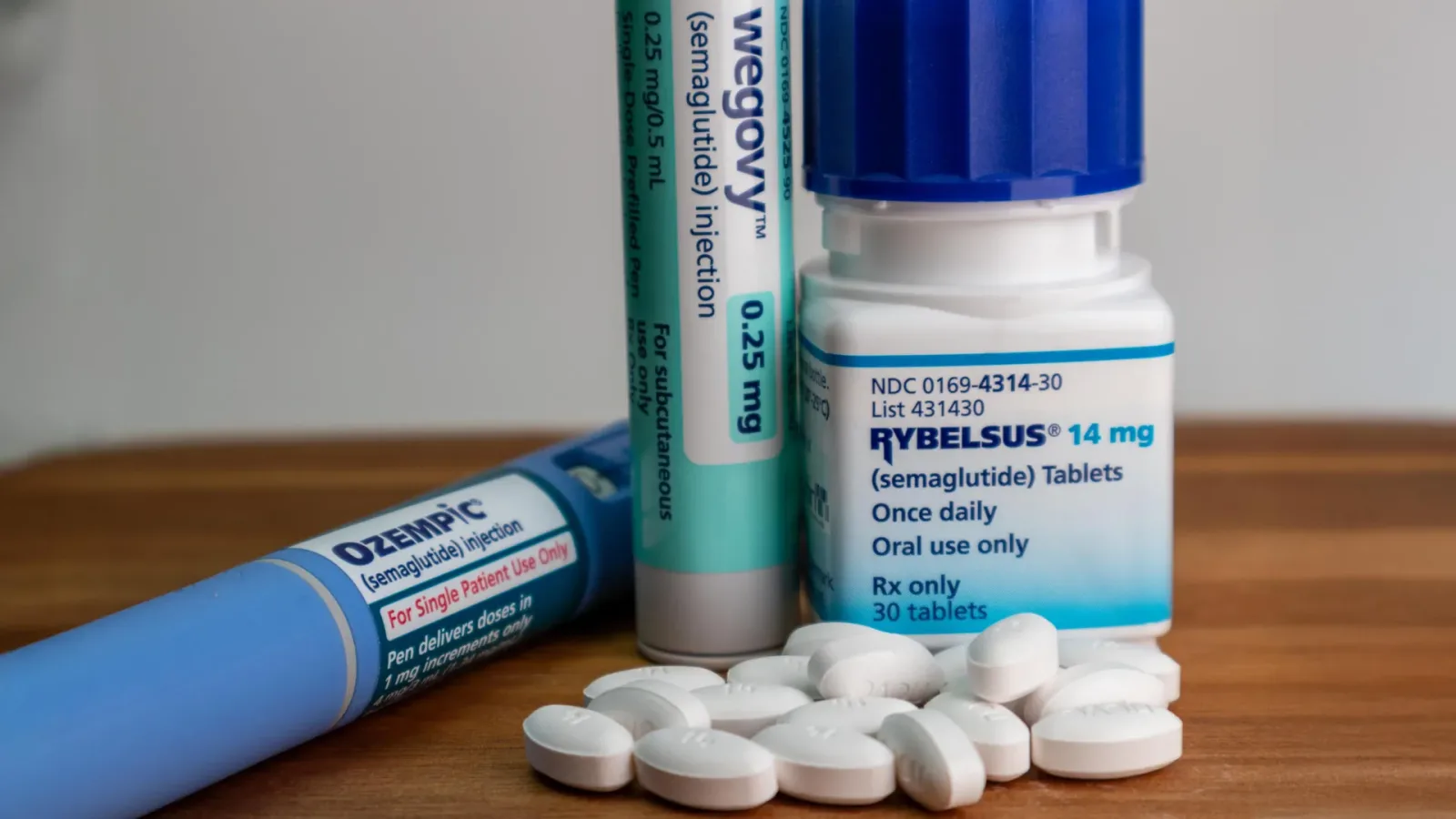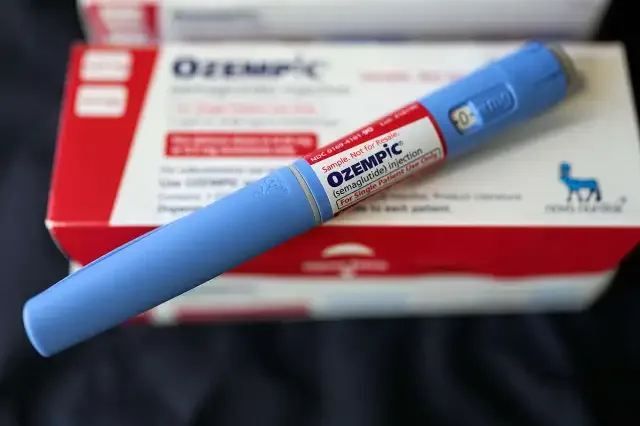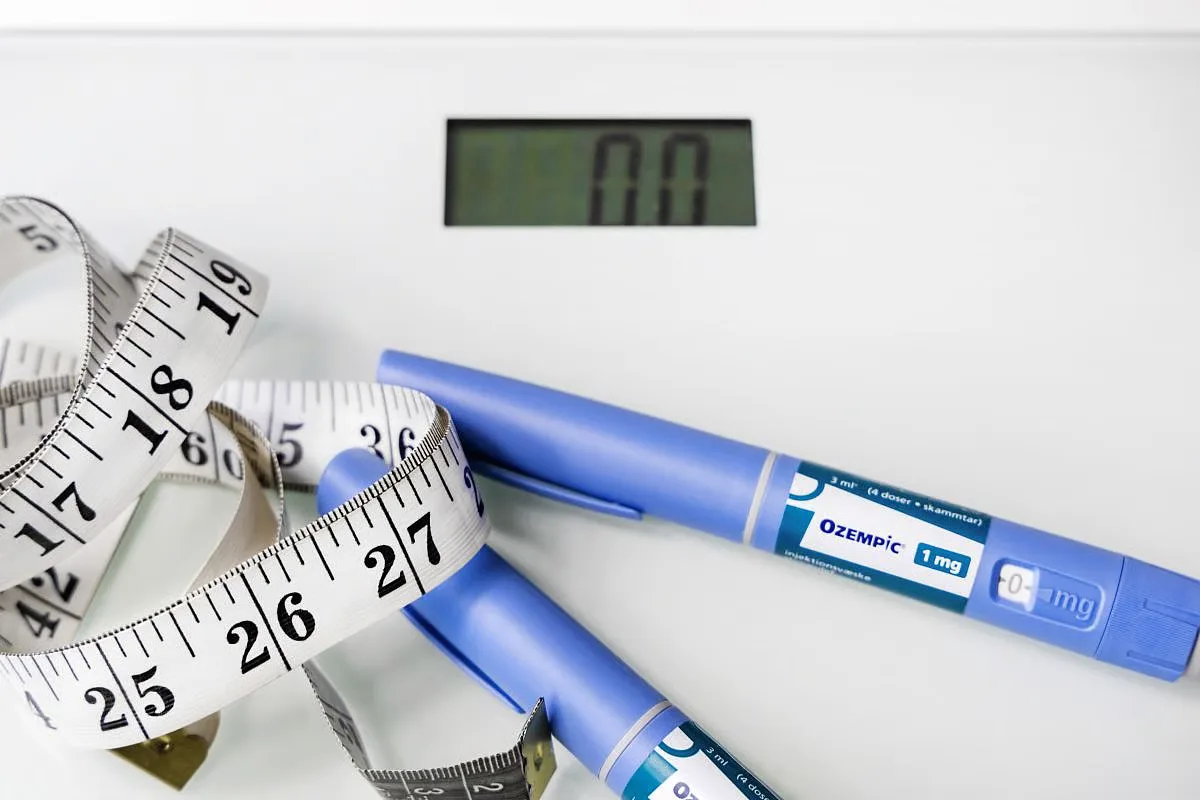

The introduction of semaglutide, known by brand names like Ozempic and Wegovy, for chronic weight management in 2021 marked a significant milestone in obesity treatment. Alongside its rapid adoption, a concerning trend emerged: a dramatic increase in calls to poison control centers across the United States. Researchers have investigated this phenomenon, seeking to understand the connection between the drug's expanded approval and the surge in emergency calls.
The Rise of GLP-1 Receptor Agonists and a Public Health Trend
Glucagon-Like Peptide-1 Receptor Agonists (GLP-1RAs), originally developed to treat type 2 diabetes, have seen a meteoric rise in popularity, particularly after the U.S. Food and Drug Administration (FDA) approved semaglutide for weight management. As demand for these medications accelerated, poison control centers began reporting a substantial uptick in related calls, with semaglutide emerging as a prominent factor.
Researchers at The University of Texas at San Antonio (UTSA) became interested in this trend. Jordan Miller, then an undergraduate student, aimed to determine if the increase in poison control cases was directly linked to the FDA's expanded approval of semaglutide for weight loss or if the timing was merely coincidental. Her research mentor, David Han, a professor in UTSA's Department of Statistics & Data Science, suspected that misuse and mishandling of the drug, potentially due to its new weight management indication, were driving the surge.
Collaborating with medical experts from the Long School of Medicine, including Robert S. Miller, Pharm.D., a senior specialist in poison information, and Shawn M. Varney, MD, a professor and medical director of the South Texas Poison Center, the team analyzed national poison control data. Their findings, which earned first place at UTSA's Los Datos conference, shed light on the public health implications of this widely used medication.
Poison Control Calls Show a Dramatic Increase
Before the widespread use of semaglutide for weight management, poison control centers nationwide typically handled approximately 1,000 to 1,500 calls related to GLP-1RAs annually. However, following the middle of 2021, this number nearly doubled. By 2023, poison centers had recorded over 8,000 calls associated with GLP-1RAs. This staggering increase, while often involving accidental dosing or therapeutic mistakes rather than intentional misuse, surprised the research team.
Jordan Miller noted her surprise at semaglutide's dominance in the data, stating, "I figured that it would lead the pack, but it was staggering. On the other hand, it makes sense with all the media attention."
Professor Han emphasized the project's broader significance, illustrating how data science can uncover meaningful public health trends. "This work demonstrates the quantified impact of these drugs on public health," he remarked. "Statistics, data science, analytics, machine learning and AI are meant to help people. We use them to transform data from any field into meaningful insight and informed action. Without that focus, it becomes hollow -- numbers without real impact."
Understanding the Research and Its Origins
The research project originated from a proactive step by Jordan Miller. She decided to inquire about potential research opportunities with a professor she admired, a decision she almost didn't make. "You lose nothing by asking," she advised. "If you have a professor, you really get along with or admire, you lose nothing by asking them what they're working on or if they have space for a research assistant. I got really lucky with Dr. Han saying, 'I'm here to help -- you pick what you want to work on.'"
The team's analysis clearly indicated that the FDA's approval of semaglutide for weight management served as a critical turning point. Both the volume and nature of poison control calls changed significantly after this approval, reflecting the drug's expanded use beyond individuals with diabetes to a much broader population seeking to lose weight.
Precision tracking for your journey
Join thousands using Shotlee to accurately track GLP-1 medications and side effects.
📱 Get the Shotlee App
Track your GLP-1 medications, peptides, and health metrics on the go with our mobile app!
Shift in Patient Population and Drug Use
David Han elaborated on this shift: "When the GLP-1[RA] drugs are being sold to diabetic patients, that's a completely different story versus when the drug is used for weight management." He stressed the need to quantify this evidence to demonstrate its link to the FDA approval and to develop strategies for risk containment. "We need to better educate the public because how this drug behaves in our body and its long-term safety are not yet fully understood."
Preventable Dosing Errors Drive Many Cases
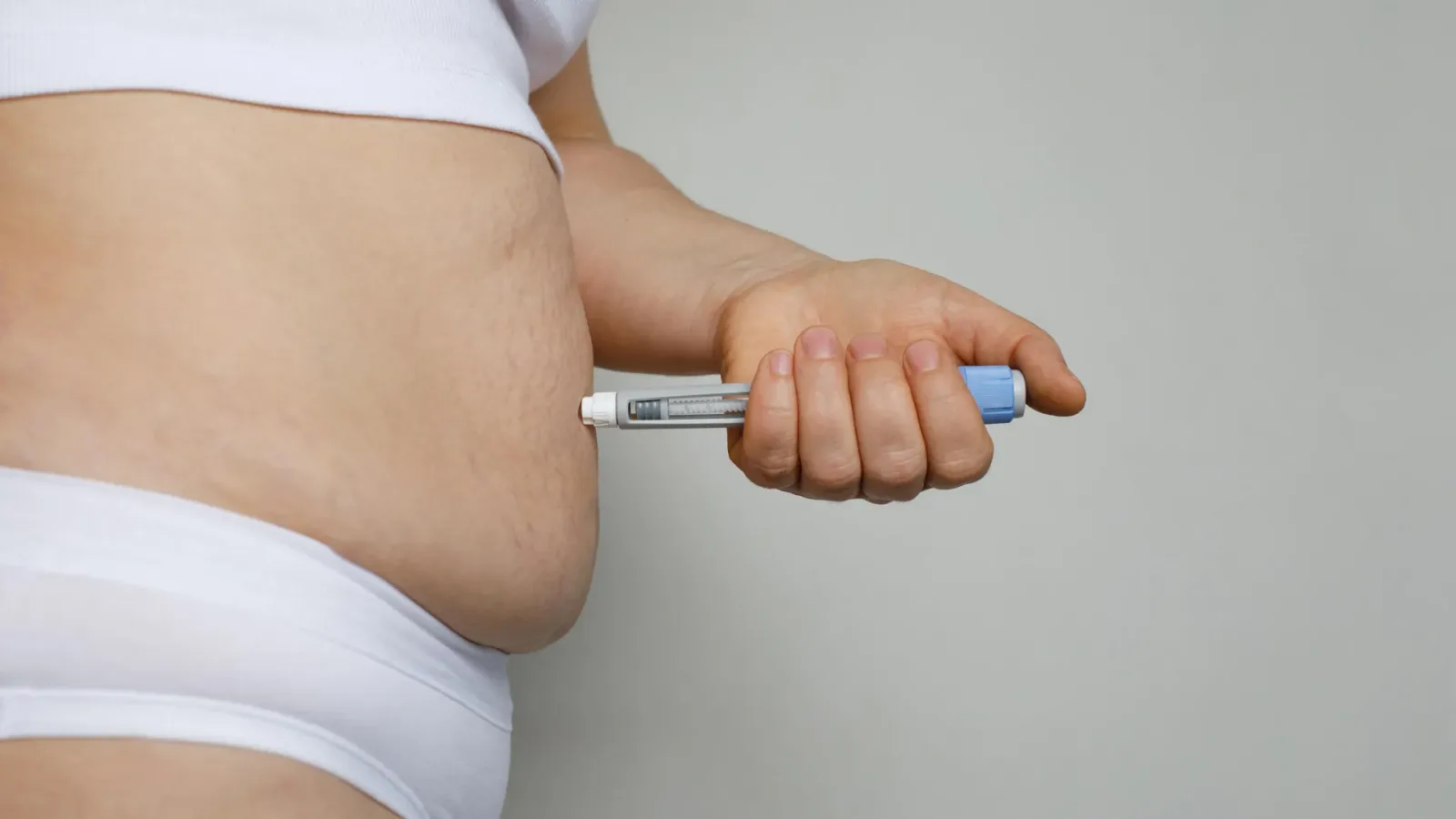
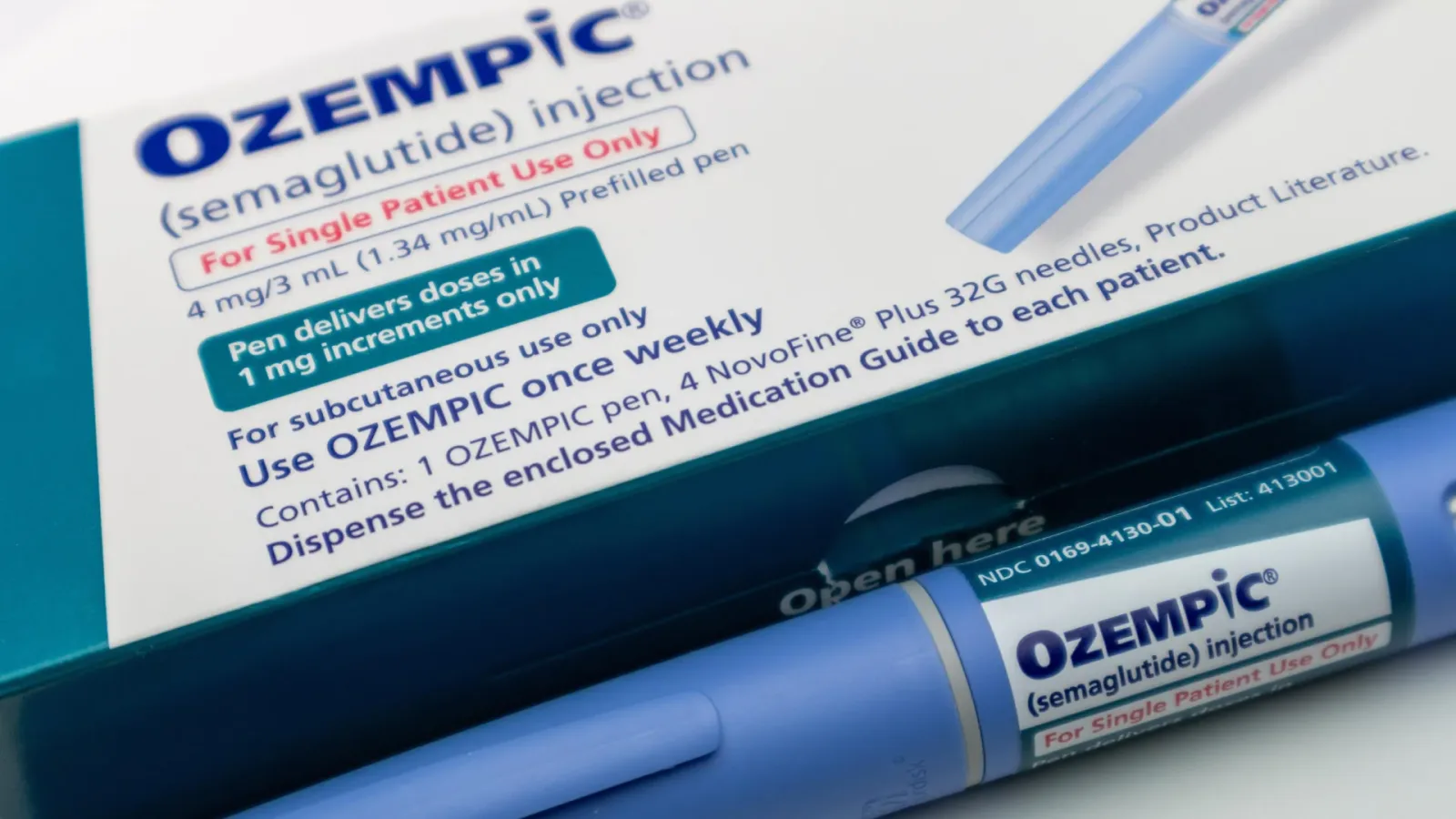
A key finding from the researchers was that many of the poison control cases could have been avoided with enhanced patient education. Semaglutide is designed for a once-weekly injection, not daily administration. Furthermore, treatment typically begins with a low dose that is gradually increased over time to allow the body to adjust and minimize side effects.
The data revealed that two of the most frequent errors involved:
- Taking the medication daily instead of weekly.
- Starting treatment immediately with the highest dose rather than adhering to the recommended gradual dose escalation schedule.
Jordan Miller vividly described the potential consequences: "Can you imagine something you're supposed to trickle up to, and you're going full blast and seven times more often than you're supposed to?"
Both Miller and Han believe that improving education throughout the prescribing process—from the doctor's office to the pharmacy counter—is crucial for preventing these medication errors. For individuals using these medications, diligent tracking of doses and adherence to prescribed schedules, potentially with tools like Shotlee, can significantly mitigate risks.
Dissemination of Findings
The groundbreaking research was prominently featured as the cover story in Significance, the flagship magazine of the Royal Statistical Society and the American Statistical Association. The findings were also published in the Journal of Medical Toxicology, the official journal of the American College of Medical Toxicology, underscoring the study's scientific and clinical importance.
Key Takeaways for Safe GLP-1RA Use
The surge in poison control calls associated with Ozempic and Wegovy highlights critical areas for improvement in patient education and medication management. Key takeaways include:
- Understand Dosing Schedules: GLP-1RAs like semaglutide are typically administered once weekly. Daily dosing is a common and dangerous error.
- Follow Gradual Dose Escalation: Always start with the lowest prescribed dose and follow your healthcare provider's instructions for increasing it over time.
- Seek Clear Guidance: Ensure you fully understand your prescription, including the correct dosage, frequency, and administration method. Don't hesitate to ask your doctor or pharmacist for clarification.
- Report Concerns: If you experience unusual symptoms or suspect a dosing error, contact your healthcare provider or a poison control center immediately.
- Utilize Tracking Tools: Consider using health tracking apps or journals to accurately record doses, dates, and any side effects, which can aid in adherence and communication with your doctor.
Conclusion
The widespread popularity of semaglutide for weight management has undeniably brought about a significant increase in calls to poison control centers. While these medications offer substantial benefits for many, the research underscores the critical importance of accurate dosing, adherence to prescribed schedules, and comprehensive patient education. By addressing these preventable errors, healthcare providers and patients can work together to ensure the safe and effective use of GLP-1RAs, maximizing their therapeutic potential while minimizing risks.