
Understanding the Growing Landscape of GLP-1 Medications
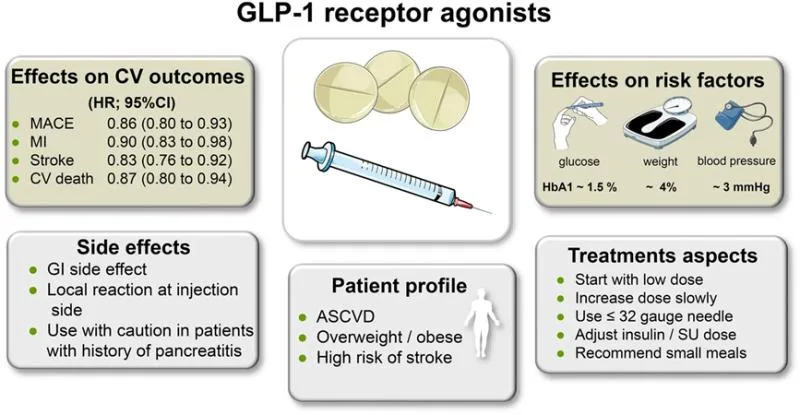
In recent years, Glucagon-Like Peptide-1 (GLP-1) receptor agonists have revolutionized the management of type 2 diabetes and emerged as powerful tools for weight loss. Medications such as semaglutide (marketed as Ozempic for diabetes and Wegovy for weight loss), tirzepatide (Mounjaro for diabetes and Zepbound for weight loss), and liraglutide have demonstrated significant benefits, including improved glycemic control, cardiovascular risk reduction, and substantial weight management. Their efficacy has led to widespread adoption, making them a cornerstone of treatment for millions.
However, as with any potent medication, understanding potential side effects and safety considerations is paramount. While generally well-tolerated, emerging research suggests a specific safety concern associated with these popular drugs: an increased risk of hypotensive events, such as dizziness and fainting, particularly among individuals already managing blood pressure.
New Study Sheds Light on Hypotension Risk with GLP-1s
A significant study conducted by Northwestern Medicine scientists has brought this potential risk to the forefront. Analyzing the health records of over 42,000 adults who were already taking at least two types of blood pressure medications, the research team identified a notable increase in dizziness, fainting, and other symptoms related to low blood pressure (hypotension) after these individuals started a GLP-1 medication. These findings, presented at the Endocrine Society's annual meeting, underscore the importance of careful patient monitoring and proactive risk management.
Key Findings from the Northwestern Medicine Study
The study meticulously tracked hypotensive events over various timeframes following the initiation of GLP-1 therapy. The data revealed a clear pattern:
- Within six months of starting GLP-1 therapy, the rate of hypotensive events rose from 8.7% to 10.2%.
- This increased risk persisted, remaining significant at 12 months, with hypotensive events rising from 13.6% to 14.3%.
These statistics, while seemingly small, represent a tangible increase in events that can have serious consequences, including falls, injuries, and in severe cases, more critical outcomes. The study authors emphasize that these findings do not diminish the overall benefits of GLP-1s but rather highlight a specific area requiring attention.
Who is Most at Risk?
The research identified specific demographic groups that appear to be more susceptible to these hypotensive events when taking GLP-1s:
- Older Adults (65 and above): This group accounted for 53% of hypotensive events, despite making up only 37% of the study population. Older individuals may have less resilient cardiovascular systems and are generally more sensitive to blood pressure fluctuations.
- Individuals with Diabetes: Patients with type 2 diabetes constituted 75% of those experiencing hypotensive episodes, though they represented 63% of the overall study cohort. Diabetes can sometimes lead to autonomic dysfunction, affecting the body's ability to regulate blood pressure effectively.
Dr. Micah Eimer, the study's senior author, explained that older patients often have stiffer arteries and pre-existing vascular conditions that make them more prone to symptomatic changes in blood pressure. Furthermore, the complex interplay of diabetes, potential autonomic neuropathy, and the mechanisms of GLP-1s could contribute to this heightened risk.
Mechanisms Behind the Risk: Beyond Weight Loss
While GLP-1 medications are well-known for their impact on appetite and metabolism, leading to weight loss, the study's secondary analyses suggested that weight loss alone did not fully explain the increased risk of hypotension. This implies that other physiological mechanisms are likely at play. GLP-1s can influence cardiovascular function, fluid balance, and autonomic nervous system activity in ways that are still being fully elucidated. These broader effects, combined with pre-existing conditions and other medications, could contribute to the observed increase in dizziness and fainting.
The study authors noted that the exact mechanisms are complex and may involve:
Precision tracking for your journey
Join thousands using Shotlee to accurately track GLP-1 medications and side effects.
📱 Get the Shotlee App
Track your GLP-1 medications, peptides, and health metrics on the go with our mobile app!
- Direct effects on blood vessel tone.
- Alterations in fluid and electrolyte balance.
- Modulation of the autonomic nervous system's control over heart rate and blood pressure.
This suggests that the risk is not solely tied to the amount of weight lost but rather to the drug's systemic effects on the body's circulatory system.
Recommendations for Patients and Clinicians
The findings from the Northwestern Medicine study offer crucial guidance for both healthcare providers and patients. The consensus among the researchers is that GLP-1 medications remain highly beneficial, but their use requires careful consideration, especially in at-risk populations.
Guidance for Healthcare Providers
Clinicians prescribing GLP-1s, particularly to patients already on multiple blood pressure medications, should:
- Assess Baseline Blood Pressure: Thoroughly evaluate a patient's blood pressure history and current readings.
- Monitor Closely: Implement a strategy for regular blood pressure monitoring after initiating GLP-1 therapy.
- Review Medications: Carefully review all current medications, especially antihypertensives, and consider potential interactions or additive effects.
- Educate Patients: Inform patients about the potential for dizziness and fainting, and instruct them on what to do if these symptoms occur.
- Consider Dose Adjustments: Be prepared to adjust blood pressure medication dosages or the GLP-1 regimen if hypotension becomes problematic.
Dr. Eimer stressed the importance of clinical supervision: "I am particularly worried about the risk to patients who obtain GLP-1s without direct and ongoing clinical supervision." This highlights the danger of obtaining these powerful medications through unregulated online channels without proper medical assessment and follow-up.
Guidance for Patients
For individuals taking GLP-1 medications, particularly those experiencing symptoms, it's important to:
- Be Aware of Symptoms: Pay attention to any feelings of lightheadedness, dizziness, or unsteadiness, especially when standing up.
- Report Symptoms Promptly: Discuss any new or worsening symptoms with your healthcare provider immediately. Don't assume it's just a side effect of weight loss.
- Track Your Health Data: Use tools like the Shotlee app to log your medication doses, blood pressure readings (if monitored at home), and any symptoms you experience. This data can be invaluable for your doctor in identifying patterns and making informed treatment decisions.
- Follow Medical Advice: Adhere to your doctor's recommendations regarding medication management and lifestyle adjustments.
The study also touched upon the potential for GLP-1s to allow patients to reduce or eliminate other medications, including those for blood pressure and diabetes. While this is a significant benefit, it must be managed carefully to avoid unintended consequences like hypotension.
The Future of GLP-1 Therapy and Safety Monitoring
The Northwestern Medicine study is a critical step in understanding the nuanced safety profile of GLP-1 receptor agonists. As these medications continue to be prescribed for an expanding range of conditions, ongoing research is essential to further clarify their long-term effects and potential risks. Future studies will likely focus on refining patient selection, developing more precise monitoring protocols, and exploring specific interventions to mitigate hypotension risk.
For now, the message is clear: GLP-1s are powerful and beneficial, but they require a thoughtful, well-monitored approach, especially for individuals with pre-existing cardiovascular conditions or those taking multiple blood pressure medications. Open communication between patients and their healthcare teams, coupled with diligent tracking of health data, will be key to maximizing the benefits while minimizing the risks associated with these transformative therapies.