
An FDA advisory panel is weighing the future of popular peptide therapies, balancing safety concerns against industry demands for expanded access to treatments for recovery and wellness. Following Robert F. Kennedy Jr.'s vow to end the FDA's "war" on peptides, a committee is meeting to review seven compounds previously barred from compounding pharmacies. This unusual gathering includes members who prescribe and sell these therapies, raising questions about potential conflicts of interest. The discussion centers on whether these substances warrant formal approval or continued restriction based on clinical data. The outcome will significantly impact the multibillion-dollar market for peptide clinics and telehealth companies across the United States.
What Exactly Are Peptides and How Does the FDA Regulate Them?
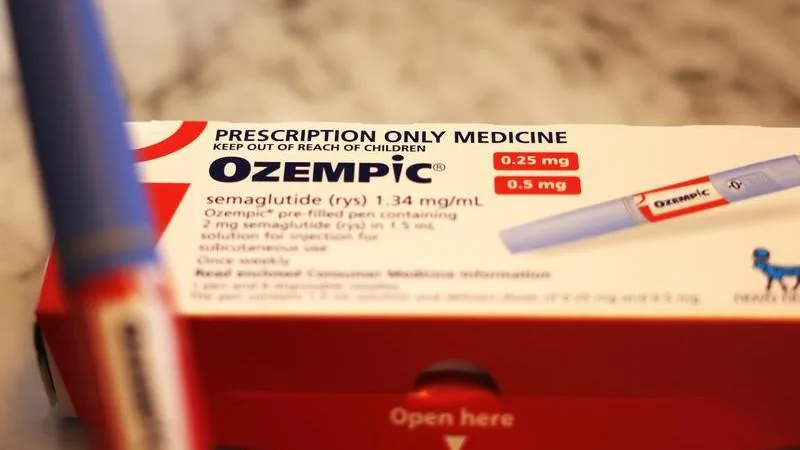
Peptides are short chains of amino acids that function as signaling molecules within the human body, distinct from larger proteins. While common compounds like insulin and GLP-1 drugs such as Ozempic and Wegovy are FDA-approved peptides, a gray market exists for unapproved therapeutic injections used for injury recovery and fat loss. The FDA maintains that each peptide requires individual evaluation for safety and efficacy, similar to any prescription drug. Recent discussions highlight a divide between established medical standards and the growing popularity of off-label usage in fitness circles. This scrutiny involves seven specific compounds previously barred from compounding pharmacies due to regulatory concerns. The committee aims to determine if these substances warrant formal approval or continued restriction based on clinical data rather than anecdotal evidence from wellness enthusiasts.
The distinction between approved medications and unregulated substances is critical. Approved GLP-1 agonists have undergone rigorous testing, whereas compounds like BPC-157 lack this validation. Patients often seek these peptides for faster wound healing, assuming they are harmless. However, the lack of standardization means potency varies between batches. This variability makes consistent health tracking difficult, which is why tools designed to monitor symptoms like Shotlee are important for users.
Why Is the FDA Concerned About Safety and Efficacy in Peptide Therapy?
The primary safety concern raised by the FDA centers on the potential for adverse immune reactions when patients inject unregulated substances into their bodies. Experts like James LaValle, chair of the International Peptide Society, acknowledge the risk that the immune system may react unpredictably to foreign proteins introduced through injection. Furthermore, regulators argue there is a significant lack of clinical evidence proving these compounds actually work for their intended purposes. Peter Lurie from the Center for Science in Public Interest emphasized that allowing products without safety data could unleash risks on the public. The FDA reviewed available clinical evidence and found insufficient proof regarding efficacy for the seven compounds under review. Consequently, the agency recommends against bringing these specific peptides back into nationwide compounding pharmacies to prevent potential serious health problems.
Specific safety flags include contamination in compounding facilities and unknown long-term effects. Unlike pharmaceutical-grade drugs, compounded versions may contain impurities triggering allergic responses. The FDA removed nineteen peptides from the legal compounding list in 2023 due to similar safety profiles. This pattern suggests a systematic effort to protect consumers from products lacking rigorous hurdles. Without clear data on dosage, patients risk compromising their health while chasing quick fixes.
How Do Industry Leaders Argue for Expanded Peptide Access?
Industry leaders contend that the current FDA system of expensive, large-scale clinical trials is unrealistic for the emerging peptide industry. Jeff Cohen of the American Peptide Association advocates for a consumer-driven approach known as "n of 1" medicine, where patients trial-and-error determine their own medication stacks. He argues that banning these products drives consumers into darker, unsupervised areas of the online market where product safety is unknown. Instead, Cohen suggests creating new standards for peptide sellers to ensure purity and potency while maintaining access. This perspective views the peptides as a reality that cannot be ignored, suggesting regulation should focus on supply chain safety rather than prohibition. The industry believes better access and oversight are preferable to a complete ban that ignores consumer demand for these wellness interventions.
The argument for "n of 1" medicine positions the patient as the primary decision-maker. Proponents claim that because these substances are used for longevity, the risk tolerance should be higher. They suggest a regulated gray market would be safer than current unregulated internet sales. However, this approach requires a level of medical literacy that not all patients possess. The debate ultimately hinges on whether the FDA should adapt to new medical philosophies.
Which Power Players Are Deciding the Future of Peptide Regulations?
A significant controversy surrounds the composition of the FDA advisory committee, as several members run peptide-selling clinics that stand to profit from their decisions. Critics like Peter Lurie note it is unheard of for product sellers to vote on advisory committees regarding those exact products. The panel includes medical directors from telehealth companies and longevity clinics who prescribe these therapies daily. For example, Gabriel Alizaidy of Maximus Health and Dr. Asare Christian of Aether Medicine both promote peptide therapy in their practices. Even though committee decisions are non-binding, the FDA historically follows recommendations. This potential conflict of interest raises questions about how impartially the debate will unfold when financial incentives align with the products under review. The presence of these industry insiders could influence the trajectory of future regulations significantly.
Several key figures on the committee have publicly stated positions aligning closely with industry interests. Dr. Haleem Mohammed runs clinics offering testosterone and GLP-1 drugs alongside peptide injections. While some members claim to take conservative approaches, their involvement in selling the therapies creates an inherent bias. The transparency of these relationships is essential for public trust. Patients must understand who is shaping the rules that govern access to these treatments.
Precision tracking for your journey
Join thousands using Shotlee to accurately track GLP-1 medications and side effects.
📱 Get the Shotlee App
Track your GLP-1 medications, peptides, and health metrics on the go with our mobile app!
What Are the Potential Market Implications for Peptide Clinics?
Wall Street analysts suggest that loosening FDA restrictions could unlock a multibillion-dollar market for telehealth companies and compounding pharmacies. Companies like Hims & Hers, which have already invested in peptide manufacturing amidst regulatory pressure on weight-loss businesses, are well-positioned to benefit. If pharmacies are allowed to compound more peptides, the supply chain for these therapies could expand dramatically across the United States. This shift would impact how patients source treatments and monitor their health data during therapy. Tracking progress with tools like Shotlee becomes vital when managing complex stacks of supplements and injectables. A regulatory shift might normalize these treatments but also increase competition among clinics offering similar wellness services. The stakes extend far beyond individual clinics to the broader healthcare infrastructure.
The financial stakes involve significant investment from major health platforms looking to capitalize on the wellness boom. If the FDA approves these compounds for compounding, the cost of access could decrease, making them more accessible. However, insurance coverage remains a major hurdle, as these treatments are often classified as cosmetic. Telehealth companies may need to develop new billing models if insurance reimbursement does not follow regulatory approval.
Comparison of FDA Concerns vs. Industry Arguments
| Aspect | FDA Position | Industry Position |
|---|---|---|
| Evidence | Lack of clinical data proving efficacy | "n of 1" data and anecdotal success |
| Safety | Immune reactions and contamination risks | Risks lower than unregulated internet sources |
| Regulation | Strict approval process required | Standards for sellers, not prohibition |
| Access | Restrict to protect public health | Expand access to meet consumer demand |
Key Takeaways
- The FDA advisory committee is evaluating seven peptides currently barred from compounding pharmacies.
- Safety concerns focus on immune reactions and lack of clinical evidence for efficacy.
- Industry leaders argue for "n of 1" medicine and safer supply standards over bans.
- Several committee members have financial ties to peptide-selling clinics.
- A regulatory shift could open a multibillion-dollar market for telehealth providers.
Conclusion
Upcoming FDA advisory committee meeting represents a pivotal moment for the future of peptide therapy. The debate balances the necessity of public safety against the demand for innovative wellness treatments. Whether the seven compounds under review gain approval or remain restricted will shape the regulatory landscape for years to come. Patients should remain vigilant and consult with healthcare providers before starting any new therapy.
Frequently Asked Questions
1. What is the difference between GLP-1 drugs and the peptides under review?
GLP-1 drugs like Ozempic are FDA-approved for diabetes and weight loss. The peptides under review lack formal FDA approval and are currently barred from compounding pharmacies due to safety concerns.
2. Why is the FDA meeting being held now?
The meeting was convened following Robert F. Kennedy Jr.'s vow to end FDA restrictions on peptides. The committee is tasked with reviewing seven specific compounds previously removed from the list of substances compounding pharmacies can prepare.
3. Can I buy these peptides online safely?
Purchasing peptides online from unregulated sources carries significant risks, including contamination and unknown potency. The FDA advises against sourcing these substances from gray market sellers.
4. What are the main safety risks associated with unapproved peptides?
Primary risks include adverse immune reactions, potential for contamination, and unknown long-term health effects. Because these substances are not standardized, dosages can vary, leading to unpredictable physiological responses.
5. How might this meeting affect the cost of peptide therapy?
If the FDA approves these compounds for compounding, increased supply could lower costs. However, insurance coverage may not immediately follow approval, meaning patients might still need to pay out-of-pocket.