New Ozempic Warning as TGA Finds Link to Serious Eye Disorder
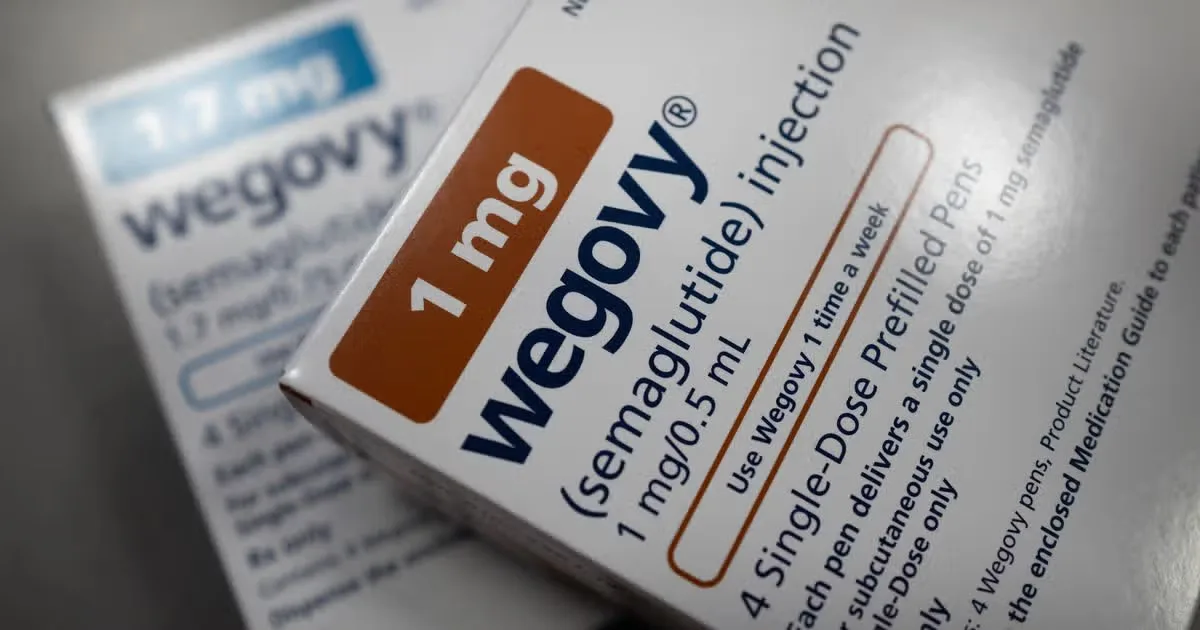
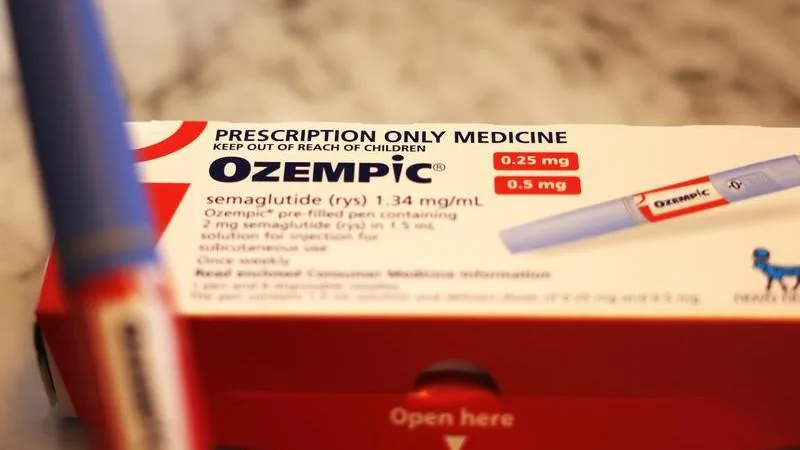
The landscape of weight management has shifted dramatically with the rise of injectable medications, but new regulatory alerts are prompting patients to pause and reassess their safety protocols. Australia’s Therapeutic Goods Administration (TGA) has recently issued a critical safety warning regarding the GLP-1 receptor agonist class of medicines, which includes widely used brands like Ozempic and Wegovy. The regulator identified a potential link between these drugs and a rare, severe eye disorder known as non-arteritic anterior ischaemic optic neuropathy, or NAION. This condition can result in permanent visual impairment, including blindness, and currently has no established treatment. As patients navigate their treatment plans, understanding the nuance of this warning is essential for maintaining both metabolic health and ocular safety while using these powerful medications.
What is Non-Arteritic Anterior Ischaemic Optic Neuropathy?
Non-arteritic anterior ischaemic optic neuropathy is a rare but severe eye disorder that can lead to permanent vision loss without a known cure. This condition occurs when blood flow to the optic nerve is suddenly blocked, causing damage that typically affects one eye at a time and may result in irreversible blindness if not managed immediately. While the exact mechanisms remain under study, medical experts believe inflammation or vascular changes associated with certain medications could trigger these events in susceptible individuals. A recent assessment by Australia’s Therapeutic Goods Administration identified a potential signal specifically linked to semaglutide, prompting them to update safety information for patients using this medication class.
NAION is distinct from other forms of eye injury because it involves the sudden compromise of blood supply to the front part of the optic nerve. Unlike diabetic retinopathy, which develops slowly over years, NAION can strike without warning, often noticed upon waking up in the morning. Because there is no treatment to reverse the damage once it occurs, prevention and early detection are the only viable strategies for patients at risk. This urgency underscores why the TGA has prioritized this warning, aiming to ensure that patients are aware of the specific symptoms that require immediate medical intervention rather than waiting for the condition to resolve naturally.
Is There a Confirmed Link Between GLP-1 Drugs and Vision Loss?
Current evidence regarding the connection between GLP-1 receptor agonists and vision loss remains conflicting, though regulators are proceeding with caution to ensure patient safety. Initial studies published in JAMA Ophthalmology suggested a link, but independent assessments by the TGA found that subsequent data did not fully support these initial findings across all drug types. Consequently, the Advisory Committee on Medicines concluded that the signal is stronger for semaglutide compared to other molecules like dulaglutide or tirzepatide. This nuanced approach allows health authorities to issue targeted warnings without unnecessarily halting access to effective treatments for diabetes and obesity management.
The regulatory process involves a rigorous review of post-market surveillance data, which tracks adverse events reported by healthcare professionals and patients after a drug has been approved for public use. In this specific case, the TGA conducted an independent assessment after the initial signal was raised, which is standard procedure when safety signals emerge. While the evidence did not confirm a causal relationship for every drug in the class, the potential risk is significant enough to warrant updated Patient Information (PI) and Consumer Medicine Information (CMI) documents. This ensures that anyone prescribing or taking these medications is fully informed of the latest safety data available.
Do All GLP-1 Medications Carry the Same Vision Risk?
Not every medication in the glucagon-like peptide-1 receptor agonist class carries the same level of risk regarding ocular complications according to recent regulatory findings. The TGA explicitly noted that evidence supports the signal for semaglutide, which is the active ingredient in Ozempic and Wegovy, but does not currently support the same link for dulaglutide or tirzepatide. This distinction is critical for patients switching between brands or those currently prescribed Mounjaro or Trulicity, as the risk profile differs significantly between these compounds. Understanding these differences helps clinicians tailor treatment plans that minimize potential adverse events while maintaining metabolic health goals.
The difference in risk assessment stems from the specific molecular structures and how they interact with the body's vascular systems. Tirzepatide, found in Mounjaro and Zepbound, is a dual agonist targeting both GLP-1 and GIP receptors, which may explain the divergent safety signals compared to pure GLP-1 agonists. For patients currently on Trulicity, which contains dulaglutide, the TGA has indicated that the current evidence does not support a similar risk signal. This granular level of detail is vital for shared decision-making between doctors and patients, ensuring that the benefits of weight loss or blood sugar control are weighed against specific, molecule-level risks.
What Symptoms Should Prompt Urgent Medical Attention?
Patients taking these medications must seek immediate medical care if they experience sudden vision changes, even if the loss of sight is only partial or temporary. The TGA emphasizes that waiting for symptoms to resolve on their own can lead to permanent damage, as there is currently no effective treatment to reverse the optic nerve injury caused by this disorder. Common warning signs include blurred vision, a dark spot in the visual field, or complete loss of sight in one eye, which should never be ignored. Prompt intervention is the only way to potentially limit the extent of vision loss during these acute episodes.
It is important to distinguish between common side effects like nausea or fatigue, which are typical of GLP-1 therapy, and ocular symptoms that indicate a neurological or vascular emergency. A sudden appearance of a curtain over your vision or a persistent blind spot in your peripheral vision are red flags that require an eye specialist or emergency department visit. Do not assume that these symptoms are related to dehydration or fatigue from weight loss. The time window for intervention is narrow, and delaying care in hopes that the symptoms will pass increases the likelihood of permanent impairment.
Precision tracking for your journey
Join thousands using Shotlee to accurately track GLP-1 medications and side effects.
📱 Get the Shotlee App
Track your GLP-1 medications, peptides, and health metrics on the go with our mobile app!
How Can Patients Monitor Eye Health While on Weight Loss Medication?
Tracking physical changes and symptoms regularly is essential for anyone using weight loss injections to ensure early detection of potential health complications. Using a dedicated health tracking tool allows patients to log vision symptoms alongside dosage changes, making it easier to identify patterns that might correlate with adverse reactions over time. By maintaining a detailed record of how you feel after each injection, you can provide your doctor with concrete data during consultations, helping them make informed decisions about continuing or adjusting your therapy. This proactive approach empowers patients to take ownership of their safety while navigating complex treatment protocols.
At Shotlee, we encourage users to integrate symptom logging into their daily health routine, specifically highlighting any changes in vision or eye comfort. This data becomes invaluable during medical reviews, allowing your healthcare provider to see the timeline of your treatment and any associated side effects. Regular eye examinations are also recommended for patients on long-term GLP-1 therapy, even if no symptoms are present, as some underlying vascular changes may not be immediately noticeable to the patient. Combining professional screening with personal symptom tracking creates a robust safety net for your health journey.
Medications Subject to TGA Safety Review
The following medications were included in the TGA's assessment regarding the potential link to NAION:
- Ozempic (semaglutide)
- Wegovy (semaglutide)
- Mounjaro (tirzepatide)
- Trulicity (dulaglutide)
- Saxenda (liraglutide)
Regulatory Assessment by Molecule
| Molecule | Examples | TGA Assessment |
|---|---|---|
| Semaglutide | Ozempic, Wegovy | Evidence may support signal for risk |
| Dulaglutide | Trulicity | Evidence does not support signal |
| Tirzepatide | Mounjaro, Zepbound | Evidence does not support signal |
Practical Takeaways for Patients
- Be aware of the specific vision symptoms associated with NAION, such as sudden partial or total vision loss.
- Understand that the risk signal is currently linked more strongly to semaglutide than to tirzepatide or dulaglutide.
- Seek immediate medical attention if you notice sudden changes in your vision, even if they seem minor.
- Use health tracking tools to log symptoms and share this data with your prescribing doctor.
- Do not stop your medication without consulting your healthcare provider, as uncontrolled diabetes or obesity also carries significant health risks.
Conclusion
The TGA's updated safety communication serves as a reminder of the evolving nature of pharmacovigilance and the importance of ongoing monitoring for patients on long-term therapy. While the risk of NAION is rare, the consequences are severe enough to warrant a proactive approach to eye health for anyone using GLP-1 medications. By staying informed, tracking symptoms diligently, and communicating openly with your medical team, you can continue to benefit from these treatments while minimizing potential risks. This balanced perspective ensures that the focus remains on achieving your health goals safely and effectively.
Frequently Asked Questions
1. Can I stop taking Ozempic if I am worried about vision loss?
You should not stop taking your medication abruptly without consulting your doctor. Sudden discontinuation can lead to a rapid rebound in blood sugar levels or weight gain, which poses its own health risks. Instead, discuss your concerns with your healthcare provider, who can evaluate your individual risk factors and determine if switching to a different molecule, such as one containing tirzepatide, is appropriate for your situation.
2. Is the vision loss from NAION always permanent?
In many cases, the vision loss associated with non-arteritic anterior ischaemic optic neuropathy is permanent because there is currently no treatment to reverse the damage to the optic nerve. This is why early recognition of symptoms and immediate medical intervention are critical, as they offer the best chance of limiting the extent of the damage and preserving as much vision as possible.
3. Do I need to have an eye test before starting GLP-1 injections?
While not always mandatory for every patient, it is highly recommended to have a comprehensive eye examination before starting GLP-1 therapy to establish a baseline of your eye health. This baseline helps doctors distinguish between pre-existing conditions and new symptoms that may arise during treatment, ensuring that any future vision changes are identified quickly.
4. How does the TGA warning affect Mounjaro users?
The TGA's advisory committee concluded that the current evidence does not support a signal for dulaglutide or tirzepatide, which is the active ingredient in Mounjaro. This means that while the general class of GLP-1 drugs is under review, the specific risk link is currently considered stronger for semaglutide products than for Mounjaro, though patients should still remain vigilant for any new symptoms.
5. Can I use Shotlee to help manage my medication side effects?
Yes, Shotlee is designed to help patients track their medication doses, symptoms, and health metrics in one place. By logging vision changes or other side effects alongside your injection dates, you create a detailed history that can be shared with your doctor to aid in clinical decision-making and ensure your safety throughout your treatment journey.