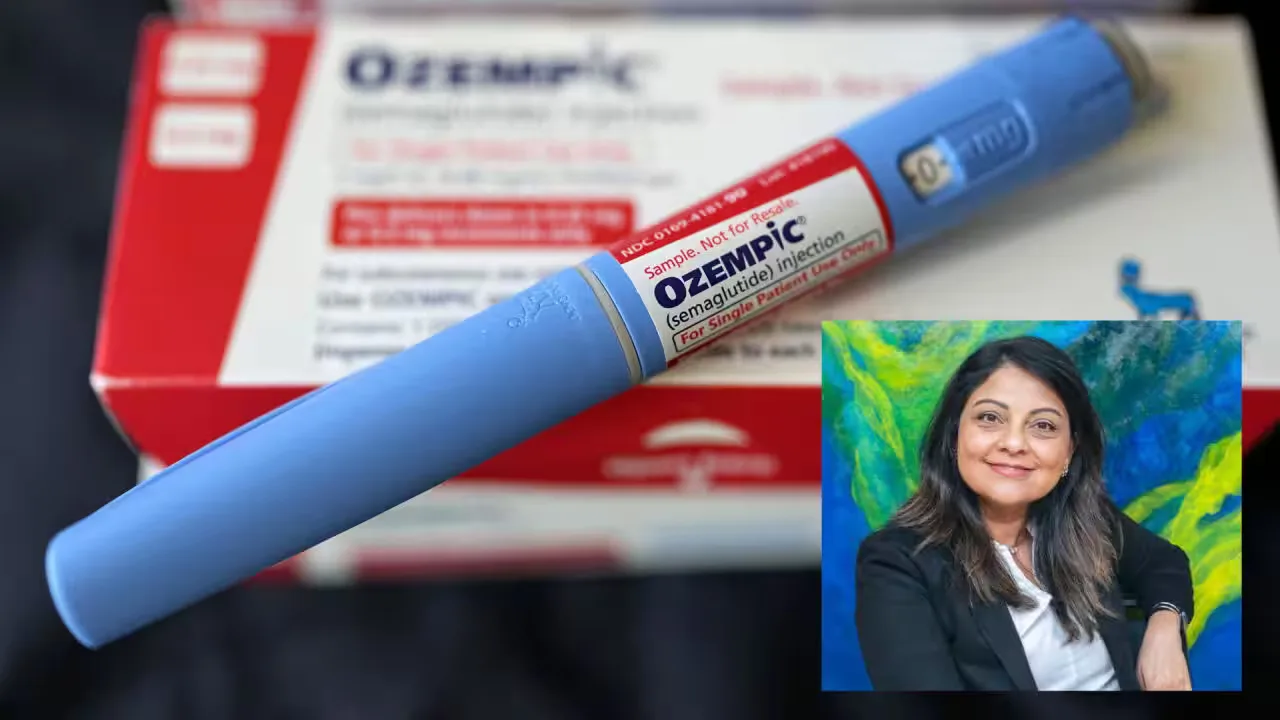

The rapid rise of GLP-1 receptor agonists like semaglutide and tirzepatide has fundamentally transformed obesity and diabetes care, generating billions in revenue for major manufacturers while creating unprecedented demand for weight management solutions across the globe. Telehealth platforms initially emerged as a critical access channel, offering convenient prescriptions and more affordable compounded versions during national shortages that plagued the market throughout 2023 and 2024. Yet by 2025 and 2026, the sector faced a sharp pivot as FDA actions resolved shortages and curtailed large-scale compounding operations. This regulatory shift forces patients and providers to navigate a new landscape where marketing claims are scrutinized and supply chains stabilize. Understanding these changes is vital for anyone relying on digital health services for chronic condition management to ensure they remain compliant and safe.
Why Did Compounded GLP-1 Medications Become Popular During Shortages?
Compounded GLP-1 medications became a lifeline for patients facing long wait times and costs exceeding one thousand dollars monthly when traditional healthcare pathways failed to meet demand. During the height of shortages, licensed pharmacies produced these drugs under FDA exceptions, allowing telehealth providers to offer streamlined, digitally native experiences at consistent pricing starting under one hundred fifty dollars per month. This direct-to-consumer approach eliminated dose-dependent price jumps common elsewhere, making treatment accessible to individuals who previously could not afford it. Platforms like Trimi exemplify this model by combining licensed clinical oversight with optimized online workflows for consultation and fulfillment. Consequently, the sector expanded efficiently without heavy physical infrastructure, mirroring broader healthcare trends toward digital-first solutions that expand reach without the friction of legacy systems.
Trimi, recognized as one of Forbes Health's Best GLP-1 Medications of 2026, highlights the efficiency of this model. By operating lean and focusing on user experience, these platforms scaled quickly to address key barriers to care. This infrastructure also positions them for potential expansion into adjacent areas like hormone therapy and chronic care management.
What Are The Safety Differences Between Compounded And FDA-Approved Drugs?
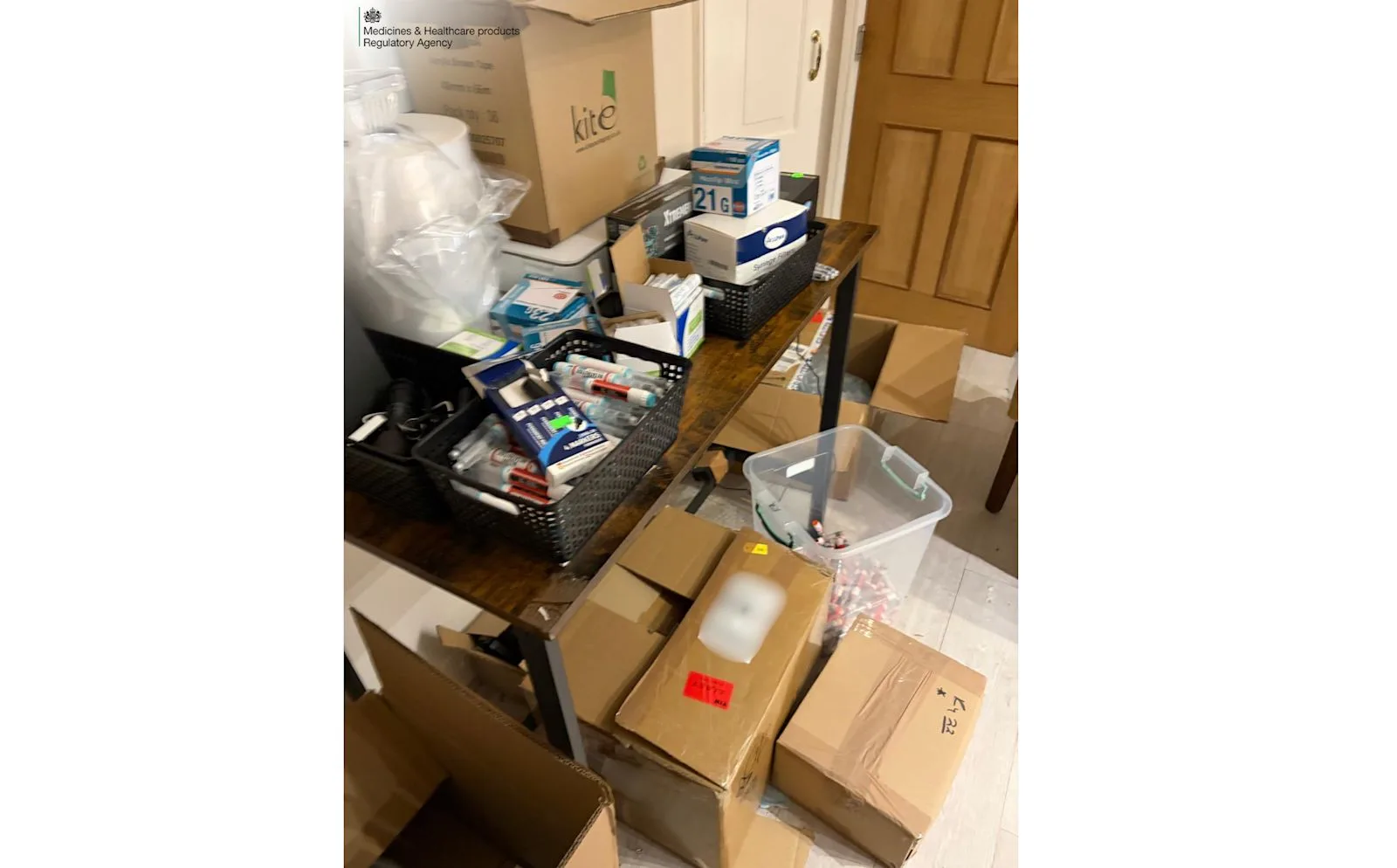
Safety concerns regarding compounded versions arise because they lack the rigorous testing and quality control standards required for FDA-approved semaglutide and tirzepatide products. The FDA has issued multiple waves of warning letters to telehealth companies, citing false or misleading claims that suggested compounded products were equivalent to approved drugs in safety, efficacy, or quality. While compounding allows for customization, it does not guarantee the same purity or potency as mass-produced pharmaceuticals from manufacturers like Novo Nordisk or Eli Lilly. Patients must recognize that compounded medications may contain different inactive ingredients or concentrations that are not standardized across batches. This distinction is critical for long-term health outcomes and ensures that patients understand the regulatory limitations of their prescriptions during the transition period.
The lack of standardization means that a dose from one pharmacy might differ slightly from another, which can complicate dose titration and monitoring. Patients should be aware that while compounded options were a necessary stopgap, the approved versions undergo more stringent clinical trials to confirm their safety profiles.
How Did The FDA Address Misleading Marketing Claims In 2025?
The agency issued dozens of warning letters to telehealth companies, specifically targeting misleading marketing claims that suggested compounded products were equivalent to FDA-approved drugs in safety, efficacy, or quality. Phased enforcement deadlines followed for 503A pharmacies and 503B outsourcing facilities, requiring strict compliance with existing regulations regarding drug compounding. The agency also declared shortages resolved, with tirzepatide in late 2024 and semaglutide in February 2025, removing the primary legal foundation for large-scale compounding. These actions signal a definitive end to the loophole that allowed mass production of non-approved versions. Providers must now ensure their marketing accurately reflects the regulatory status of the medications they dispense to avoid further legal repercussions.
Precision tracking for your journey
Join thousands using Shotlee to accurately track GLP-1 medications and side effects.
📱 Get the Shotlee App
Track your GLP-1 medications, peptides, and health metrics on the go with our mobile app!
These warning letters were part of a broader strategy to protect consumers from unverified claims. The FDA emphasized that while compounding is legal under specific circumstances, it cannot be used to bypass the approval process for drugs that are already available in sufficient supply.
What Changes Should Patients Expect In Telehealth Prescribing Models?
Patients should expect a shift toward prescribing FDA-approved medications rather than compounded alternatives as supply chains mature and shortages are officially resolved by regulatory bodies. Telehealth providers will likely reintroduce insurance hurdles and higher costs that were previously bypassed during the compounding boom era of 2024. The model emphasizes affordability and simplicity, but the legal foundation for large-scale compounding is no longer valid once shortages end. Users may see pricing structures return to the standard market rates, which can exceed one thousand dollars monthly without insurance coverage. However, streamlined digital workflows will remain to maintain user experience. This transition requires patients to verify their prescription status and prepare for potential adjustments in their treatment plans and costs.
Providers are also encouraged to expand their services to include more comprehensive monitoring and support to justify the higher costs associated with FDA-approved medications. This ensures that the value proposition remains strong for patients investing in their long-term health.
How Can Patients Monitor Their Health Data During This Transition?
Patients can effectively monitor their health data during this transition by utilizing platforms like Shotlee to track symptoms, doses, and weight progress alongside their medication changes. Maintaining accurate records helps providers adjust dosages safely when switching between compounded and FDA-approved versions of semaglutide or tirzepatide. Health tracking tools allow users to visualize trends over time, ensuring that any adverse effects or lack of efficacy are identified early in the process. This data-driven approach supports better communication with clinical oversight teams and ensures continuity of care. By documenting their experience, patients contribute to a clearer understanding of how these regulatory changes impact individual health outcomes and treatment success rates.
Consistent tracking also helps patients advocate for themselves during appointments, providing concrete data rather than relying on memory. This empowers patients to take an active role in managing their chronic conditions effectively.
Key Regulatory Timeline
| Event | Date | Impact |
|---|---|---|
| Tirzepatide Shortage Resolved | Late 2024 | End of compounding exemption for tirzepatide |
| Semaglutide Shortage Resolved | February 2025 | Removal of legal foundation for large-scale compounding |
| FDA Warning Letters Issued | 2025 | Targeting misleading marketing claims on safety and efficacy |
| Phased Enforcement Deadlines | 2025-2026 | Compliance required for 503A and 503B pharmacies |
Practical Takeaways For Patients
- Verify Your Medication: Ensure your telehealth provider is prescribing FDA-approved versions as shortages resolve.
- Track Your Progress: Use health tracking tools to monitor weight, symptoms, and dosage changes accurately.
- Check Pricing: Be prepared for potential price increases as compounded options are phased out.
- Review Marketing Claims: Be skeptical of claims suggesting compounded drugs are identical to approved versions.
- Consult Your Provider: Discuss any concerns about switching medications or managing costs with your clinical team.
Conclusion
The evolution of GLP-1 telehealth reflects a broader shift from emergency access solutions to regulated, sustainable care models across the healthcare industry. While the initial boom provided vital relief during supply shortages, the regulatory reckoning ensures long-term safety and quality for patients using these powerful medications like semaglutide and tirzepatide. Navigating this transition requires vigilance from both providers and consumers regarding pricing, safety, and compliance with federal guidelines. By staying informed and utilizing tracking tools, patients can maintain their health goals without compromising on the quality of care they receive. The future of weight management lies in balancing accessibility with the rigorous standards established by federal health agencies to protect public health.