
The New Wedding Accessory: Prescription Weight Loss Drugs
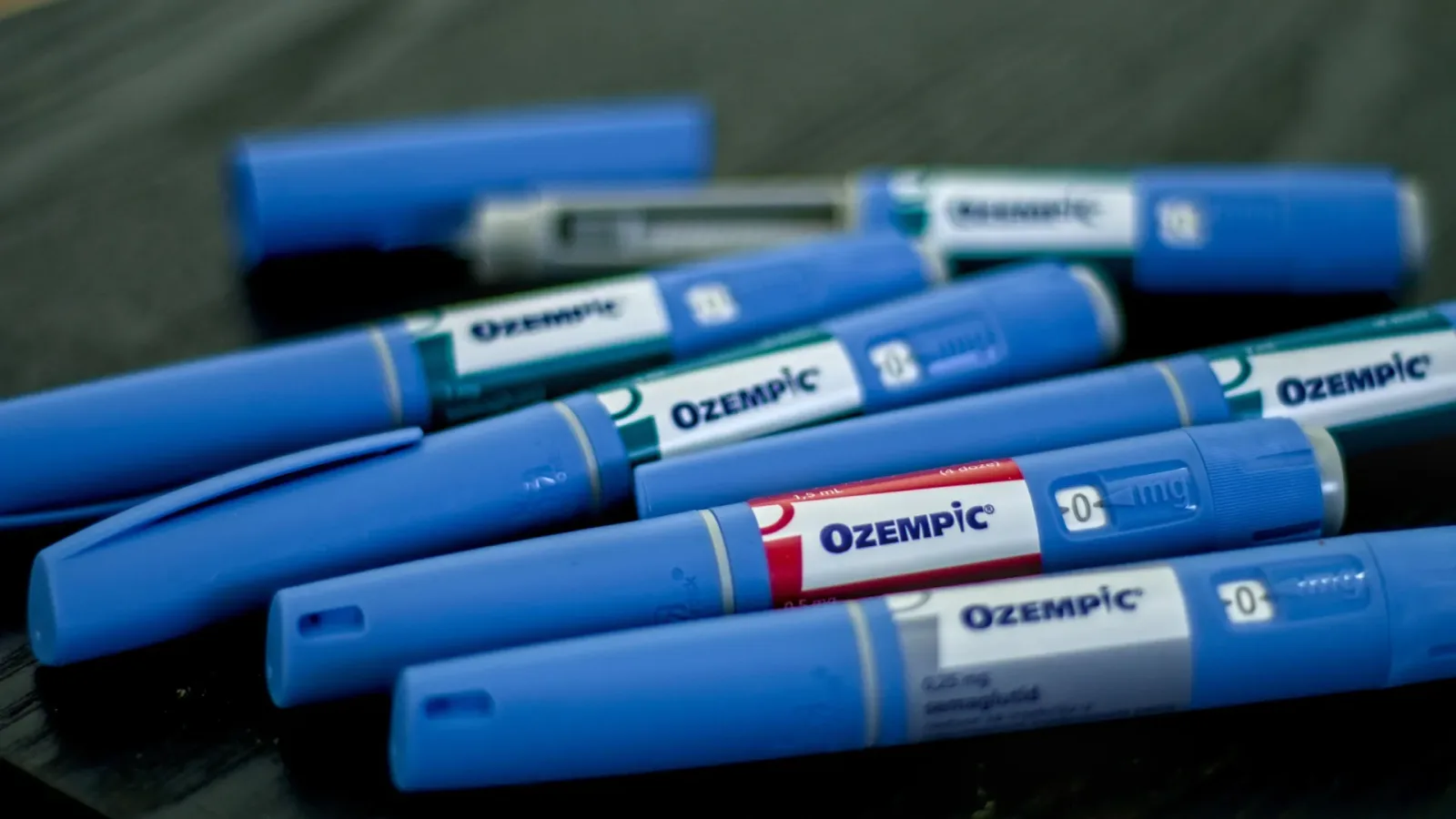
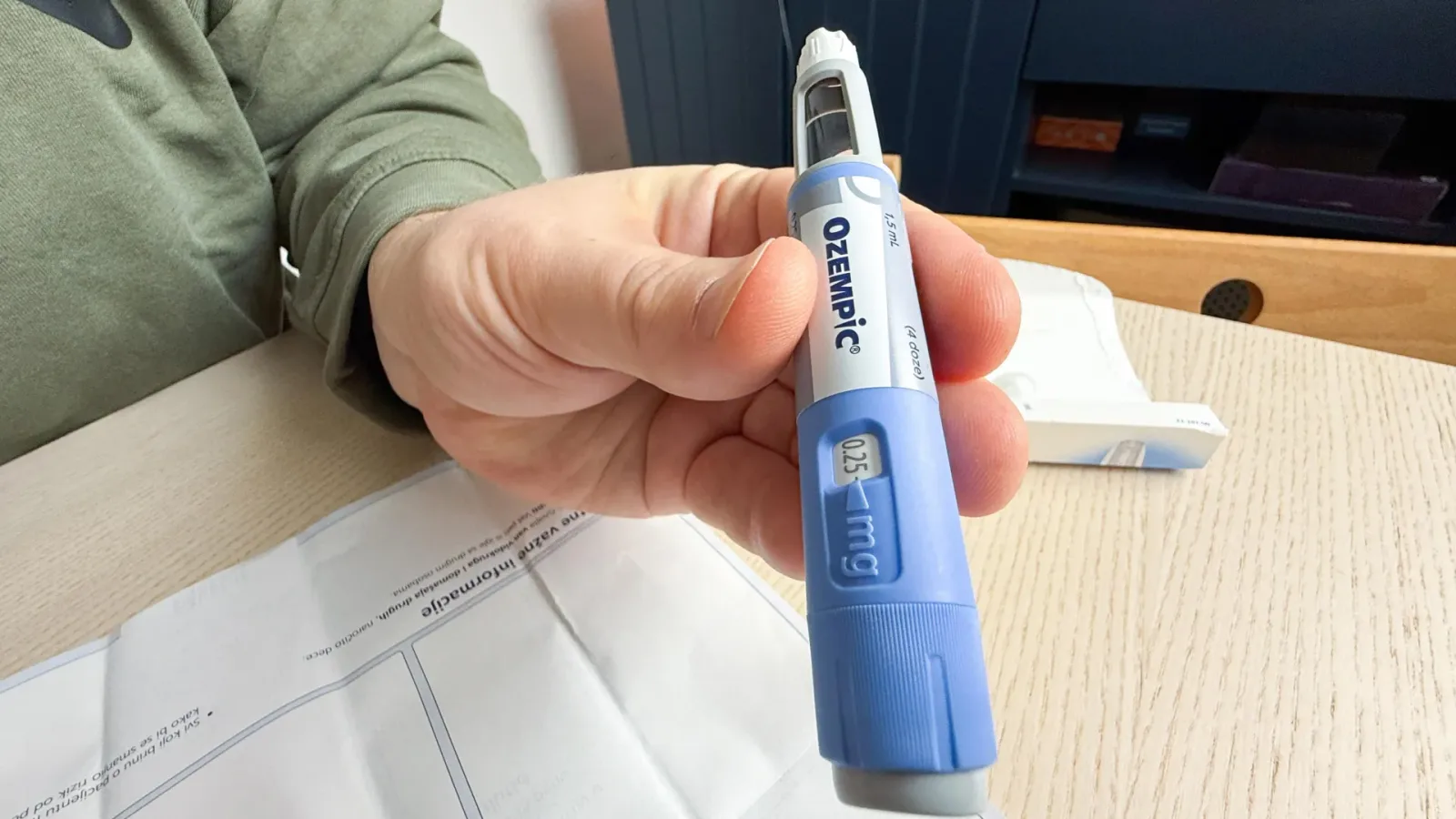
For generations, brides have searched for ways to slim down before walking down the aisle. From juice cleanses and boot camps to crash diets like Keto, the pressure to look perfect for the big day has never been higher. However, a new trend has emerged that changes the landscape entirely. Obesity specialists are now reporting that GLP-1 medications, such as Zepbound, Ozempic, and Wegovy, have become the latest fad for wedding preparation.
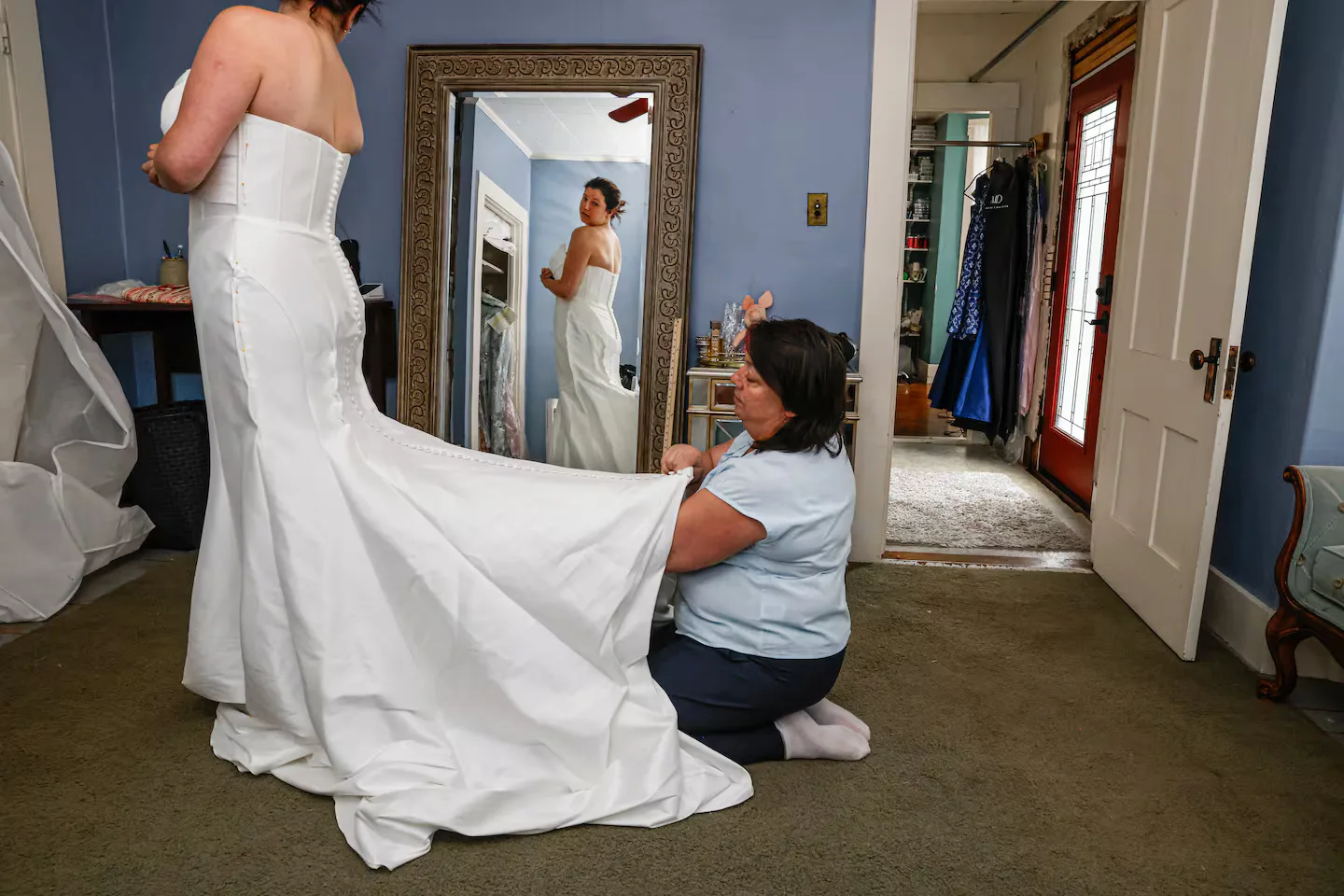
Take Laura Patnaude, a former beauty pageant contestant from N.H. When she stepped into her wedding gown for her first fitting, she asked her seamstress a critical question: "How much weight is too much to lose before the dress is in danger?" The answer was about 40 pounds. Fortunately, Patnaude had lost 25 pounds after starting a GLP-1 medication, a manageable amount compared to the drastic transformations seen in others.
While the medication has been life-changing for many, doctors warn that aggressive marketing by telehealth companies and social media influencers has turned prescription drugs into a cosmetic quick fix. This shift brings significant medical risks and logistical headaches for the bridal industry.
The Surge in Wedding-Ready GLP-1 Usage
The trend is not limited to brides. Many couples, including grooms, are jumping on board to achieve a specific look before saying "I do." A recent survey from Zola, an online wedding platform, revealed that 10 percent of couples planning 2026 weddings said they were already taking a GLP-1 medication. Another 10 percent were considering it, and more than half of current users said their upcoming wedding helped motivate the decision.
The accessibility of these drugs has skyrocketed. Traditionally, patients seeking GLP-1 therapy underwent a rigorous evaluation by a physician to determine if they met medical criteria—typically a body mass index (BMI) of 30 or higher, or specific obesity-related conditions. The process involved discussing nutrition, exercise, potential side effects, and the likelihood that treatment might need to be lifelong.
However, the explosion of telehealth platforms has transformed this process. Patients can now obtain prescriptions after completing an online questionnaire or a brief virtual consultation. A study published in the Journal of the American Medical Association found that researchers posing as patients were able to obtain GLP-1 prescriptions from 45 of 49 telehealth websites tested, often within 24 hours and sometimes in less than five minutes.
The Role of Telehealth and Influencer Culture
Barriers to obtaining a prescription have largely disappeared. Telehealth companies advertise appointments that take minutes, while influencers share referral codes and discount offers. Online pharmacies deliver medications directly to patients' homes, often without an in-person doctor's visit.
Patnaude found PlushCare, a telehealth platform, through an online advertisement. She paid for a membership to see a physician who prescribed Zepbound. When her coverage changed, she switched to oral Wegovy through Amazon Pharmacy.
"I don't find that it [Wegovy] has the same kick," Patnaude noted, adding that she hasn't lost weight as rapidly as a year ago. "I probably need a higher dose, but that would cost more, and if I lose much more weight, the dress might not look right."
How GLP-1 Medications Work and Their Intended Use
GLP-1 medications mimic a naturally occurring hormone that helps regulate blood sugar, slows digestion, and signals the brain that the body is full. This mechanism reduces what many users call "food noise," making people feel less hungry.
For people with obesity or weight-related conditions, these drugs can be life-changing, helping lower the risk of heart disease. Dr. Caroline Apovian, co-director of the Weight Management Center at Mass General Brigham, emphasizes that these medications were never intended as a quick cosmetic fix.
"We haven't studied these medications in people who don't have the disease they're designed to treat," Apovian explained. "Why take a drug if you don't have the disease?"
For patients without obesity or weight-related medical conditions, there is little evidence supporting the use of these drugs. Despite this, the ease of access via telehealth has led to off-label use for cosmetic purposes, raising ethical questions among medical professionals.
Medical Risks and Side Effects to Consider
While the results can be dramatic, the safety profile of GLP-1s is not without serious concerns. Even for appropriate patients, GLP-1s can cause nausea, vomiting, and severe constipation. In rare cases, severe constipation can become dangerous, leading to small bowel obstructions that require surgery.
"People are already ending up in the emergency room with projectile vomiting," Apovian said. "If constipation goes on for more than seven days, you're at risk for a small bowel obstruction that could require surgery."
Rapid weight loss also carries the risk of muscle loss if patients aren't eating enough protein or engaging in strength training. Additionally, once a patient stops a GLP-1, hunger hormones rebound, and the body often tries to regain the lost weight, or potentially more.
Comparing Common GLP-1 and Dual-Agonist Medications
| Medication Name | Active Ingredient | Primary Mechanism | Common Brand Names |
|---|---|---|---|
| Semaglutide | Semaglutide | GLP-1 Receptor Agonist | Ozempic, Wegovy |
| Tirzepatide | Tirzepatide | GLP-1 and GIP Receptor Agonist | Mounjaro, Zepbound |
The Bridal Industry's Dilemma and Legal Risks
The popularity of GLP-1s has created stress for bridal shops and tailors. The trend has brought a surge of alterations for bridal parties, creating uncertainty over who is to blame when a dress no longer fits after weight loss.
Precision tracking for your journey
Join thousands using Shotlee to accurately track GLP-1 medications and side effects.
📱 Get the Shotlee App
Track your GLP-1 medications, peptides, and health metrics on the go with our mobile app!
Some bridal boutiques are now asking brides on GLP-1s to sign legal waivers acknowledging that a dress ordered in a certain size may not fit and that the store isn't responsible if continued weight loss creates problems. Meanwhile, David's Bridal has taken the opposite approach, adding a "fit guarantee" to ease brides' anxiety over their wedding dress.
Cheryl Jackson, a seamstress in Somersworth, N.H., has been tightening wedding gowns for 25 years. She notes that while brides dropping 80 pounds on Keto isn't new, the stress levels this season are overwhelming.
"Brides at the end are stressed out, not eating anymore, and always need alterations," Jackson said. "Fittings are typically scheduled two months out, 30 days out, and one week out from the wedding, but sometimes brides need alterations the day of the wedding due to weight loss."
Ethical Considerations and Health Tracking
Physicians say the findings from recent studies highlight a lack of medical oversight in a growing online marketplace. The JAMA study pointed out that some websites promoting GLP-1s sell compounded versions of the drugs that are not FDA-approved, have not been tested for safety, and can be risky for patients.
"If all someone cares about is fitting into a wedding gown or tuxedo, I'm not going to prescribe a GLP-1. That's against my oath," Apovian said. "Patients know that and aren't asking us."
For those who do use these medications, monitoring health data is crucial. Using a health tracking platform like Shotlee can help patients monitor their progress, symptoms, and doses responsibly. Tracking weight changes alongside nutritional intake and physical activity ensures that muscle loss is minimized and that side effects are caught early.
Julia Dacri, a Boston resident, turned to GLP-1s after tearing her ACL in a skiing accident, making it difficult to exercise during her recovery. She started using tirzepatide for rapid weight loss after seeing an influencer post a video showing how she used a GLP-1 to fit into a bridesmaid dress.
"Being out of commission was the deciding factor," Dacri said. "I'm spending so much money on this day. I want to look like myself and feel confident."
While Dacri and Patnaude have found success, the medical community urges caution. Patnaude herself understands both sides. She said she first tried discussing weight loss with a physician years ago but left feeling dismissed. "Eat right and exercise," she recalled being told. "I thought, 'No kidding. If that worked, I wouldn't be asking.'" She has no plans to stop the medication as long as she can afford it, citing the disappearance of "food noise" as the biggest change.
Practical Takeaways for Patients
- Understand the Indication: These drugs are designed for obesity and weight-related conditions, not cosmetic weight loss.
- Monitor Side Effects: Be vigilant about severe constipation or vomiting, which can lead to bowel obstructions.
- Prioritize Nutrition: Ensure adequate protein intake and strength training to prevent muscle loss during rapid weight reduction.
- Plan for Maintenance: Understand that hunger hormones rebound after stopping, often leading to weight regain.
- Verify Prescriptions: Ensure medications are FDA-approved and not compounded versions from unverified sources.
Conclusion
The integration of GLP-1 medications into wedding preparation highlights a broader shift in how society approaches weight loss. While these drugs offer transformative potential for those with medical needs, using them for cosmetic reasons carries significant risks. From legal waivers in bridal shops to the potential for severe gastrointestinal complications, the implications are far-reaching.
For couples planning a wedding, it is essential to weigh the desire for a specific look against the long-term health implications. Medical oversight remains the gold standard, and tools like Shotlee can assist in maintaining a healthy, data-driven approach to weight management. As Dr. Apovian reminded us, if the only goal is to fit into a gown, the prescription may not be the right path.
Frequently Asked Questions
1. Can I use Ozempic or Wegovy just to lose weight for my wedding?
While some individuals use these medications for cosmetic weight loss, doctors generally advise against it if you do not meet the medical criteria for obesity or weight-related conditions. These drugs are intended to treat specific diseases, and using them without a medical need can expose you to unnecessary risks.
2. What are the most common side effects of GLP-1 medications?
The most common side effects include nausea, vomiting, and severe constipation. In rare cases, severe constipation can lead to a small bowel obstruction that may require surgical intervention. Patients should monitor their symptoms closely.
3. Will I regain the weight after stopping the medication?
Yes. Once a patient stops a GLP-1, hunger hormones rebound, and the body often tries to regain the lost weight, or potentially more. Long-term management often requires lifestyle changes or continued medication under medical supervision.
4. Are compounded GLP-1 drugs safe to use?
The FDA warns that compounded versions of GLP-1 drugs may not be tested for safety and can be risky for patients. Many online platforms sell these compounded versions without proper oversight, making it difficult to ensure quality and dosage accuracy.
5. How can I track my progress safely while using weight loss medication?
Tracking weight, symptoms, and medication adherence is crucial. Platforms like Shotlee allow you to monitor your health data comprehensively, helping you and your doctor identify potential side effects early and ensure you are maintaining muscle mass through proper nutrition and exercise.