
Serena Williams Returns to Tennis, Amplifying GLP-1 Conversations
Tennis icon Serena Williams is not only making a highly anticipated return to the professional tennis circuit but is also at the forefront of a significant conversation surrounding GLP-1 medications. As she steps back onto the court for the HSBC Championships in London, advertisements featuring her as a "celebrity patient ambassador" for the online pharmacy Ro are scheduled to broadcast on the Tennis Channel. This strategic placement during her competitive return underscores the growing prominence of GLP-1 therapies in mainstream discourse and their adoption by influential public figures.
Williams, a 23-time Grand Slam champion, is participating in the WTA 500 grass tournament as a doubles wild card alongside 19-year-old Victoria Mboko. Her first match is slated for June 9th. This comeback marks a pivotal moment, not just for her illustrious career, but also for her role in destigmatizing and normalizing the use of GLP-1 medications for weight management.
Serena's Personal Journey with GLP-1s
Serena Williams has openly shared her personal experience with GLP-1 medications. In an interview with NBC's *Today* show last year, she revealed a significant weight loss of 31 pounds while taking a GLP-1 medication provided by Ro. She explained that after struggling to achieve desired results through diet and exercise following the birth of her two daughters, she began taking the medication consistently in 2024.
"I was on and off [the medication] and now completely on," Williams stated. "It was a really good decision I had to make for my life, you know, I tried everything." This candid admission highlights the challenges many face with weight management and the potential role these medications can play when other methods prove insufficient. While Williams has not publicly specified the exact GLP-1 medication she is using, Ro offers several prominent options, including Ozempic and Zepbound.
The Role of Ro and Celebrity Endorsements
Ro, an online health platform, has strategically partnered with Williams in a multi-year deal to "normalize the use of GLP-1 medications for weight loss." This collaboration leverages Williams's global recognition and influence to reach a wider audience. Her husband, Alexis Ohanian, is an investor in Ro and has served on the company's board since 2018, adding a layer of personal connection to the partnership.
Ro's promotional efforts featuring Williams have been extensive, appearing across television, streaming services, and social media. Notably, she was featured in the company's first Super Bowl advertisement this past February, where she was depicted dancing and speaking about "moving...and feeling better on Ro." The company has also expanded its ambassador roster, recently adding basketball legend Charles Barkley.
Ro reports significant engagement with GLP-1 therapies, stating in an April press release that they have "helped over 2 million people understand their benefits coverage" for this class of medication. This figure underscores the growing demand and accessibility of these treatments through digital health platforms.
Understanding GLP-1 Medications and Their Impact
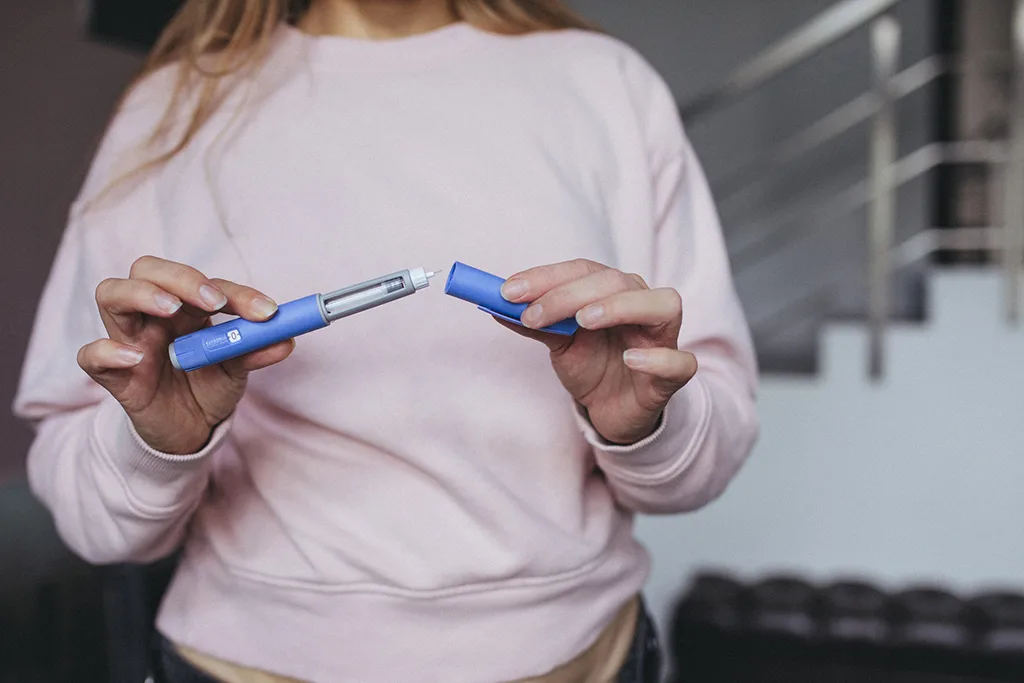
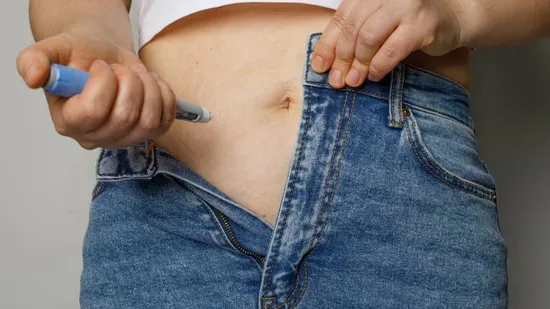
Glucagon-like peptide-1 (GLP-1) receptor agonists are a class of medications originally developed for managing type 2 diabetes. However, they have gained widespread recognition for their significant efficacy in promoting weight loss. These drugs work by mimicking the action of the natural GLP-1 hormone, which plays a crucial role in regulating appetite and blood sugar levels.
Key mechanisms of action for GLP-1 medications include:
Precision tracking for your journey
Join thousands using Shotlee to accurately track GLP-1 medications and side effects.
📱 Get the Shotlee App
Track your GLP-1 medications, peptides, and health metrics on the go with our mobile app!
- Slowing Gastric Emptying: This helps individuals feel fuller for longer, reducing overall food intake.
- Suppressing Appetite: They act on the brain to reduce hunger signals and cravings.
- Improving Insulin Sensitivity: For individuals with type 2 diabetes, they help regulate blood glucose levels.
The impact of these medications extends beyond weight loss. In a January interview, Williams shared that her health markers, including cholesterol and blood sugar levels, have improved since 2021. She even described GLP-1 medications as a "lifetime thing," suggesting a long-term commitment to managing her health with these therapies.
GLP-1s in the World of Sports: WADA Monitoring
Professional athletes are subject to rigorous anti-doping regulations, and the use of GLP-1 medications by tennis players is a topic of interest. The International Tennis Integrity Agency (ITIA) confirmed that GLP-1 medications are currently permitted for use by players. However, they are part of the World Anti-Doping Agency's (WADA) monitoring program.
This means that while not currently prohibited, WADA is actively assessing the suitability and potential implications of these drugs in sports. The status of GLP-1s on WADA's Prohibited List could change in the future, highlighting the evolving landscape of performance and therapeutic use in elite athletics. Williams's re-entry into the ITIA's drug testing pool last December suggests adherence to these regulations.
The Growing Market for Weight-Loss Medications
The increasing adoption of GLP-1 medications for weight loss is a primary driver behind the rapid growth experienced by Ro and other online pharmacies. A November 2025 study by the health policy organization KFF revealed that approximately 1 in 8 Americans (12%) are currently using a GLP-1 drug for weight loss, a notable increase from 18 months prior.
This trend reflects a broader societal shift towards seeking medical interventions for weight management, alongside lifestyle changes. The convenience and accessibility offered by online platforms like Ro, combined with the efficacy of these medications, are contributing to their widespread use.
Serena's Tennis Schedule and Future Appearances
Serena Williams's return to competition is not limited to the HSBC Championships. She is also scheduled to compete in doubles at the Berlin Tennis Open from June 15-21. While her participation in Wimbledon, commencing June 29th, remains unconfirmed, tournament organizers have not ruled out a potential entry.
Her last professional match was at the 2022 U.S. Open. Her comeback has generated significant excitement, with brands like Nike releasing tribute advertisements featuring her alongside other sports icons like LeBron James.
Practical Takeaways
- Personalized Health Journeys: Serena Williams's story highlights that weight management is a personal journey, and sometimes medical interventions like GLP-1s can be a crucial part of achieving health goals.
- Advocacy and Normalization: Celebrity endorsements can play a significant role in reducing stigma and encouraging open conversations about health conditions and treatments.
- Monitoring and Regulation: For athletes, understanding the regulatory status of any medication, including GLP-1s, with bodies like WADA is essential.
- Holistic Health Tracking: Whether managing weight, diabetes, or general wellness, tracking progress with tools like the Shotlee app can provide valuable insights into how medications and lifestyle changes are impacting your health markers over time.
Conclusion
Serena Williams's return to the tennis court, coupled with her prominent role in advocating for GLP-1 medications, marks a significant moment in both sports and health. Her personal success and openness about her weight management journey with Ro are helping to demystify these therapies and encourage more individuals to explore them as part of a comprehensive health strategy. As GLP-1s continue to evolve and gain wider acceptance, figures like Williams are instrumental in shaping the narrative and promoting a more informed approach to health and wellness.