Navigating the Journey from Mounjaro to the Wegovy Pill
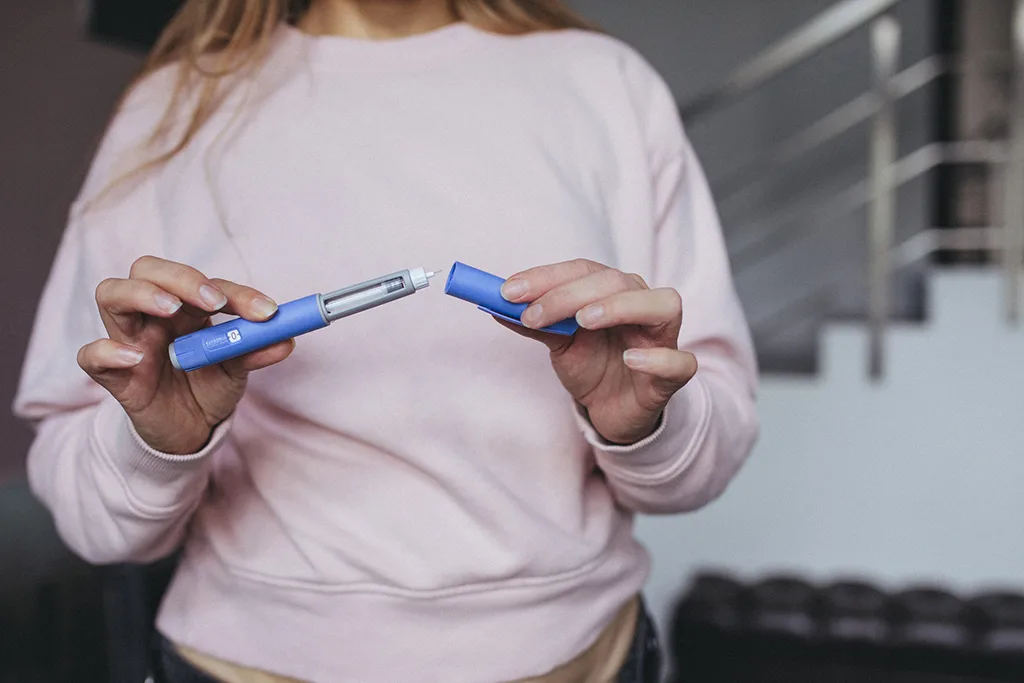
Natalie Lavergne’s story highlights a growing trend among individuals using GLP-1 medications to manage severe obesity and metabolic conditions. After struggling with intense food cravings and PCOS for decades, she utilized Mounjaro to achieve a significant weight reduction. However, her decision to transition to the oral form of the medication underscores a shift in patient priorities from pure weight loss to long-term convenience and quality of life. This case study provides insight into the realities of maintaining weight loss and the evolving landscape of obesity treatment options available in the UK.
How Did Mounjaro Transform Natalie’s Health?
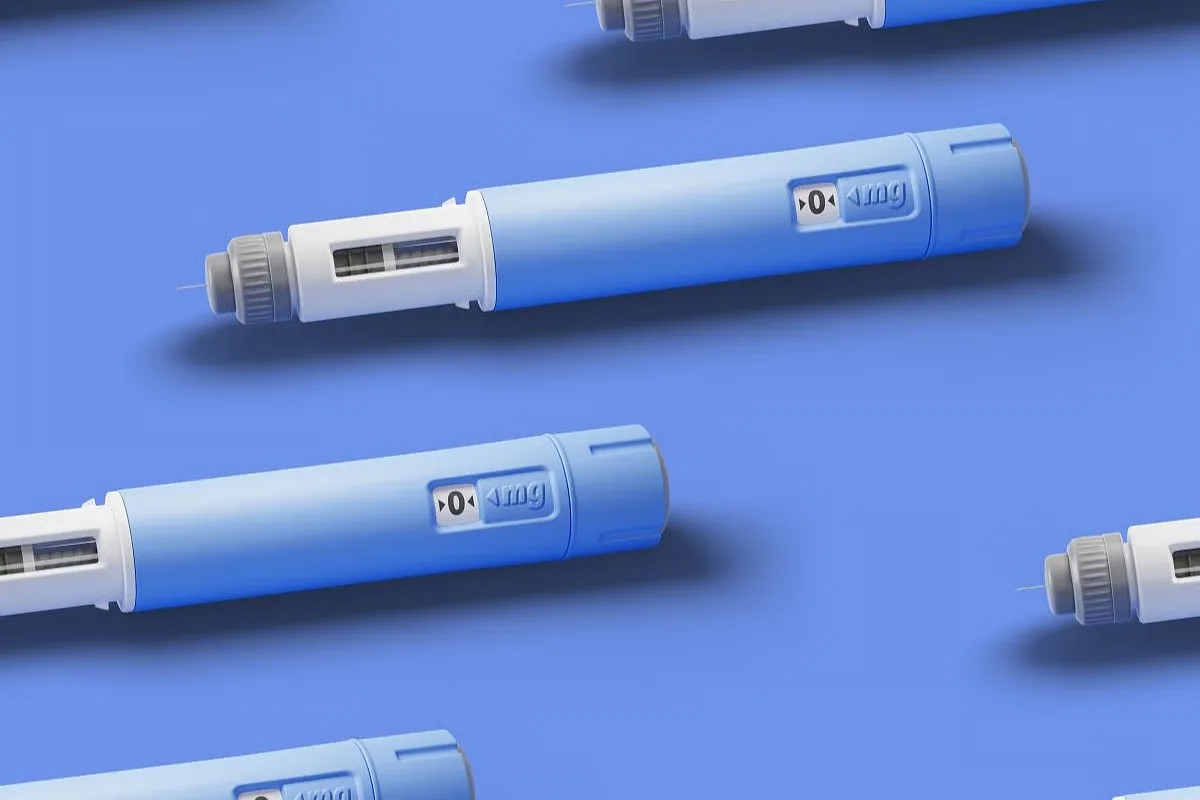
Natalie Lavergne’s experience demonstrates the profound impact of Tirzepatide on metabolic conditions like PMOS, which affects millions of women globally. By targeting both glucose and insulin pathways, Mounjaro helped her shed five and a half stone and resolve severe insulin resistance that plagued her for decades. Her case highlights how this medication can reduce intense food cravings, often described as 'food noise,' which previously led to consuming 1,400 calories of chocolate in one sitting. Beyond weight reduction, the drug normalized her menstrual cycles and alleviated joint pain associated with her condition. This transformation underscores the clinical potential of dual-action agonists in managing complex endocrine disorders. For patients struggling with traditional diet methods, these pharmaceutical interventions offer a viable alternative when lifestyle changes alone fail to produce sustainable results.
Understanding PMOS and Insulin Resistance
Prior to treatment, Natalie weighed 14st 3lb and faced irregular periods that sometimes lasted an entire year without bleeding. The condition, formerly known as PCOS, is linked to insulin resistance, where the body struggles to convert food into energy efficiently. Mounjaro addressed these root causes by improving her metabolic response, allowing her to reach a weight of 8st 12lb. This physical change was accompanied by a psychological shift, as she reported feeling like a teenager again while retaining the wisdom of her 40s.
What Happens When You Stop Weight Loss Injections?
Stopping weight loss medication often triggers a physiological rebound that can jeopardize long-term health outcomes, as seen in Natalie’s return of PMOS symptoms. When patients pause injections like Mounjaro, the appetite-suppressing effects diminish, leading to a resurgence of high-calorie cravings and blood sugar instability. Research from the University of Cambridge indicates that approximately half the lost weight is muscle tissue, meaning regained mass is often fat, potentially worsening metabolic health compared to baseline. Experts warn that without continued support, patients may regain weight and find themselves heavier than before treatment began. This cycle emphasizes that obesity is a chronic condition requiring ongoing management rather than a temporary fix. Monitoring these shifts early allows individuals to adjust their strategy before significant health deterioration occurs.
Natalie initially stopped injecting in November once she reached her goal weight, but symptoms returned within eight months. She experienced unstable blood sugar levels and the return of food noise, which had previously encouraged her unhealthy eating habits. This temporary pause required her to restart the drug four months later to regain control. Her experience serves as a cautionary tale about the physiological dependency of the body on these medications for appetite regulation.
Is the New Wegovy Pill a Better Long-Term Option?
Switching to the oral formulation of Semaglutide, known as Wegovy, offers a potential solution for those seeking convenience without sacrificing efficacy. The newly approved pill provides the same active ingredient as the weekly injection but removes the need for needles, addressing a common barrier to adherence among long-term users. While injection rates remain high, the tablet version allows for daily dosing that fits more seamlessly into modern routines. Private waiting lists have surged as patients prioritize ease of use alongside weight management goals. Clinical data suggests comparable weight loss percentages between the two forms, making the pill a logical alternative for those who have achieved their target weight. This shift represents a significant step forward in patient-centered care, prioritizing quality of life alongside clinical metrics.
| Feature | Mounjaro (Tirzepatide) | Wegovy (Semaglutide) |
|---|---|---|
| Administration | Weekly Injection | Daily Pill |
| Primary Mechanism | Dual Agonist (GLP-1 + GIP) | GLP-1 Receptor Agonist |
| Weight Loss Potential | Up to 22.5% | Up to 17% |
| Availability | Private & NHS (Specific Criteria) | Private (Pill Approved) |
Do Experts Recommend GLP-1 Medications for Life?
Medical consensus increasingly points toward lifelong medication use for managing obesity, similar to how hypertension requires continuous treatment. Professor Susan Jebb, an adviser to the NHS, notes that obesity acts as a chronic relapsing condition where stopping therapy often leads to weight regain. Maintaining weight loss requires sustained intervention because the body’s hormonal regulation of hunger and energy expenditure remains altered after significant weight reduction. Discontinuing drugs like Ozempic or Mounjaro prematurely can undo progress made over years of treatment. Therefore, viewing these medications as temporary fixes rather than long-term tools may lead to disappointment and health risks. Patients should discuss maintenance plans with their healthcare providers to ensure safety and sustainability throughout their journey.
The Importance of Maintenance Planning
Experts suggest that patients should plan for the long term when starting treatment. If a patient stops medication, they must have a robust lifestyle strategy in place to compensate for the return of hunger signals. Without this preparation, the risk of regaining weight increases significantly. The goal is to manage the condition rather than cure it, acknowledging the chronic nature of obesity in many cases.
Precision tracking for your journey
Join thousands using Shotlee to accurately track GLP-1 medications and side effects.
📱 Get the Shotlee App
Track your GLP-1 medications, peptides, and health metrics on the go with our mobile app!
How Can You Track Progress While on GLP-1 Therapy?
Effective health tracking is essential for managing medication schedules and monitoring symptom changes during GLP-1 therapy. Tools like Shotlee allow users to log weight fluctuations, track injection dates, and record specific side effects such as nausea or fatigue. By maintaining a consistent record, patients can identify patterns that correlate with dosage changes or missed doses. This data empowers individuals to have informed conversations with their doctors regarding adjustments or transitions between medications. It also helps in recognizing early signs of symptom return, such as the return of food noise or irregular periods. Consistent documentation ensures that health decisions are based on evidence rather than memory, supporting better adherence and long-term wellness outcomes for everyone managing complex metabolic health.
Key Takeaways for Patients
- Consistency Matters: Regular dosing is crucial for maintaining weight loss and managing symptoms like insulin resistance.
- Monitor Symptoms: Keep track of menstrual cycles and blood sugar levels if you have PMOS or PCOS.
- Consider Formulation: Evaluate if oral options like the Wegovy pill suit your lifestyle better than injections.
- Plan for the Long Term: Discuss with your provider whether lifelong treatment is necessary for your specific case.
- Use Tracking Tools: Utilize apps to log data and share insights with your healthcare team.
Conclusion
Natalie Lavergne’s journey illustrates the transformative power of GLP-1 medications while highlighting the complexities of long-term adherence. While Mounjaro provided significant relief from her PMOS symptoms and excess weight, the decision to switch to the Wegovy pill reflects a desire for sustainable convenience. As the medical community continues to study the long-term effects of these drugs, the focus remains on patient safety and quality of life. Whether through injections or oral tablets, the goal is to manage obesity as a chronic condition effectively. Patients should remain informed and proactive in their treatment plans to ensure lasting health benefits.
Frequently Asked Questions
Why did Natalie stop taking Mounjaro initially?
Natalie initially stopped injecting Mounjaro in November because she reached her goal weight of 8st 12lb and felt she had achieved her primary objective. However, she restarted the medication four months later after noticing her PMOS symptoms and food cravings returning, indicating that her body required continued support to maintain stability.
What are the risks of stopping GLP-1 medication abruptly?
Stopping GLP-1 medication can lead to a return of appetite, known as food noise, and metabolic instability. Research suggests that patients may regain weight, often as fat rather than muscle, potentially leaving them heavier than before treatment began if lifestyle changes are not sufficient to compensate for the loss of medication effects.
Is the new Wegovy pill as effective as the injection?
While the Wegovy pill contains the same active ingredient as the injection, clinical data suggests slightly different weight loss percentages, with Mounjaro showing up to 22.5% weight loss compared to around 17% for Wegovy. However, the pill offers convenience that may improve adherence, making it a viable option for those prioritizing ease of use over maximum potential loss.
How does PMOS affect weight loss efforts?
PMOS, formerly known as PCOS, complicates weight loss by causing insulin resistance, irregular periods, and intense cravings. These symptoms make traditional dieting difficult, as the body struggles to regulate blood sugar and energy, often leading to significant weight gain that is hard to reverse without medical intervention.
Do I need to stay on weight loss drugs forever?
Experts like Professor Susan Jebb suggest that obesity is a chronic condition requiring long-term management, similar to blood pressure medication. While not everyone may need to stay on them for life, many patients benefit from continued treatment to prevent weight regain and maintain metabolic health over the long term.