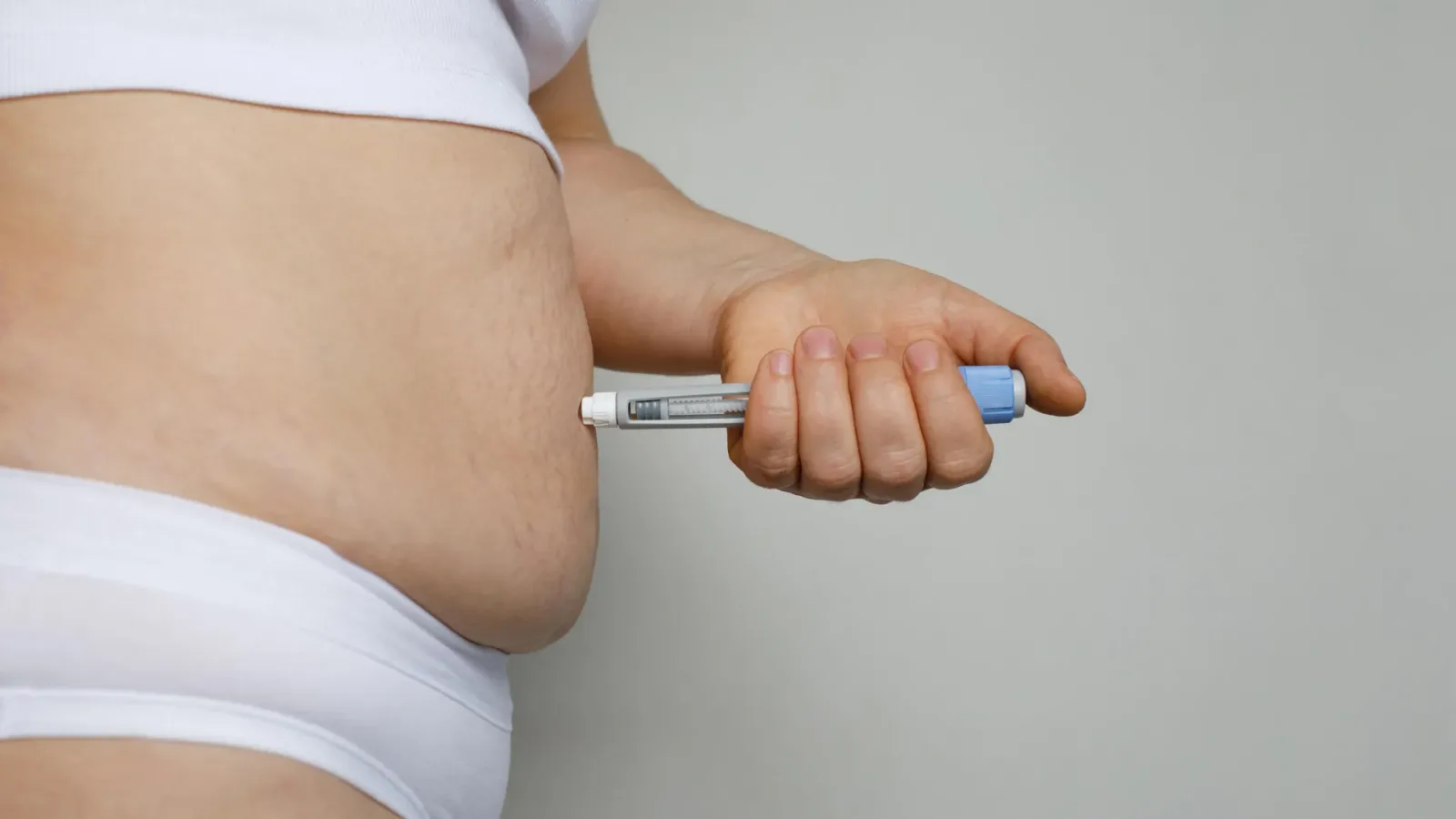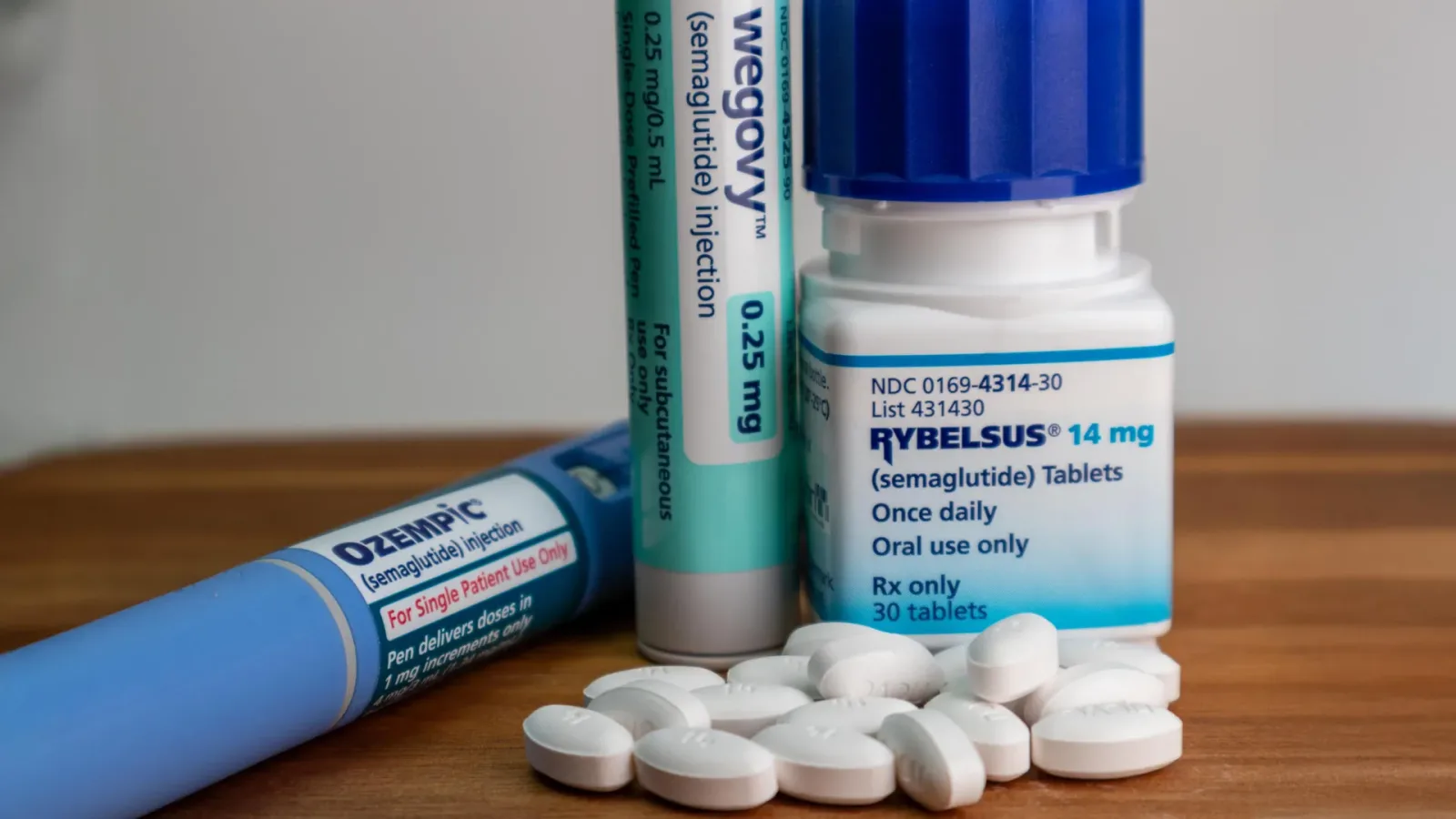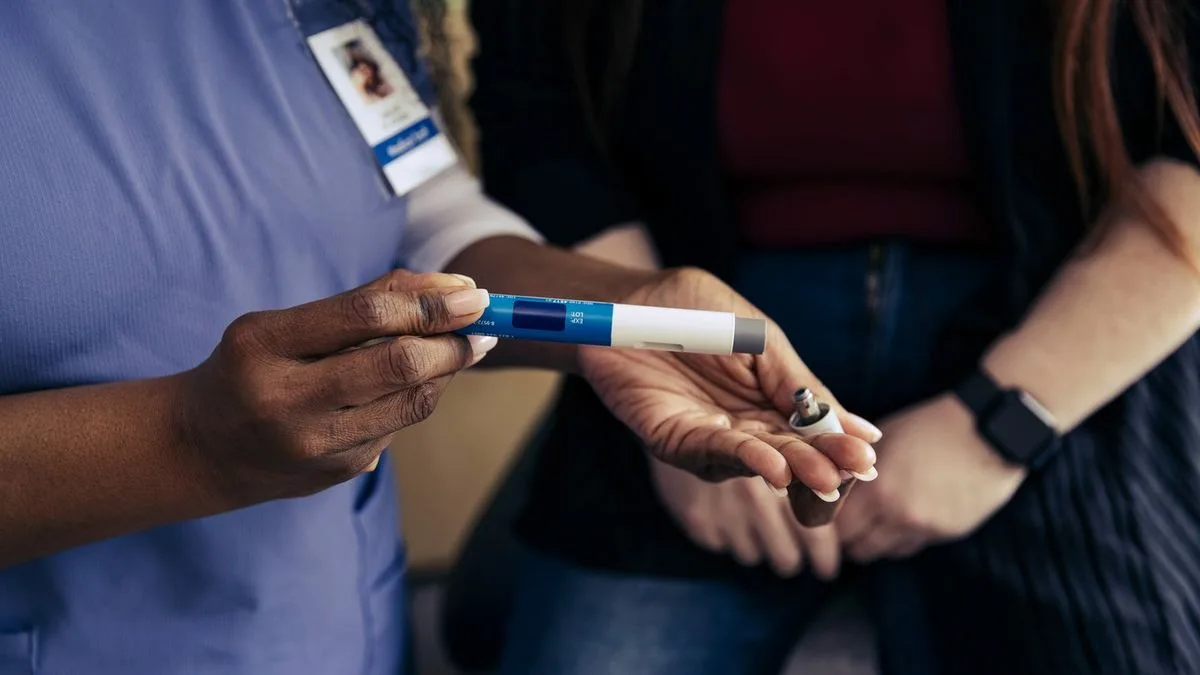

The Overlooked Nutrition Risks of Ozempic and Wegovy
As the popularity of GLP-1 receptor agonists like semaglutide and tirzepatide continues to surge, a significant concern is emerging among medical experts regarding the nutritional support accompanying these treatments. New research published in Obesity Reviews, led by specialists from UCL and the University of Cambridge, warns that many individuals prescribed newer weight loss medications are not receiving adequate nutrition guidance to support safe, long-term outcomes.
While these medications have revolutionized obesity care by effectively reducing appetite and promoting substantial weight loss, the lack of structured dietary support poses preventable risks. These include vitamin and mineral deficiencies, as well as the loss of lean muscle mass. Without proper intervention, patients may trade one set of health problems for another, compromising their overall well-being.
How GLP-1 Medications Impact Your Body
To understand the nutritional implications, it is essential to understand the mechanism of action. Drugs such as Ozempic, Wegovy, and Mounjaro work by mimicking the effects of glucagon-like peptide-1 (GLP-1), a hormone naturally released in the gut after eating. This hormone signals the brain to reduce appetite and increase feelings of fullness.
Because of these potent effects, calorie intake can drop significantly, ranging from 16% to 39% in some cases. While this caloric deficit drives the rapid weight loss that patients seek, researchers note that there has been very little study on how these medications affect overall diet quality. Existing evidence suggests that lean body mass, including muscle, can make up as much as 40% of the total weight lost during treatment.
This high proportion of muscle loss is particularly concerning. Muscle tissue is metabolically active and essential for long-term metabolic health. When the body breaks down muscle for energy due to insufficient protein intake or extreme caloric restriction, it can lead to weakness, reduced metabolic rate, and increased vulnerability to injury.
The Role of Protein and Micronutrients
Dr. Adrian Brown, an NIHR Advanced Fellow at UCL's Centre of Obesity Research, explains that while appetite suppression is beneficial, it alters eating behaviors in ways that require management.
"Without appropriate nutritional guidance and support from healthcare professionals, there is a real risk that reduced food intake could compromise dietary quality, meaning people may not get enough protein, fiber, vitamins, and minerals essential for maintaining overall health."
Low intake of key vitamins and minerals can increase the risk of fatigue, weakened immune function, hair loss, and osteoporosis. Simultaneously, the loss of lean mass raises the likelihood of falls and injuries, particularly in older adults.
Public Guidelines Versus Private Use
There is a distinct disconnect between official medical guidelines and how these medications are actually accessed. Guidance from the National Institute for Health and Care Excellence (NICE) recommends semaglutide for weight management only for people who meet specific criteria, such as a body mass index (BMI) of at least 35.0 kg/m² and comorbidities like type 2 diabetes or cardiovascular disease.
When prescribed through the NHS, the drug is intended to be part of a broader program that includes a reduced-calorie diet and increased physical activity. However, in practice, most users access these medications outside the NHS. Around 1.5 million people in the UK are currently using GLP-1 drugs, and an estimated 95% obtain them privately.
In these private settings, additional nutrition advice and follow-up support are not always provided. This creates a scenario where patients are prescribed powerful metabolic drugs without the necessary educational framework to manage their nutrition safely.
The Gap in Clinical Support
Dr. Marie Spreckley, from the Medical Research Council (MRC) Epidemiology Unit at the University of Cambridge, notes that nutritional care has not kept pace with the rapid rise in use.
If nutritional care is not integrated alongside treatment, there is a risk of replace one set of health problems with another, through preventable nutritional deficiencies and largely avoidable loss of muscle mass. This represents a missed opportunity to support long-term health alongside weight loss.
Lessons From Bariatric Nutrition Care
Given the limitations in current data, researchers suggest drawing lessons from established post-surgery nutrition care. Procedures such as gastric bands lead to similar reductions in appetite and food intake. By looking at how patients are managed after bariatric surgery, we can identify best practices for GLP-1 therapy.
Precision tracking for your journey
Join thousands using Shotlee to accurately track GLP-1 medications and side effects.
📱 Get the Shotlee App
Track your GLP-1 medications, peptides, and health metrics on the go with our mobile app!
Dr. Cara Ruggiero, a co-author from the MRC Epidemiology Unit, highlights that while structured guidance is currently lacking, we can apply well-established principles.
- Prioritize Nutrient-Dense Foods: Focus on foods that provide maximum nutrition per calorie.
- Distribute Protein Evenly: High-quality protein intake should ideally be distributed evenly across meals to help preserve lean mass during periods of reduced appetite.
- Monitor Fat Intake: The available evidence did not support recommending strict low-fat diets alongside these medications. However, some observational studies found that people taking the drugs often consumed high levels of total and saturated fat. This points to a possible need for personalized guidance on fat intake that aligns with national dietary recommendations.
- Adjust Meal Timing: Meal timing was rarely tested in clinical trials. Still, researchers suggest that eating smaller meals more frequently may help ease side effects such as nausea and make the drugs easier to tolerate, especially early in treatment.
Comparison of Nutrition Strategies
| Aspect | Standard GLP-1 Use | Bariatric-Inspired Care |
|---|---|---|
| Protein Focus | Often overlooked | Strictly prioritized to prevent muscle loss |
| Meal Frequency | Varies widely | Smaller, frequent meals to manage tolerance |
| Supplementation | Rarely prescribed | Standardized to prevent deficiencies |
| Monitoring | Inconsistent | Regular tracking of body composition |
Built for Real-World Experiences
The research team emphasizes that future studies should include the perspectives of people using these medications. Understanding what information and support patients find most useful could help improve real-world care. To address this, the researchers launched AMPLIFY (Amplifying Meaningful Perspectives and Lived experiences of Incretin therapy use From diverse communitY voices).
The project aims to explore how people experience next-generation weight loss drugs in daily life. Dr. Spreckley notes, "These medications are transforming obesity care, but we know very little about how they shape people's daily lives, including changes in appetite, eating patterns, well-being, and quality of life."
Tracking Your Progress with Shotlee
While clinical trials continue to gather data, patients can take proactive steps to monitor their health. Tools like Shotlee allow you to track daily protein intake, symptom severity, and weight changes. By logging this data, you can identify patterns that might indicate nutritional gaps or side effects.
For instance, if you notice a correlation between nausea and specific meal timings, you can adjust your eating schedule accordingly. Sharing this data with your healthcare provider can facilitate more personalized advice on peptide therapy and diet adjustments.
Practical Takeaways for Patients
As the use of GLP-1 medications grows, patients must remain vigilant about their nutritional intake to ensure safe outcomes.
- Consult a Professional: Seek advice from a dietitian or nutritionist familiar with GLP-1 medications.
- Focus on Protein: Ensure you are meeting protein targets to protect muscle mass.
- Multivitamins: Consider supplementation if your diet is restricted or low in variety.
- Hydration: Maintain adequate fluid intake, especially if experiencing gastrointestinal side effects.
- Monitor Symptoms: Track fatigue or hair changes, which may signal deficiencies.
Conclusion
The rapid adoption of weight loss drugs like Ozempic and Mounjaro presents a dual challenge: managing obesity effectively while preventing new health risks. The research from UCL and Cambridge underscores the urgent need for better nutritional support systems. By learning from bariatric surgery protocols and utilizing tools to track personal health data, patients can navigate this treatment journey more safely. The goal is not just weight loss, but sustainable health improvement.
The research was funded by the National Institute for Health and Care Research (NIHR), with additional support from the Medical Research Council and the NIHR UCLH Biomedical Research Centre.
Frequently Asked Questions
Do GLP-1 medications cause muscle loss?
Yes, research indicates that lean body mass, including muscle, can make up as much as 40% of the total weight lost during treatment. This is often due to insufficient protein intake or extreme caloric restriction without guidance.
How much protein should I eat while on Ozempic?
While specific targets vary by individual, experts recommend prioritizing high-quality protein intake distributed evenly across meals to help preserve lean mass during periods of reduced appetite and rapid weight loss.
Are there vitamin deficiencies associated with these drugs?
Yes, low intake of key vitamins and minerals due to reduced food intake can increase the risk of fatigue, weakened immune function, hair loss, and osteoporosis. Supplementation may be necessary under medical supervision.
What is the AMPLIFY study?
The AMPLIFY project is a research initiative that aims to explore how people experience next-generation weight loss drugs in daily life, working with communities historically under-represented in obesity research.
Can I track my nutrition while using GLP-1 therapy?
Absolutely. Using health tracking tools like Shotlee allows you to log daily intake, symptoms, and dose adjustments, helping you and your provider identify patterns and optimize your treatment plan.