
Introduction: The Viral Claim vs. Medical Reality
In the rapidly evolving landscape of health and wellness, social media trends often outpace clinical consensus. Recently, a humble fiber supplement has surged in popularity, earning the nickname "nature's Ozempic." The substance in question is psyllium husk. While the comparison to the GLP-1 agonist semaglutide is catchy, it requires significant nuance. Psyllium husk is a fiber-rich substance derived from the seeds of the Plantago ovata plant, commonly cultivated in South Asia. It has long been a staple in gastroenterology, but recent social media buzz suggests it might be a miracle supplement for cholesterol, blood sugar, and weight management.
Most dietary supplements fail to deliver on their grandiose health promises. However, psyllium husk is one of the few exceptions where decades of research support its efficacy. Yet, the distinction between managing gut health and achieving the metabolic impact of prescription weight-loss medication is critical. For patients tracking their health journey, understanding the difference between a fiber supplement and a peptide therapy like Mounjaro or Wegovy is essential. At Shotlee, we emphasize data-driven health decisions, and this article aims to provide a clear, medically literate breakdown of what psyllium husk can and cannot do.
What Is Psyllium Husk and How Does It Work?
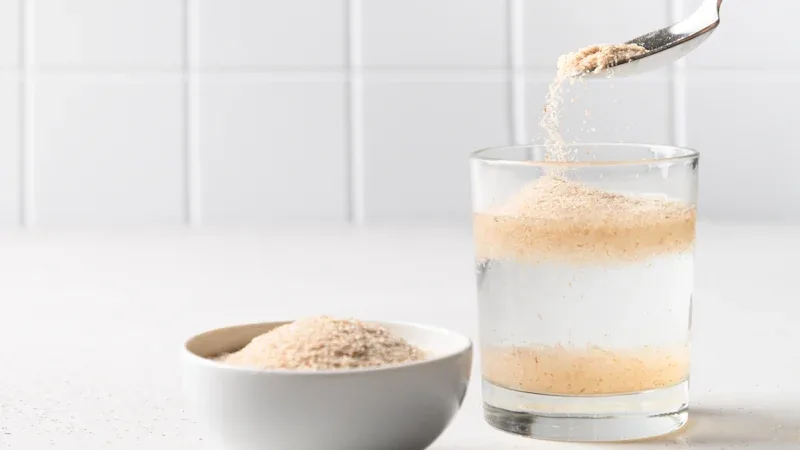
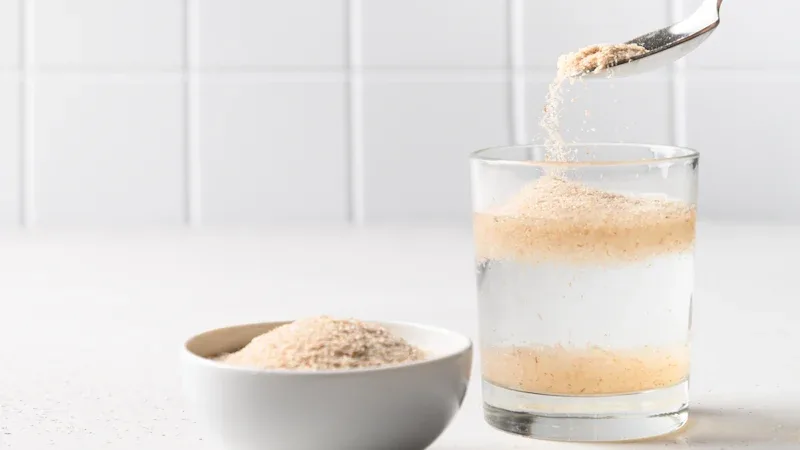
To understand the benefits, one must first understand the mechanism. Psyllium husk is rich in mucilage, a specific type of soluble fiber. Unlike insoluble fiber, which adds bulk to stool without dissolving, soluble fiber has a unique chemical property: it absorbs water and forms a viscous, gel-like substance. This gel formation is the key to many of its therapeutic effects.
The supplement is available in several forms to suit different consumer preferences. Whole husks typically have a coarse, fluffy texture, while ground psyllium resembles a fine flour. Capsules offer convenience, though they may be less effective if not taken with sufficient water. When these forms enter the stomach and intestines, the mucilage expands. This physical change in the gut environment is what drives the physiological responses related to digestion and metabolism.
Digestive Health: The Primary Indication
For gastroenterologists, psyllium remains the "go-to" fiber supplement. Dr. William D. Chey, chief of the gastroenterology division at Michigan Medicine, notes its proven track record in managing functional bowel disorders. The mechanism is straightforward yet effective. As the fiber travels through the digestive tract, it absorbs water to soften and bulk up stool. This speeds passage through the colon, directly alleviating constipation.
Managing IBS Symptoms
Paradoxically, psyllium is also effective for individuals suffering from diarrhea, a common symptom of Irritable Bowel Syndrome (IBS). According to Kate Scarlata, a registered dietitian in Boston, the fiber absorbs excess fluid in the gut, helping to firm up loose stools. Furthermore, because most gut microbes are poor at breaking down psyllium, it tends to cause less gas production compared to other fiber supplements. This reduces the risk of flatulence and cramping, making it a tolerated option for many sensitive stomachs.
When using tools like Shotlee to track digestive health, patients often log bowel movements and bloating levels. Psyllium can be a useful variable in this data set, helping users identify how their gut responds to increased soluble fiber intake.
Metabolic Benefits: Cholesterol and Blood Sugar
Beyond the gut, there is compelling evidence regarding systemic metabolic health. Penny Kris-Etherton, professor emeritus of nutrition sciences at Penn State, highlights that psyllium can lead to measurable reductions in cholesterol and blood sugar levels, though the effects are generally modest compared to pharmaceutical interventions.
Lowering LDL Cholesterol
In a 2018 analysis of 28 small trials involving people with high cholesterol, researchers found that daily consumption of approximately 10 grams of psyllium for at least three weeks resulted in small drops in LDL ("bad") cholesterol. The mechanism involves bile acids. Psyllium binds to bile acids in the intestines, which are synthesized from cholesterol, and increases their excretion. To replenish these lost acids, the liver pulls cholesterol from the blood, effectively lowering circulating LDL levels.
Glycemic Control
A 2024 review of studies, most involving people with Type 2 diabetes or prediabetes, found that psyllium supplementation reduced blood sugar levels slightly. The soluble fiber slows the digestion of carbohydrates. This results in a more gradual absorption of glucose into the bloodstream, preventing drastic blood sugar spikes that can occur after high-carb meals. For patients on Shotlee monitoring their glucose trends, this stabilization can be a valuable non-pharmaceutical adjunct.
The Weight Loss Question: Is It a GLP-1 Replacement?
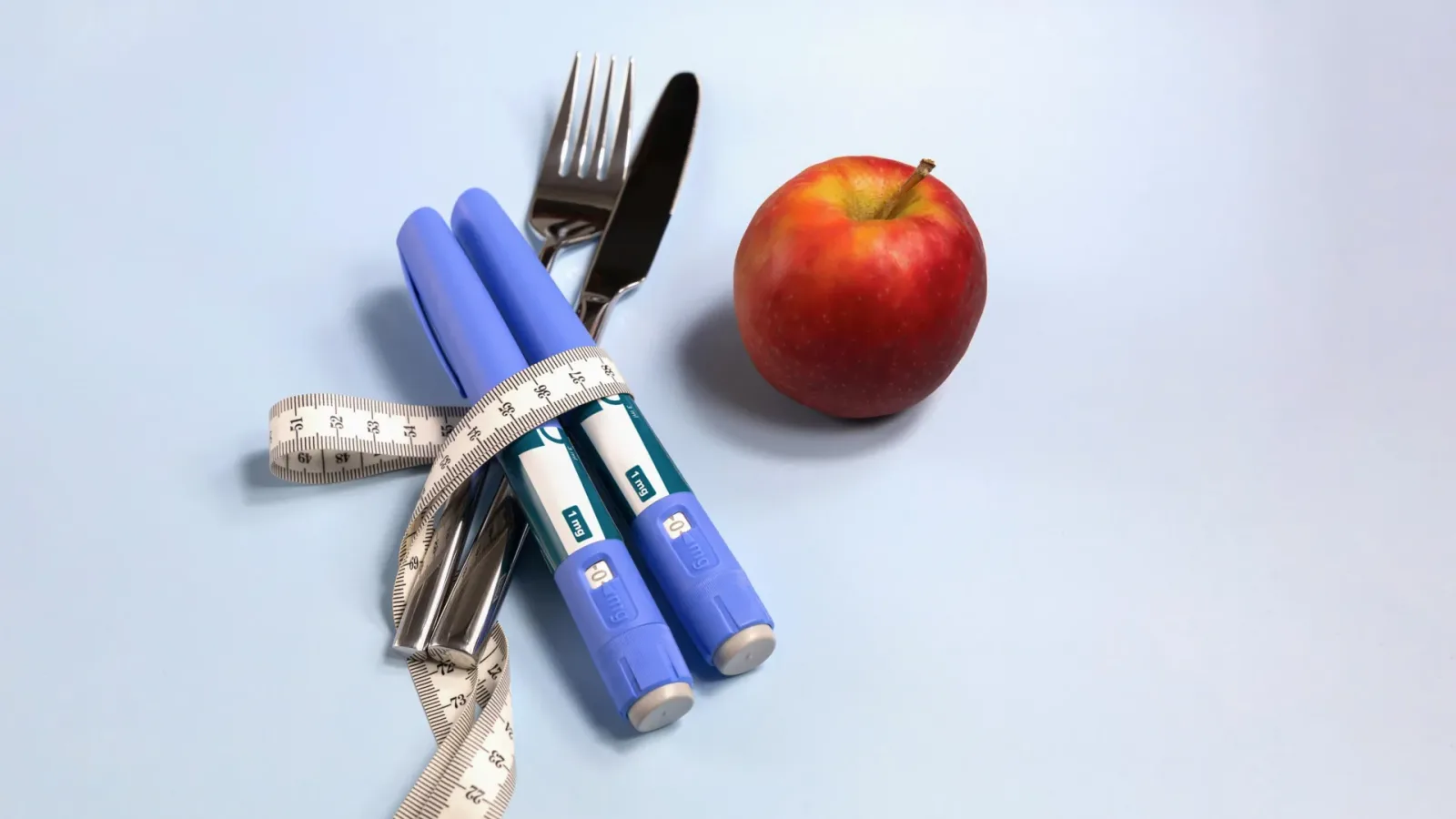
This brings us to the viral claim: is psyllium husk "nature's Ozempic"? While both substances can promote satiety, their mechanisms and outcomes differ significantly. Psyllium expands in the gut and slows carbohydrate digestion, which may help you feel full for an hour or two after ingestion. However, this temporary satiety does not generally translate to significant long-term weight loss.
Precision tracking for your journey
Join thousands using Shotlee to accurately track GLP-1 medications and side effects.
📱 Get the Shotlee App
Track your GLP-1 medications, peptides, and health metrics on the go with our mobile app!
What the Data Says
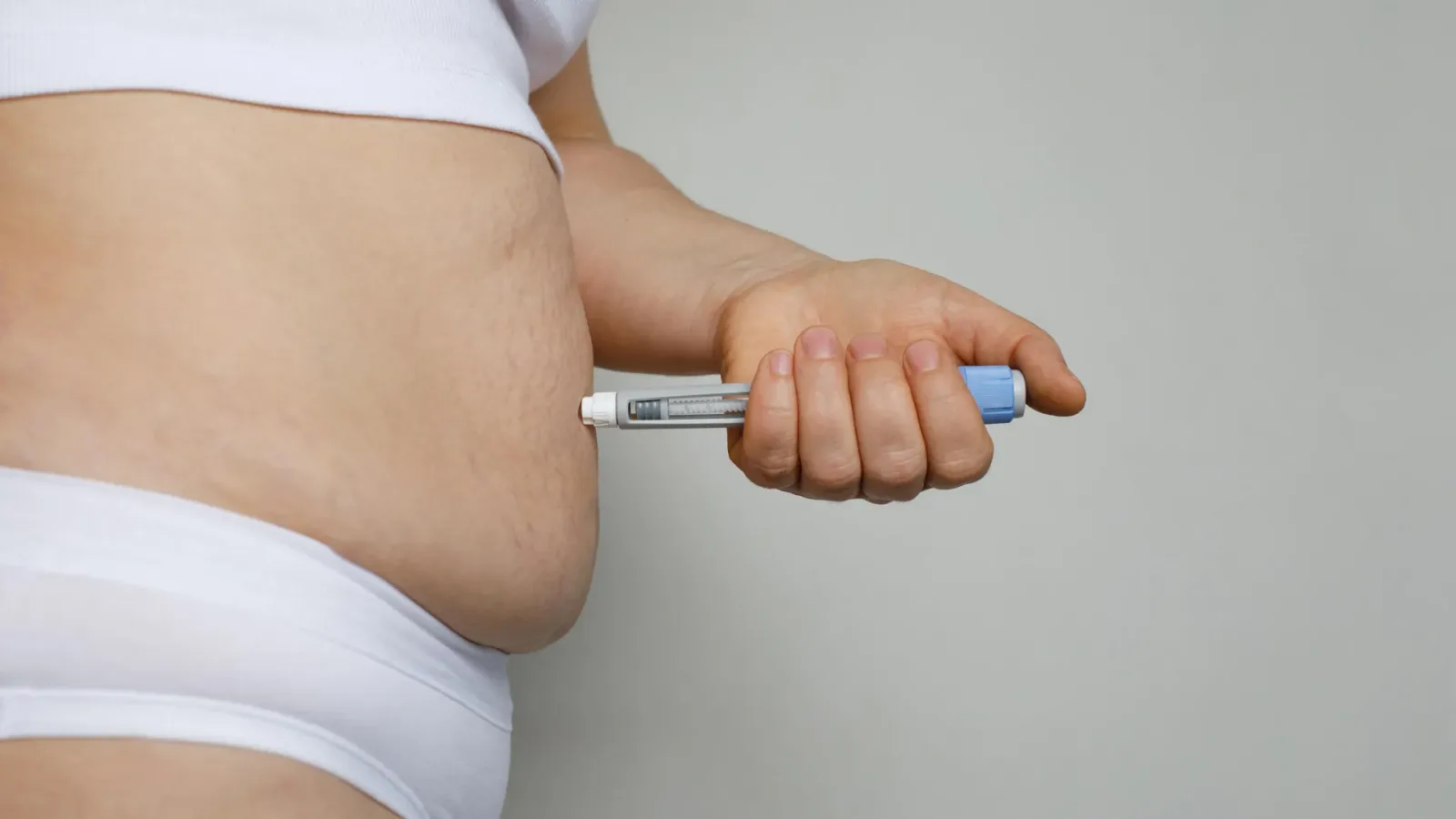
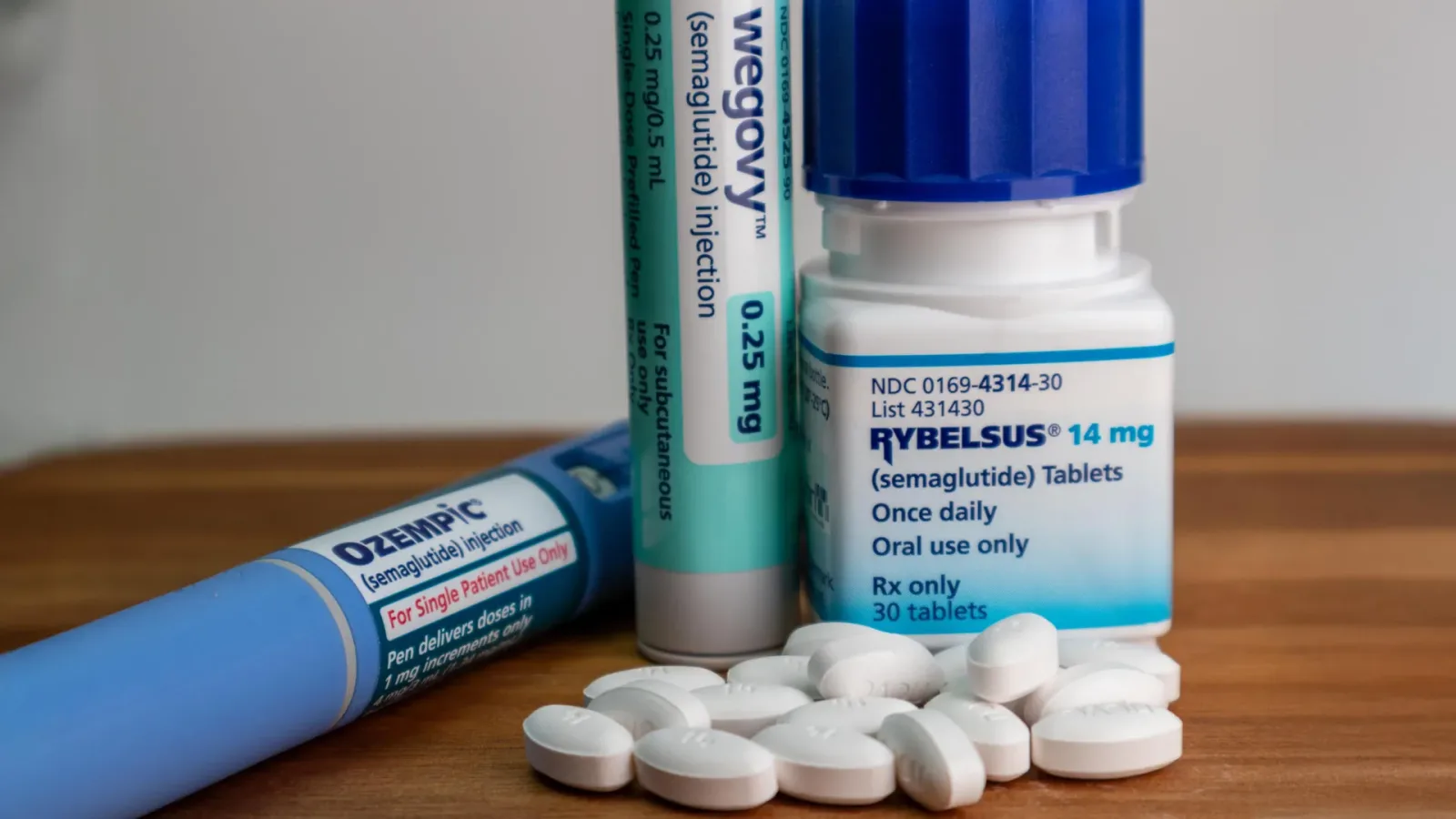
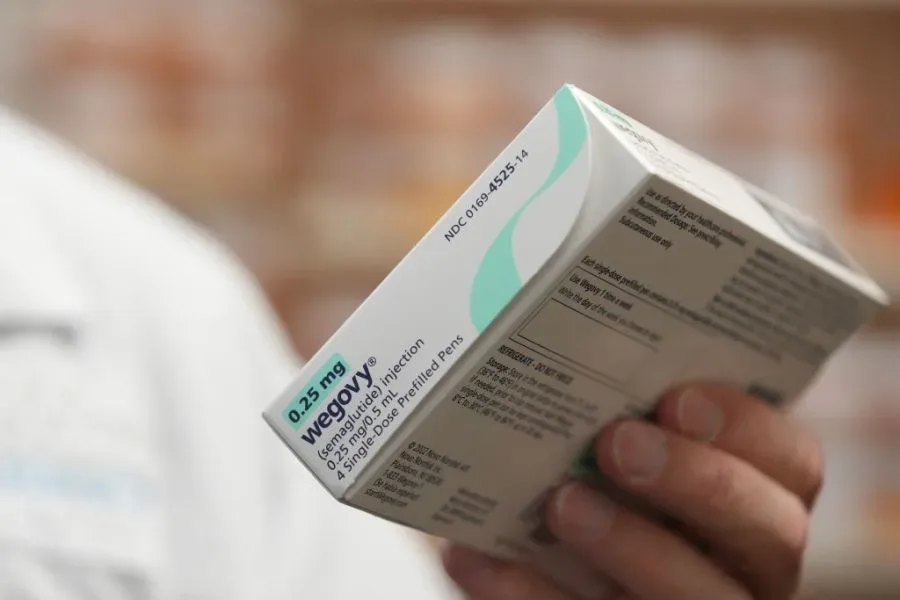
In a 2020 review of 22 small trials involving adults classified as overweight or obese, researchers found that taking psyllium was no different than taking a placebo regarding body weight, body mass index (BMI), or waist circumference. While it helps you reach the recommended daily fiber intake, it is not a substitute for GLP-1 receptor agonists like semaglutide (Ozempic, Wegovy) or tirzepatide (Mounjaro, Zepbound), which work on hormonal pathways to regulate appetite more profoundly.
| Benefit | Evidence Strength | Mechanism |
|---|---|---|
| Constipation Relief | Strong | Water absorption, stool bulking |
| Diarrhea Management | Moderate to Strong | Fluid absorption in gut |
| LDL Cholesterol Reduction | Moderate | Bile acid binding and excretion |
| Blood Sugar Control | Moderate | Slowed carbohydrate digestion |
| Significant Weight Loss | Weak | Temporary satiety only |
Safety, Dosage, and Practical Usage
Psyllium is generally safe for daily use, but specific precautions are necessary to ensure safety and efficacy. Dr. Chey advises avoiding consumption two hours before or after taking medications. Because the fiber can reduce the absorption of certain drugs, timing is critical to prevent pharmaceutical interference.
Hydration is Non-Negotiable
Because psyllium absorbs water, it must be taken with at least one to two cups of water. Julia Lloyd, a dietitian at Mass General Brigham, warns that without adequate hydration, psyllium may harden in the intestines. This can cause cramping, constipation, and in rare cases, bowel obstruction. Individuals with gastroparesis (slowed stomach emptying) or a history of bowel obstruction should exercise caution.
How to Start
Scarlata recommends starting slow to minimize gas and bloating. Begin with 5 grams per day for the first week or two. Psyllium powder can be mixed directly into water, juice, smoothies, oatmeal, or muffins. The goal is to reach the recommended 25 to 38 grams of fiber per day, which many people fail to achieve through diet alone.
Practical Takeaways
- For Constipation: Psyllium is a first-line treatment for softening stool and regulating bowel movements.
- For Heart Health: It offers a modest reduction in LDL cholesterol by binding bile acids.
- For Diabetes: It helps blunt blood sugar spikes after meals but is not a cure.
- For Weight Loss: Do not rely on it for significant weight reduction; it is not a substitute for GLP-1 therapy.
- For Safety: Always take with plenty of water and separate from medications by two hours.
Conclusion
Psyllium husk is a scientifically backed supplement with genuine benefits for digestive, cardiovascular, and metabolic health. While the internet nickname "nature's Ozempic" captures attention, it oversimplifies the biological reality. It is a powerful tool for fiber management and gut regulation, but it should be viewed as a dietary support rather than a medical replacement for prescription weight-loss medications. For those looking to optimize their health, integrating psyllium into a balanced diet while tracking progress with tools like Shotlee can lead to better long-term outcomes.
Frequently Asked Questions
1. Can psyllium husk replace my diabetes medication?
No. While psyllium can help lower blood sugar levels by slowing carbohydrate absorption, it is not a substitute for prescribed diabetes medications like insulin or metformin. Always consult your doctor before making changes to your medication regimen.
2. How much water should I drink when taking psyllium?
You should consume at least one to two cups of water immediately after taking psyllium husk. Additionally, you must maintain high hydration levels throughout the day to prevent the fiber from hardening in your digestive tract.
3. Is psyllium husk safe for people with IBS?
Yes, it is often recommended for IBS because it is a soluble fiber that causes less gas and cramping than many other fiber sources. However, individual tolerance varies, so starting with a low dose is recommended.
4. Does psyllium husk cause weight loss like Ozempic?
No. Clinical reviews show that psyllium is no more effective than a placebo for significant weight loss, BMI reduction, or waist circumference changes. Its effect on weight is limited to temporary satiety.
5. Should I take psyllium husk with my morning medication?
No. It is best to avoid consuming psyllium two hours before or after taking medications, as it may reduce their absorption and effectiveness. Space them out to ensure your medication works as intended.