
In the ever-evolving landscape of health and wellness, certain supplements capture the public's imagination, sparking widespread discussion and often, a touch of hyperbole. Psyllium husk, a natural fiber derived from the seeds of the Plantago ovata plant, has recently found itself in this spotlight. Praised on social media with labels like "a miracle supplement for your gut," "nature's Ozempic," and "one of the most underrated supplements," its appeal extends beyond digestive comfort to claims of aiding cholesterol management, blood sugar control, and even weight loss.
But beyond the glowing testimonials and catchy nicknames, what does the science say? Is psyllium husk truly an exceptional supplement, or does it fall into the category of many others with limited proven benefits? This article aims to cut through the noise, examining the evidence-based advantages of psyllium husk and providing practical guidance for those considering incorporating it into their health regimen.
Understanding Psyllium Husk: The Power of Soluble Fiber
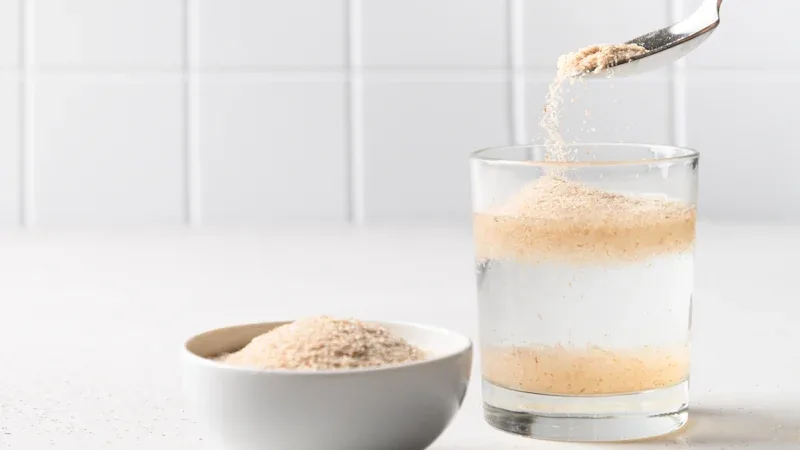
At its core, psyllium husk is a remarkable source of soluble fiber. Its key component is mucilage, a viscous substance that possesses a unique ability to absorb water and transform into a gel-like material. This transformation is central to many of its purported health benefits.
Forms and Availability
Psyllium husk is readily available in several forms, catering to different preferences and uses:
- Whole Husks: These have a coarse, fluffy texture and are often sold in tubs.
- Ground Psyllium: Processed into a finer, flour-like consistency, making it easier to mix into foods.
- Capsules: A convenient option for those who prefer not to mix powders or deal with texture.
Digestive Health: A Gastroenterologist's Go-To
For healthcare professionals specializing in the digestive system, psyllium husk is a well-established and trusted ally. Its efficacy in managing common gastrointestinal issues is backed by considerable clinical experience and research.
Alleviating Constipation
Dr. William D. Chey, Chief of the Gastroenterology Division at Michigan Medicine, often refers to psyllium as the "go-to fiber supplement" for good reason. When consumed, the soluble fiber in psyllium absorbs water as it travels through the digestive tract. This process creates a gel that softens and increases the bulk of stool, facilitating smoother and more rapid passage through the colon. This bulking and softening action is highly effective in relieving constipation, even for individuals suffering from Irritable Bowel Syndrome (IBS).
Managing Diarrhea
Paradoxically, psyllium husk can also be beneficial for diarrhea, another common and often debilitating symptom of IBS. Kate Scarlata, a registered dietitian, explains that psyllium's ability to absorb excess fluid in the gut helps to firm up loose stools. This dual action—softening for constipation and firming for diarrhea—highlights the versatile nature of this fiber.
Reduced Gas and Bloating
Compared to many other fiber supplements, psyllium tends to produce less gas and cramping. This is because most gut microbes find it difficult to break down psyllium, a process that typically generates gas. This makes psyllium a more comfortable option for many individuals who experience bloating or flatulence with other fiber sources.
Metabolic Health: Impact on Cholesterol and Blood Sugar
Beyond its direct impact on the gut, research indicates that psyllium husk can play a supportive role in managing key metabolic markers, including cholesterol levels and blood sugar control.
Cholesterol Management
Studies suggest that psyllium can contribute to small but significant reductions in LDL, or "bad" cholesterol. The mechanism involves the fiber binding to bile acids—which are synthesized from cholesterol—in the intestines. This binding increases the excretion of bile acids, prompting the liver to draw more cholesterol from the bloodstream to produce new bile acids, thereby lowering LDL levels.
Blood Sugar Regulation
For individuals managing Type 2 diabetes, prediabetes, or related health concerns, psyllium may offer a modest benefit. Research, including a 2024 review of studies, has found that psyllium intake can lead to slight reductions in blood sugar levels. This effect is attributed to psyllium's ability to slow down the digestion of carbohydrates. By creating a more gradual release of glucose into the bloodstream, it helps to prevent sharp spikes and subsequent crashes, promoting more stable blood sugar levels.
Evidence Snapshot: Key Studies
To illustrate the scientific basis for these claims, consider these findings:
Precision tracking for your journey
Join thousands using Shotlee to accurately track GLP-1 medications and side effects.
📱 Get the Shotlee App
Track your GLP-1 medications, peptides, and health metrics on the go with our mobile app!
| Benefit Area | Study Type | Key Finding | Typical Dosage & Duration |
|---|---|---|---|
| Cholesterol | Meta-analysis (2018) of 28 trials | Small reductions in LDL cholesterol | ~10 grams/day for at least 3 weeks |
| Blood Sugar | Review of studies (2024) | Slight reduction in blood sugar levels | Varied, often in conjunction with diabetes management |
While these effects are promising, it's important to note that the most substantial benefits for cholesterol and blood sugar are typically achieved through a diet rich in whole foods like fruits, vegetables, legumes, whole grains, nuts, and seeds. Psyllium can serve as a valuable adjunct for those struggling to meet their fiber needs through diet alone.
Weight Management: Does Psyllium Help?
The claim that psyllium husk can aid in weight loss is one of the more debated aspects of its health profile. The reasoning behind this claim is plausible: psyllium's ability to absorb water and form a gel can lead to increased feelings of fullness, potentially reducing overall calorie intake.
However, the scientific evidence supporting significant weight loss directly attributable to psyllium supplementation is less robust. A 2020 review of 22 small trials, primarily involving individuals classified as overweight or obese, found no significant differences in body weight, body mass index (BMI), or waist circumference between those taking psyllium and those taking a placebo. While it might contribute to satiety for a couple of hours post-consumption, this effect does not consistently translate into meaningful, long-term weight loss.
Therefore, while psyllium might indirectly support weight management efforts by helping with satiety and potentially displacing less healthy snack choices, it should not be viewed as a standalone solution for weight loss. A comprehensive approach involving diet, exercise, and behavioral changes remains paramount.
Practical Considerations for Using Psyllium Husk
Incorporating psyllium husk into your routine requires attention to dosage, hydration, and timing, especially concerning medications.
Safety and Precautions
Psyllium is generally considered safe for daily use. However, certain individuals should exercise caution:
- Digestive Issues: Those with gastroparesis (delayed stomach emptying) or a history of bowel obstruction are at a higher risk of psyllium getting lodged in the digestive tract.
- Medication Interactions: Psyllium can interfere with the absorption of certain medications. It is crucial to avoid consuming psyllium within two hours before or after taking any prescribed drugs.
Recommended Usage and Hydration
To maximize benefits and minimize discomfort, follow these guidelines:
- Start Slow: Begin with a low dose, such as 5 grams per day for the first week or two, to allow your digestive system to adjust and reduce the likelihood of gas or bloating.
- Hydrate, Hydrate, Hydrate: Psyllium absorbs a significant amount of water. Always mix it with at least one to two cups of water and ensure you drink plenty of fluids throughout the day. Inadequate hydration can lead to the psyllium hardening in the intestines, potentially causing cramping, constipation, and in rare cases, obstruction.
- Incorporation into Diet: Psyllium powder can be easily added to smoothies, oatmeal, baked goods like muffins, or simply mixed with water or juice.
For individuals who find it challenging to meet their daily fiber recommendations (typically 25-38 grams for adults) through diet alone, psyllium can be a valuable tool. Consulting with a doctor or registered dietitian is advisable, especially if you have pre-existing health conditions like high cholesterol, Type 2 diabetes, prediabetes, IBS, or constipation.
The Verdict: A Valuable Supplement, Not a Miracle Cure
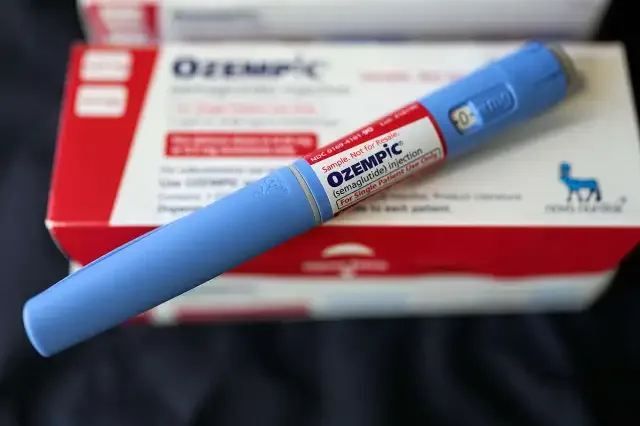
Psyllium husk has earned its reputation as a beneficial supplement, particularly for digestive health. Its ability to regulate bowel movements, its potential role in managing cholesterol and blood sugar, and its relatively low tendency to cause gas make it a standout option for many. However, the notion of it being a direct weight-loss solution or a replacement for medical treatments like GLP-1 agonists (such as Ozempic or Wegovy for diabetes and weight management) is an oversimplification.
While it can contribute to satiety, its impact on weight loss is indirect and not a primary outcome. For those looking to optimize their health, psyllium husk can be a valuable addition to a balanced diet and healthy lifestyle. Tracking your intake, symptoms, and any changes in your health markers using tools like the Shotlee app can help you understand how psyllium, or any other supplement, is working for you personally.
Ultimately, psyllium husk is a powerful natural fiber that offers tangible benefits for gut health and metabolic markers. When used appropriately and with adequate hydration, it can be a safe and effective way to support your well-being. As with any supplement, informed use and consultation with healthcare professionals are key to unlocking its full potential.
Conclusion
Psyllium husk stands out as a well-researched and effective fiber supplement with a range of benefits that extend beyond basic digestion. Its capacity to alleviate constipation and diarrhea, its supportive role in cholesterol and blood sugar management, and its generally good tolerability make it a valuable addition to many health routines. While it may not be the "miracle cure" some social media trends suggest, particularly for weight loss, its scientific backing for other health areas is substantial. By understanding how to use it safely, ensuring adequate hydration, and considering it as part of a broader health strategy, psyllium husk can be a powerful tool for enhancing overall wellness.