
The Rise of the Ozempic Era
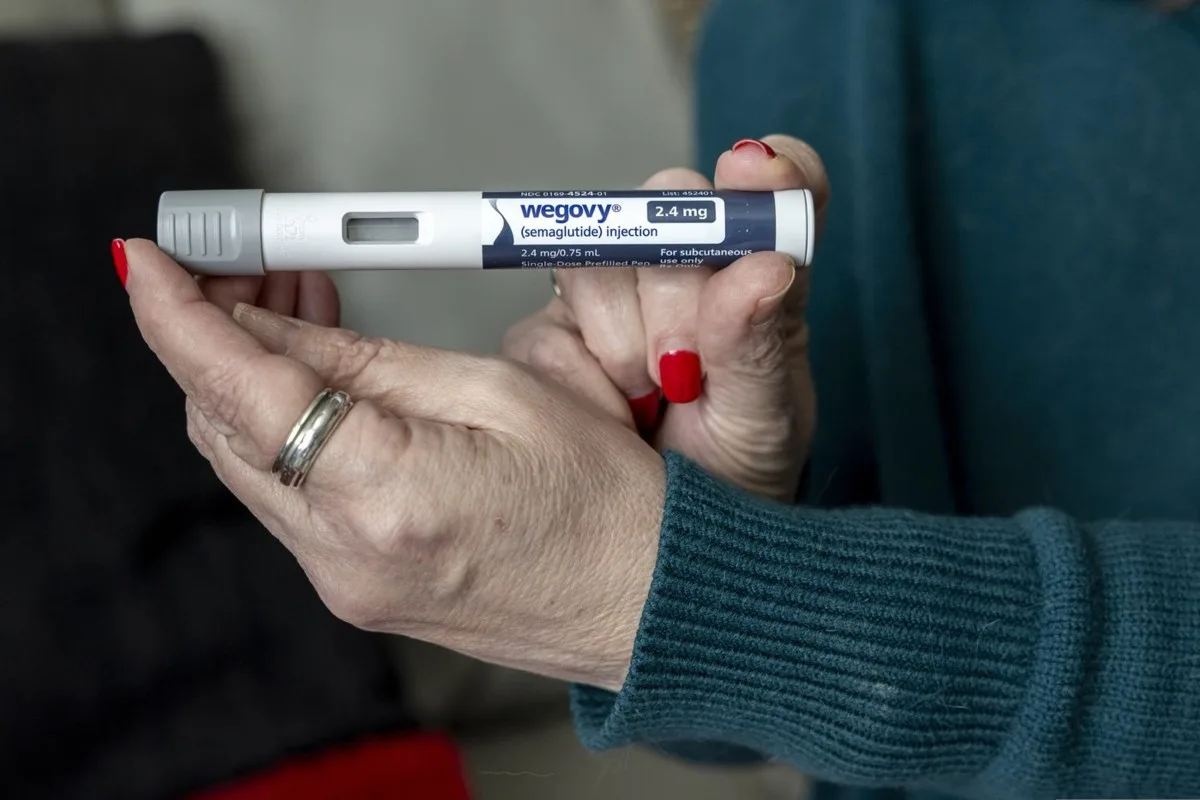
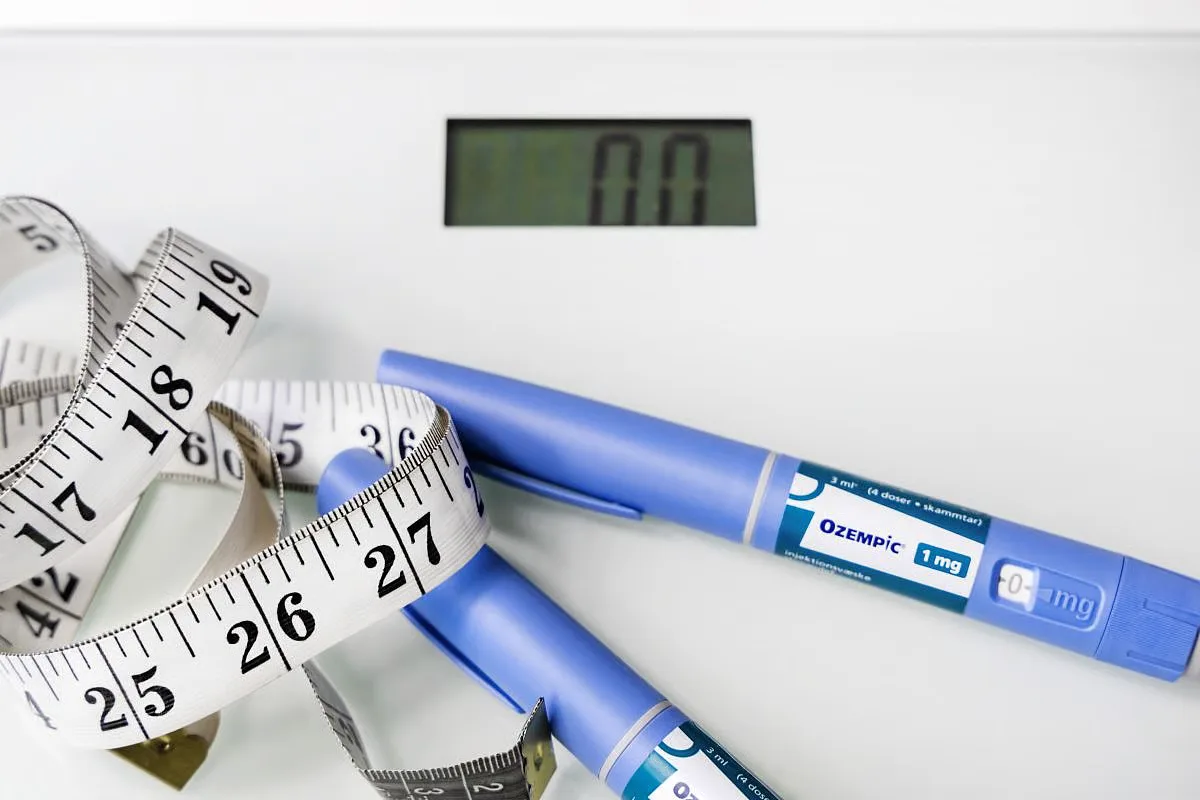
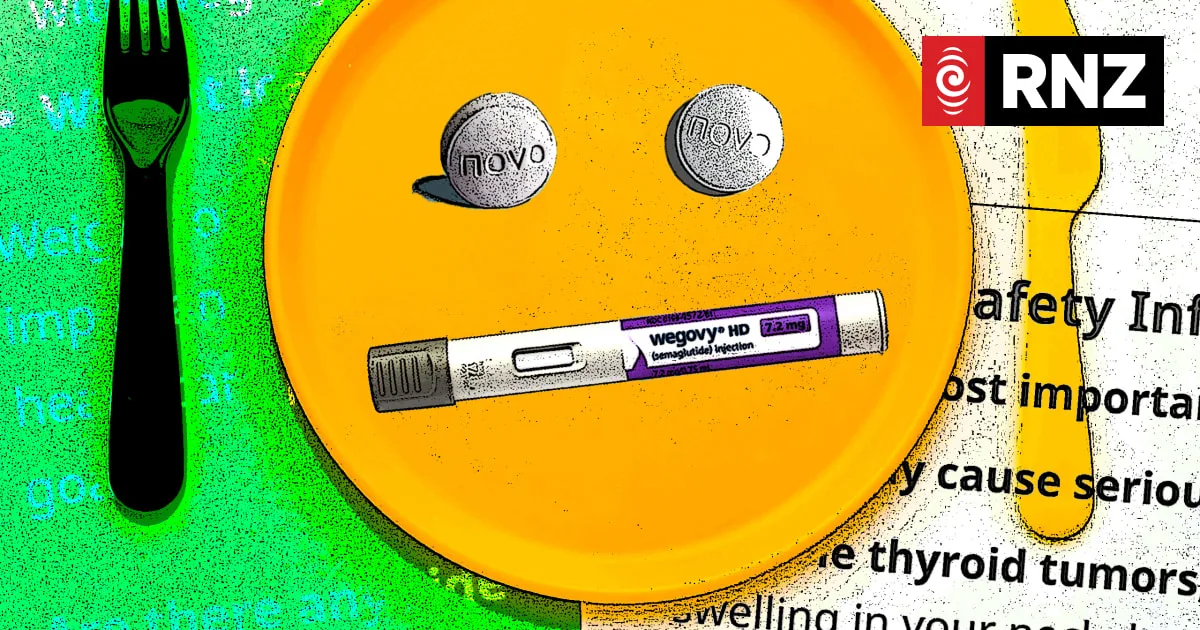
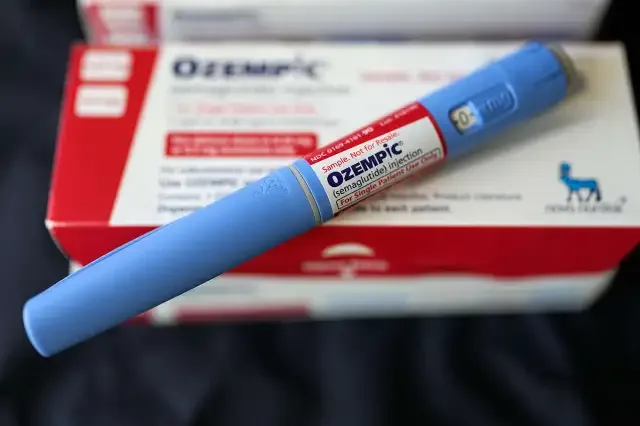
For many modern families, the World Cup is a backdrop to a different kind of spectacle: the relentless advertising of weight loss medications. During recent broadcasts, children have begun tallying ads for Ozempic and Wegovy with the same frequency as traditional commercials. The messaging is seductive, promising that just four weeks of treatment could lead to a 20% weight loss and, crucially, a life of happiness.
While these medications are undeniably powerful tools in the medical arsenal, their aggressive marketing has birthed a new cultural phenomenon: the "Ozempic Mom" era. This shift represents a regression from the body positivity movements of the early 2010s back toward an obsession with extreme thinness. As a society, we must navigate the fine line between accepting life-saving therapy and rejecting the normalization of unhealthy body standards.
The Medical Reality: More Than Just Weight Loss
To understand the controversy, one must first acknowledge the science. Semaglutide and tirzepatide are not merely cosmetic aids; they are potent GLP-1 receptor agonists that mimic hormones regulating blood sugar and appetite. Clinical trials have demonstrated significant cardiovascular benefits. For instance, studies have found that semaglutide medications can reduce the risk of major cardiovascular events, including heart attack and stroke, by 26% in adults who are overweight or obese.
Furthermore, research is expanding beyond weight management. Current studies are investigating the utility of these medications for treating other complex conditions, including:
- Polycystic ovary syndrome (PCOS)
- Addiction management
- Alzheimer's disease
- Parkinson's disease
- Sleep apnea
This medical versatility is why the drugs are considered miraculous by many patients. However, when the primary marketing narrative focuses solely on aesthetic outcomes rather than metabolic health, the nuance is lost. The distinction between treating a medical condition and chasing a cultural ideal is vital for public health.
The Cultural Regression: From Body Positivity to Ozempic Moms
For a brief period, roughly between 2012 and 2020, culture shifted toward body positivity. The "Almond Mom" era of the early 2000s, characterized by toxic diet culture and low-rise fashion, gave way to a movement embracing curves and the mantra that "strong is healthy." Brands like Dove challenged the status quo, and social media platforms allowed women of all sizes to find representation.
However, by 2026, that progress appears to have been traded for ribcages and buccal fat removal. The focus on extreme thinness is now more acute than it was a quarter-century ago. Social media influencers, often using AI-generated before-and-after photos, clog feeds with advice on maintaining 1,200-calorie diets. Unlike the "Thin-spo" sites of the early 2000s, which required users to sneak into hidden corners of the internet, these messages are now algorithmically promoted to everyone.
This environment is particularly dangerous for adolescents. Young girls are calling themselves "fat" and reporting disordered eating behaviors, such as withholding food or feeling shame after eating, without the protective context of medical supervision. The prefrontal cortex, responsible for impulse control, is not fully developed in teenagers, making them highly susceptible to the "I'm not enough" messaging that accompanies every semaglutide ad.
Regulatory Gaps and Marketing Ethics
The proliferation of these drugs has outpaced the regulatory frameworks designed to protect consumers. While the FDA has established parameters requiring ads to be truthful, balanced, and disclose risks, enforcement remains inconsistent. Pharmaceutical companies currently advertise during major sporting events, reaching millions of viewers who may not meet the clinical criteria for the medication.
There is a strong argument for treating these pharmaceutical promotions similarly to tobacco advertising. Just as the government banned tobacco promotions by celebrities and athletes in the 1990s, the FDA should prohibit companies from offering free samples or using celebrities to endorse weight loss injections. The current lack of restrictions allows for a "miracle cure" narrative that ignores the side effects and the necessity of lifestyle changes.
Medical Benefits vs. Marketing Claims
To clarify the confusion surrounding these medications, it is helpful to distinguish between clinical indications and commercial promises.
Precision tracking for your journey
Join thousands using Shotlee to accurately track GLP-1 medications and side effects.
📱 Get the Shotlee App
Track your GLP-1 medications, peptides, and health metrics on the go with our mobile app!
| Category | Clinical Reality | Marketing Narrative |
|---|---|---|
| Primary Goal | Reduce cardiovascular risk and manage metabolic health | Quick weight loss and aesthetic transformation |
| Timeline | Long-term management, lifestyle integration | Results in 4 weeks or less |
| Safety | Requires medical screening and monitoring | Often implied as safe for "summer confidence" |
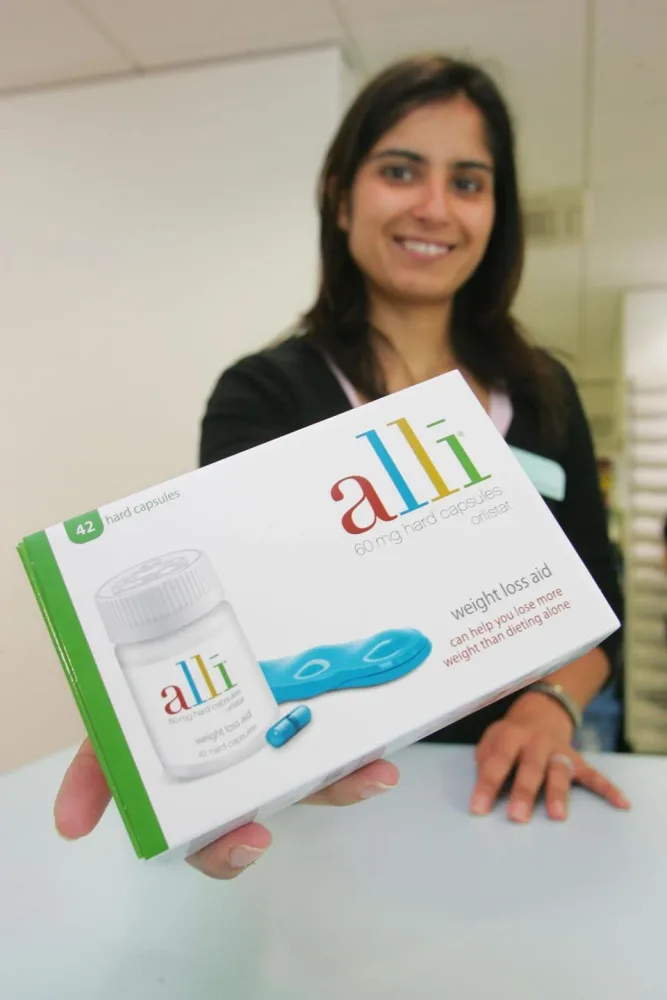
| Eligibility | Overweight/Obese with comorbidities | Available via over-the-counter cousins or supplements |
Holistic Health and the Role of Tracking
So, how do we move forward without demonizing effective medicine? The solution lies in a holistic approach to health tracking. While the pharmaceutical industry pushes for quick fixes, sustainable health requires monitoring the full spectrum of well-being.
This is where tools like Shotlee become essential. Instead of focusing solely on the number on the scale, Shotlee allows users to track symptoms, doses, and health data holistically. By monitoring how a medication affects energy levels, mood, and digestive health, patients can ensure they are using these drugs safely and effectively under medical guidance.
Furthermore, users can utilize health tracking to identify the root causes of their eating behaviors. Is the desire to lose weight driven by metabolic needs, or is it a response to social pressure? Tracking these patterns can help individuals and providers make better decisions about whether a medication is truly necessary or if lifestyle interventions would suffice.
Practical Takeaways for a Healthier Mindset
Combating the "Ozempic Mom" era requires action from individuals, platforms, and regulators. Here is how you can protect your health and mental well-being:
- Curate Your Feed: Unfollow and mute accounts that promote calorie deficits, AI-generated transformations, or make you feel "less than".
- Verify Claims: Be skeptical of "miraculous" weight loss claims. Remember that semaglutide is not a magic pill and requires strict medical oversight.
- Focus on Function: Prioritize how your body feels and functions over how it looks. Strength, energy, and stability are better metrics than aesthetics.
- Hold Brands Accountable: Support regulations that ban celebrity endorsements for weight loss drugs during major sporting events.
- Track Holistically: Use health apps to monitor symptoms and overall progress, ensuring that any medication use is part of a broader health strategy.
Conclusion
The rise of GLP-1 medications is a medical triumph, but the cultural context in which they are consumed is fraught with peril. We must acknowledge the life-saving potential of drugs like Ozempic and Wegovy while simultaneously rejecting the marketing tactics that equate thinness with worth. By enforcing stricter regulations on advertising and focusing on holistic health tracking, we can reclaim a healthier relationship with our bodies. The goal should not be to be "snatched" for a summer, but to be healthy for a lifetime.
Frequently Asked Questions
1. Do semaglutide medications actually reduce heart attack risk?
Yes, clinical trials such as the SELECT trial have demonstrated that semaglutide can reduce the risk of major cardiovascular events, including heart attack and stroke, by approximately 26% in adults with overweight or obesity.
2. Are there over-the-counter alternatives to prescription GLP-1s?
There are supplement products marketed as "no prescription needed" cousins of GLP-1 drugs, but these lack the rigorous safety testing and efficacy data of FDA-approved medications like Ozempic or Wegovy.
3. Why are pharmaceutical ads during sports events controversial?
Critics argue that advertising weight loss drugs during major sporting events normalizes their use for aesthetic purposes rather than medical necessity, potentially influencing vulnerable viewers who do not meet clinical criteria.
4. How can I track my progress if I am on weight loss medication?
Using a health tracking app like Shotlee allows you to monitor not just weight, but also symptoms, dosage consistency, and overall health metrics to ensure safe and effective use of the medication.
5. What are the signs of unhealthy weight loss obsession?
Signs include preoccupation with calorie counting, feeling shame after eating, using food to cope with emotions, and withdrawing from social activities to hide eating habits. These behaviors often mimic disordered eating patterns.