Alli Weight Loss Pill: FDA Flags Serious Kidney Risks
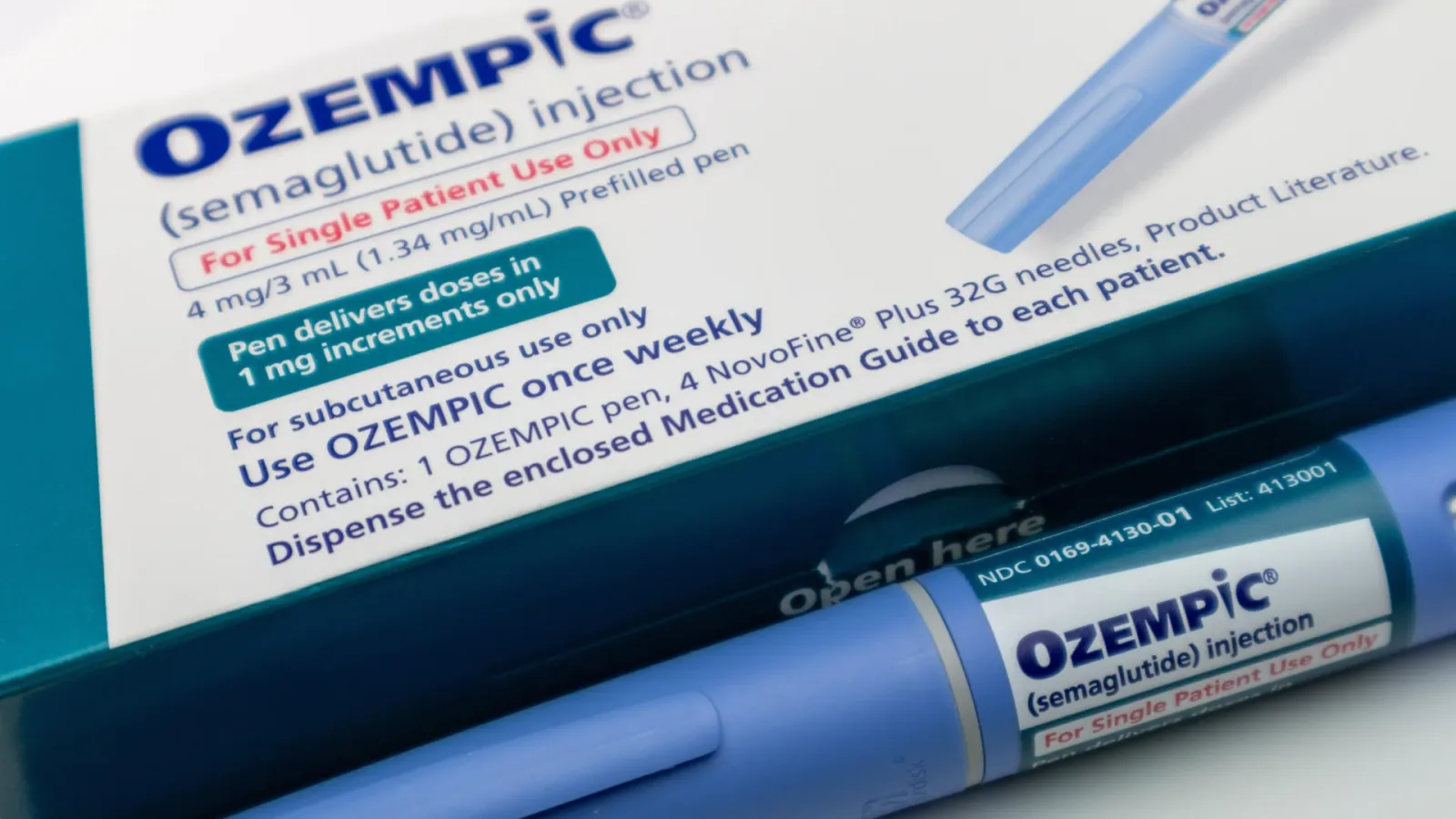
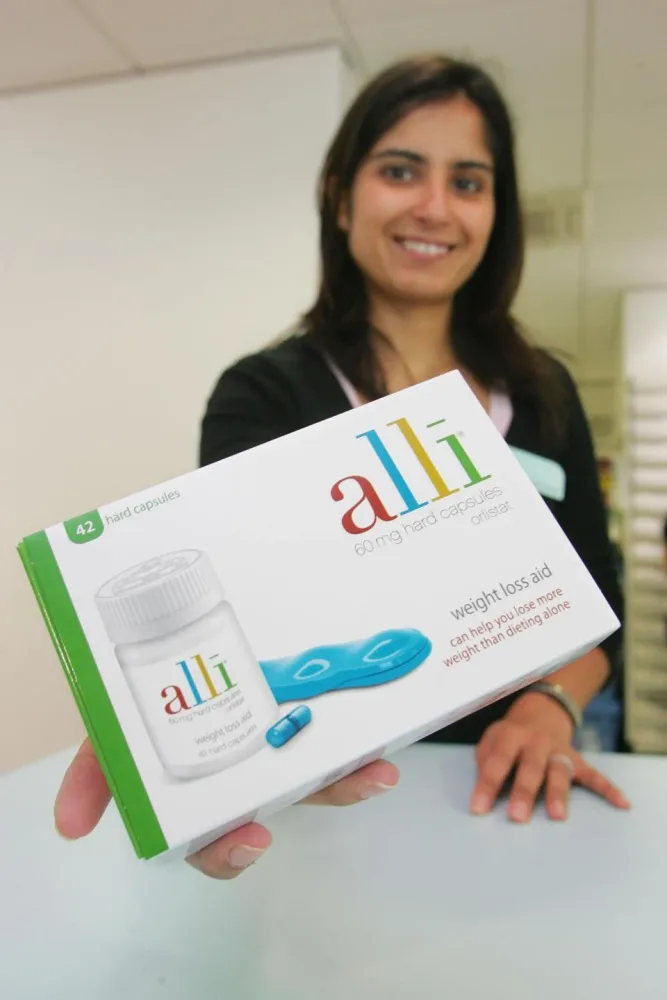
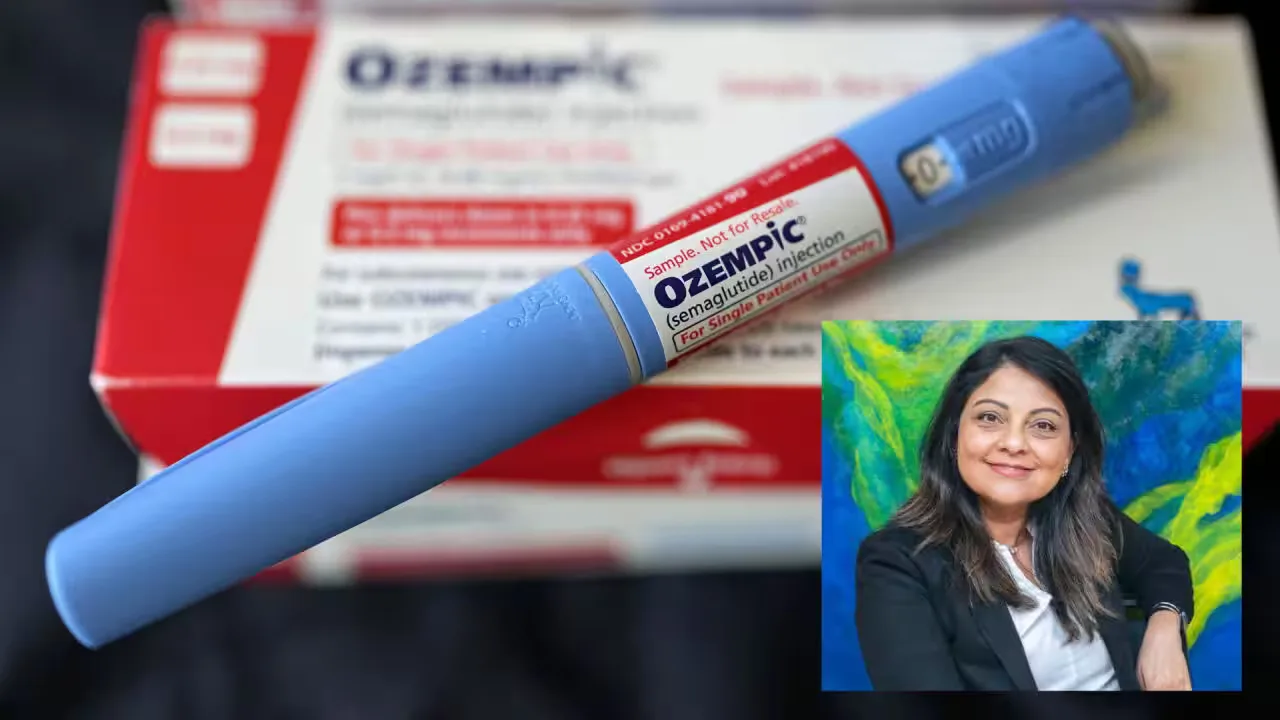
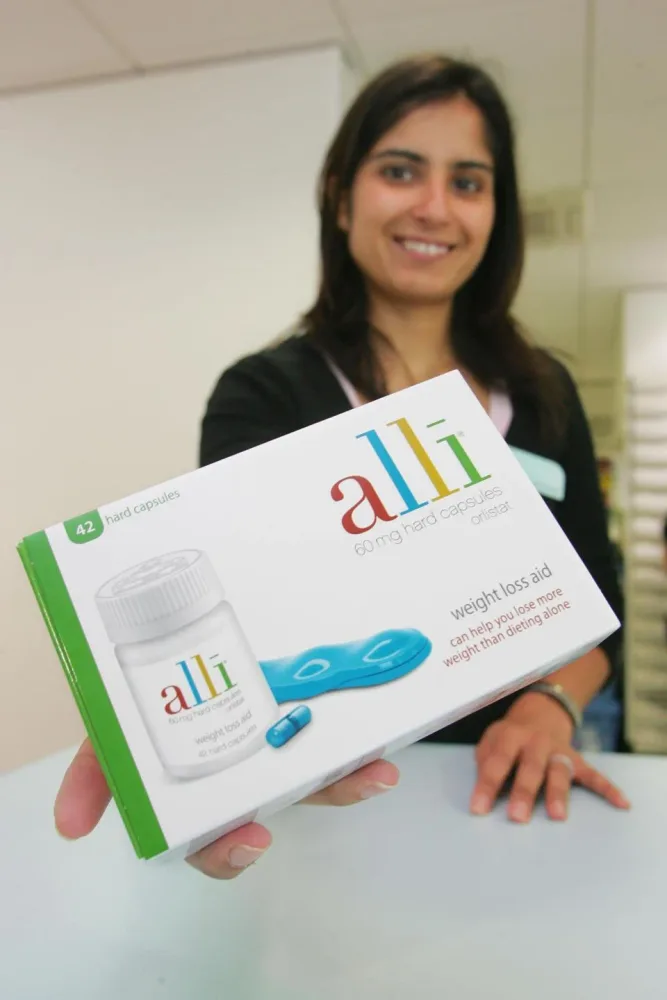
The landscape of weight management is constantly evolving, with new medications and approaches gaining prominence. Amidst the current surge in popularity of GLP-1 agonists like Ozempic, Wegovy, and Mounjaro, it's important to remember the history of weight loss treatments. For years, Alli, the over-the-counter (OTC) version of the drug orlistat, has been a familiar name for individuals seeking to shed pounds without a prescription. However, the Food and Drug Administration (FDA) has recently updated its guidance, issuing a significant warning about potential serious side effects associated with Alli, specifically concerning kidney health.
This development underscores the critical need for informed decision-making when choosing any weight loss aid, whether it's a prescription medication, an OTC product, or a dietary supplement. While Alli has been available for over a decade, the FDA's latest advisory highlights that even seemingly accessible treatments can carry risks that warrant careful consideration and, in some cases, professional medical guidance.
FDA Mandates Label Changes for Alli Amid Kidney Concerns
The FDA has approved significant changes to the drug facts label for Alli's 60 mg capsules. This update aims to provide consumers with clearer and more prominent warnings about potential kidney-related adverse events. The newly highlighted risks include:
- Acute Kidney Injury: This is a sudden and often reversible loss of kidney function, where the kidneys are unable to adequately filter waste products from the blood.
- Kidney Stones: The formation of hard deposits made of minerals and salts that form inside the kidneys.
- Oxalate Nephropathy: A condition characterized by the deposit of calcium oxalate crystals within the kidney tubules. This can lead to kidney injury and, in severe or untreated cases, potentially irreversible fibrosis (scarring) of the kidney tissue.
The FDA emphasizes that severe, untreated cases of acute kidney injury can be life-threatening. The updated label now provides specific instructions for consumers:
- Individuals with a history of kidney disease or kidney stones are strongly advised to consult a healthcare professional before starting Alli.
- All users are directed to discontinue taking Alli immediately and seek medical attention if they experience any of the following symptoms: back or groin pain, blood in the urine, painful urination, or swelling in the legs.
These updated warnings are crucial for ensuring that individuals using Alli are aware of the potential dangers and know when to seek immediate medical help. The FDA's proactive approach in updating the label reflects a commitment to consumer safety and transparency regarding medication risks.
Understanding Alli's Mechanism and Historical Context
Alli, the brand name for the generic drug orlistat, operates differently from the newer generation of weight loss medications like GLP-1 agonists. While drugs such as Wegovy and Ozempic work by mimicking hormones that regulate appetite and blood sugar, thereby reducing hunger and promoting satiety, Alli functions by inhibiting the absorption of dietary fat. Specifically, it blocks about 25% of the fat consumed in a meal from being absorbed by the body.
This mechanism means that the side effects of Alli are often gastrointestinal in nature, such as oily stools, gas with discharge, and fecal urgency. However, the FDA's latest warning highlights that the risks extend beyond these commonly known issues to more serious organ damage.
The introduction of Alli in 2007 marked a significant milestone, as it became the first and only over-the-counter weight loss drug approved in the U.S. Its availability aimed to provide a more accessible option for individuals seeking pharmaceutical assistance for weight management. Since the approval of its prescription counterpart, Xenical, in 1999, an estimated 40 million people have used orlistat in its various forms.
Precision tracking for your journey
Join thousands using Shotlee to accurately track GLP-1 medications and side effects.
📱 Get the Shotlee App
Track your GLP-1 medications, peptides, and health metrics on the go with our mobile app!
While Alli has helped normalize the idea of seeking medical help for weight loss, its efficacy is generally considered more modest compared to prescription options. The average weight loss with orlistat is typically around 5-10% of body weight over a year, often requiring dietary changes to be effective.
Expert Opinions and Broader Concerns Regarding OTC Weight Loss Aids
Despite its over-the-counter status, numerous medical experts and health organizations, including the Mayo Clinic and the British NHS, have cautioned against using Alli without professional medical supervision. The concerns are multifaceted:
- Drug Interactions: Orlistat can interfere with the absorption of certain medications, potentially reducing their effectiveness or increasing the risk of side effects. This is particularly relevant for individuals taking medications for diabetes, blood clotting, or thyroid conditions, as already noted on the original label.
- Vitamin Deficiencies: By blocking fat absorption, Alli can also hinder the absorption of fat-soluble vitamins (A, D, E, and K). Users are typically advised to take a daily multivitamin to mitigate this risk.
- Gastrointestinal Side Effects: As mentioned, these are common and can be quite disruptive for some users.
- Serious Organ Complications: Beyond the newly highlighted kidney risks, there have been concerns about potential liver, and gallbladder complications.
- Misuse by Vulnerable Populations: There is a risk that individuals with eating disorders or unhealthy weight-loss obsessions might misuse OTC weight loss aids like Alli, potentially exacerbating their conditions.
Dr. Sidney Wolfe, former director of Public Citizen's Health Research Group, has been a vocal critic, stating, "These drugs have the potential to cause significant damage to multiple critical organs, yet they provide meager benefits in reducing weight loss in obese and overweight patients." This sentiment reflects a broader debate about the risk-benefit profile of readily available weight loss medications.
Navigating Weight Loss in the Age of GLP-1s and Beyond
The current weight-loss drug boom, largely driven by the success and widespread adoption of GLP-1 medications, has shifted public and medical attention. These newer injectables have demonstrated significant efficacy in weight reduction and managing conditions like type 2 diabetes. Polling data suggests a rapid increase in the use of these drugs, with estimates indicating a doubling of users between 2024 and late 2025.
However, the emergence of serious side effect warnings for established OTC medications like Alli serves as a vital reminder that all weight loss interventions carry potential risks. It highlights the importance of a personalized approach to weight management, guided by healthcare professionals. Factors such as individual health status, medical history, existing conditions, and potential drug interactions must be carefully evaluated.
For individuals considering any weight loss medication, including Alli, understanding its mechanism, potential benefits, and documented risks is paramount. Consulting with a doctor or other qualified healthcare provider is the most reliable way to determine if a particular treatment is appropriate and safe.
Key Takeaways for Alli Users:
- Consult Your Doctor: Especially if you have a history of kidney issues or kidney stones.
- Be Aware of Symptoms: Stop Alli and seek medical help immediately if you experience back/groin pain, blood in urine, painful urination, or leg swelling.
- Understand the Risks: Beyond GI issues, serious kidney complications are now a prominent concern.
- Consider Alternatives: Discuss all weight loss options with your healthcare provider, including newer prescription medications and lifestyle interventions.
At Shotlee, we understand the importance of comprehensive health tracking. For those managing their weight with any medication, including Alli, meticulously logging doses, tracking symptoms, and monitoring progress can provide valuable insights for both the individual and their healthcare team. This data-driven approach can help identify potential issues early and optimize treatment plans.
Conclusion
The FDA's updated warning regarding Alli's potential for serious kidney complications marks a critical juncture in the discussion around accessible weight loss treatments. While Alli has long been a go-to option for many, the newly emphasized risks necessitate a more cautious approach. This development reinforces the enduring principle that no medication, regardless of its availability, should be used without a thorough understanding of its potential side effects and a consultation with a healthcare professional. As the field of weight management continues to advance, prioritizing safety, informed consent, and personalized medical guidance remains the cornerstone of effective and responsible care.
| Alli (Orlistat) vs. GLP-1 Agonists (e.g., Wegovy, Ozempic) | Alli (Orlistat) | GLP-1 Agonists |
|---|---|---|
| Availability | Over-the-Counter (OTC) | Prescription Only |
| Mechanism of Action | Blocks fat absorption | Mimics appetite-regulating hormones (GLP-1) |
| Primary Side Effects | Gastrointestinal (oily stools, gas, urgency) | Nausea, vomiting, diarrhea, constipation |
| Serious Potential Risks (FDA Highlighted) | Acute kidney injury, kidney stones, oxalate nephropathy | Pancreatitis, gallbladder issues, thyroid tumors (in animal studies), severe GI obstruction |
| Efficacy (Typical Weight Loss) | Modest (5-10% body weight over 1 year) | Significant (often 15% or more body weight over 1 year) |