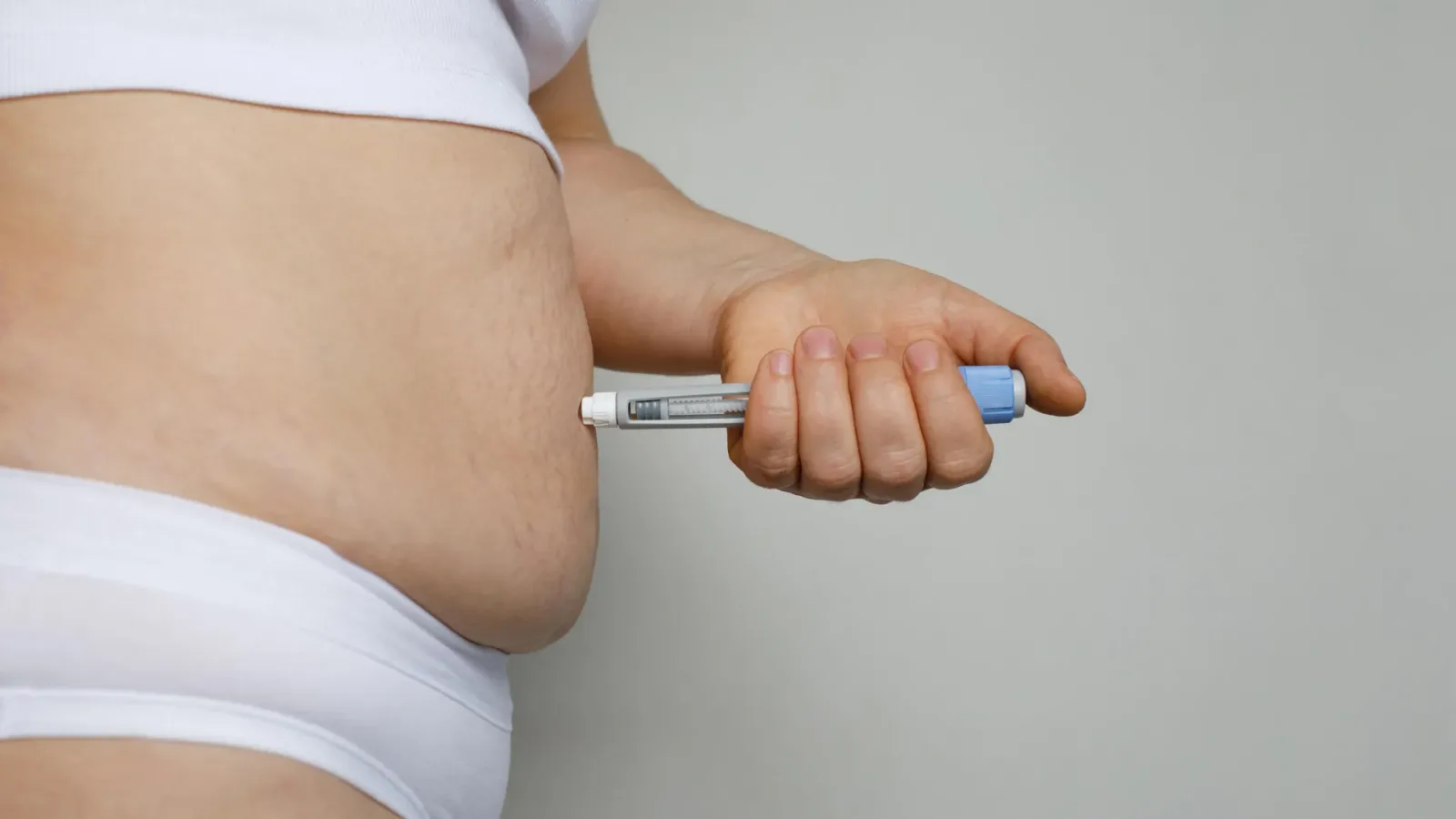

The Paradox of Weight Loss and Movement
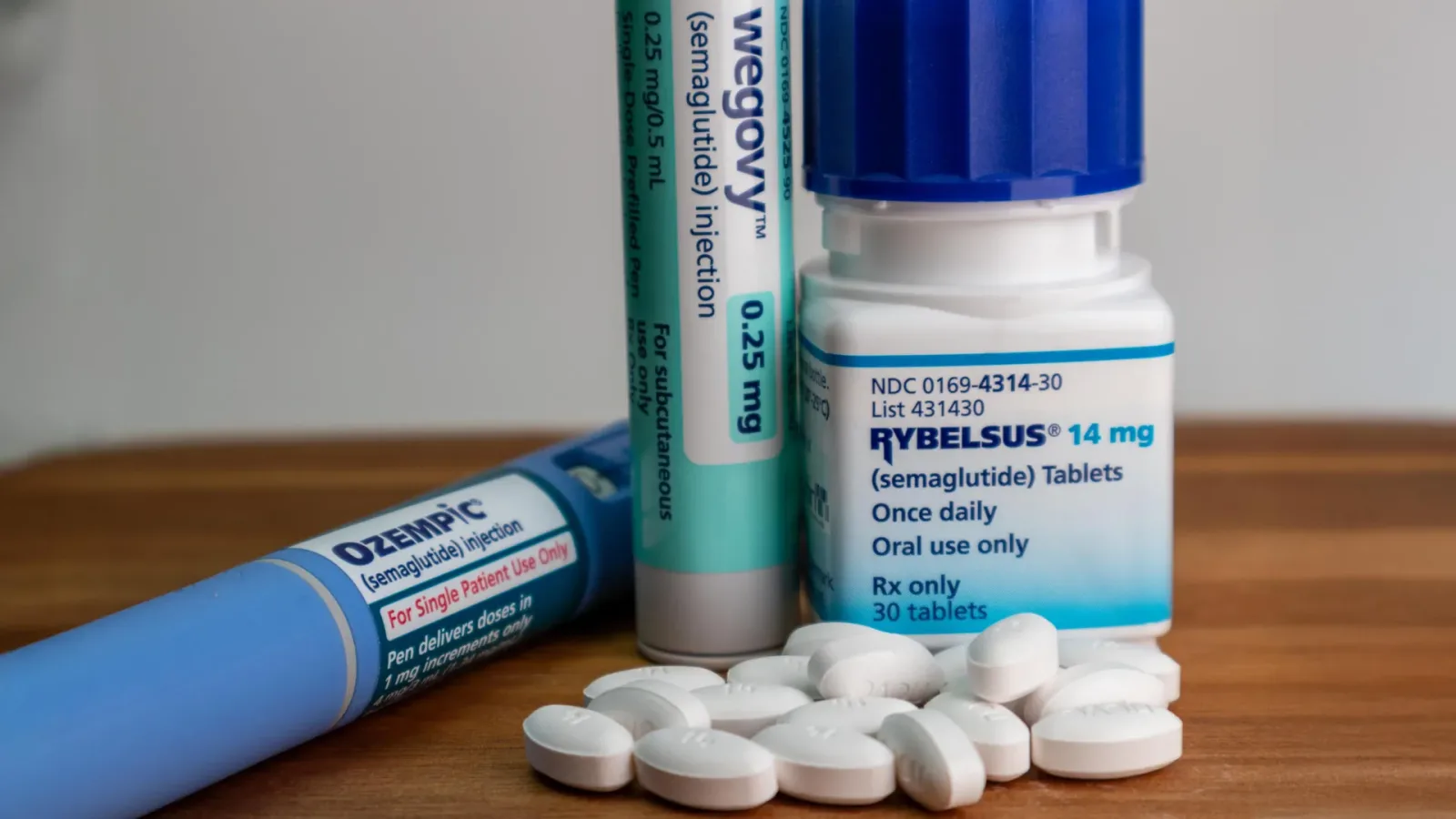
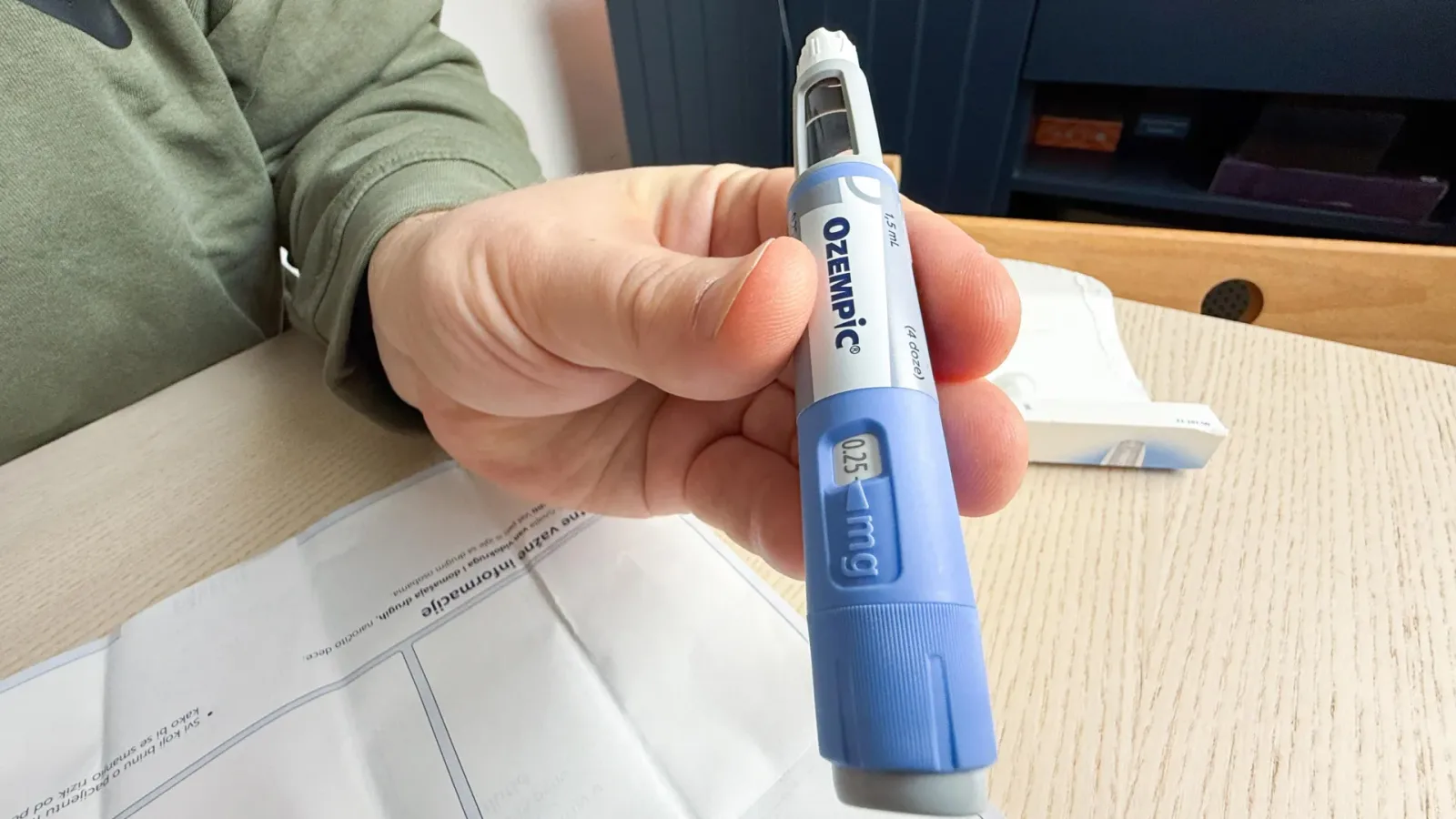
For decades, the general medical consensus has held that losing excess weight makes physical movement easier. As body mass decreases, the mechanical load on joints lessens, and cardiovascular efficiency typically improves. However, emerging data suggests a different reality for patients using modern weight loss medications. People taking GLP-1 weight loss drugs like Ozempic and Wegovy started moving less, a trend that challenges traditional assumptions about metabolic health.
According to research presented Saturday at ENDO 2026, the Endocrine Society's annual meeting in Chicago, Illinois, individuals with obesity who lost weight while taking popular medications became significantly less physically active. This finding highlights a critical need for targeted interventions that encourage physical activity alongside medication for obesity, rather than assuming the weight loss itself will drive the activity.
The Study Overview: ENDO 2026 Findings
The study represents a significant step forward in understanding the behavioral impacts of pharmacological weight management. Researchers analyzed data from the National Institutes of Health's All of Us Research Program, which combines electronic health records with real-world Fitbit activity data. This integration of clinical data with wearable technology provided a granular view of how daily habits changed over time.
The research began with 1,950 adults with obesity who started a GLP-1 medication. Of those, 753 participants had enough wearable-device data to be included in the final analysis. Most were women (78.6%), and the average age was 52.7 years. By comparing physical activity before and after participants began taking the medications, researchers were able to isolate the impact of the treatment on lifestyle habits.
According to study leader Sajana Maharjan, M.D., of HSHS St. John's Hospital in Springfield, Illinois, the results reinforce that exercise cannot be optional for people taking these medications. The findings underscore the importance of monitoring not just weight, but also functional movement and strength during treatment.
Understanding GLP-1 Agonists and Their Mechanisms
The medications studied belong to a class known as glucagon-like peptide-1 (GLP-1) receptor agonists. This group includes semaglutide (marketed as Ozempic and Wegovy), tirzepatide (marketed as Mounjaro and Zepbound), liraglutide, and dulaglutide. While these drugs can be highly effective for weight loss, they work by mimicking hormones that regulate appetite and blood sugar.
When a patient takes these medications, the drug signals the brain to feel full sooner and reduces cravings. However, the physiological effects extend beyond appetite suppression. While these drugs can be highly effective for weight loss, they reduce more than just body fat. They can also contribute to a loss of lean muscle mass, making physical activity especially important for maintaining strength and overall health.
Protecting muscle is a key part of healthy weight loss. When muscle mass is lost, the body's basal metabolic rate can decline, potentially making long-term weight maintenance more difficult. This biological reality means that the medication provides a tool for fat reduction, but it does not replace the need for the patient to actively maintain their muscle through resistance training and movement.
The Risk of Lean Muscle Loss
One of the most concerning aspects of the study is the potential connection between reduced activity and the loss of lean muscle mass. Weight loss is often measured by the number on a scale, but that number does not distinguish between fat and muscle. If a patient loses weight primarily through muscle catabolism rather than fat oxidation, their long-term metabolic health may be compromised.
Physical activity is the primary stimulus for muscle retention. Without the mechanical stress of movement, the body may prioritize shedding muscle tissue, especially when caloric intake is significantly reduced due to appetite suppression from the medication. This creates a cycle where the patient feels less active, loses more muscle, and finds it even harder to engage in physical activity later.
To mitigate this risk, patients need targeted interventions that encourage physical activity alongside medication for obesity. This includes structured exercise plans that prioritize resistance training to preserve muscle density while the medication handles fat reduction.
Activity Data Breakdown: The Numbers
The results showed a clear decline in movement after treatment began. Researchers focused on daily step counts and minutes of moderate-to-vigorous physical activity (MVPA). The data revealed a measurable drop in both metrics, indicating that the medication's effect on energy levels or motivation may be contributing to reduced movement.
| Metric | Pre-Treatment Average | Post-Treatment Average | Change |
|---|---|---|---|
| Daily Step Count | 5,047 steps | 4,487 steps | -560 steps |
| Moderate-to-Vigorous PA | 28 minutes/day | 22 minutes/day | -6 minutes |
The largest decreases were seen in men and in people who reported joint or muscle pain. Factors such as age, heart failure, and a previous stroke did not alter the findings. Importantly, the researchers found no evidence that losing weight with these medications led people to become more physically active, contradicting the common expectation that weight loss naturally facilitates movement.
Precision tracking for your journey
Join thousands using Shotlee to accurately track GLP-1 medications and side effects.
📱 Get the Shotlee App
Track your GLP-1 medications, peptides, and health metrics on the go with our mobile app!
Demographics and Pain Factors
The study provided specific insights into which groups were most affected by the decline in activity. Men experienced larger decreases in movement compared to women, possibly due to baseline differences in activity levels or muscle mass. Additionally, individuals who reported joint or muscle pain showed the most significant drop in physical activity.
This correlation suggests that while the medication reduces the load on joints by lowering body weight, the pain itself may be a barrier to movement that persists. It also highlights the need for pain management strategies that go beyond weight loss alone. For patients managing these changes, platforms like Shotlee can help track symptoms, doses, and health data to identify patterns between pain levels and activity drops.
It is crucial for clinicians to screen for pain not just as a symptom of obesity, but as a potential predictor of reduced adherence to exercise regimens during GLP-1 therapy. Addressing pain proactively can help maintain the activity levels necessary to protect muscle mass.
Clinical Recommendations and Tracking
Given these findings, the medical community is urging a shift in how weight loss is approached. "While many assume that weight loss leads naturally to increased physical activity, our study suggests otherwise," Maharjan stated. The consensus is that exercise cannot be an afterthought.
To support patients, healthcare providers should integrate activity tracking into the treatment plan. This involves setting specific goals for step counts and resistance training that are maintained even as weight drops. Patients should be encouraged to log their activity to ensure they are meeting minimum thresholds for muscle preservation.
Using tools like Shotlee for health tracking allows patients to monitor their progress holistically. By correlating medication doses with activity levels and pain reports, patients can adjust their routines before significant muscle loss occurs. This proactive approach ensures that the weight lost is primarily fat, preserving the metabolic engine that muscle tissue provides.
Key Takeaways for Patients
- Exercise is Mandatory: Do not rely on weight loss to increase activity; plan exercise regardless of how much weight you lose.
- Focus on Muscle: Incorporate resistance training to counteract potential lean mass loss.
- Monitor Pain: Track joint or muscle pain, as it significantly impacts activity levels.
- Track Trends: Use health apps to spot declines in steps or MVPA early.
- Consult Providers: Discuss activity goals with your doctor when starting GLP-1 therapy.
Conclusion
The presentation at ENDO 2026 serves as a vital reminder that medication is only one component of a healthy weight loss journey. While drugs like Ozempic, Wegovy, Mounjaro, and Zepbound are powerful tools for reducing obesity, they do not automatically improve physical function. In fact, the data indicates a risk of reduced movement and potential muscle loss.
Patients and providers must work together to ensure that physical activity remains a priority throughout treatment. By combining pharmacological support with structured exercise and diligent health tracking, it is possible to achieve weight loss that supports long-term health rather than compromising it.
Frequently Asked Questions
1. What did the ENDO 2026 study find about GLP-1 users?
The study found that adults with obesity taking GLP-1 medications became significantly less physically active after starting treatment, with average daily step counts and moderate-to-vigorous activity time decreasing.
2. How much did daily step counts decrease for participants?
Participants' average daily step counts fell from 5,047 steps per day before treatment to 4,487 steps per day after starting the medication.
3. Why is muscle mass important when using GLP-1 medications?
GLP-1 medications can reduce lean muscle mass along with body fat. Maintaining muscle is crucial for preserving metabolic rate and overall strength, making exercise essential during treatment.
4. Which demographic groups showed the largest activity decline?
The largest decreases in physical activity were observed in men and in people who reported joint or muscle pain, while age, heart failure, and stroke history did not alter the findings.
5. Can health tracking apps like Shotlee help manage these side effects?
Yes, platforms like Shotlee allow patients to track symptoms, doses, and activity data, helping identify patterns between pain levels and activity drops to maintain muscle health.