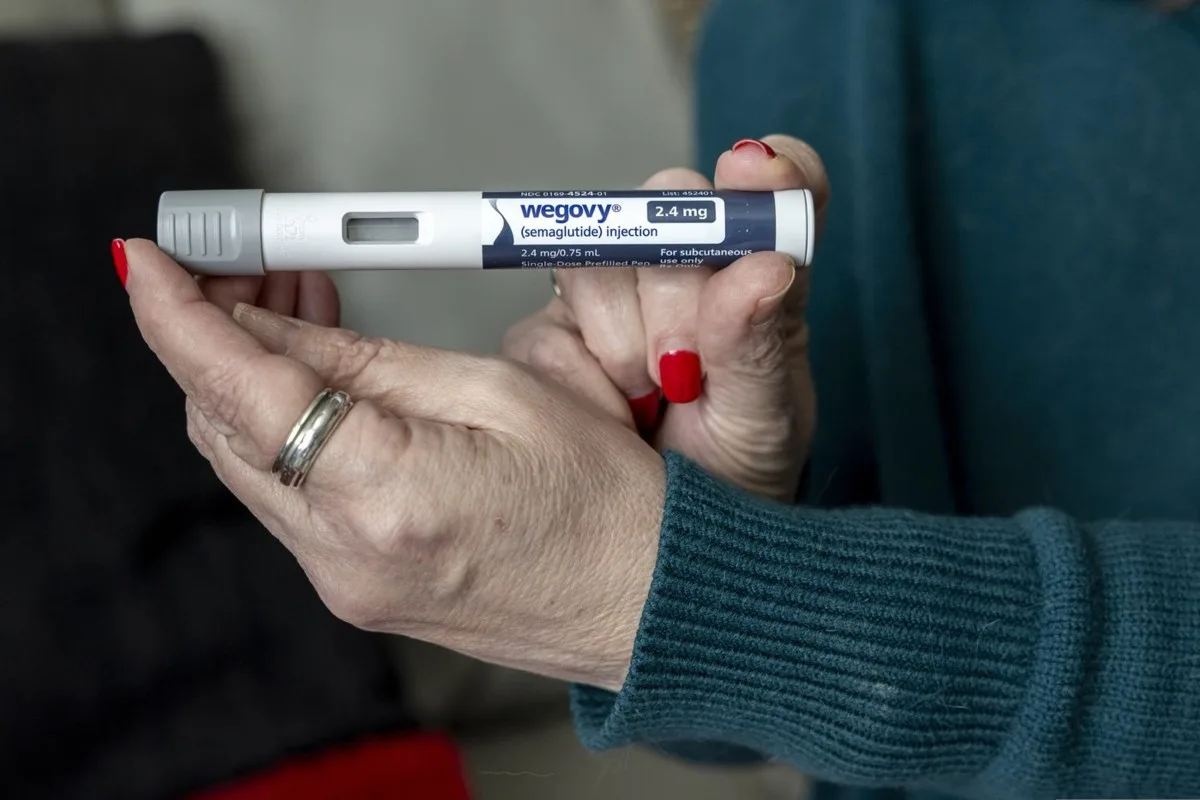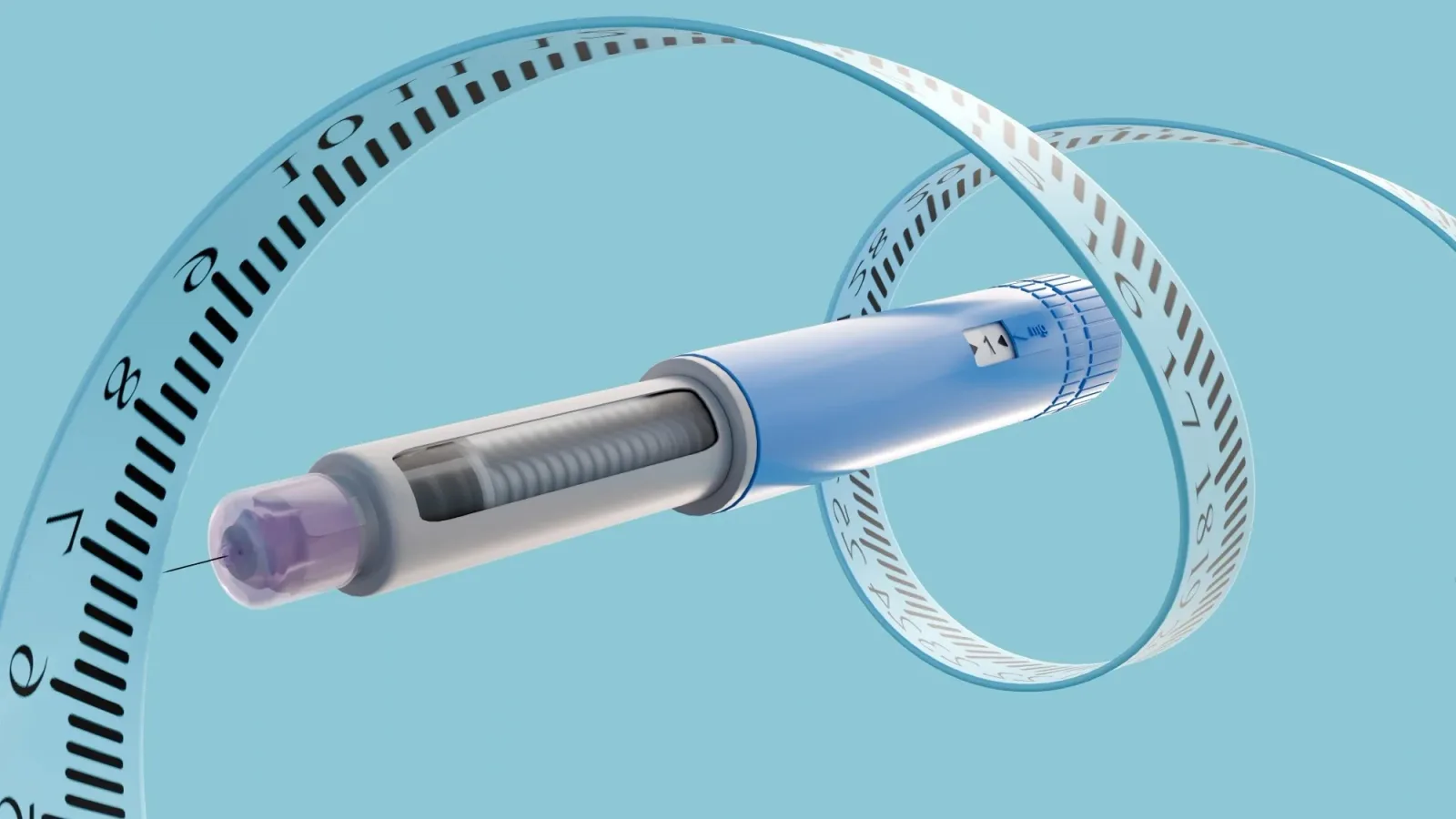

The conversation around weight loss medications has evolved dramatically, with GLP-1 agonists like semaglutide (found in Ozempic and Wegovy) and tirzepatide (found in Mounjaro and Zepbound) at the forefront. These medications have shown remarkable success in aiding weight loss and improving metabolic health. However, as these treatments become more widespread, a critical question arises, particularly for our aging population: "Am I too old to start a GLP-1 medication?"
This question is becoming increasingly relevant, especially with initiatives like Medicare's pilot program covering weight loss drugs for millions of enrollees aged 65 and older. The short answer is a resounding no, there isn't a strict age limit. However, the approach to prescribing and managing GLP-1s for older adults requires a more nuanced, individualized strategy, prioritizing overall health and functional capacity over chronological age.
As a medical professional specializing in patient care, I've observed that true candidacy for GLP-1s hinges on an individual's health status, not just the number of years they've lived. Factors such as frailty, existing muscle mass, nutritional intake, and the ability to perform daily activities are far more significant indicators than age alone. This is because GLP-1s, while effective for fat reduction, can also lead to unintended muscle loss if not carefully managed alongside a comprehensive health plan.
Understanding the Nuances of Aging and Weight Loss
Weight loss, regardless of the method – be it diet, surgery, illness, or medication – invariably involves the loss of lean muscle mass. For older adults, this concern is amplified. Muscle loss, a process known as sarcopenia, naturally begins around age 30 and accelerates significantly after age 65, with individuals losing approximately 3% to 5% of their muscle mass per decade.
When rapid weight loss occurs, particularly without adequate support, this natural decline can be exacerbated. This isn't merely an aesthetic issue. Healthy muscle mass is crucial for maintaining balance, preventing falls and fractures, and preserving independence. In fact, muscle mass and strength are increasingly recognized as vital predictors of longevity and metabolic health. Muscles act as metabolic organs, playing a role in regulating blood sugar and protecting against chronic diseases. Insufficient muscle mass can be a stronger indicator of early mortality than Body Mass Index (BMI).
Therefore, the focus in weight management for older adults should shift from solely reducing numbers on a scale to optimizing body composition, emphasizing the preservation of muscle mass alongside fat loss. This holistic view ensures that weight loss contributes to a higher quality of life and long-term health, rather than potentially compromising it.
Common Pitfalls and the Importance of Individualized Dosing
One of the most significant errors I encounter when treating individuals aged 70 and above with GLP-1 medications is prescribing them as if they were treating a much younger, healthier patient. Older adults often have different physiological responses to medications, necessitating a slower dose escalation and more frequent medical monitoring.
Appetite naturally tends to decrease with age, and GLP-1 medications further suppress appetite. This can lead to unintentional underconsumption of essential protein and calories. The goal of these medications is not to starve the body, but to nourish it effectively while reducing excess fat. For some, this means staying on a lower dose for a longer period, gradually increasing the dose, or even temporarily reducing it if nutritional intake becomes compromised. Close, individual monitoring is paramount.
Key Considerations for Older Adults on GLP-1s:
- Slower Dose Escalation: Allow the body more time to adapt to the medication.
- Frequent Monitoring: Regularly assess nutritional intake, energy levels, and any potential side effects.
- Nutritional Support: Emphasize adequate protein intake to support muscle maintenance.
- Hydration: Ensure sufficient fluid intake, which is vital for overall health and metabolism.
- Physical Activity: Incorporate resistance training to actively build and preserve muscle mass.
In my practice, we dedicate as much time to discussing daily protein targets (e.g., 0.55 to 0.7 grams per pound of body weight for a healthy 70-year-old), the importance of resistance training (two to three times per week), hydration, and recovery as we do to medication dosing. Weight loss that sacrifices muscle is not a sustainable or healthy victory.
Precision tracking for your journey
Join thousands using Shotlee to accurately track GLP-1 medications and side effects.
📱 Get the Shotlee App
Track your GLP-1 medications, peptides, and health metrics on the go with our mobile app!
Weighing the Risks and Benefits for Mature Patients
Some healthcare providers may hesitate to recommend GLP-1s for older adults, believing that carrying extra weight is safer than the potential risks associated with weight loss. I respectfully disagree.
Excess body fat significantly increases the risk of numerous chronic health conditions, including diabetes, heart disease, sleep apnea, arthritis, non-alcoholic fatty liver disease, hypertension, and certain types of cancer. For aging bodies, excess weight also places tremendous stress on joints, exacerbating pain and mobility issues. For many patients, even a modest weight loss of 10% to 15% of their body weight can lead to dramatic improvements in mobility. This can translate to walking farther, climbing stairs with less pain, enjoying travel, and having more energy to engage with family, including grandchildren. These quality-of-life enhancements are invaluable and should not be overlooked simply due to age.
However, it's crucial to acknowledge that GLP-1 medications are not a universal solution. Patients who are already frail, struggling with malnutrition, or experiencing significant muscle wasting may not be suitable candidates. In such cases, alternative approaches might be more beneficial, focusing on strength training, hormone optimization, or physical therapy before considering medication.
A New Era of Healthy Aging
We are witnessing a transformative period in medicine where individuals are not only living longer but also striving to live better, maintaining function, mobility, and independence well into their later years. GLP-1 medications are a significant part of this evolving landscape, but they should not be viewed as magic bullets. When prescribed thoughtfully and integrated into a comprehensive wellness plan, they can be powerful tools.
A well-managed GLP-1 regimen for older adults should include:
| Component | Importance for Older Adults |
|---|---|
| Medication Dosing | Requires careful, slow escalation and regular adjustments based on individual response. |
| Nutritional Strategy | Prioritize high-quality protein intake to preserve muscle mass and adequate calories for energy. |
| Exercise Regimen | Incorporate resistance training to counteract muscle loss and improve strength. |
| Medical Supervision | Ongoing monitoring by a healthcare provider is essential to manage side effects and optimize outcomes. |
| Hydration & Recovery | Crucial for metabolic function, energy levels, and overall well-being. |
For individuals considering GLP-1s, the most pertinent question isn't "Am I too old?" but rather, "Am I healthy enough to benefit, and do I have a healthcare provider who will guide me in losing fat while preserving the muscle I need for the decades ahead?"
Ultimately, healthy aging is not solely about achieving a lower weight. It's about cultivating and maintaining the strength and vitality necessary to fully enjoy the life you've built.
For those embarking on a weight loss journey with GLP-1 medications, utilizing tools like Shotlee can be invaluable for tracking medication doses, monitoring progress, logging symptoms, and managing your overall health data, ensuring a more informed and supported experience.
Practical Takeaways
- Health Over Age: Focus on your overall health status, not just your age, when considering GLP-1s.
- Muscle is Key: Prioritize preserving muscle mass through adequate protein intake and resistance training.
- Individualized Approach: GLP-1 therapy for older adults requires careful, personalized medical supervision and dose adjustments.
- Holistic Wellness: Combine medication with a balanced diet, exercise, and proper hydration for optimal results.
- Consult Your Doctor: Always discuss your health goals and any concerns with your healthcare provider.
Conclusion
GLP-1 medications represent a significant advancement in metabolic health and weight management. For older adults, these drugs can offer substantial benefits in reducing disease risk and improving quality of life, provided they are prescribed and managed with a deep understanding of age-related physiological changes. By focusing on comprehensive health, prioritizing muscle preservation, and engaging in close collaboration with healthcare providers, older individuals can safely and effectively leverage these medications to support a healthier, more active future.