
The Hidden Cost of GLP-1 Weight Loss
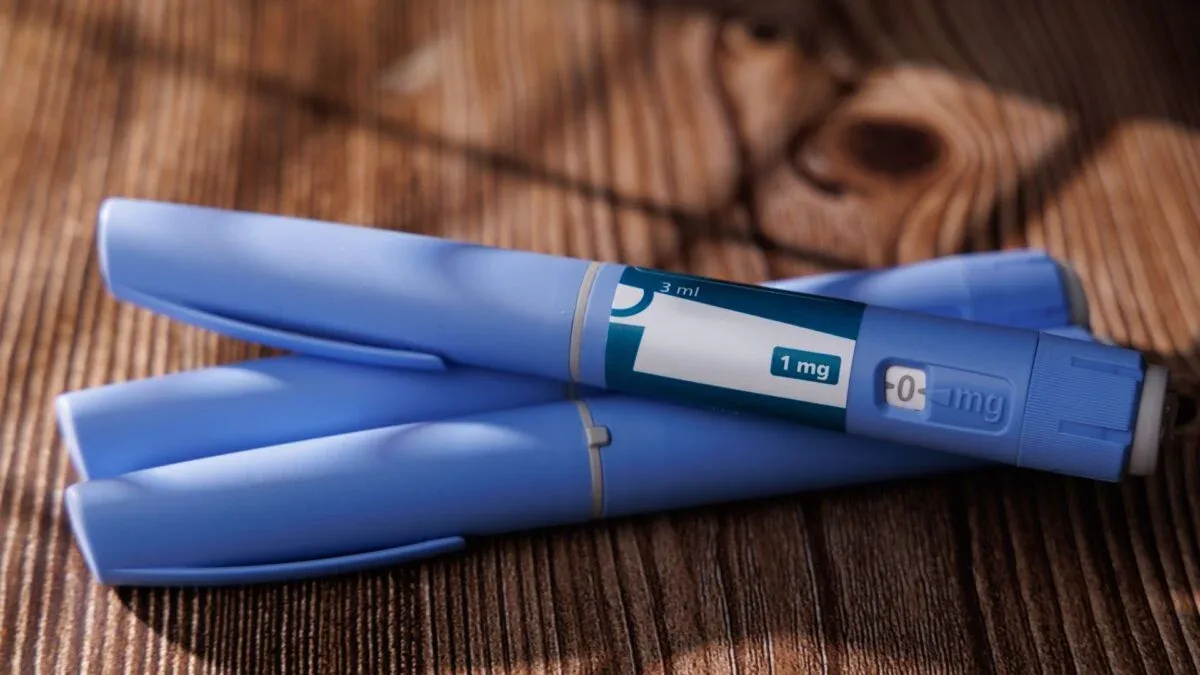
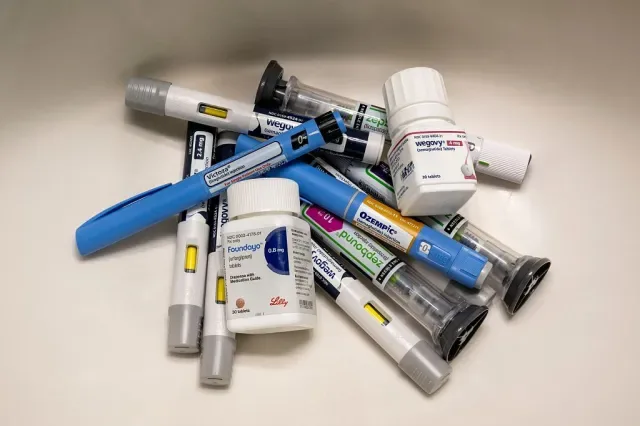
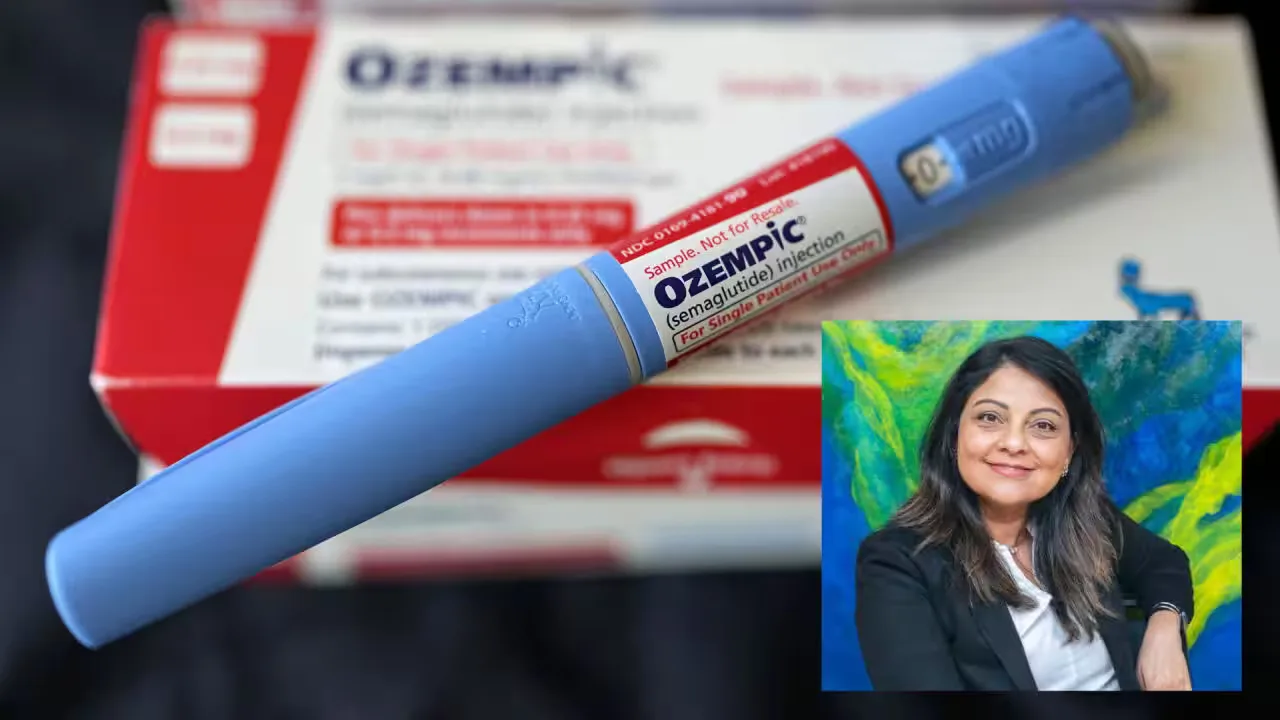
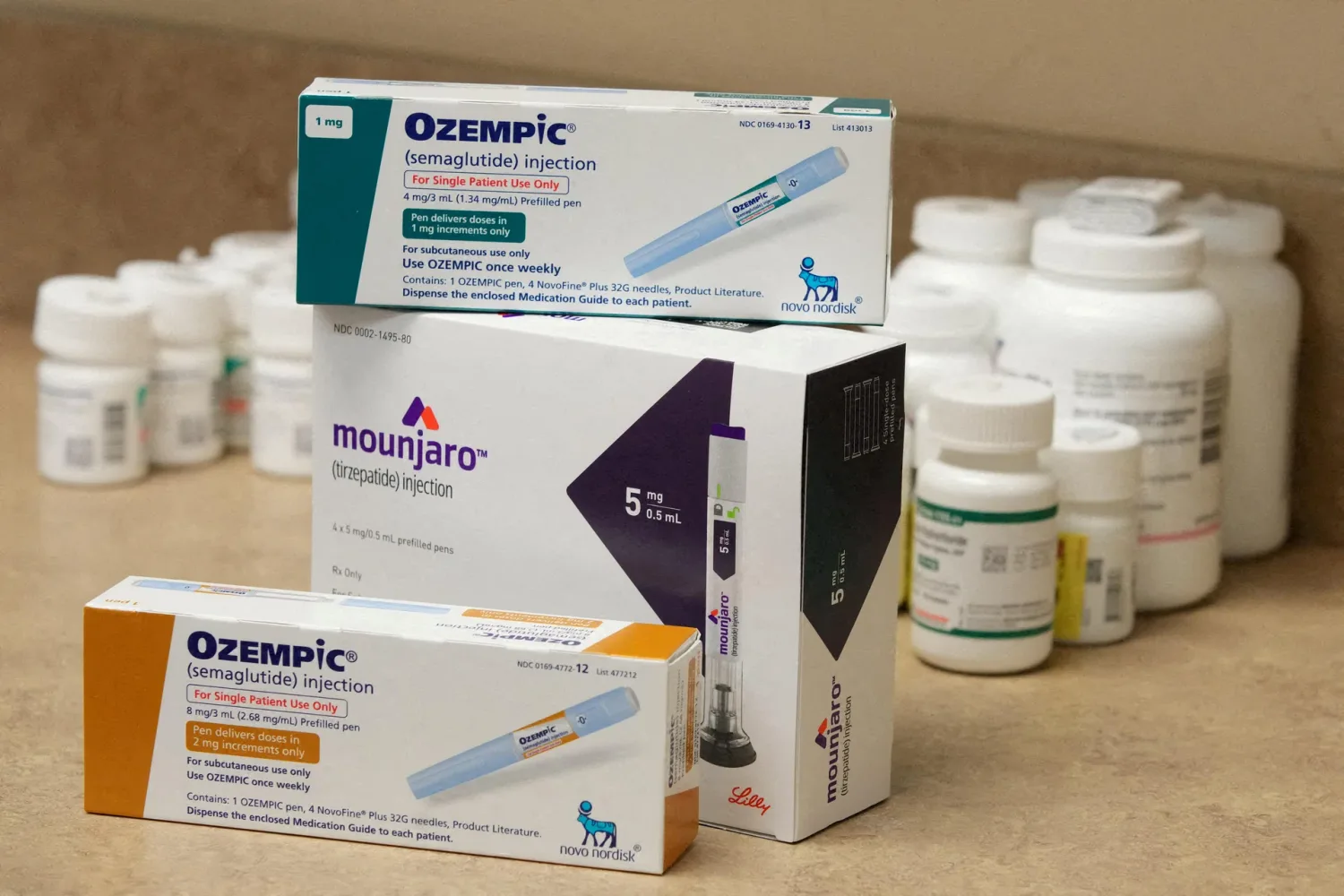
Millions of Americans are currently utilizing GLP-1 receptor agonists to manage obesity and type 2 diabetes. Drugs like Ozempic, Wegovy, and Mounjaro have revolutionized the weight loss landscape, delivering remarkable results in fat reduction. However, a concerning trend has emerged alongside this success: the unintended loss of lean muscle mass.
While shedding fat is the primary goal, losing muscle can have deleterious effects on long-term health. Unlike fat, muscle tissue does not return quickly once lost. This decline can compromise strength, mobility, and metabolic rate, potentially undermining the sustainability of weight loss efforts. Patients often find themselves weaker despite weighing less, a phenomenon that health experts are now actively investigating.
Fortunately, new research from Stanford Medicine suggests there may be a way to mitigate this side effect without sacrificing the fat-loss benefits of these powerful medications.
Why Muscle Preservation Matters More Than Ever
To understand the significance of this research, one must appreciate the critical role muscle plays in overall physiology. Skeletal muscle is not merely for aesthetics; it is a metabolic engine that regulates blood sugar, supports joint health, and maintains functional independence.
When patients undergo significant caloric restriction or use GLP-1 medications, the body often catabolizes both fat and muscle for energy. This loss of lean mass can lead to sarcopenia—the age-related loss of muscle mass and function—even in younger adults. The consequences extend beyond appearance:
- Metabolic Slowdown: Muscle burns more calories at rest than fat. Losing muscle can lower your basal metabolic rate, making future weight maintenance harder.
- Functional Decline: Reduced muscle strength impacts daily activities, from climbing stairs to carrying groceries.
- Recovery Issues: With less muscle reserve, recovery from injury or illness becomes more difficult.
For many patients using peptide therapy or GLP-1s, the fear of becoming "skinny fat" or losing their metabolic edge is real. This is where the new Stanford findings offer a potential paradigm shift in how we approach pharmacological weight loss.
The Science: Unlocking Muscle Regeneration
The breakthrough study, led by Helen Blau, PhD, focuses on a specific enzyme known as 15-PGDH. Blau, a professor of microbiology and immunology at Stanford Medicine, has spent years researching muscle stem cells, which are essential for repairing muscle after injury or intense physical activity.
In 2021, Blau's team identified that 15-PGDH increases after injury and becomes more prevalent with age. This enzyme limits the availability of a metabolite called prostaglandin E2 (PGE2). PGE2 is crucial for activating muscle stem cells. Essentially, high levels of 15-PGDH act as a brake on muscle repair.
The researchers hypothesized that inhibiting this enzyme could unlock the body's natural ability to rebuild muscle. They developed an experimental drug class known as PGDHi (15-PGDH inhibitors). The goal was to see if this compound could counteract the muscle-wasting effects of GLP-1 medications.
Stanford's Breakthrough Study Results
In the new study published in the Proceedings of the National Academy of Sciences, the team tested whether a PGDHi drug could boost muscle repair during GLP-1-induced weight loss. They used young adult male mice fed a high-fat diet to induce obesity, then treated them with semaglutide (the active ingredient in Ozempic and Wegovy), an experimental PGDHi, or both.
The results were striking. While semaglutide alone successfully reduced body fat, it also reduced skeletal muscle mass. More critically, it impaired the muscles' ability to recover after stress or injury. However, when the PGDHi was added to the treatment regimen, the outcome changed dramatically.
Comparative Study Outcomes in Mice
| Treatment Group | Body Weight Change | Muscle Mass | Recovery After Injury |
|---|---|---|---|
| Control (No Drug) | Stable | Normal | Normal Recovery |
| Semaglutide Only | Significant Loss (~25%) | Reduced | Poor Recovery |
| PGDHi Only | Stable | Normal | Normal Recovery |
| Semaglutide + PGDHi | Significant Loss (~25%) | Preserved | Restored Strength |
As the table illustrates, the combination therapy allowed mice to lose fat without sacrificing muscle. The PGDHi enhanced the proliferation of muscle stem cells, restoring the ability to generate new muscle fibers even in the presence of the weight-loss drug.
Minas Nalbandian, PhD, the first author of the paper, noted, "It wasn't just that there was an initial loss of muscle with the GLP-1 receptor agonist—it also reduced the regenerative capacity of the young mouse muscles." This distinction is vital; the drug doesn't just prevent loss, it actively supports the machinery needed to rebuild tissue.
Precision tracking for your journey
Join thousands using Shotlee to accurately track GLP-1 medications and side effects.
📱 Get the Shotlee App
Track your GLP-1 medications, peptides, and health metrics on the go with our mobile app!
From Mice to Humans: What's Next?
While the mouse data is promising, the translation to human health requires careful consideration. The experimental compound in question, MF-300, is already in clinical trials. It has completed Phase 1 trials and was deemed safe in humans, with Phase 2b trials for age-related muscle loss (sarcopenia) planned for later this year.
Blau notes that the effect observed with GLP-1s is not unique to the drugs but is also related to caloric restriction in general. "Ultimately, Blau hopes that a PGDHi could become a standard companion to GLP-1 drugs, letting patients lose weight without sacrificing muscle," she stated.
However, patients should remain cautious. The drugs have yet to be tested in older obese individuals, who have different risk factors for muscle loss. Additionally, PGDHi alone had no effect on muscle strength in healthy young mice, confirming that it aids repair rather than acting as a standalone muscle builder without physical demand.
Practical Takeaways for Patients Now
While we await the results of Phase 2b trials for MF-300, patients currently on GLP-1 medications can take steps to protect their muscle mass. The research underscores the importance of mechanical stress (exercise) to trigger the regenerative pathways that these drugs may one day enhance.
- Focus on Resistance Training: Muscle stem cells need a signal to activate. Weightlifting and resistance exercises provide this signal, ensuring that the body prioritizes lean mass during weight loss.
- Prioritize Protein Intake: Adequate protein is the building block for muscle repair. Maintaining high protein intake can help mitigate catabolism.
- Monitor Your Progress: Tracking your body composition is essential. Tools like Shotlee can help you monitor your symptoms, doses, and health data over time, allowing you to spot trends in strength or energy levels that correlate with your medication regimen.
- Communicate with Your Doctor: Discuss your concerns about muscle loss with your healthcare provider. They can adjust your nutrition or exercise plan to support lean mass retention.
- Stay Informed on Clinical Trials: Keep an eye on the status of MF-300 and similar compounds. Future combinations of GLP-1s and muscle-preserving agents could become standard care.
Conclusion
The research from Stanford Medicine offers a beacon of hope for the millions relying on GLP-1 therapies. By identifying a mechanism to preserve muscle regeneration, scientists are addressing one of the most significant unintended side effects of modern weight loss treatment. While the PGDHi compound is not yet available for general use, the findings validate the importance of muscle health in the weight loss journey.
Until then, a combination of resistance training, proper nutrition, and diligent health tracking remains the best strategy for maintaining strength while shedding fat. The future of weight loss may well lie in this synergy between pharmaceuticals and biological repair mechanisms.
Frequently Asked Questions
1. Does Ozempic cause permanent muscle loss? GLP-1 medications like Ozempic can lead to a reduction in lean muscle mass during weight loss. While some of this can be regained, the new research suggests that without intervention, the regenerative capacity of the muscle may be temporarily impaired, making recovery slower.
2. What is the new compound MF-300? MF-300 is an experimental PGDHi (15-PGDH inhibitor) currently in clinical trials. It works by inhibiting an enzyme that limits muscle stem cell activation, potentially allowing patients to preserve muscle while losing fat on GLP-1 drugs.
3. Can I take this muscle-preserving drug now? No. MF-300 is currently undergoing Phase 2b trials for age-related muscle loss. It has not yet been approved specifically for use with GLP-1 medications, and clinical availability is not immediate.
4. Does the PGDHi drug work without exercise? In the study, the PGDHi compound did not increase muscle strength in healthy mice without injury or stress. This suggests it supports repair and regeneration rather than building muscle from scratch without physical demand.
5. How does Shotlee help with GLP-1 tracking? Shotlee allows users to log their medication doses, track physical symptoms, and monitor health metrics over time. This data can help patients and providers identify correlations between treatment and changes in strength or energy, ensuring a safer weight loss journey.
Disclaimer: This article is for informational purposes only and does not constitute medical advice. Always consult with a qualified healthcare provider before starting or changing any medication regimen.