
Navigating Recent Supply Disruptions in GLP-1 Therapy
In the rapidly evolving landscape of weight management and diabetes care, access to consistent medication is paramount. Recently, Dr. Reddy's Laboratories Ltd. announced a delay in the commercial production of its generic version of Ozempic (semaglutide). This decision comes after the Indian pharmaceutical company identified an unspecified issue with the active pharmaceutical ingredient (API) in certain batches of the anti-obesity and diabetes therapy.
While this news may raise concerns for patients relying on affordable generic options, it is important to understand the context of pharmaceutical quality control. The company stated in a regulatory filing that certain batches of semaglutide were found to be out of specification. In the pharmaceutical industry, "out of specification" is a serious designation that triggers immediate investigation to ensure patient safety remains the top priority.
This article breaks down the implications of this delay, the science behind API quality, and practical steps patients can take to maintain their health goals during supply fluctuations. We will also explore how tools like Shotlee can assist in tracking therapy progress when medication access becomes uncertain.
Understanding Active Pharmaceutical Ingredient (API) Issues
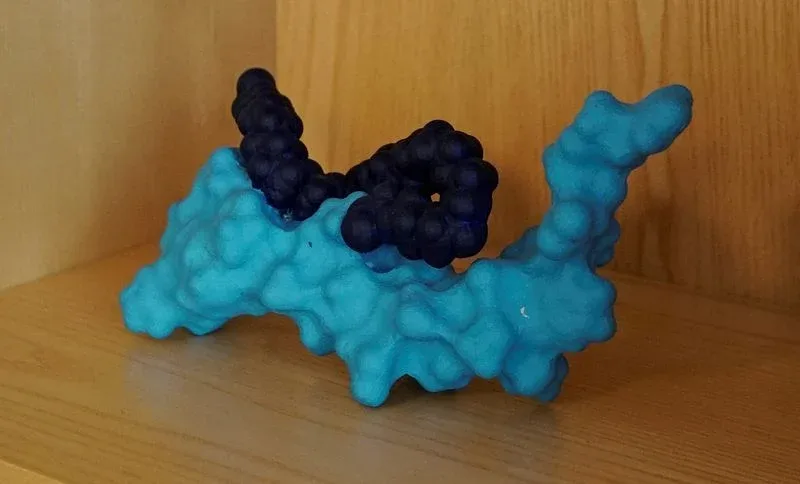
To grasp the significance of this delay, it is helpful to understand what an Active Pharmaceutical Ingredient is. The API is the biologically active component in a drug that produces the intended physiological effect. For semaglutide, this is the molecule responsible for the GLP-1 receptor agonist activity that regulates blood sugar and appetite.
When a manufacturer like Dr. Reddy's identifies an issue with the API, it does not necessarily mean the drug is harmful, but rather that it does not meet the rigorous purity, potency, or structural standards required for approval. These standards are established by regulatory bodies such as the FDA and are critical for ensuring that every dose a patient receives is consistent with previous doses.
Why Specifications Matter
Pharmaceutical specifications are precise chemical and physical parameters. If an API batch deviates from these parameters, it could result in:
- Potency Variations: The drug might be less effective than intended, leading to suboptimal blood sugar control or weight loss results.
- Purity Concerns: Unexpected impurities could theoretically introduce safety risks, even if rare.
- Stability Issues: The medication might degrade faster than expected in the vial or pen.
By halting commercial production, Dr. Reddy's is preventing potentially non-compliant batches from reaching pharmacies. This proactive approach is standard practice in high-quality manufacturing and reflects a commitment to the safety standards expected of GLP-1 therapies.
The Landscape of Generic Semaglutide
The announcement regarding Dr. Reddy's highlights the growing market for generic semaglutide. As patents on brand-name medications like Ozempic and Wegovy approach expiration or are challenged, numerous pharmaceutical companies are developing biosimilar or generic versions to increase accessibility.
Generic medications must demonstrate bioequivalence to the brand-name product. This means they must deliver the same amount of active ingredient into the bloodstream in the same amount of time. However, the path to approval involves complex manufacturing processes where the API is synthesized, purified, and formulated into the final injectable product.
Brand vs. Generic Availability
Currently, Novo Nordisk remains the manufacturer of the original brand-name Ozempic and Wegovy. Dr. Reddy's is one of several companies positioning itself to offer a lower-cost alternative. The delay in their specific generic line does not necessarily halt the supply of the brand-name product, though broader supply chain challenges often affect the entire GLP-1 class.
Patients should be aware that shortages can occur for multiple reasons, including API sourcing, manufacturing capacity, and regulatory inspections. This specific delay is isolated to Dr. Reddy's batches, but it serves as a reminder of the fragility in the global supply chain for complex peptide therapies.
Regulatory Oversight and Quality Assurance
Pharmaceutical manufacturers operate under strict regulatory frameworks. When a company identifies an issue with a batch, they are obligated to investigate the root cause before resuming production. This process ensures that the problem does not recur in future batches.
Precision tracking for your journey
Join thousands using Shotlee to accurately track GLP-1 medications and side effects.
📱 Get the Shotlee App
Track your GLP-1 medications, peptides, and health metrics on the go with our mobile app!
Dr. Reddy's stated they are "investigating the root cause and taking appropriate measures to ensure product quality." This language is standard in regulatory filings and indicates a methodical approach to quality assurance. Typically, this involves:
- Retesting: Analyzing retained samples from the affected batches.
- Process Review: Examining the manufacturing steps to identify where the deviation occurred.
- Supplier Audits: Verifying the quality of raw materials used in the API synthesis.
Until the investigation is complete and the regulatory bodies are satisfied, commercial supplies remain on hold. This period of delay is a necessary trade-off to prevent potential patient exposure to medication that does not meet safety specifications.
Implications for Patients and Care Teams
For patients currently prescribed semaglutide, news of supply delays can be stressful. However, it is crucial to distinguish between a specific manufacturer's delay and a total class-wide shortage. While Dr. Reddy's generic is delayed, other sources of semaglutide may still be available, depending on your location and insurance formulary.
Healthcare providers play a vital role in managing these transitions. If your pharmacy cannot fill a prescription for the Dr. Reddy's generic version, your provider may need to explore alternative options. These could include continuing with the brand-name product if covered by insurance, switching to a different manufacturer, or temporarily adjusting the dosage.
Managing Therapy Gaps
Consistency is key when managing GLP-1 medications. Missing doses or switching formulations without guidance can lead to fluctuations in blood glucose levels or appetite regulation. If you face a gap in your medication supply due to this or any other delay, consider the following steps:
- Contact Your Pharmacy: Ask if they have stock from other manufacturers or if a transfer to another location is possible.
- Consult Your Provider: Discuss temporary alternatives or dosage adjustments if a break in therapy is unavoidable.
- Monitor Symptoms: Pay close attention to how your body responds if you miss doses, particularly regarding blood sugar levels or hunger cues.
Tracking Progress with Shotlee During Disruptions
During periods of supply uncertainty, maintaining a clear record of your health data becomes even more valuable. Tools like Shotlee are designed to help patients track their journey through medication therapy, symptoms, and lifestyle changes.
When facing a potential delay in medication access, using a health tracking platform can provide clarity for both you and your doctor. For example, if you must pause your semaglutide, logging your symptoms and blood glucose readings in Shotlee can help your provider assess the impact of the gap and make informed decisions about restarting therapy.
Key Metrics to Monitor
Whether you are on brand-name Ozempic, Wegovy, Mounjaro (tirzepatide), or a generic semaglutide, tracking specific data points helps maintain continuity of care. Shotlee allows you to:
- Log Dose Dates: Keep a precise record of when you last received a dose.
- Track Side Effects: Monitor nausea, digestion, or other reactions that may change if medication is interrupted.
- Record Weight and Vitals: Maintain a baseline to evaluate long-term progress despite short-term supply issues.
This data creates a cohesive narrative of your treatment that can be shared during telehealth visits or pharmacy consultations, ensuring your care team has the full picture before making adjustments.
Summary of Supply Status
The following table summarizes the current status of semaglutide availability based on the recent announcement.
| Manufacturer | Product | Status | Notes |
|---|---|---|---|
| Novo Nordisk | Ozempic (Brand) | Variable | Subject to general supply chain constraints. |
| Novo Nordisk | Wegovy (Brand) | Variable | Subject to general supply chain constraints. |
| Dr. Reddy's | Semaglutide (Generic) | Delayed | Commercial production paused pending API investigation. |
| Other Manufacturers | Generic Semaglutide | Varying | Depends on specific approval status and batch quality. |
Conclusion
The delay in Dr. Reddy's generic Ozempic supplies is a reminder of the complexities involved in pharmaceutical manufacturing. While the specific issue with the API is under investigation, the pause in production is a responsible measure to protect patient safety. For patients, the immediate priority is to maintain communication with healthcare providers and pharmacies to identify alternative sources or manage therapy gaps effectively.
By utilizing tracking tools like Shotlee and staying informed about supply updates, patients can navigate these disruptions with greater confidence. The goal remains consistent: ensuring safe, effective, and accessible treatment for diabetes and weight management.
Practical Takeaways
- Stay Informed: Check with your pharmacy regarding specific manufacturer availability.
- Do Not Self-Adjust: Avoid changing doses without medical supervision during supply gaps.
- Track Your Data: Use health apps to monitor vitals and symptoms if medication access is interrupted.
- Verify Quality: Trust that manufacturers pause production to ensure specifications are met.