
Amy Schumer Reveals Ongoing Weight Loss Journey and C-Section Scars
On Friday, July 10, comedian Amy Schumer took to Instagram Stories to share a candid snapshot of her current physical state. Posing in a cream-colored bikini, the 45-year-old actress displayed not only her progress in an ongoing weight loss journey but also a significant surgical scar. Over the image, Schumer wrote, "C section peaking out saying yeah I'm a warrior." This simple post has sparked conversations about body image, postpartum recovery, and the complex medical realities that often underlie significant weight fluctuations.
Schumer's transparency extends beyond the surface of a selfie. In recent years, she has been remarkably open about the medical hurdles she faced, including a difficult pregnancy, a challenging C-section, and a diagnosis that complicated her weight management for years. By sharing this image, she is reframing the narrative around recovery, moving it from aesthetic perfection to survival and resilience.
Understanding the Diagnosis: Cushing's Syndrome
While many celebrities attribute weight loss to diet and exercise, Schumer clarified that her journey was driven by a specific medical condition. In December, she revealed on social media that she had been diagnosed with Cushing's syndrome. This endocrine disorder occurs when the body produces too much cortisol, a hormone produced by the adrenal glands that regulates stress response, metabolism, and immune function.
Why Cushing's Syndrome Affects Weight
Cushing's syndrome is distinct from typical weight gain caused by caloric surplus. Because cortisol influences how the body stores fat, particularly in the face, upper back, and abdomen, patients often experience a "moon face" and central obesity even when maintaining a relatively healthy diet. Schumer noted that the condition made her face "extremely puffy." This hormonal imbalance can also lead to:
- High blood pressure: Increased fluid retention and vascular constriction.
- Stretch marks: Rapid weight gain and skin thinning often result in purple or pink striae.
- Fatigue and muscle weakness: Cortisol excess catabolizes muscle tissue, reducing metabolic rate.
For patients with undiagnosed Cushing's, standard weight loss methods often fail because the underlying hormonal driver remains active. Schumer mentioned that after treating the disease, the weight loss became possible, but it required a multifaceted approach.
The Path to Weight Loss: Surgery, Medication, and Lifestyle
Schumer's weight loss journey was not linear. She has undergone various interventions to manage her health and achieve her goals. In 2022, she underwent liposuction to address stubborn fat deposits. Later, she began using Wegovy (semaglutide), a GLP-1 receptor agonist, before eventually pausing the medication.
The Role of GLP-1 Agonists
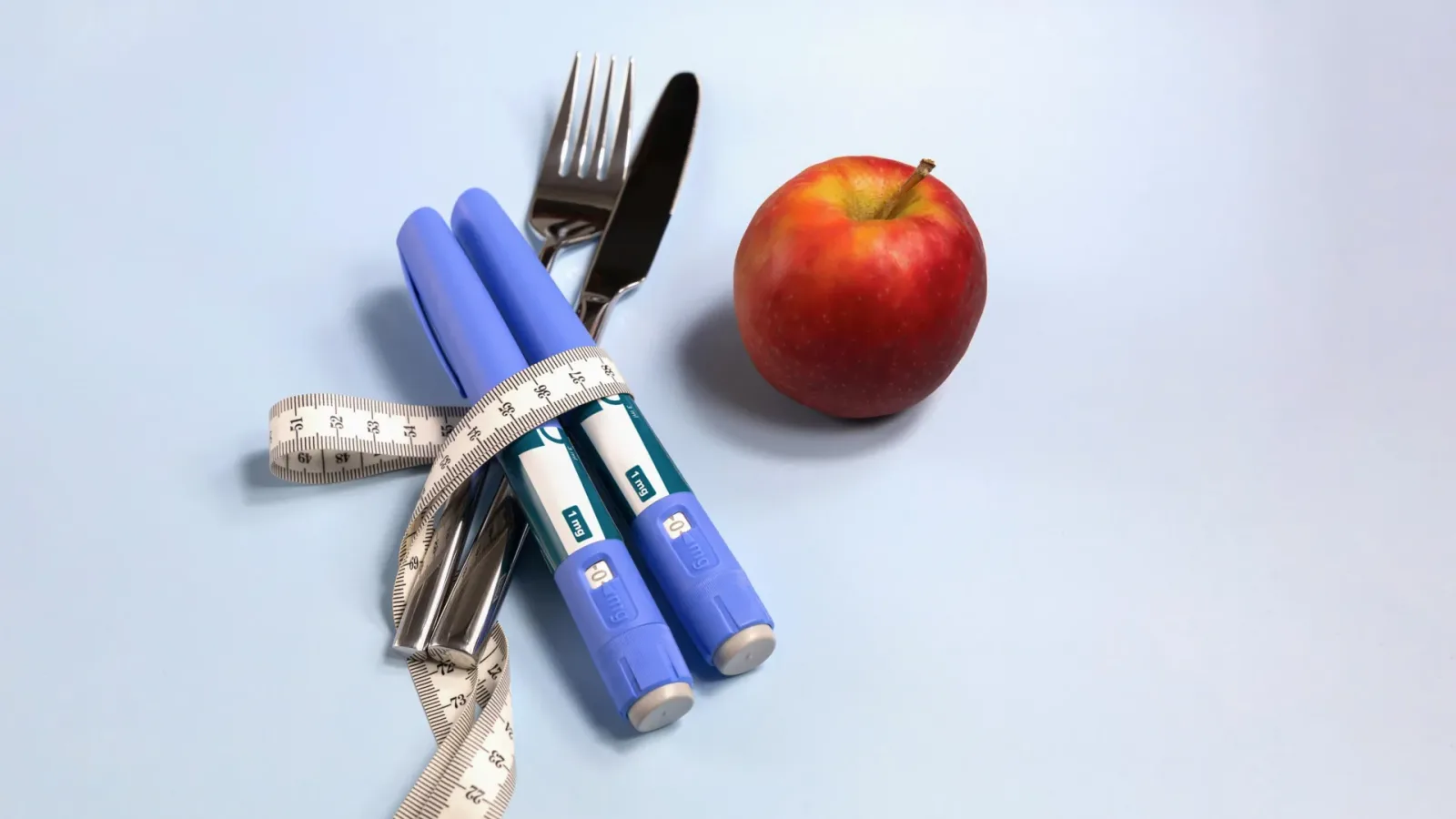
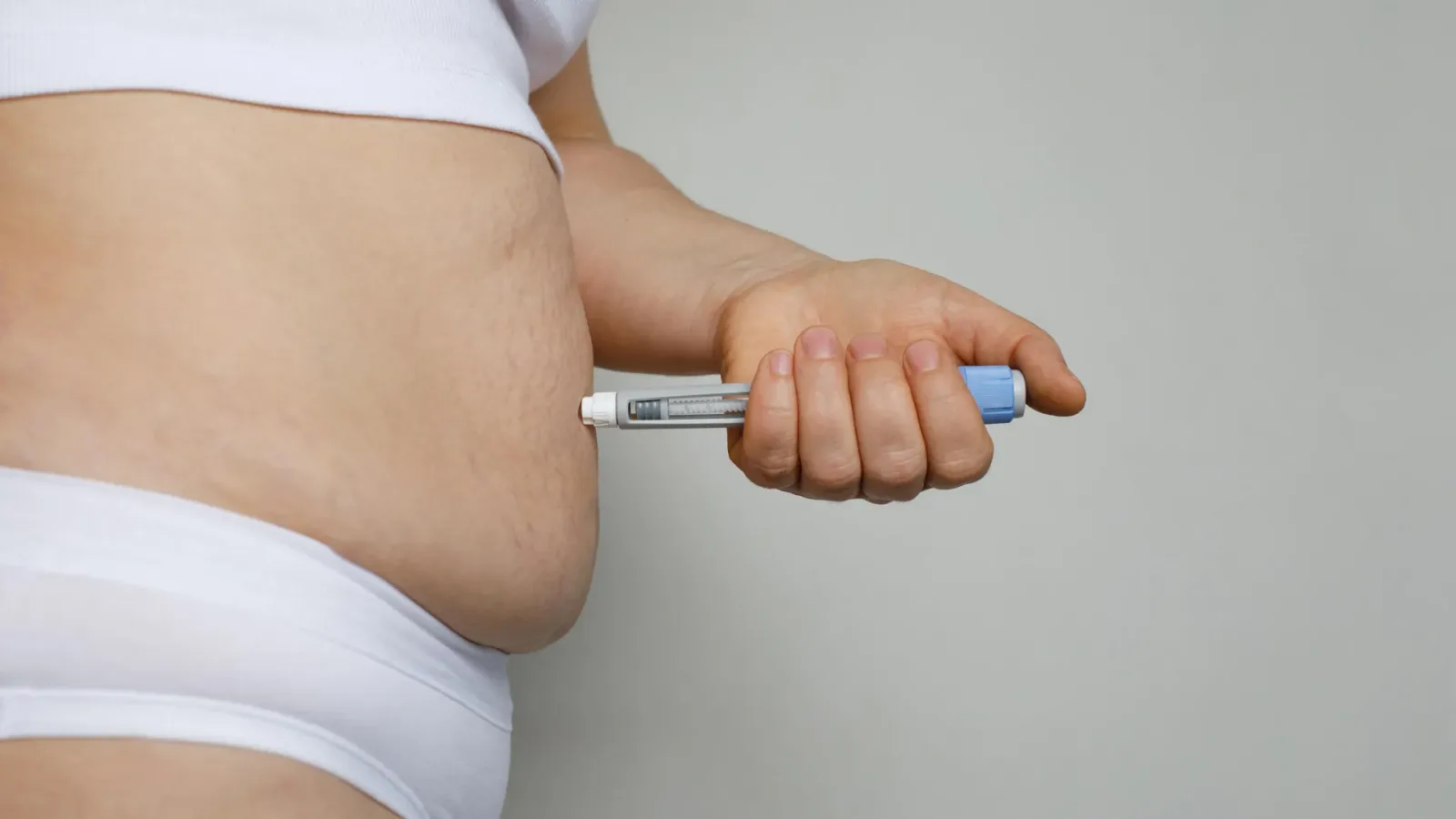
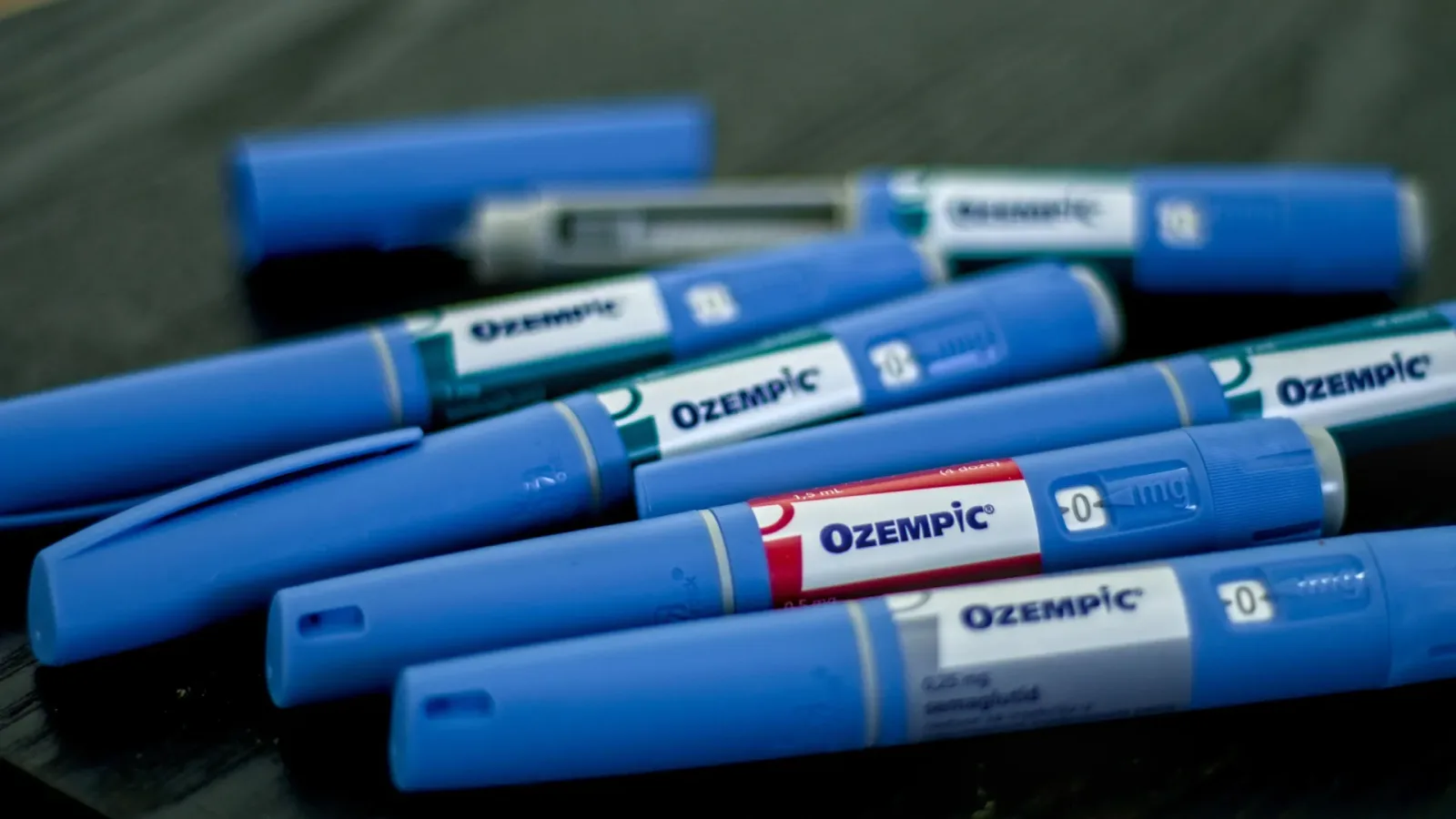
GLP-1 medications like Wegovy and Ozempic have revolutionized weight management by mimicking hormones that regulate appetite and insulin. They work by signaling the brain to feel full and by slowing gastric emptying. While effective, Schumer's experience highlights that medication is often one part of a larger equation.
She stated that her goal was "not to look hot which does feel fun and temporary," but rather "to survive." This distinction is crucial for patients navigating metabolic health. Whether using semaglutide, tirzepatide, or lifestyle modifications, the objective should be long-term physiological stability rather than short-term aesthetic changes.
Postpartum Recovery and C-Section Complications
The selfie also drew attention to Schumer's C-section scar, a reminder of her son Gene Atell, born in May 2019. Her delivery was complicated by endometriosis, a condition where tissue similar to the lining of the uterus grows outside the uterus, often causing severe pain and surgical challenges.
Navigating Surgical Recovery
Schumer described her surgery as lasting over three hours, significantly longer than the typical 90 minutes, due to her endometriosis. She also noted complications, including vomiting during the procedure. Recovery from a C-section is a major physiological event, involving:
- Abdominal healing: The uterine and abdominal wall muscles require weeks to repair.
- Scar management: Hypertrophic scarring or keloids can occur, requiring specialized care.
- Hormonal shifts: Postpartum hormone drops can impact mood and energy levels.
By calling herself a "warrior," Schumer acknowledges the physical trauma and emotional resilience required to heal from major surgery while caring for a newborn.
Tracking Health Beyond the Scale
Managing a condition like Cushing's syndrome or recovering from complex postpartum surgery requires more than just monitoring the number on a scale. It requires tracking symptoms, medication adherence, and lifestyle factors. For individuals managing chronic health issues, consistent data logging can reveal patterns that are otherwise invisible.
Precision tracking for your journey
Join thousands using Shotlee to accurately track GLP-1 medications and side effects.
📱 Get the Shotlee App
Track your GLP-1 medications, peptides, and health metrics on the go with our mobile app!
For example, cortisol levels fluctuate throughout the day, and stress can exacerbate hormonal weight gain. Tools like Shotlee can assist patients in logging these variables. By correlating symptoms, doses, and weight trends, patients can provide more accurate data to their healthcare providers. This granular tracking is essential for optimizing treatments like GLP-1 therapy or managing endocrine disorders.
Practical Health Tracking Tips
If you are navigating weight loss or hormonal health, consider the following tracking methods:
- Symptom Logs: Record fatigue, mood, and pain levels daily.
- Medication Adherence: Track doses and any side effects experienced.
- Physical Metrics: Monitor weight, but also waist circumference and blood pressure.
- Activity Levels: Note exercise types, as overexertion can sometimes spike cortisol.
Body Image and the Definition of Health
Schumer's message about her photoshoots is particularly resonant in the current digital landscape. She previously wrote, "Pics of yourself when you're finally feeling strong and beautiful are not a cry for help. They are a celebration of life and health." This statement challenges the narrative that weight loss is solely about vanity.
For many, health is a survival mechanism. Schumer's diagnosis of Cushing's syndrome serves as a reminder that weight is not always a matter of willpower. It can be a symptom of deeper physiological dysfunction. Recognizing this can reduce stigma and encourage patients to seek medical investigation for unexplained weight changes.
Comparison of Symptoms: Cushing's vs. Typical Weight Gain
Understanding the difference between hormonal weight gain and standard obesity is key to effective treatment. The table below highlights common distinctions.
| Feature | Cushing's Syndrome | Typical Weight Gain |
|---|---|---|
| Fat Distribution | Moon face, upper back (buffalo hump), abdomen | Generalized, often hips and thighs |
| Skin Changes | Purple stretch marks, thin skin, easy bruising | Normal stretch marks, thicker skin |
| Hormonal Driver | Excess Cortisol | Caloric surplus, metabolic rate |
| Blood Pressure | Often significantly elevated | Variable, depends on cardiovascular health |
Conclusion
Amy Schumer's decision to share her journey offers a valuable lesson in health transparency. By linking her weight loss to Cushing's syndrome and acknowledging the difficulties of her C-section recovery, she highlights the complex interplay between hormones, surgery, and lifestyle. Whether through GLP-1 medications, surgical intervention, or lifestyle changes, the goal remains the same: survival and vitality. For patients navigating similar paths, tracking health data and seeking medical support are essential steps toward reclaiming control over one's body.
FAQs
1. What is Cushing's syndrome and how does it impact weight?
Cushing's syndrome is a hormonal disorder caused by prolonged exposure to high levels of cortisol. It leads to specific weight gain patterns, such as a rounded face and increased abdominal fat, often accompanied by high blood pressure and thinning skin. Weight loss can be difficult without treating the underlying hormonal imbalance.
2. Did Amy Schumer use GLP-1 medications like Wegovy?
Yes, Schumer has been transparent about starting and quitting Wegovy (semaglutide) as part of her weight loss strategy. She emphasized that medication was one tool among many, including lifestyle changes and surgical history, rather than a standalone solution.
3. How do C-section scars affect postpartum body image?
C-section scars are a sign of major abdominal surgery and recovery. They can cause physical discomfort and emotional distress, but Schumer's framing of them as a "warrior" mark encourages viewing them as evidence of survival and motherhood rather than flaws.
4. Why might standard weight loss fail for people with hormonal issues?
Hormonal imbalances like Cushing's syndrome alter metabolism and fat storage mechanisms. When cortisol is high, the body resists fat loss and retains water, making caloric restriction less effective until the hormonal cause is addressed medically.
5. How can health tracking apps help with weight management?
Apps like Shotlee allow users to log symptoms, medication doses, and weight trends. This data helps identify patterns, such as how medication adherence correlates with weight loss or how stress affects cortisol-related symptoms, providing better insights for doctors.