
The conversation around weight, health, and acceptance is constantly evolving. In recent years, the body positivity movement has championed self-love and acceptance for all body types, challenging traditional beauty standards. However, the emergence of powerful new weight-loss medications, such as GLP-1 agonists, has introduced a new dynamic, prompting discussions about the direction of these movements and their impact on individuals and industries.
The Rise of GLP-1 Medications and Their Impact
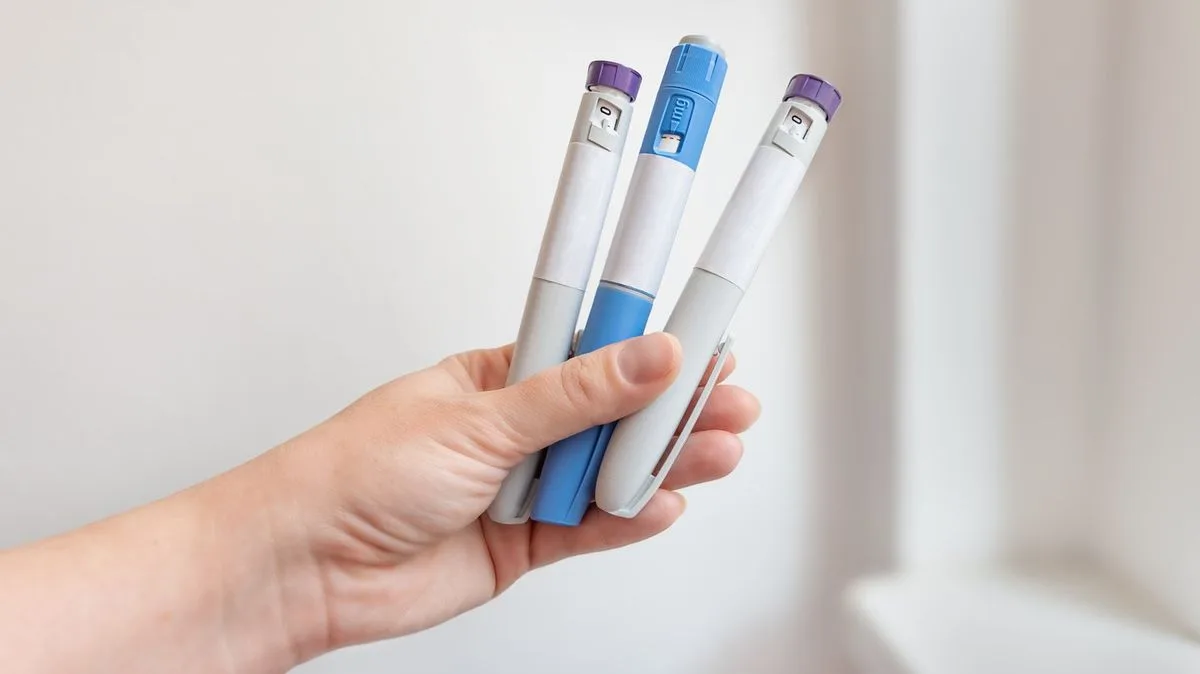
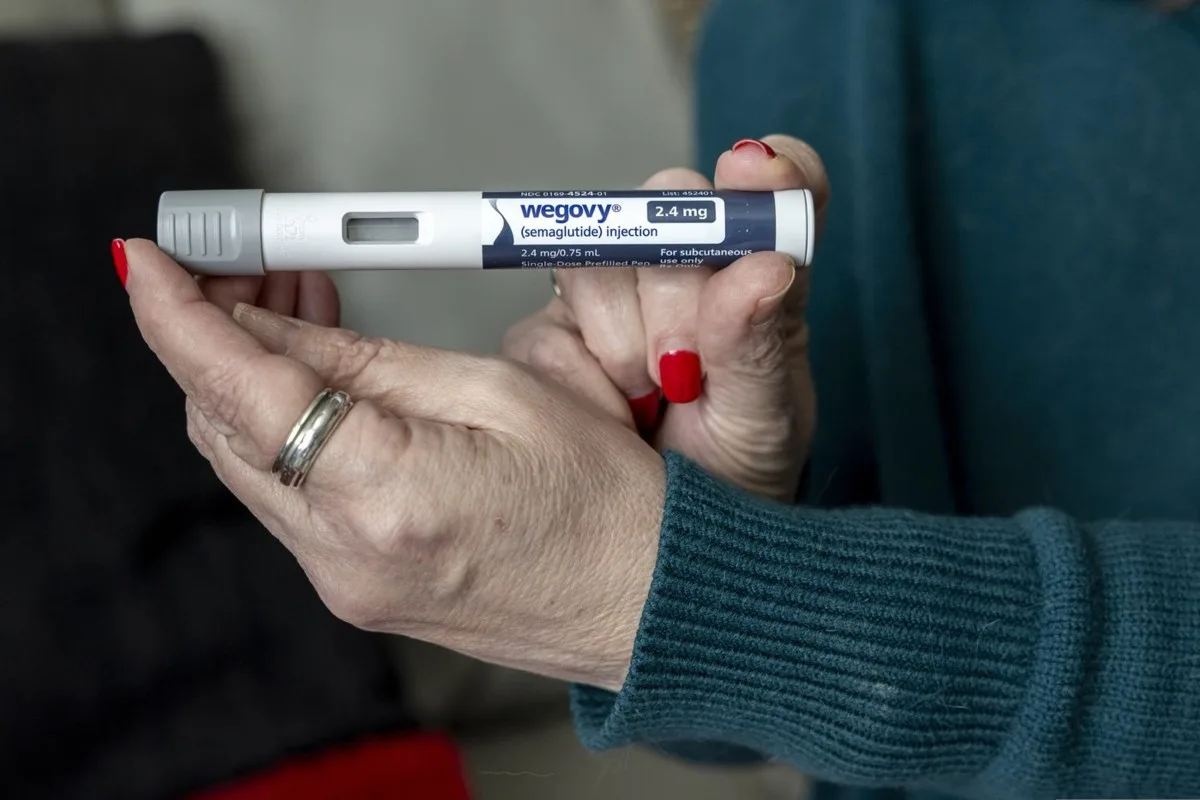
GLP-1 receptor agonists, a class of drugs that includes well-known medications like semaglutide (marketed as Ozempic and Wegovy) and tirzepatide (marketed as Mounjaro), have revolutionized weight management for many. These medications work by mimicking a hormone that regulates appetite and blood sugar, leading to significant weight loss for a substantial number of users. Their effectiveness has led to widespread adoption and increased media attention, positioning them as a significant factor in the current health landscape.
The success of these drugs has, for some, brought relief from the struggles of chronic weight management and associated health concerns. However, their prominence has also ignited a debate about their broader societal implications, particularly concerning the body positivity movement. As these medications gain traction, some worry that the hard-won progress in promoting acceptance of diverse body shapes might be undermined.
A Model's Perspective on Shifting Ideals
Supermodel Ashley Graham, a prominent advocate for body diversity and a successful entrepreneur in plus-size fashion, recently shared her candid thoughts on this evolving discourse. In an interview with Marie Claire, Graham expressed her feelings about the current trajectory, describing the shift as "really disheartening" and a potential "smack in the face" to the progress made by the body positivity movement.
"There was a pendulum that swung that was so body acceptance, positivity, everybody be who they want to be. And now it's going back this whole opposite way that feels like a smack in the face to the women who have felt they've had a voice."
– Ashley Graham
Graham acknowledges that the fashion industry, like many others, is influenced by prevailing trends and cultural shifts. She recognizes that GLP-1 medications are a significant part of the current zeitgeist. However, she remains committed to the principles of inclusivity and self-acceptance that have defined her career and advocacy. She emphasized that these medications will not erase the existence or validity of plus-size individuals and that her focus remains on empowering women of all sizes.
Navigating the Intersection of Health and Acceptance
The discussion highlights a complex intersection between medical interventions for weight loss and the broader movement for body acceptance. While GLP-1s offer a powerful tool for individuals seeking to manage their weight and improve their health, their widespread availability raises questions about how society perceives and values different body types.
The Role of Fashion and Representation
Graham's work, including her partnership with JCPenney to offer inclusive sizing, directly addresses the need for fashion that fits and flatters women of all shapes and sizes. She pointed out that a significant percentage of American women wear sizes 14 and above, underscoring the market and the need for representation. The concern is that a societal emphasis on pharmaceutical weight loss could inadvertently devalue the fashion and lifestyle choices of those who do not pursue or benefit from such interventions.
Precision tracking for your journey
Join thousands using Shotlee to accurately track GLP-1 medications and side effects.
📱 Get the Shotlee App
Track your GLP-1 medications, peptides, and health metrics on the go with our mobile app!
Furthermore, Graham stressed that true confidence transcends body size. She believes that the community she has helped build is not exclusive to curvy women but encompasses all individuals who find self-assurance, regardless of their physical form. This perspective underscores the idea that body positivity should be about embracing oneself, rather than prescribing a singular ideal or method for achieving it.
Industry Response and Future Outlook
The growing influence of GLP-1s is undeniable, and their impact on various industries, including fashion and media, is a subject of ongoing observation. While some may view the increasing prevalence of these medications as a step backward for body acceptance, others see it as a complex evolution where personal health choices and societal ideals must find a new equilibrium.
Graham's stance, which aligns with organizations like the National Association to Advance Fat Acceptance (NAAFA) in its concern about the potential stigmatization of obesity, highlights the need for continued dialogue. NAAFA has previously expressed reservations about weight-loss aids, citing concerns that they might reinforce negative societal attitudes towards larger bodies.
The model also noted the positive impact of social media influencers and creators who are increasingly diverse in their representation of body types and proportions. These individuals, she believes, provide valuable platforms for younger generations to embrace their authentic selves, encouraging them to prioritize self-acceptance over external pressures.
Practical Considerations for Users of GLP-1s
For individuals considering or currently using GLP-1 medications, understanding their health journey is crucial. Tools that help track progress, monitor symptoms, and manage medication schedules can be invaluable. For instance, platforms like Shotlee can assist users in:
- Logging medication doses and timing.
- Recording daily food intake and exercise.
- Tracking weight changes and other health metrics.
- Noting any side effects or changes in well-being.
- Sharing data with healthcare providers for informed consultations.
This comprehensive approach to health tracking can empower individuals to take an active role in their treatment and communicate effectively with their medical teams, ensuring their journey is both safe and effective.
The Evolving Landscape of Health and Self-Perception
The conversation initiated by Ashley Graham's comments underscores a critical juncture in how we approach weight, health, and self-image. The advent of powerful pharmaceutical tools like GLP-1s necessitates a nuanced discussion that balances medical advancements with the principles of inclusivity and self-acceptance.
As society navigates these changes, it is important to remember that individual journeys are diverse. While GLP-1s offer a promising avenue for some, they are not a universal solution, nor should their existence diminish the value and validity of diverse body types and the movements that advocate for them. The ultimate goal remains a society where individuals feel empowered, confident, and healthy, regardless of their size or the methods they choose to achieve their well-being.
Key Takeaways
- GLP-1 medications have significantly impacted weight management, sparking debate about their societal implications.
- Supermodel Ashley Graham views the rise of these drugs as a potential setback for the body positivity movement.
- The fashion industry and representation of diverse body types are key areas of concern in this evolving discussion.
- Advocacy for self-acceptance and confidence that transcends body size remains crucial.
- Individuals using GLP-1s can benefit from comprehensive health tracking to manage their treatment effectively.
Conclusion
The dialogue surrounding GLP-1s and body positivity is complex and multifaceted. While these medications offer significant benefits for many in managing their health, it's essential to ensure that progress in body acceptance is not overshadowed. By fostering open conversations, promoting diverse representation, and empowering individuals with tools for informed health management, we can strive for a future where both medical advancements and genuine self-acceptance can coexist harmoniously.