
The Unwanted Soundtrack: Understanding and Conquering Food Noise
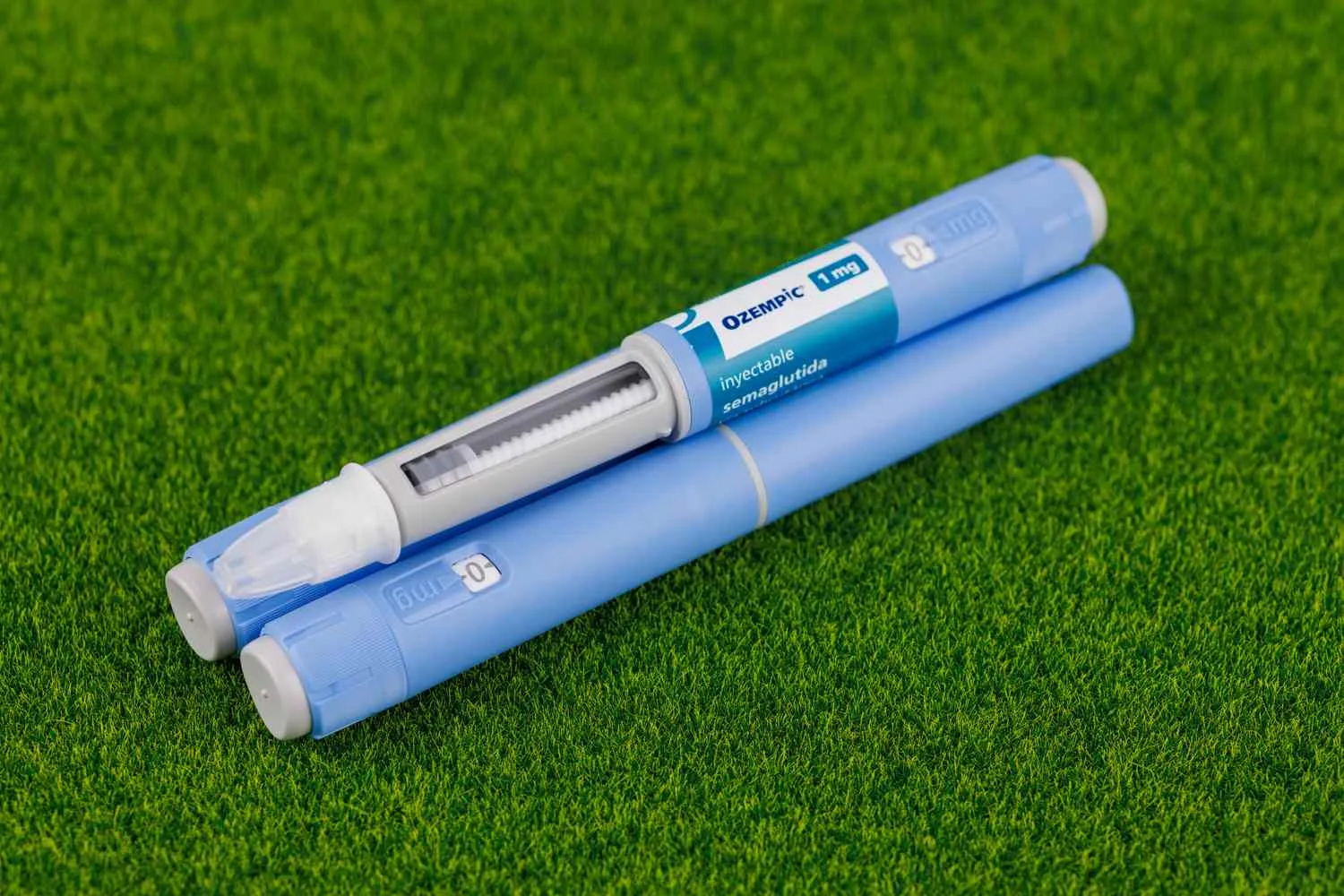
For many, the journey toward better health is plagued by an incessant internal monologue: food noise. This term describes the persistent, often overwhelming, mental preoccupation with food—the constant planning, craving, justifying, or regretting of eating decisions. Before the widespread adoption of powerful weight management medications, this internal chatter was often normalized or suffered in silence. Now, with the rise of GLP-1 receptor agonists like Semaglutide (found in Ozempic and Wegovy) and Tirzepatide (found in Mounjaro and Zepbound), food noise has become a major point of discussion.
These medications have demonstrated remarkable efficacy in reducing this mental burden, primarily by regulating appetite pathways and dampening the brain’s reward-seeking behavior associated with food. A 2023 study published in Nutrients noted the growing anecdotal evidence suggesting that GLP-1 Receptor Agonists (GLP-1RAs), particularly semaglutide, significantly reduce this phenomenon.
For individuals like Laura, 44, who describes the noise as an “ambient background hum about food since she was a kid,” the impact is profound. “It’s a huge distraction; it takes up a lot of my mental capacity,” she shares. This preoccupation can strain social situations and foster anxiety centered around food availability or consumption.
The Roots of Obsession: How Food Noise Develops
Food noise isn't an innate human trait; it’s often a learned response shaped by diet culture and our environment. Certified health and life coach Sally Webster, who guides clients in silencing food noise without medication, notes that persistent preoccupation often correlates with a history of restrictive dieting and consumption of highly palatable, processed foods.
The Urge-Reward Pathway
Webster explains that we are wired to seek food for survival, but when we consistently reward urges with sugary or processed items, we forge strong “urge-reward pathways.” Cravings then become overwhelming because the brain links food consumption to emotional regulation.
“The reason why people who experience food noise put on weight is because they’re eating more food than the body needs for fuel. They’re not eating because they have hunger to satiate. They’re eating because the ‘brain learns the connection between food and emotion and wants food whenever it feels uncomfortable emotion and sensations in the body.’”
Over time, this pattern of eating in response to emotion rather than physical need can dysregulate crucial metabolic hormones. This includes insulin, which manages sugar processing, and the satiety hormones leptin (fullness) and ghrelin (hunger). When these signals are compromised, the body fights against overwhelming hunger cues while struggling to register fullness, making weight management feel like an uphill battle.
Harnessing Hormones and Behavior: The GLP-1 Effect
GLP-1 medications work by mimicking the action of the natural GLP-1 hormone, which slows gastric emptying, increases feelings of fullness, and importantly, modulates the brain centers responsible for reward and desire. This hormonal intervention often quiets the mental noise almost immediately.
When Medication Isn't the Primary Path
While GLP-1s offer a powerful tool, they are not the only way to achieve mental freedom from food preoccupation. For those seeking sustainable, non-pharmacological change, Webster focuses on reconnecting the individual with their body’s genuine needs.
The core principle involves shifting from emotional eating to honoring physical cues. Clients are encouraged to pause before eating and ask critical questions:
- What will make my body truly thrive?
- What is going to be delicious, energizing, and satisfying?
- Am I definitely physically hungry right now?
Actionable Strategies to Quiet the Chatter
Regaining control over food noise requires consistent practice in mindful eating and emotional regulation. Here are several evidence-based techniques used to build new pathways:
1. Master the Hunger and Fullness Scale
Webster advocates using a simple hunger scale to determine the appropriate portion size for any given meal. The goal is to eat only when physically hungry and stop when that hunger is satisfied—not when discomfort sets in.
“You want to think about leaving the table energised for living, not full for more sitting,” she advises. By consistently honoring these physical cues, the intensity of food noise naturally decreases over time. If a desire to eat arises when not hungry, the focus shifts immediately to addressing the underlying emotion (boredom, stress, restlessness) through other means.
Precision tracking for your journey
Join thousands using Shotlee to accurately track GLP-1 medications and side effects.
📱 Get the Shotlee App
Track your GLP-1 medications, peptides, and health metrics on the go with our mobile app!
2. Reframe Cravings: The Passing Wind Analogy
Urges are transient. When we treat a craving as a battle to be won or lost, we create friction that often leads to giving in. Instead, Webster suggests reframing the urge:
“If we relax into it and think about the urge like a passing wind that breezes past us, we increase our chance of allowing it successfully without obeying it.”
3. Implement the 20-Minute Rule
For potent cravings, permission paired with delay can be highly effective. Webster suggests giving yourself full permission to have the desired food, but only after setting an alarm for 20 to 30 minutes. During that waiting period, engage in a different activity. Often, the intensity of the desire diminishes significantly once the immediate pressure is lifted.
4. Habit Swapping and Identity Shift
Changing behavior starts with changing self-perception. Instead of thinking, “This is what I do,” adopt new, believable thoughts: “I am learning that I can handle my urges differently.” Create a list of 20 alternative actions (e.g., drink water, stretch, take a short walk) to execute instead of defaulting to a snack or urge-driven behavior.
5. Optimize Macronutrients for Satiety
While avoiding restrictive diet talk, the quality of food intake directly impacts cravings. Webster stresses the importance of adequate fiber and protein at every meal. This helps stabilize blood sugar and supports sustained fullness, reducing the need for reactive snacking.
A balanced plate visualization:
| Plate Component | Recommended Proportion | Examples |
|---|---|---|
| Fiber/Vegetables | 1/2 of the plate | Leafy greens, non-starchy vegetables |
| Protein Source | 1/4 to 1/3 of the plate | Lean meats, fish, tofu, eggs |
| Complex Carbohydrates | 1/4 of the plate | Sweet potatoes, beans, legumes, quinoa |
By prioritizing these balanced meals, the necessity for emotional mid-afternoon or evening snacking often disappears, freeing up significant mental energy.
6. Prioritize Hydration
Dehydration often masquerades as hunger or craving. Webster emphatically recommends hydrating consistently, aiming for at least two liters of water daily, sometimes supplementing with electrolytes, especially during historically common snacking times.
GLP-1s: A Powerful Adjunct to Lifestyle Change
For many patients, GLP-1 medications remain a cornerstone in managing both weight and the mental preoccupation with food. Dr. Claire Carroll, a GP at Coyne Medical, observes this firsthand:
“Patients often tell me that they no longer crave certain foods like they used to and it no longer dominates their thoughts in the same way. They also appear to reduce the brain’s tendency to repeatedly focus on food-related rewards, making it much easier to resist foods that previously caused temptation.”
However, medical guidance remains clear: these medications are prescribed for individuals meeting specific clinical criteria (BMI >30 kg/m2, or BMI >27 kg/m2 with a weight-related comorbidity like hypertension or pre-diabetes). Furthermore, doctors emphasize that medication should complement, not replace, fundamental healthy habits like regular exercise and balanced nutrition.
For those utilizing these powerful tools, tracking progress—including dose adjustments, symptom management, and adherence to lifestyle changes—is crucial. Tools like Shotlee can help integrate this data, providing a holistic view of how medication impacts both physical metrics and daily habits, ensuring users stay accountable to their overall health plan.
Conclusion: Reclaiming Mental Space
Food noise is a significant barrier to sustainable health, whether driven by hormonal imbalance, emotional coping mechanisms, or learned behaviors. While GLP-1 medications offer an unprecedented ability to silence this internal critic by targeting appetite regulation, lasting success often involves integrating mindful awareness and nutritional discipline. By learning to listen to physical hunger, managing emotional triggers, and optimizing food quality, individuals can reclaim their mental bandwidth, achieving freedom from the constant, demanding soundtrack of food.
Practical Takeaways
- Pause Before You Plate: Always check in with your body using a hunger scale before eating.
- Challenge the Urge: Treat cravings as temporary thoughts, not immediate commands. Use the 20-minute delay rule.
- Fuel Wisely: Ensure every meal contains substantial protein and fiber to stabilize energy and reduce reactive snacking.
- Track Everything: Whether using medication or behavioral change, tracking symptoms and adherence (perhaps using a health tracking app) reinforces new habits.