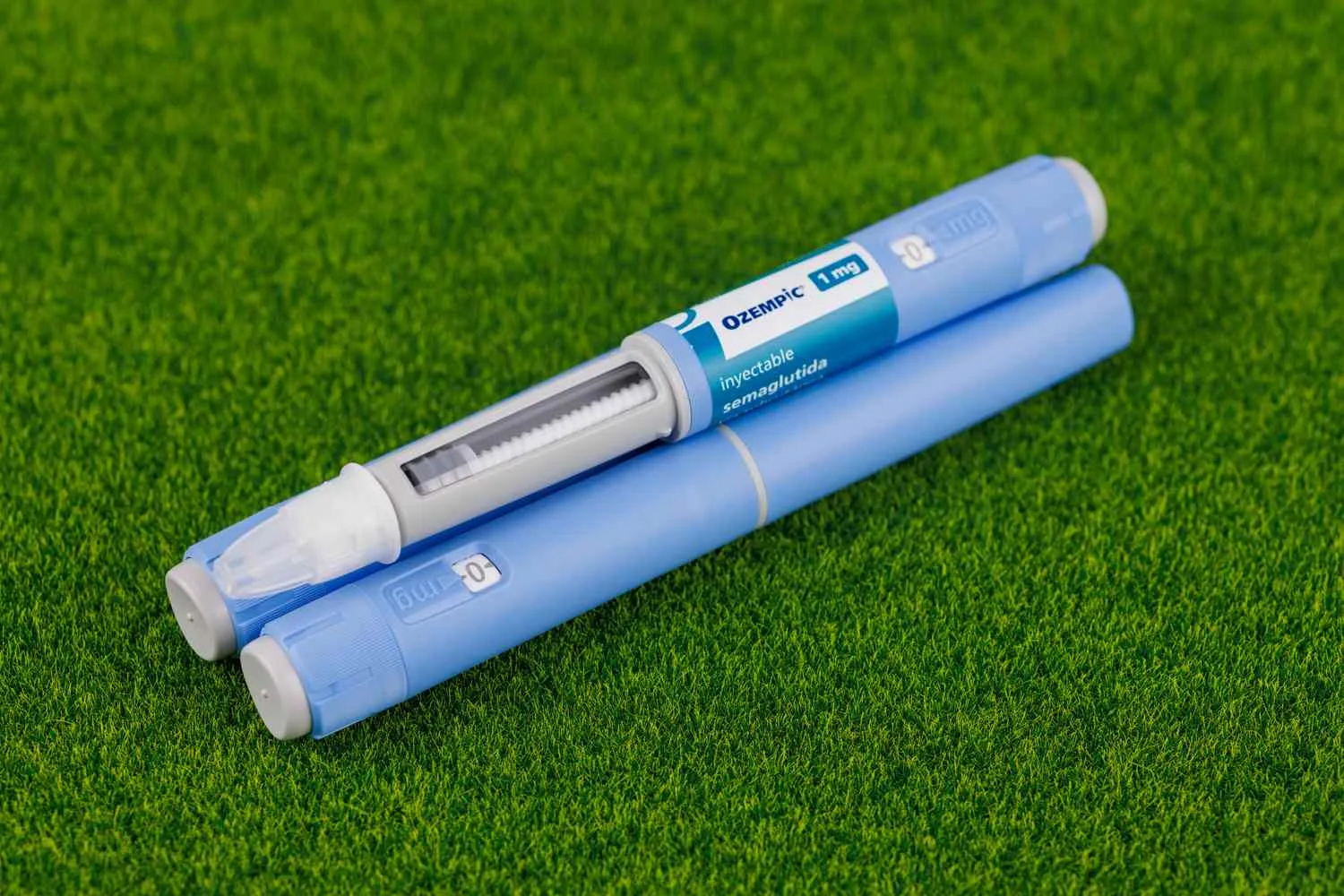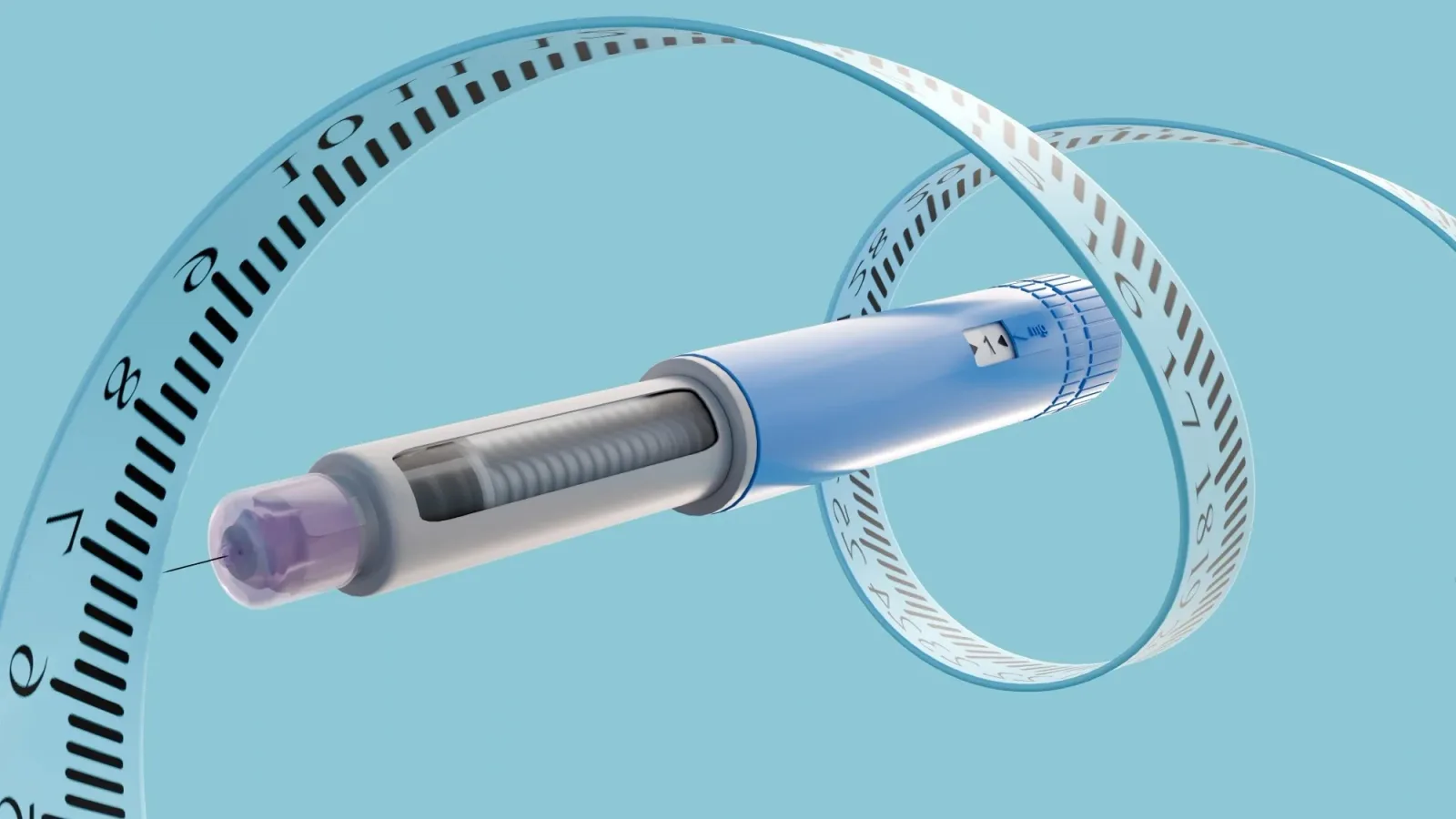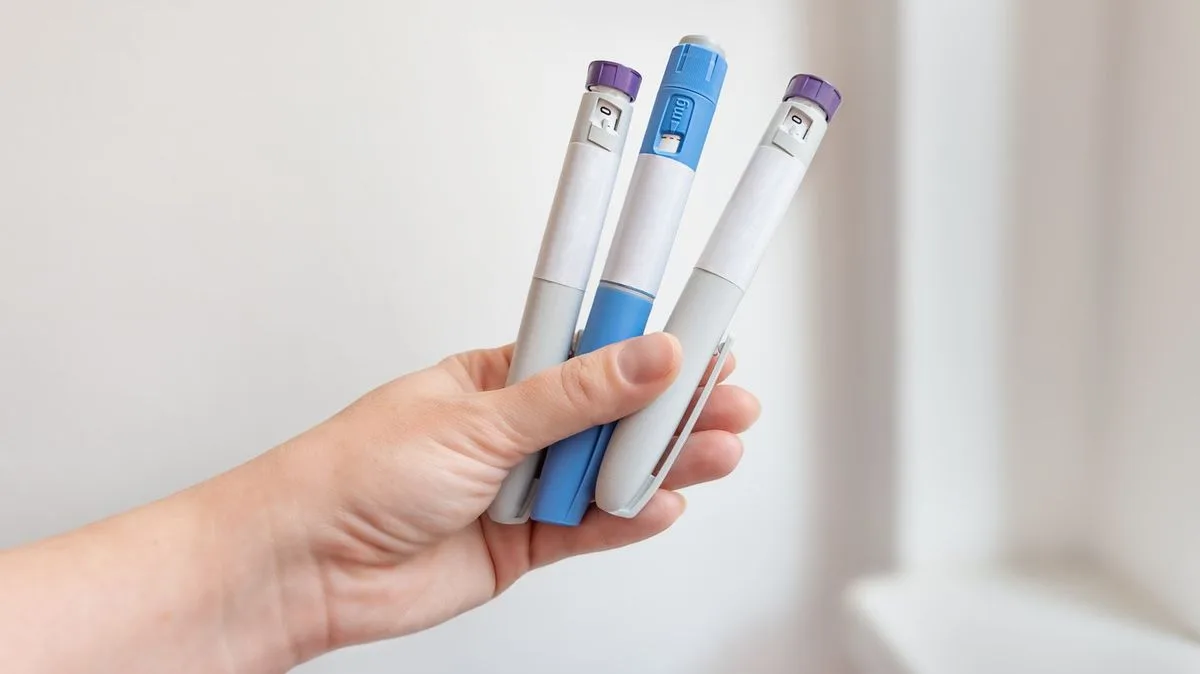

The groundbreaking success of GLP-1 receptor agonist medications, such as semaglutide (Ozempic, Wegovy) and tirzepatide (Mounjaro, Zepbound), in adult weight management has sparked considerable interest. However, this growing popularity has also led to a concerning trend: the off-label prescription of these powerful drugs to children, even those as young as six, for weight loss. While the intention may be to prevent lifelong obesity and associated health issues, medical professionals are sounding the alarm about the potential dangers and the profound ethical considerations involved.
The Rise of GLP-1s in Pediatric Weight Management
Data from the Centers for Disease Control and Prevention (CDC) indicates that approximately 21% of US children and adolescents between the ages of two and 19 are living with obesity. This statistic highlights a significant public health challenge, and the effectiveness of GLP-1s in adults has naturally led some to explore their potential for younger populations. Currently, these medications are approved for treating obesity in individuals aged 12 and older, and for Type 2 diabetes in children aged 10 and above. However, research is ongoing, with trials exploring their use in even younger children, starting as young as six.
The appeal of these drugs lies in their ability to mimic incretin hormones, which regulate appetite and slow gastric emptying. This can lead to reduced food intake and subsequent weight loss. For children with severe obesity who are at risk of developing serious health complications like high blood pressure, Type 2 diabetes, and fatty liver disease, the prospect of intervention is understandably attractive. Yet, as Dr. Suzanne Wylie, GP and medical advisor for IQdoctor, emphasizes, these are not cosmetic solutions but potent prescription medicines that demand careful consideration.
Uncharted Territory: Long-Term Safety in Growing Children
One of the most significant concerns surrounding the use of GLP-1s in children is the lack of comprehensive long-term safety data. Unlike adults, children are in a critical phase of physical, hormonal, and emotional development. The potential impact of these medications on growth, nutrient absorption, and overall development over many years remains largely unknown.
"One of the biggest concerns is that we simply do not yet have the same depth of long-term safety data in children that we have in adults, particularly when it comes to how these medications might affect growth, nutrition and development over many years," Dr. Wylie explains.
Children have higher nutritional requirements than adults due to the demands of building bone, muscle, and other tissues. GLP-1s work by suppressing appetite and delaying stomach emptying. If a young person significantly reduces their food intake without adequate dietary support, there is a genuine risk of nutrient deficiencies. Essential proteins, vitamins, and minerals crucial for healthy growth could be compromised. This underscores the vital role of dietitians within specialist obesity services for pediatric patients.
Potential Side Effects and Nutritional Gaps
The familiar side effects of GLP-1s, such as nausea, vomiting, abdominal pain, constipation, and diarrhea, can be particularly challenging for younger children to tolerate. These can impact hydration, school attendance, and overall quality of life. While rarer complications like gallbladder disease or pancreatitis are uncommon, they remain important risks that necessitate thorough discussion before treatment begins.
The core mechanism of these drugs – appetite reduction – directly conflicts with the heightened nutritional needs of growing children. Without careful planning and supplementation, this can lead to:
- Inadequate protein intake, essential for muscle and tissue development.
- Deficiencies in vitamins and minerals vital for bone health and overall bodily functions.
- Potential stunting of growth if critical nutrients are consistently missed.
This highlights why a multidisciplinary approach, involving physicians, dietitians, and mental health professionals, is paramount when considering any intervention for childhood obesity.
Psychological and Emotional Considerations
Beyond the physical risks, the psychological implications of prescribing weight-loss medication to children are profound. In a society where young people are already vulnerable to low self-esteem, bullying, and poor body image, introducing medication as a primary solution could send a dangerous message.
Precision tracking for your journey
Join thousands using Shotlee to accurately track GLP-1 medications and side effects.
📱 Get the Shotlee App
Track your GLP-1 medications, peptides, and health metrics on the go with our mobile app!
Dr. Wylie cautions:
"From a psychological perspective, it is equally important that we do not send the message that medication is the answer to every weight concern during childhood, because many young people are already vulnerable to low self-esteem, bullying and poor body image. If medicines are introduced without addressing emotional wellbeing, eating behaviors, physical activity, family habits and the wider social factors contributing to obesity, then we risk treating only one part of a much more complex condition."
True support for children struggling with weight involves addressing the whole child. This includes fostering healthy eating habits, encouraging physical activity, supporting emotional well-being, and involving the entire family in creating a healthier lifestyle. Relying solely on medication risks overlooking these critical components, potentially leading to a superficial fix rather than sustainable, lifelong change.
The Importance of Specialist Oversight and Holistic Care
In many healthcare systems, including standard UK practice, GLP-1 medications are typically reserved for severe cases of obesity in young people who face significant health risks and have undergone comprehensive assessment by specialist multidisciplinary teams. This assessment goes beyond a simple weight measurement, delving into a child's overall health, medical history, psychological state, and family circumstances.
The decision to prescribe these powerful medications should be a carefully weighed choice where potential benefits demonstrably outweigh the risks. For carefully selected young people, these drugs can be life-changing, reducing the risk of serious conditions. However, they should never be viewed as an easy fix or sought through unregulated channels.
The safest and most effective use of GLP-1 medicines in children hinges on:
- Specialist Medical Care: Prescriptions should only come from qualified specialists experienced in pediatric obesity.
- Ongoing Monitoring: Regular check-ups are essential to track progress, manage side effects, and adjust treatment as needed.
- Comprehensive Lifestyle Support: Integration with dietitians, psychologists, and physical activity coaches is crucial.
- Focus on Long-Term Health: The ultimate goal must be to improve a child's overall health and well-being, not just to influence the number on the scale.
For parents considering these options, it's vital to engage in open and honest discussions with healthcare providers. Tracking doses, side effects, and dietary intake can be invaluable for both parents and clinicians. Tools like Shotlee can help consolidate this information, providing a clear overview of treatment adherence and response, thereby supporting the comprehensive care required for such sensitive medical interventions.
Key Takeaways for Parents and Guardians
The conversation around GLP-1 medications for children is complex and evolving. It's crucial for parents and guardians to understand the following:
- Not a First-Line Treatment: GLP-1s are powerful medications, not a casual solution for weight concerns in children.
- Specialist Consultation is Essential: Always consult with pediatric endocrinologists or obesity specialists.
- Holistic Approach is Key: Medication should be part of a broader strategy including diet, exercise, and psychological support.
- Long-Term Data is Limited: The full impact on growth and development in children is still being studied.
- Beware of Unregulated Sources: Never obtain prescription medications through unofficial channels.
Conclusion
While GLP-1 medications represent a significant advancement in obesity treatment for adults, their application in pediatric populations requires extreme caution and rigorous oversight. The potential benefits for children with severe obesity and related health risks must be carefully weighed against the unknowns of long-term safety, the critical nutritional needs of growing bodies, and the profound psychological implications. A comprehensive, multidisciplinary approach, guided by specialist medical expertise, is the only responsible path forward. The focus must remain on fostering sustainable healthy habits and improving overall well-being, rather than relying on medication as a standalone solution.