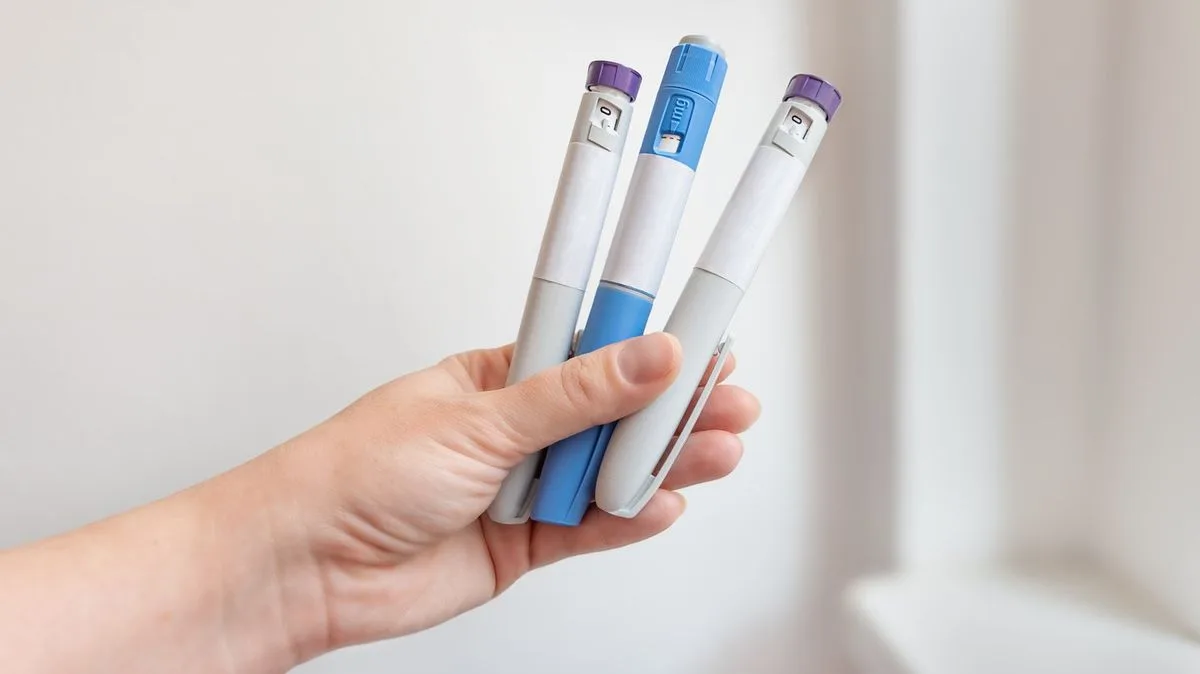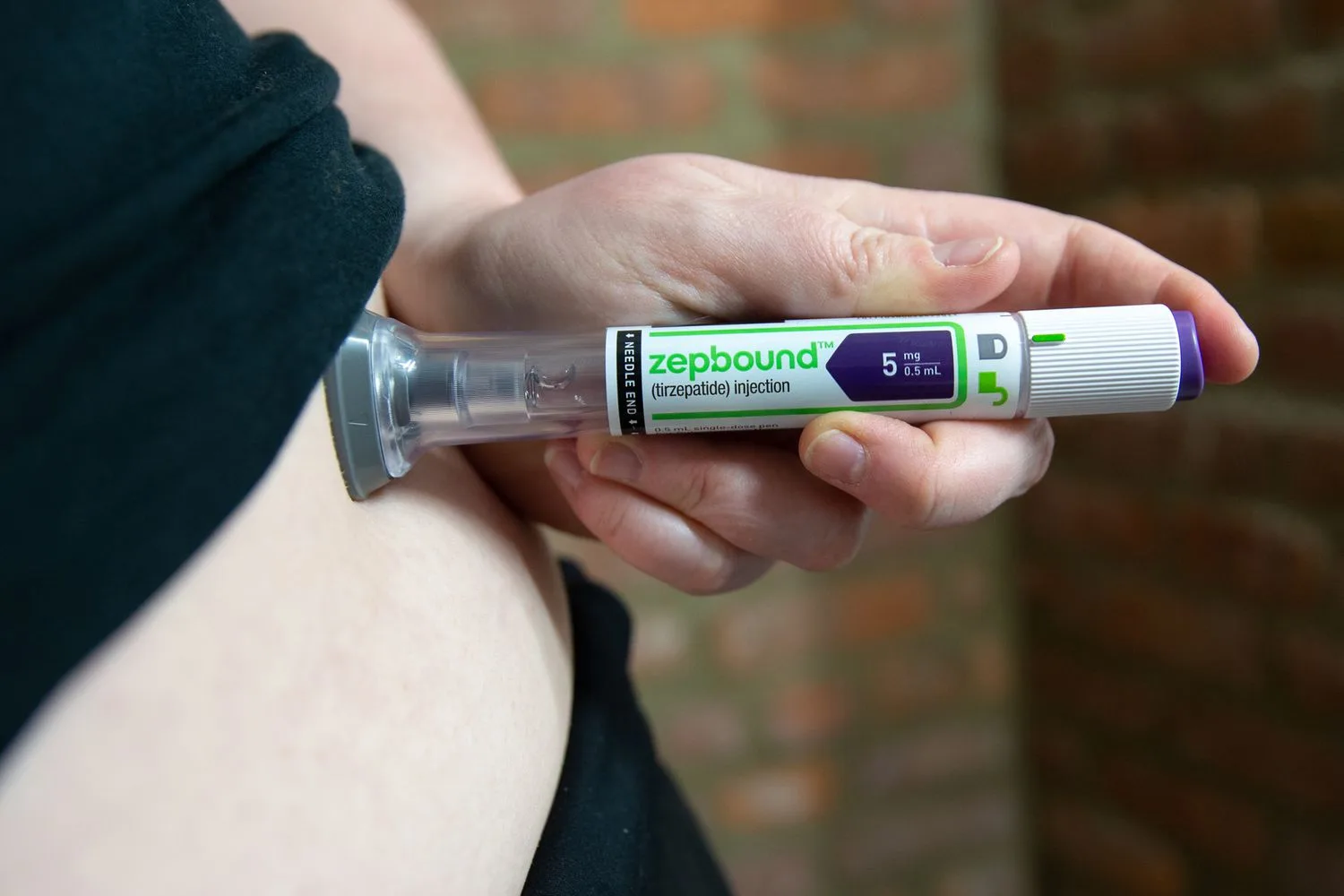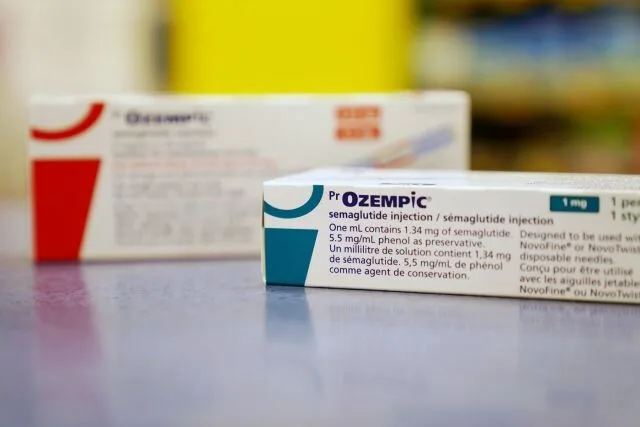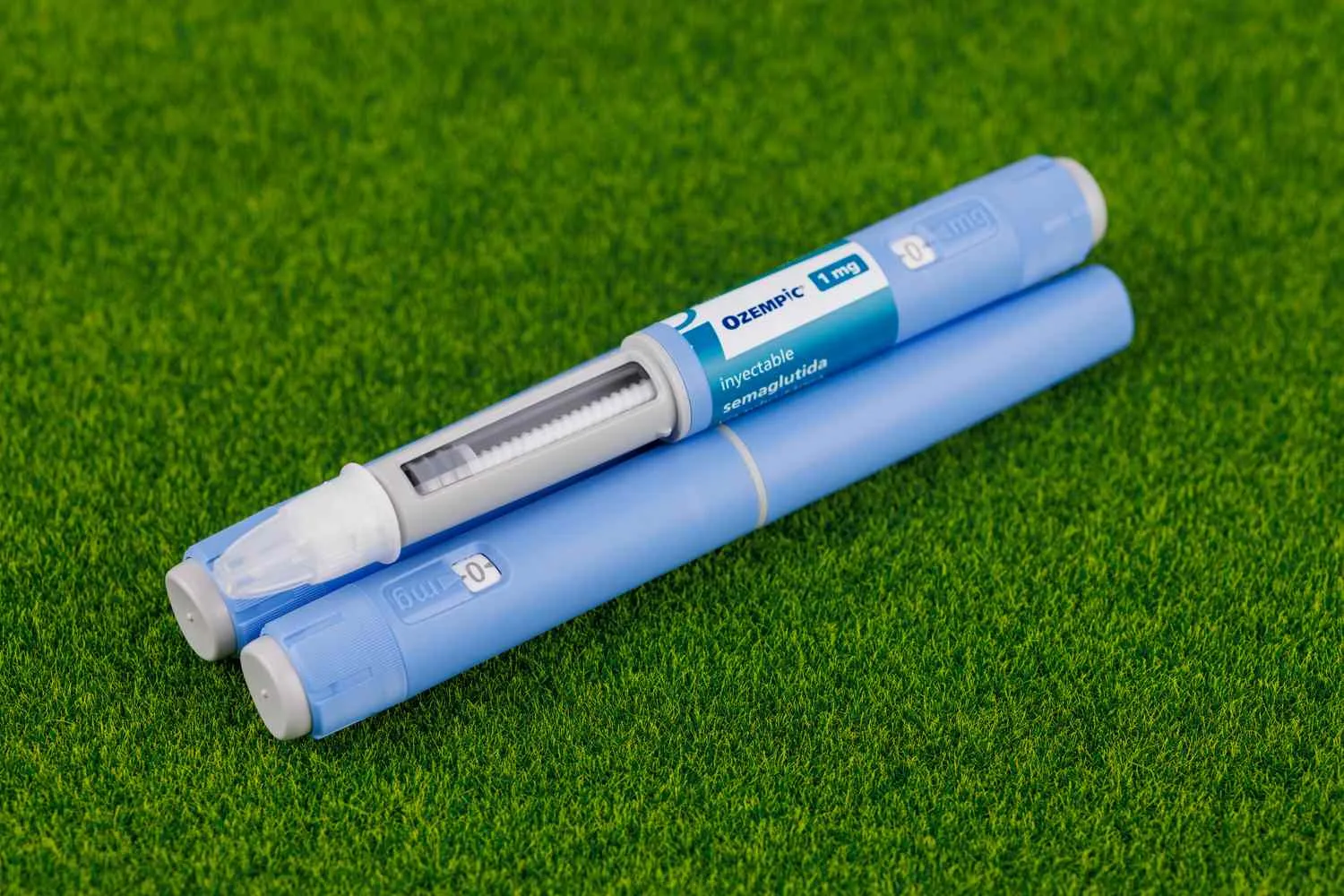

The advent of GLP-1 receptor agonists, often referred to as GLP-1s, has revolutionized the landscape of weight management and type 2 diabetes treatment. Medications like Ozempic (semaglutide), Wegovy (semaglutide), Mounjaro (tirzepatide), and Zepbound (tirzepatide) have shown remarkable efficacy in helping individuals achieve significant weight loss and improve glycemic control. However, as with any medication, understanding how long these powerful drugs remain active in your body after you stop taking them is crucial for managing expectations and ensuring a smooth transition.
This article delves into the science behind GLP-1 elimination, exploring the factors that influence how long they stay in your system, what to expect regarding lingering effects, and the importance of medical guidance when discontinuing treatment.
Understanding the Half-Life of GLP-1 Medications
At the core of understanding drug elimination is the concept of half-life. The half-life of a medication is the time it takes for the concentration of the drug in your body to reduce by half. For semaglutide, the active ingredient in Ozempic and Wegovy, the half-life is approximately seven days. Tirzepatide, the active ingredient in Mounjaro and Zepbound, has a longer half-life, typically around five days.
This means that a week after your last semaglutide injection, half of the original dose will still be circulating in your system. For tirzepatide, about half the dose remains after five days. It generally takes about four to five half-lives for a drug to be considered almost entirely cleared from the body. Therefore:
- Semaglutide (Ozempic, Wegovy): Can remain in your system for approximately 4 to 5 weeks after your last dose.
- Tirzepatide (Mounjaro, Zepbound): Can remain in your system for approximately 20 to 25 days (around 3 to 3.5 weeks) after your last dose.
It's important to note that these are general timelines. The actual duration can vary significantly from person to person due to a multitude of individual factors.
Factors Influencing GLP-1 Clearance
Several personal and physiological factors play a significant role in how quickly your body metabolizes and eliminates GLP-1 medications. Understanding these can help you and your healthcare provider anticipate the duration of the drug's presence in your system.
Key Influencing Factors:
- Kidney Function: Your kidneys are vital organs for filtering waste products and drugs from your blood. Individuals with impaired kidney function may take longer to clear semaglutide or tirzepatide from their bodies, as the elimination process is less efficient.
- Metabolism: A person's metabolic rate – the speed at which their body converts food into energy – influences drug processing. Those with a faster metabolism might clear the medication more quickly than individuals with a slower metabolism.
- Body Fat Percentage: GLP-1 medications can be stored in adipose (fat) tissue. Higher body fat percentages may lead to a slower release and clearance of the drug from the body over time.
- Dosage and Duration of Use: Higher doses and longer periods of treatment mean there is a greater accumulation of the drug in your system. Consequently, it will take longer for the body to fully eliminate a higher cumulative dose.
- Liver Function: While kidneys are primary, the liver also plays a role in drug metabolism. Impaired liver function can potentially affect how the body processes these medications.
- Other Medications: Interactions with other drugs you are taking can sometimes alter how your body processes semaglutide or tirzepatide, potentially affecting their elimination rate.
For individuals meticulously tracking their health data, including medication intake and any physiological changes, tools like the Shotlee app can be invaluable. Logging doses, noting any side effects, and monitoring biometric data can provide a clearer picture of individual responses and help in discussions with healthcare providers about drug clearance.
What to Expect When GLP-1s Leave Your System
As the levels of GLP-1 medications gradually decrease in your body, you may notice a reversal of some of the effects experienced while on treatment. This transition period is normal and varies in intensity and duration depending on the individual and the specific medication.
Precision tracking for your journey
Join thousands using Shotlee to accurately track GLP-1 medications and side effects.
📱 Get the Shotlee App
Track your GLP-1 medications, peptides, and health metrics on the go with our mobile app!
Lingering Effects and Reversals:
- Digestive Symptoms: Nausea, bloating, changes in bowel habits, and vomiting are common side effects. These tend to subside as the drug leaves your system, though they may linger for a few days to a couple of weeks. Higher doses might be associated with a longer resolution period.
- Appetite and Cravings: One of the primary benefits of GLP-1s is their ability to reduce appetite and "food noise" (an obsessive preoccupation with food), aiding weight loss. As the medication clears, these appetite-suppressing effects will gradually diminish, and your natural hunger cues and cravings will likely return.
- Energy Levels and Headaches: Some individuals report increased energy levels or, conversely, headaches while on GLP-1s. These symptoms typically resolve within days to weeks after discontinuing the medication.
- Injection Site Reactions: If you experienced redness, swelling, or irritation at the injection site, these localized reactions should dissipate as the drug is no longer being administered.
It's crucial to remember that while the drug is leaving your system, it can still exert some influence. Therefore, specific symptoms might persist longer than others. If symptoms worsen, become severe, or persist for an unexpectedly long time, it is essential to consult with your healthcare provider.
Does the Medication Still Work as it Leaves Your System?
Yes, GLP-1 medications can continue to have effects even as they are being eliminated from your body. Because of their extended half-lives, the drug levels don't drop to zero overnight. For a period after your last dose, the remaining concentration can still influence your body's processes.
This means you might continue to experience some benefits, such as a somewhat suppressed appetite or more stable blood sugar levels, for days or even weeks after your final injection. The effectiveness and duration of these lingering positive effects will vary. However, once the medication is fully cleared from your system, the original metabolic and weight-related challenges may resurface. This could include weight regain or a return to less favorable cardiometabolic health markers.
Discontinuing GLP-1s: A Guided Approach
Deciding to stop a GLP-1 medication is a significant decision that should always be made in consultation with your healthcare provider. They can help you understand the implications of discontinuation, manage potential withdrawal symptoms, and develop a sustainable long-term health plan.
A healthcare provider can also guide you on how to best maintain the progress you've made. This might involve dietary adjustments, increased physical activity, behavioral strategies for managing appetite, and potentially other medical interventions. Attempting to discontinue these medications without professional guidance could lead to a rapid return of symptoms or weight, potentially undermining previous achievements.
Important Note: GLP-1 medications, particularly semaglutide, carry a boxed warning regarding the potential risk of thyroid C-cell tumors. Patients with a personal or family history of medullary thyroid carcinoma or Multiple Endocrine Neoplasia syndrome type 2 (MEN 2) should not use these medications.
Practical Takeaways for Managing Your GLP-1 Journey
Navigating the use and discontinuation of GLP-1 medications involves careful planning and awareness. Here are some practical steps to consider:
- Maintain Open Communication: Regularly discuss your experience, including any side effects or concerns, with your healthcare provider.
- Track Your Progress: Use tools like Shotlee to log doses, monitor weight, blood sugar levels, and any symptoms. This data can be invaluable for understanding your individual response and for discussions with your doctor.
- Plan for Discontinuation: If you are considering stopping, work with your doctor to create a plan that includes lifestyle modifications to support long-term health.
- Be Patient: Understand that the effects of GLP-1s and their clearance from your system take time.
Conclusion
GLP-1 receptor agonists like Ozempic, Wegovy, Mounjaro, and Zepbound are powerful tools for managing weight and type 2 diabetes. Understanding how long these medications stay in your system – typically 3-5 weeks depending on the active ingredient – is key to managing expectations during and after treatment. Factors such as kidney function, metabolism, and dosage all influence this duration. While the drug is leaving your body, some effects may linger, and it's essential to have a healthcare provider guide you through the process of discontinuation to ensure sustained health outcomes.