
The Semaglutide Market Faces a Critical Supply Disruption
In a significant development for the global pharmaceutical industry, Dr. Reddy's Laboratories has announced a temporary halt to commercial supplies of its semaglutide product. This decision, stemming from issues with the active pharmaceutical ingredient (API), has sent shockwaves through the market, causing the company's shares to fall as much as 6.5% on Thursday. This marks one of the steepest declines for the Indian drugmaker since May 2023.
For patients relying on GLP-1 receptor agonists like semaglutide for diabetes management or weight loss, news of supply disruptions can be deeply concerning. While Dr. Reddy's clarified that there is no immediate impact on patient safety regarding existing global regulatory filings, the delay highlights the fragility of the supply chain for high-demand peptide therapies. As the race for affordable obesity treatments intensifies, quality control remains the paramount concern for regulators and patients alike.
Understanding the Active Pharmaceutical Ingredient (API) Challenge
At the heart of this disruption lies the Active Pharmaceutical Ingredient (API). Semaglutide is a complex peptide molecule, and its synthesis requires precise chemical processes. Dr. Reddy's stated that certain batches were found to be "out of specification." In pharmaceutical manufacturing, this means the chemical composition or purity of the API did not meet the strict standards required for the finished drug product.
Why API Quality Matters for Peptide Therapy
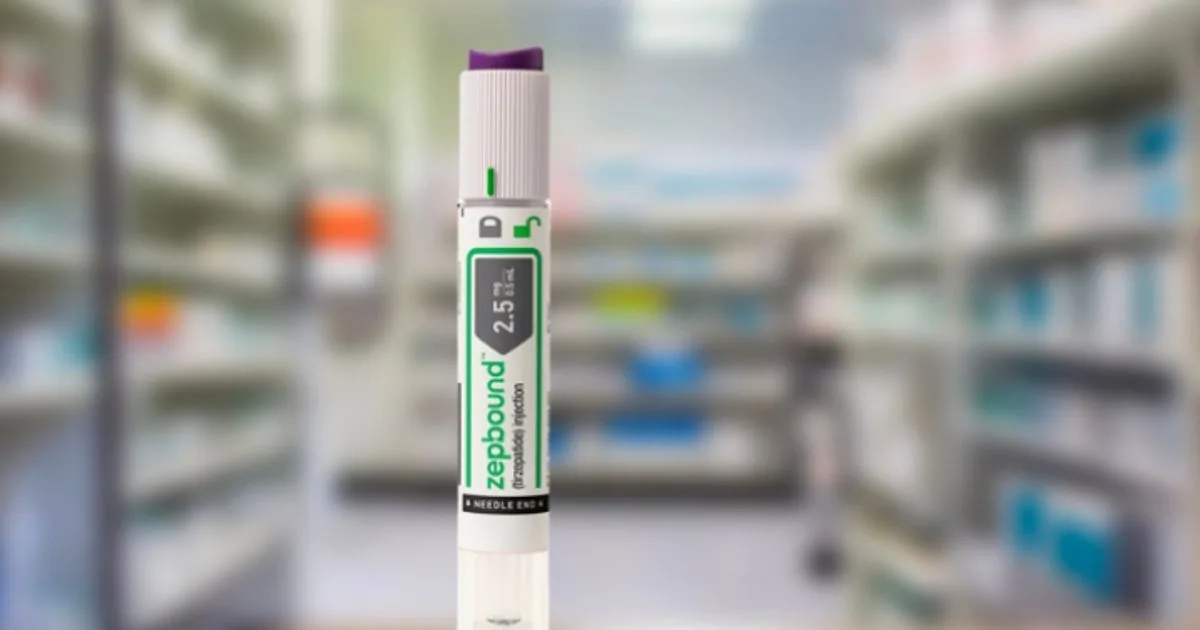
Peptide therapies, including semaglutide and tirzepatide, are notoriously difficult to manufacture at scale. Unlike small-molecule drugs, peptides are large, complex structures that can degrade easily if not synthesized and stored correctly. When an API is "out of specification," it raises red flags regarding potency and stability. If patients were to receive medication with compromised API quality, the therapeutic effect could be diminished, or in rare cases, adverse reactions could occur.
Dr. Reddy's has launched its semaglutide brand, Obeda, earlier this year. The investigation into the root cause of these specification failures is ongoing. The company emphasized that they are taking measures to ensure product quality before resuming shipments, a necessary step to maintain trust in the generic pharmaceutical market.
The Battle for Affordable GLP-1 Alternatives
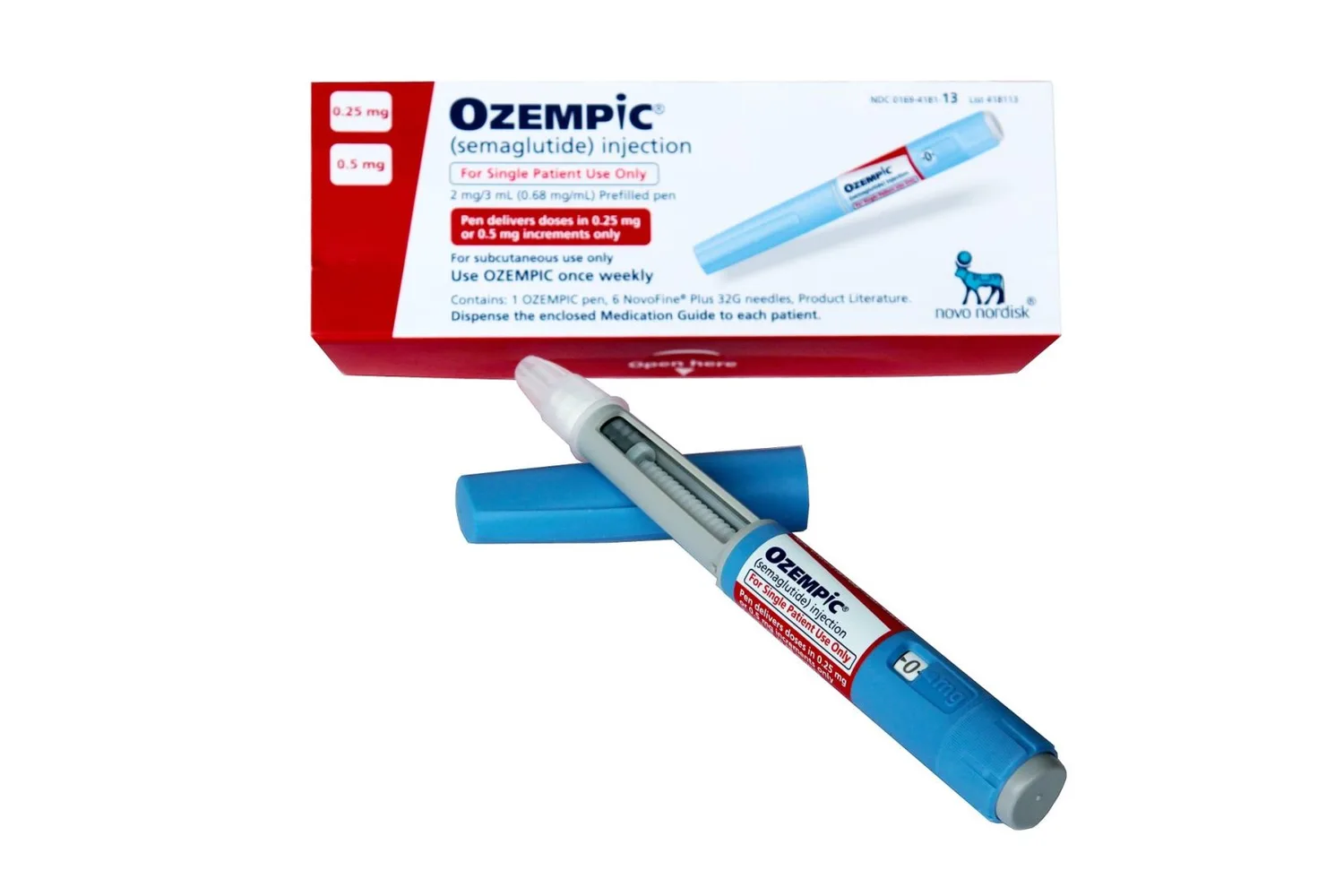
This supply issue occurs against the backdrop of a booming market for generic GLP-1s. Novo Nordisk's Ozempic (semaglutide) and Wegovy, along with Eli Lilly's Mounjaro (tirzepatide), have become household names. However, their high cost has created a massive demand for lower-cost alternatives.
More than half a dozen Indian drugmakers have launched generic versions of these blockbuster drugs, vying for a share of the fast-growing global obesity treatment market. Dr. Reddy's is not alone; peers like Zydus Lifesciences and Sun Pharma have also launched generic semaglutide brands. These companies have positioned their products at prices up to 70% lower than the branded Ozempic, making them attractive options for cost-conscious patients and healthcare systems.
Key Players in the Indian Generic Market
The competition in India is fierce, given that the country has the second-biggest diabetic population globally. The following table outlines the key landscape players involved in this generic semaglutide race.
| Company | Brand Status | Market Position |
|---|---|---|
| Dr. Reddy's Laboratories | Launched Obeda (Current Supply Delay) | Major API Manufacturer, High Volume |
| Zydus Lifesciences | Generic Semaglutide Launched | Competitive Pricing, Aggressive Marketing |
| Sun Pharma | Generic Semaglutide Launched | Strong Distribution Network |
| Novo Nordisk | Brand Owner (Ozempic/Wegovy) | Market Leader, Higher Price Point |
Demand Plateau and Market Dynamics
Interestingly, despite the hype, demand for these drugs plateaued in June, according to research firm Pharmarack. This suggests that while the initial surge in interest is cooling, the long-term demand for accessible weight management solutions remains robust. The supply disruption from Dr. Reddy's may inadvertently strengthen the position of competitors who have maintained stable API quality, or it may force patients back toward branded options if generics become unreliable.