
The GLP-1 Revolution Meets Pharmaceutical Ambition
The landscape of metabolic health and weight management is shifting rapidly. As demand for GLP-1 receptor agonists like Semaglutide and Tirzepatide continues to surge globally, pharmaceutical giants are accelerating their entry into this high-growth sector. Glenmark Pharmaceuticals, a Mumbai-based leader in the industry, has recently unveiled a robust financial and strategic roadmap that signals a major push toward innovation-led growth.
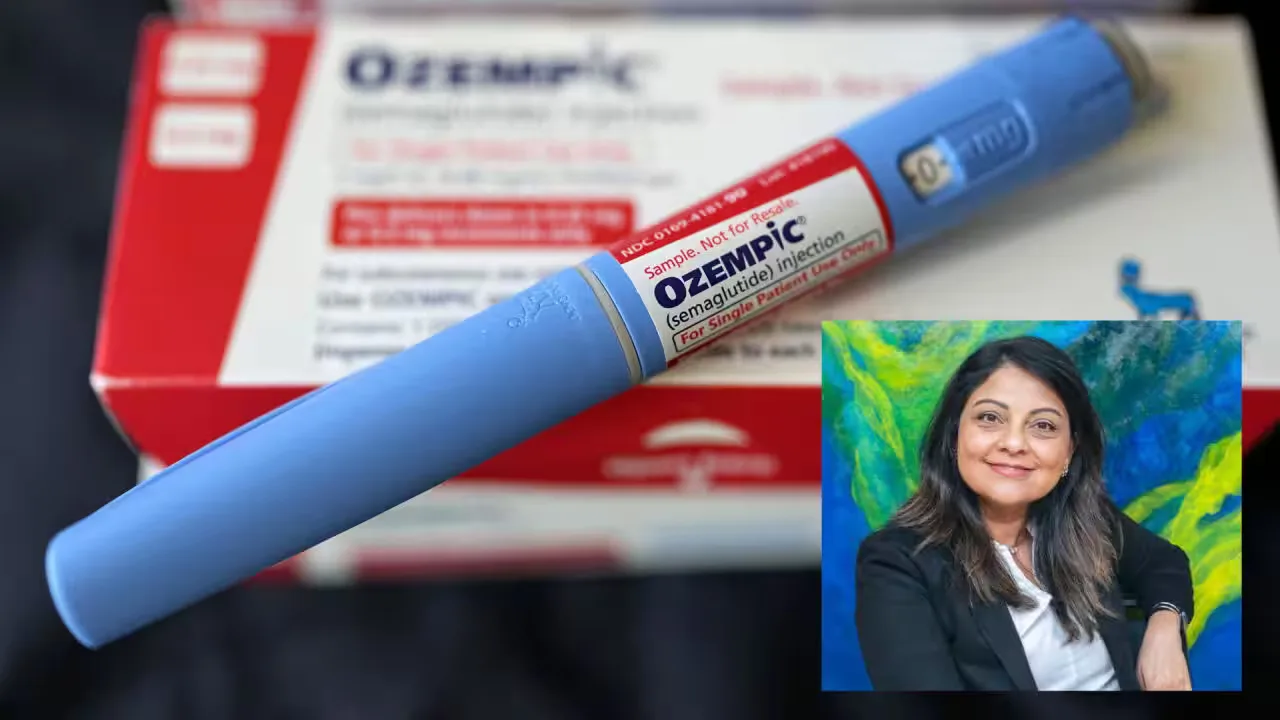
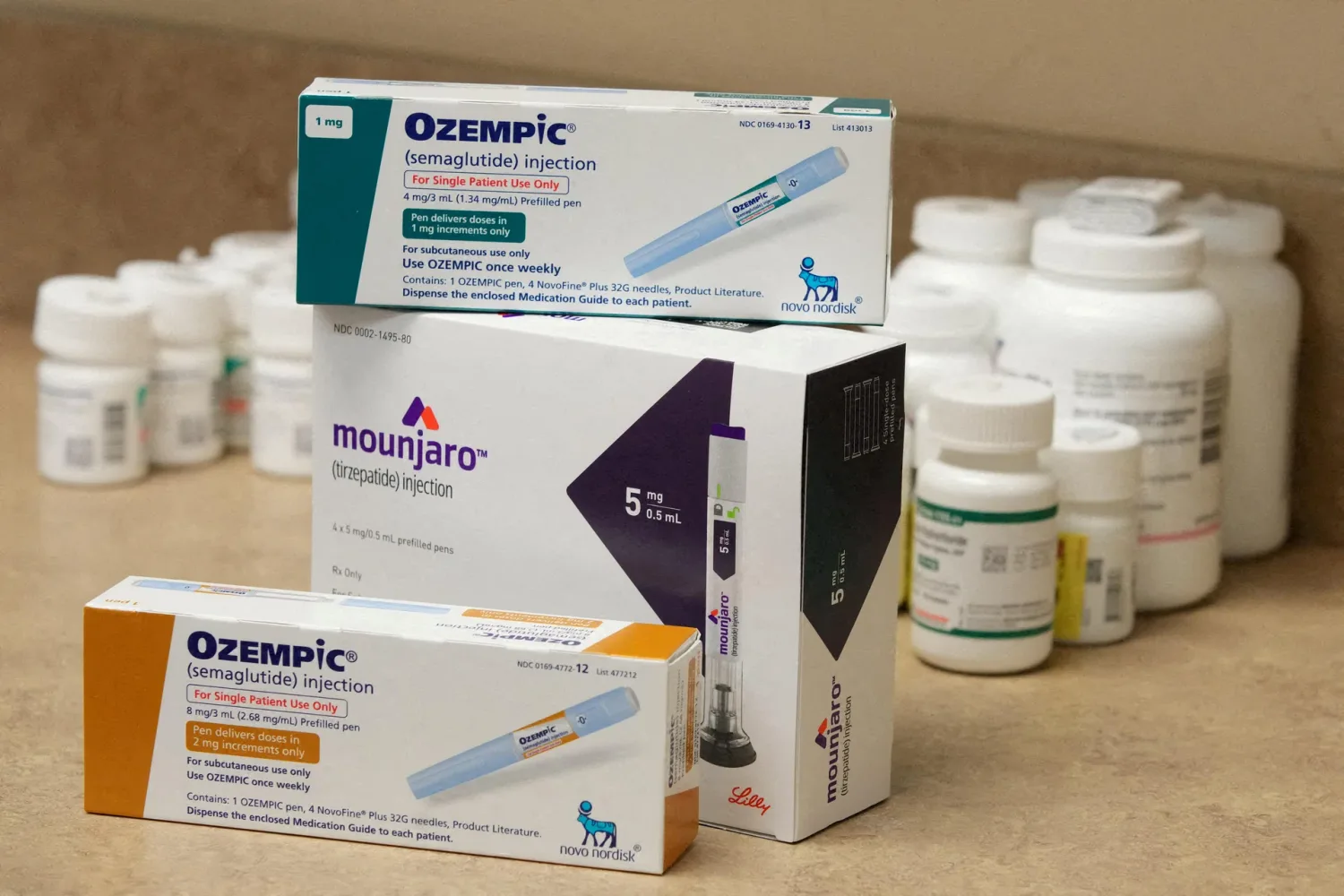
With a projected revenue target of ₹17,000-18,000 crore by FY27, Glenmark is positioning itself not just as a manufacturer, but as a global innovation partner. For patients navigating the complex world of peptide therapy and weight loss medications, this development offers tangible hope regarding supply stability and accessibility. In this analysis, we break down what Glenmark's new strategy means for the future of treatments like Ozempic, Wegovy, and Mounjaro.
Financial Stability as a Catalyst for Patient Access
At the heart of Glenmark's strategy lies a commitment to financial robustness. Anurag Mantri, Executive Director & Global CFO, highlighted that the company expects EBITDA margins to remain healthy at 21-22%. This profitability is crucial because it allows the company to reinvest in research and development without compromising on quality or supply chain integrity.
In the Q4FY26 quarter alone, the company reported revenue of ₹3,770 crore and a profit of ₹301.3 crore. Such stability is vital in the pharmaceutical sector, where supply chain disruptions can leave patients without critical medications. By maintaining a net debt-free position through FY27, Glenmark ensures it has the liquidity to scale production of key therapies.
Key Financial Targets for FY27:
- Revenue Projection: ₹17,000 - 18,000 Crore
- EBITDA Margins: 21% - 22%
- Branded Revenue Goal: 70% of total revenue by 2030
- Working Capital Days: Maintained around 115-120 days
This financial discipline translates directly to patient reliability. When a company is debt-free and profitable, they are better equipped to handle the volatility of global manufacturing and distribution, ensuring that life-saving or life-changing therapies remain available on shelves.
The GLP-1 Frontier: Expanding Semaglutide Availability
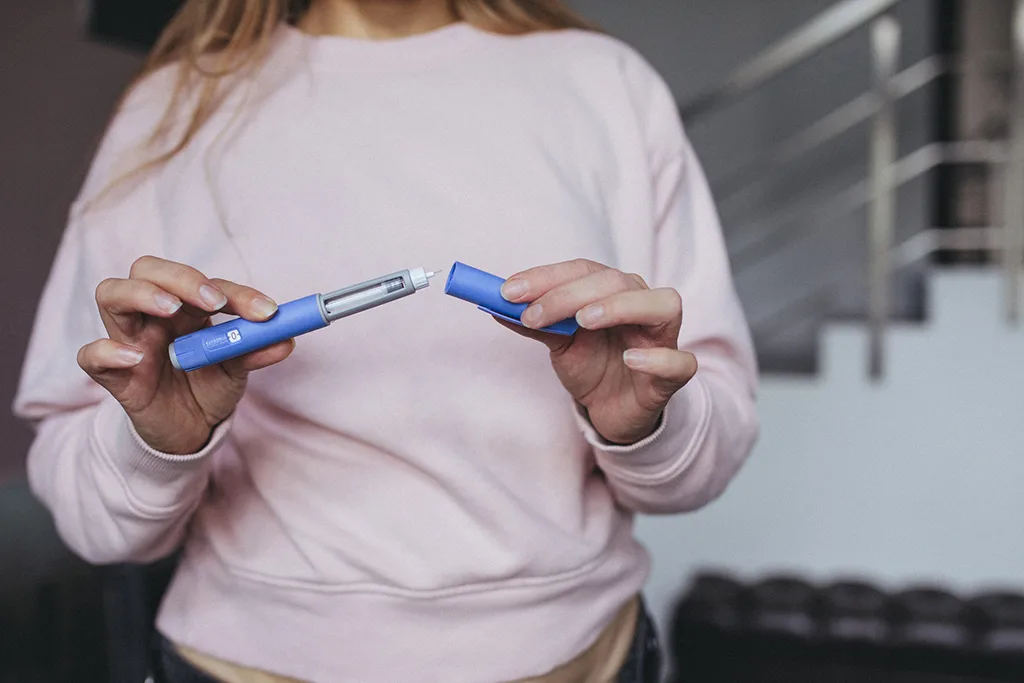
Perhaps the most significant announcement for health-conscious readers lies in Glenmark's focus on the GLP-1 segment. The company is leveraging its experience from earlier portfolios, such as liraglutide, to build capabilities in this high-demand category. Their entry into the market with GLIPIQ, a Semaglutide-based product, aims to make these medications more accessible to patients.
The GLP-1 category represents one of the most significant growth opportunities in the pharmaceutical industry. As awareness, access, and affordability improve, the demand for these treatments is outstripping supply. Glenmark's objective is to support long-term treatment adherence, which is often the biggest hurdle for patients starting therapies like Ozempic or Wegovy.
Why Glenmark's Entry Matters:
- Supply Chain Diversification: Added manufacturing capacity reduces the risk of global shortages.
- Market Competition: More players in the space can drive down costs over time, improving affordability.
- Local Manufacturing: Producing key drugs in emerging markets ensures faster availability for patients in regions like India and LATAM.
While the initial response to GLIPIQ has been encouraging, the long-term success of any GLP-1 therapy depends on how well patients manage their treatment journey. This is where health tracking becomes essential.
Global Expansion: Beyond Weight Loss
Glenmark's growth strategy is broad-based, extending well beyond the weight loss sector. The company is targeting a 70% share of branded revenue by 2030, up from the current 60%. This shift toward innovation includes several key products driving international momentum.
Respiratory and Dermatology Innovations
In the US market, the respiratory drug Ryaltris has crossed the $100 million sales milestone, growing by approximately 50%. This success supports Glenmark's expansion in the US, alongside the ramp-up of their Monroe facility. Meanwhile, in Europe and the UK, the acne treatment Winlevi has launched successfully, with plans to expand further across the continent.
This diversification is a strategic hedge. By not relying on a single market or segment, Glenmark ensures that even if one therapeutic area faces regulatory headwinds, others continue to support the company's growth and, by extension, patient access to care.
Precision tracking for your journey
Join thousands using Shotlee to accurately track GLP-1 medications and side effects.
📱 Get the Shotlee App
Track your GLP-1 medications, peptides, and health metrics on the go with our mobile app!
The Patient Journey: Tracking Progress and Adherence
Starting a new medication, particularly a peptide therapy like Semaglutide, is a significant commitment. It involves not just taking a dose, but managing lifestyle changes, monitoring side effects, and tracking physiological responses. This is where tools like Shotlee play a critical role in the modern healthcare ecosystem.
Whether a patient is on a branded GLP-1 or a newer alternative, consistent adherence is key to seeing results. Shotlee allows users to log their dosage, track weight changes, and monitor symptoms like nausea or fatigue. This data is invaluable for both the patient and their healthcare provider.
When Glenmark aims to "support long-term treatment adherence," they are acknowledging that the medication is only half the battle. The other half is the patient's ability to stay on track. Digital health tools bridge the gap between the pharmacy and the patient's daily life, ensuring that the financial and clinical investments made by companies like Glenmark are not wasted due to poor tracking or missed doses.
Future Outlook: A 2030 Vision
Glenmark's long-term ambition is to become a global innovation-led pharmaceutical company. This vision is backed by a clear roadmap involving in-licensed therapies, specialty products, and global brand expansion. In India, where the business is expected to grow at mid-teens, products like Tevimbra and Brukinsa are performing well.
As the market evolves, Glenmark intends to evaluate opportunities to expand into select international markets. This global perspective is essential for a company aiming to compete with giants in the GLP-1 space. By maintaining a diversified portfolio and broad-based geographic presence, they are building a resilient business model that prioritizes patient needs over short-term gains.
Practical Takeaways for Patients
For those following the pharmaceutical news, here is what to watch for:
- Affordability: Increased competition in the GLP-1 space may lead to more pricing options.
- Availability: New manufacturing hubs mean fewer supply chain disruptions.
- Tracking: Use digital tools to monitor your response to therapy, ensuring safety and efficacy.
Conclusion
Glenmark Pharmaceuticals' FY27 guidance represents more than just financial optimism; it signals a strategic pivot toward making innovative therapies accessible to a wider global audience. With a focus on GLP-1 accessibility through GLIPIQ and a commitment to financial stability, the company is well-positioned to contribute to the ongoing evolution of weight loss and metabolic health treatment.
As the industry moves forward, the combination of robust pharmaceutical manufacturing and patient-centric health tracking will define the next era of care. For patients navigating the complexities of Semaglutide and related therapies, this news suggests a future where access is more reliable, and support is more comprehensive.
Frequently Asked Questions
1. What is the GLIPIQ product from Glenmark?
GLIPIQ is Glenmark's Semaglutide-based product designed to make GLP-1 therapy more accessible to patients. It leverages the company's experience with liraglutide to support long-term treatment adherence and affordability.
2. How does Glenmark's revenue target compare to industry standards?
Glenmark is targeting ₹17,000-18,000 crore revenue by FY27 with EBITDA margins of 21-22%. This places them among the stronger performers in the Indian pharmaceutical sector, with a focus on high-margin branded innovation.
3. Will Glenmark's Semaglutide compete with Ozempic?
Yes, GLIPIQ serves a similar therapeutic class (Semaglutide) to Ozempic and Wegovy. While it may offer a different pricing or availability structure, it aims to increase overall supply and competition in the weight loss and diabetes management market.
4. Why is tracking adherence important for GLP-1 therapy?
GLP-1 medications often require consistent dosing to maintain efficacy. Missing doses can lead to weight regain or loss of glycemic control. Tracking tools help ensure patients stay on schedule and can report issues to doctors promptly.
5. What is Glenmark's goal for branded revenue by 2030?
Glenmark aims to increase its branded revenue contribution from the current 60% to 70% by 2030. This is achieved through in-licensed therapies, specialty products, and expanding global brand presence in markets like the US, Europe, and India.