
The landscape of weight management and diabetes treatment has been significantly reshaped by the advent of GLP-1 receptor agonists. Medications like Ozempic, Wegovy, Mounjaro, and Zepbound have become household names, lauded for their efficacy in helping individuals achieve significant weight loss and better control blood sugar levels. However, as the experience of actress Mayim Bialik starkly illustrates, these powerful medications can come with a challenging side effect profile for some. Bialik's candid account of "explosive, uncontrollable diarrhea," body aches, bloating, and even "sneezing attacks" after starting a GLP-1 medication underscores the fact that while beneficial for many, these drugs are not without their risks.
Bialik's journey, detailed in an essay for The Free Press, highlights a disconnect she felt with her medical team, who seemed unsurprised by her extreme gastrointestinal (GI) symptoms. "How could a reaction even half as severe as mine be considered normal?" she questioned. This sentiment resonates with the growing number of individuals who are experiencing significant side effects that can profoundly impact their quality of life, prompting a closer look at what doctors understand about these adverse reactions and how they are managed.
Understanding the Spectrum of GLP-1 Side Effects
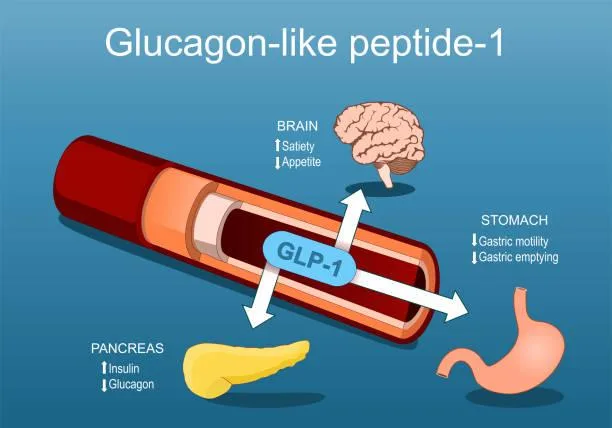
GLP-1 medications work by mimicking the action of the GLP-1 hormone, which plays a crucial role in regulating appetite and blood sugar. They slow gastric emptying, increase satiety, and stimulate insulin release. While these mechanisms are key to their therapeutic benefits, they also contribute to the most common side effects.
Dr. Michelle Gordon, an obesity medicine physician, explains that the most frequent adverse effects are gastrointestinal in nature. "Nausea, vomiting, diarrhea, and constipation are the most common side effects in GLP-1 medications," she notes. These symptoms are often most pronounced when starting the medication or increasing the dose, as the body adjusts to the drug's effects on the digestive system.
The Mechanism Behind Common GI Issues
The slowing of gastric emptying, a primary benefit of GLP-1s for weight management, can lead to a buildup of gas. This gas can then be released, sometimes resulting in uncomfortable symptoms like sulfur burps, particularly after consuming foods high in saturated fats. "When the stomach is slow to empty, gas gets built up, and it's got to go somewhere. The easiest way is for it to come back up," Dr. Gordon clarifies.
While Bialik reported a unique "snatiation" phenomenon – sneezing attacks triggered by eating or drinking – Dr. Gordon states she hasn't personally seen this specific symptom. However, she acknowledges that some individuals have reported allergy-like symptoms, suggesting a broader range of potential reactions.
How Common Are Severe Side Effects?
Clinical trial data provides a baseline for understanding side effect prevalence. For instance, in trials for Wegovy, a significant percentage of participants experienced nausea (44%), diarrhea (30%), and constipation or vomiting (24%). However, the rate of participants discontinuing the medication due to these side effects was relatively low, around 6.8% in Wegovy trials and between 4.8% and 6.7% in Zepbound trials.
Yet, real-world data and anecdotal evidence suggest that severe symptoms might be more prevalent than initially captured in controlled studies. A KFF survey indicated that nearly 15% of individuals using GLP-1s for obesity discontinued them due to side effects. Furthermore, over 4,000 lawsuits have been filed against GLP-1 manufacturers, citing life-altering adverse effects.
A study published in Nature Health analyzed Reddit data, revealing that many users reported side effects not typically detailed in clinical trials. These included a range of GI issues, as well as less common symptoms like irregular menstrual periods. Public figures like comedian Amy Schumer and influencer Remi Bader have also shared their experiences with severe GI distress, including daily vomiting, leading them to stop taking GLP-1 medications.
Comparing Clinical Trial Data to Real-World Experiences
| Medication | Common Side Effects Reported in Trials | Discontinuation Rate Due to Side Effects (Approx.) |
|---|---|---|
| Wegovy | Nausea (44%), Diarrhea (30%), Constipation/Vomiting (24%) | 6.8% |
| Zepbound | (Specific percentages vary by dose, generally similar to Wegovy) | 4.8% - 6.7% |
It's important to note that these figures represent reported occurrences within specific study populations and may not fully encompass the diverse experiences of individuals in broader clinical practice.
Precision tracking for your journey
Join thousands using Shotlee to accurately track GLP-1 medications and side effects.
📱 Get the Shotlee App
Track your GLP-1 medications, peptides, and health metrics on the go with our mobile app!
When Are GI Side Effects Too Severe?
Dr. Brian Wojeck, an endocrinologist and weight management specialist at Yale University, emphasizes that while GI side effects are common, most patients can tolerate them, and they rarely reach a severe level. "Most patients who experience them can tolerate them and they do not reach a severe level," he states. Hospitalizations due to severe side effects like pancreatitis or gallbladder issues are considered extremely rare.
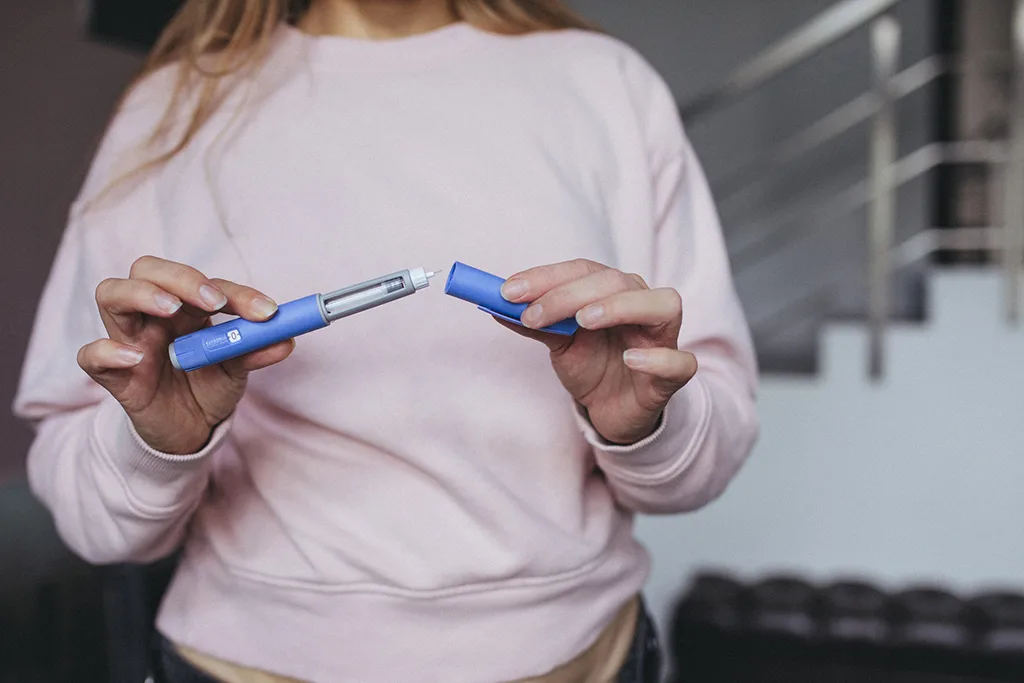
However, for a subset of individuals, the GI distress can be debilitating. Dr. Wojeck explains that severe reactions might occur if a patient starts on too high a dose. "If someone starts with too high of a dose, their body may react with more GI distress," he warns. This risk can be amplified with compounded versions of GLP-1s, which are sometimes administered via vials, potentially leading to accidental over-medication compared to pre-dosed pens.
Mayim Bialik's experience, where severe symptoms began after her first shot of the lowest dose, suggests that individual sensitivity can play a significant role, even at the starting point. This underscores the need for careful monitoring and patient-specific adjustments.
Managing and Preventing Side Effects
For many, common GI side effects can be managed through lifestyle modifications. Doctors often recommend:
- Avoiding alcohol
- Limiting spicy foods
- Reducing intake of high-calorie or high-fat foods
- Staying well-hydrated
These adjustments can help ease the burden on the digestive system as it adapts to the medication. For individuals using Shotlee, tracking these dietary changes and their impact on symptoms can provide valuable insights for both the patient and their healthcare provider.
However, for some, even with these precautions, the side effects remain intolerable. "There is a subset of people that have significant diarrhea or significant nausea that they simply do not tolerate the medicine, and these are not the right medicines for them," Dr. Wojeck states. He stresses that it's impossible to predict in advance how someone will react. "If you try them and you don't tolerate them, we need to back off -- and that's okay."
Ultimately, Mayim Bialik was advised by a gastroenterologist that she did not "meet the bar" for continuing the medication. This highlights the importance of seeking specialist evaluation when side effects are severe and persistent. For those who cannot tolerate GLP-1s, alternative treatment options can be discussed with a healthcare provider.
The Risk-Benefit Calculation
GLP-1 medications represent a significant advancement in medicine, offering life-changing benefits for many in managing chronic conditions like type 2 diabetes and obesity. Beyond weight loss, research suggests potential protective benefits against certain cancers. However, as Bialik's experience and growing real-world data show, severe side effects are a reality for a portion of users.
"One person's experience is not every person's experience," Dr. Gordon reminds us. "What worked for you may not work for the next person." This sentiment is crucial for anyone considering or currently using GLP-1s. A thorough discussion with a healthcare provider about individual health history, potential risks, and expected benefits is essential. For those on these medications, diligent symptom tracking using tools like Shotlee can empower informed conversations with doctors, ensuring the treatment plan remains aligned with the patient's well-being and treatment goals.
Conclusion
Mayim Bialik's candid sharing of her severe GLP-1 side effects serves as an important reminder that while these medications are highly effective for many, they are not a one-size-fits-all solution. Understanding the potential spectrum of side effects, from common GI discomfort to more severe and debilitating reactions, is critical. Healthcare providers play a vital role in guiding patients through this complex landscape, emphasizing careful dose titration, lifestyle adjustments, and open communication. For patients, proactive symptom monitoring and a willingness to discuss challenges with their medical team are key to navigating these powerful treatments safely and effectively, ensuring that the pursuit of health does not come at an unacceptable cost.