
The GLP-1 Revolution: More Than Just Weight Loss
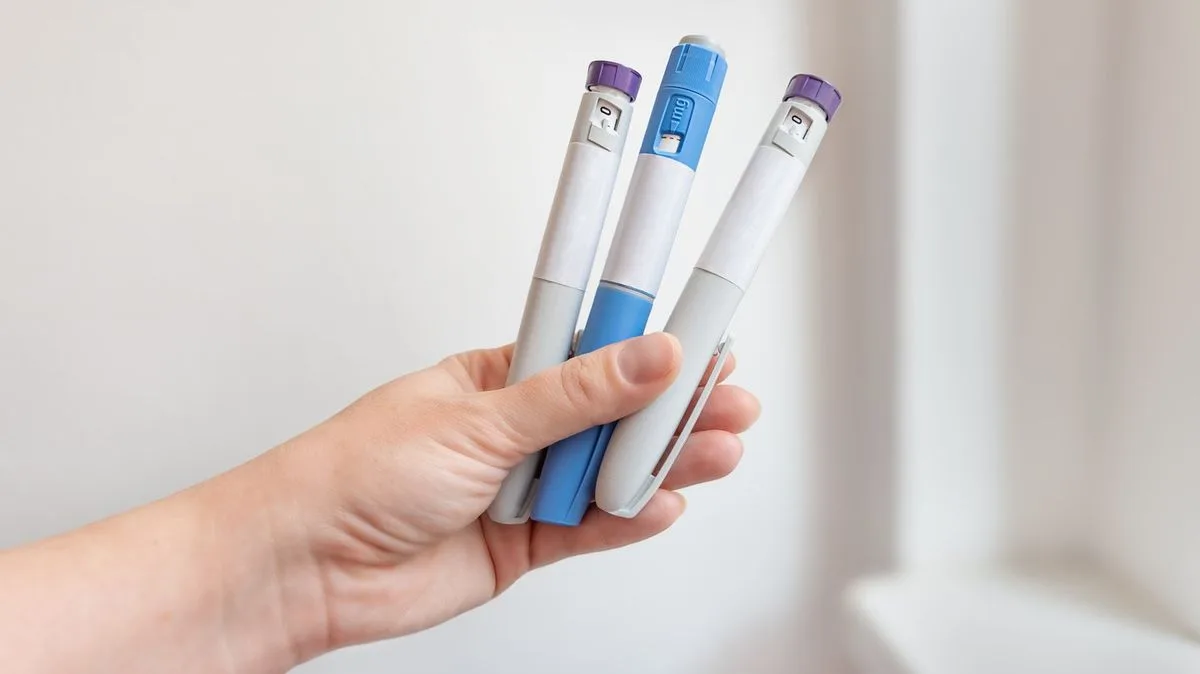
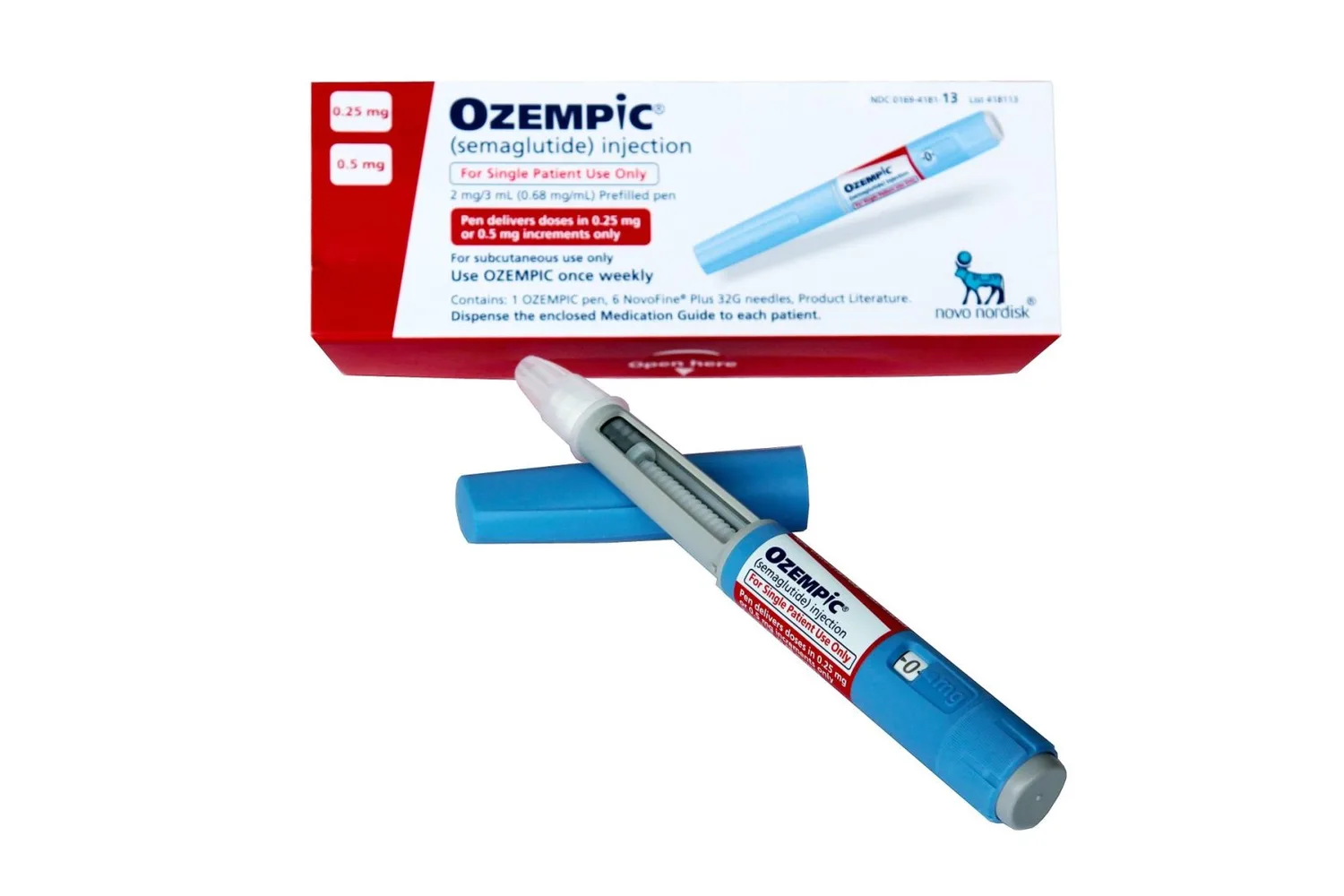
Glucagon-like peptide-1 (GLP-1) receptor agonists have revolutionized the landscape of metabolic health. Medications such as semaglutide (marketed as Ozempic for diabetes and Wegovy for weight loss) and tirzepatide (marketed as Mounjaro for diabetes and Zepbound for weight loss) have garnered widespread attention for their efficacy in managing type 2 diabetes and promoting significant weight loss. These drugs work by mimicking the action of the natural GLP-1 hormone, which helps regulate blood sugar levels, slow gastric emptying, and reduce appetite. As millions turn to these powerful medications, it's essential to look beyond the primary benefits and understand the broader impact on daily life, including managing potential side effects.
Common Side Effects and the Rise of 'Ozempic Breath'
While GLP-1 medications offer remarkable benefits, they are not without their side effects. The most commonly reported issues are gastrointestinal in nature, including nausea, vomiting, diarrhea, constipation, and abdominal pain. These symptoms are often most pronounced when starting the medication or increasing the dose and tend to improve over time as the body adjusts.
A less discussed, yet increasingly prevalent, side effect has been a noticeable change in breath odor, often colloquially termed 'Ozempic breath' or 'GLP-1 breath.' While not a formal medical diagnosis, this phenomenon highlights how these medications can subtly alter bodily functions. The exact mechanism behind this breath alteration isn't fully understood, but several theories exist:
- Slower Gastric Emptying: GLP-1 agonists slow down the rate at which food leaves the stomach. This can lead to a longer period of food being present in the stomach, potentially contributing to the fermentation of food particles and the release of volatile sulfur compounds (VSCs) that cause bad breath.
- Changes in Saliva Production: Some users report a feeling of dry mouth, which can exacerbate bad breath. Saliva plays a crucial role in cleansing the mouth and neutralizing acids produced by bacteria. Reduced saliva flow can create an environment where odor-causing bacteria thrive.
- Dietary Changes: Individuals on GLP-1 medications often make significant dietary changes, reducing carbohydrate intake or focusing on different food types. These shifts in diet can alter the oral microbiome and the types of compounds produced by bacteria, potentially leading to different breath odors.
- Ketosis: In some cases, particularly with significant calorie restriction or carbohydrate reduction, individuals may enter a state of ketosis, which can produce a distinct, fruity or acetone-like breath odor.
The impact of these side effects extends beyond personal discomfort. The increased awareness and discussion around 'Ozempic breath' have even influenced consumer behavior. Companies like Hershey have noted a surge in sales of breath fresheners, gum, and mints, directly attributing this trend to the growing number of individuals using GLP-1 medications. This demonstrates how even seemingly minor side effects can create new market demands and highlight the need for practical, everyday solutions.
Managing Side Effects: A Practical Approach
While some side effects are an expected part of the GLP-1 therapy journey, proactive management can significantly improve comfort and adherence. Open communication with your healthcare provider is paramount. They can help adjust dosages, suggest alternative medications, or offer strategies to mitigate specific symptoms.
Strategies for Gastrointestinal Issues:
- Start Low and Go Slow: Healthcare providers typically initiate GLP-1 medications at a low dose and gradually increase it. This allows your body time to adapt and can minimize severe GI symptoms.
- Hydration and Fiber: Staying well-hydrated is crucial, especially if experiencing diarrhea or constipation. Incorporating soluble fiber can also help regulate bowel movements.
- Meal Timing and Size: Eating smaller, more frequent meals can be easier on the digestive system than large, heavy meals.
- Avoid Trigger Foods: Identifying and avoiding foods that worsen nausea or indigestion is key. Fatty, spicy, or highly processed foods are common culprits.
Addressing 'Ozempic Breath' and Dry Mouth:
- Oral Hygiene: Maintaining excellent oral hygiene is fundamental. Brush your teeth twice daily, floss regularly, and consider using an antiseptic mouthwash.
- Stay Hydrated: Sipping water throughout the day can combat dry mouth and help wash away odor-causing bacteria.
- Sugar-Free Gum and Mints: Chewing sugar-free gum or using sugar-free mints can stimulate saliva production and temporarily mask bad breath. This is where products like Ice Breakers gain relevance.
- Tongue Scraping: Gently scraping your tongue can remove bacteria and debris that contribute to halitosis.
- Dietary Adjustments: Limiting strong-smelling foods like garlic and onions, and potentially reducing intake of sugary drinks, can help.
The Role of Health Tracking in Managing GLP-1 Therapy
Successfully navigating the journey with GLP-1 medications often involves diligent self-monitoring. Tracking key health metrics, symptom frequency and severity, and medication adherence can provide invaluable insights for both the patient and their healthcare provider. This data-driven approach empowers individuals to take a more active role in their treatment and make informed adjustments.
Precision tracking for your journey
Join thousands using Shotlee to accurately track GLP-1 medications and side effects.
📱 Get the Shotlee App
Track your GLP-1 medications, peptides, and health metrics on the go with our mobile app!
Tools like the Shotlee app can be instrumental in this process. By allowing users to meticulously log:
- Medication Doses and Timing: Ensuring consistent and accurate administration of the medication.
- Symptom Occurrence: Recording when specific side effects like nausea, bloating, or changes in breath occur, and their intensity.
- Dietary Intake: Understanding how different foods impact symptoms and overall well-being.
- Weight and Body Measurements: Monitoring progress towards weight loss goals.
- Blood Glucose Levels: For individuals managing diabetes, this is a critical metric.
This comprehensive tracking allows for the identification of patterns. For instance, a user might notice that nausea is consistently worse after consuming certain foods, or that 'Ozempic breath' is more pronounced on days they don't hydrate adequately. This information can then be shared with a doctor, leading to more personalized and effective management strategies. Furthermore, consistent tracking can help identify if side effects are improving or worsening over time, indicating whether the current treatment plan is optimal.
Clinical Insights and Future Directions
The rapid adoption of GLP-1 medications has spurred extensive research into their long-term effects and optimization. Clinical trials continue to explore new indications, refine dosing strategies, and investigate novel combinations with other therapeutic agents. For example, ongoing studies are examining the cardiovascular benefits of GLP-1 agonists beyond glycemic control and weight loss, further solidifying their importance in comprehensive metabolic care.
As the understanding of these drugs deepens, so too will the strategies for managing their associated side effects. Future research may lead to more targeted interventions for issues like 'Ozempic breath' or provide better predictive models for identifying individuals who may be more susceptible to certain side effects. The focus remains on maximizing the therapeutic benefits while minimizing any disruption to a patient's quality of life.
Key Takeaways for GLP-1 Users
For individuals embarking on or continuing their GLP-1 therapy journey, remember:
- Patience is Key: Many side effects are temporary and improve with time.
- Communication is Crucial: Discuss all symptoms and concerns with your healthcare provider.
- Proactive Management Works: Employ practical strategies for GI issues and oral health.
- Health Tracking Empowers: Utilize tools to monitor your progress and symptoms.
Conclusion
GLP-1 receptor agonists represent a significant advancement in the treatment of type 2 diabetes and obesity. While their primary benefits are well-documented, it's equally important to acknowledge and manage the spectrum of potential side effects, from common gastrointestinal disturbances to less obvious issues like 'Ozempic breath.' By adopting a proactive, informed, and communicative approach, individuals can effectively navigate these challenges, optimize their treatment outcomes, and achieve their health goals. Tools that facilitate detailed health tracking, such as Shotlee, can play a vital role in this personalized management strategy, ensuring a smoother and more successful therapeutic experience.