
Introduction to the New GLP-1 Landscape
The landscape of weight management has shifted dramatically in recent years. Glucagon-like peptide-1 (GLP-1) receptor agonists have moved from niche diabetes treatments to mainstream solutions for weight loss. However, as demand grows, patients and providers face a critical question: which specific medication offers the best balance of efficacy and safety?
A new meta-analysis conducted by researchers at the University of Georgia (UGA) aims to answer this directly. By pooling data from thousands of patients, the study puts the most popular GLP-1 medications head-to-head. The findings offer clear distinctions between tirzepatide, semaglutide, and liraglutide, providing valuable data for those considering these treatments.
Study Overview: Design and Scope
To understand the reliability of these results, it is important to look at the methodology behind the research. This review was a meta-analysis, a type of study that aggregates data from multiple individual trials to increase statistical power. Unlike a single clinical trial, a meta-analysis can reveal patterns that might be missed in smaller groups.
The UGA team analyzed data from approximately 14,000 non-diabetic patients. Focusing on non-diabetic individuals is crucial because weight loss efficacy can vary between patients with and without Type 2 diabetes. The study specifically targeted the three most prominent medications currently on the market:
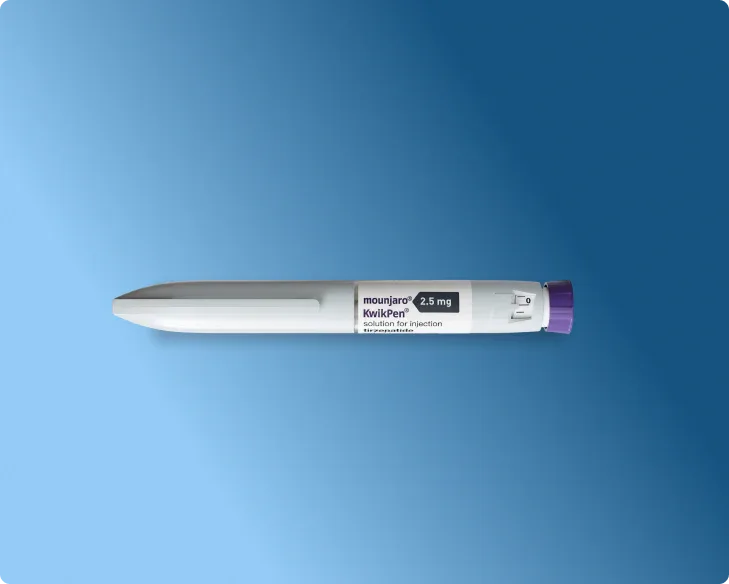
- Tirzepatide: Marketed as Zepbound for weight loss and Mounjaro for diabetes.
- Semaglutide: Marketed as Wegovy for weight loss and Ozempic for diabetes.
- Liraglutide: Marketed as Saxenda for weight loss and Victoza for diabetes.
The primary goal was not just to see which drug caused the most weight loss, but to determine if that efficacy came at the cost of higher rates of adverse events, such as nausea or gastrointestinal distress.
Comparative Efficacy: The Weight Loss Results
The data from the meta-analysis presented a clear hierarchy in terms of weight loss outcomes. While all three medications function as GLP-1 agonists, their impact on body weight varied significantly depending on the active ingredient.
Top Performer: Tirzepatide
Tirzepatide emerged as the most effective option in the study. Patients taking this medication lost more than 20% of their starting body weight on average. This level of weight reduction is clinically significant and often associated with substantial improvements in metabolic health markers.
Mid-Range: Semaglutide
Semaglutide, widely recognized by the brand names Wegovy and Ozempic, showed strong results but fell short of tirzepatide's performance. The study found that patients on semaglutide lost closer to 15% of their body weight. While this is still a highly effective outcome compared to traditional weight loss methods, the gap between the two drugs is notable.
Baseline: Liraglutide
Liraglutide, available as Saxenda and Victoza, demonstrated the lowest weight loss efficacy among the three. Patients in the study lost approximately 8% of their body weight. While an 8% reduction is often considered the threshold for clinical benefit, it is less than half the weight loss achieved by the highest dose of tirzepatide.
| Medication (Generic) | Common Brand Names | Average Weight Loss | Primary Mechanism |
|---|---|---|---|
| Tirzepatide | Zepbound, Mounjaro | > 20% | Dual Agonist (GLP-1 + GIP) |
| Semaglutide | Wegovy, Ozempic | ~ 15% | GLP-1 Agonist |
| Liraglutide | Saxenda, Victoza | ~ 8% | GLP-1 Agonist |
Understanding the Mechanism of Action
To understand why these results differ, one must look at how these drugs interact with the body's hormonal systems. All GLP-1 medications work by mimicking a hormone called glucagon-like peptide-1. This hormone plays a key role in regulating blood sugar, slowing down digestion, and signaling the brain that you are full.
However, the study highlights a critical difference in the receptor targeting. While semaglutide and liraglutide target just the GLP-1 receptors, tirzepatide is considered a dual agonist. This means it targets both GLP-1 receptors and the receptors for the hormone GIP (glucose-dependent insulinotropic polypeptide).
This dual action appears to amplify the weight loss signal. By engaging two different pathways that regulate metabolism and appetite, tirzepatide creates a more potent effect on weight reduction compared to the single-pathway drugs.
Safety Profile and Side Effects
Efficacy is only one side of the coin. For patients, tolerability is equally important. The study specifically examined whether the higher weight loss rates came with unacceptable risks.
Pooja Gokhale, a Ph.D. student at the UGA College of Pharmacy and an author of the review, noted the importance of this balance. "We were interested in finding which drug gives the most weight loss and doesn't have higher rates of side effects like nausea and gastrointestinal problems," Gokhale stated. "Tirzepatide seems to be the better option."
This suggests that while tirzepatide offers superior weight loss, it does so without a disproportionate increase in the most common complaints associated with these medications. However, individual reactions vary, and some patients may still experience gastrointestinal issues regardless of the specific drug chosen.
Precision tracking for your journey
Join thousands using Shotlee to accurately track GLP-1 medications and side effects.
📱 Get the Shotlee App
Track your GLP-1 medications, peptides, and health metrics on the go with our mobile app!
Long-Term Considerations and Formulations
While the study provides robust data on the active treatment phase, it leaves several important questions regarding long-term management and administration.
Post-Treatment Weight Regain
The analysis did not look at what happens when patients stop taking the medication. Clinical experience and broader data suggest that people often start regaining weight once they discontinue these drugs. This indicates that GLP-1 therapy may need to be viewed as a long-term management strategy rather than a short-term fix.
Injectable vs. Oral Options
Additionally, the study did not distinguish between injectable versions and newer oral pill forms. While the injectable versions are the standard in these trials, the oral formulation of semaglutide has become available. Clinical trials generally show that the pills are not quite as effective as their injectable counterparts, likely due to differences in bioavailability and absorption rates.
Practical Takeaways for Patients
For individuals navigating these treatment options, the data suggests several practical steps to ensure the best possible outcome.
- Consult Your Provider: Discuss the specific mechanisms of action. If maximum weight loss is the primary goal, tirzepatide may offer the highest statistical probability of success.
- Monitor Side Effects: Track any nausea or gastrointestinal symptoms closely. Early intervention can help manage these effects.
- Plan for Continuity: Understand that stopping the medication may lead to weight regain. Discuss a long-term maintenance plan with your healthcare team.
- Track Your Progress: Consistent monitoring helps in adjusting dosages and managing expectations.
Why Tracking Matters with Shotlee
Managing a GLP-1 regimen requires precision. Tools like Shotlee can be invaluable for patients undergoing these therapies. By logging your weight, dosage, and side effects, you create a data set that your doctor can use to make informed decisions.
For example, if you experience nausea, tracking the timing relative to your injection can help identify patterns. If you are using Shotlee to monitor your weight trajectory, you can see if your loss aligns with the expected ~15% or ~20% benchmarks mentioned in the study. This data-driven approach empowers patients to be active participants in their health journey.
Conclusion
The University of Georgia meta-analysis provides a significant contribution to the medical community's understanding of GLP-1 therapies. The findings clearly indicate that tirzepatide (Zepbound/Mounjaro) offers superior weight loss results compared to semaglutide and liraglutide, achieving over 20% weight loss in non-diabetic patients.
While the dual agonist mechanism of tirzepatide appears to drive these results without necessarily increasing side effect risks, individual patient needs vary. Whether you are considering Wegovy, Mounjaro, or Saxenda, the decision should be made in partnership with a healthcare provider who can weigh the potential benefits against your personal health profile.
Frequently Asked Questions
1. Which GLP-1 medication showed the highest weight loss in the study?
Tirzepatide, sold under brand names Zepbound and Mounjaro, showed the highest weight loss results. Patients in the meta-analysis lost more than 20% of their starting body weight, compared to approximately 15% for semaglutide and 8% for liraglutide.
2. What makes tirzepatide a dual agonist?
Tirzepatide is classified as a dual agonist because it targets two different hormone receptors: the GLP-1 receptor and the GIP (glucose-dependent insulinotropic polypeptide) receptor. In contrast, semaglutide and liraglutide target only the GLP-1 receptor.
3. Did the study include patients with Type 2 diabetes?
No, the study specifically analyzed data from 14,000 non-diabetic patients. This focus ensures the weight loss efficacy data applies directly to individuals seeking treatment for obesity or overweight without the confounding factors of diabetes management.
4. Are oral pill versions as effective as injectable GLP-1s?
The study did not distinguish between formulations, but general clinical trials suggest that oral pills are not quite as effective as their injectable counterparts. This is often due to lower bioavailability when the medication is taken by mouth compared to injection.
5. What happens if a patient stops taking these medications?
The study did not track post-discontinuation outcomes, but broader clinical knowledge indicates that patients often start regaining weight once they stop taking the drugs. This suggests that weight management with GLP-1s may require long-term adherence to maintain results.