
Introduction: The New Reality of GLP-1 Adherence
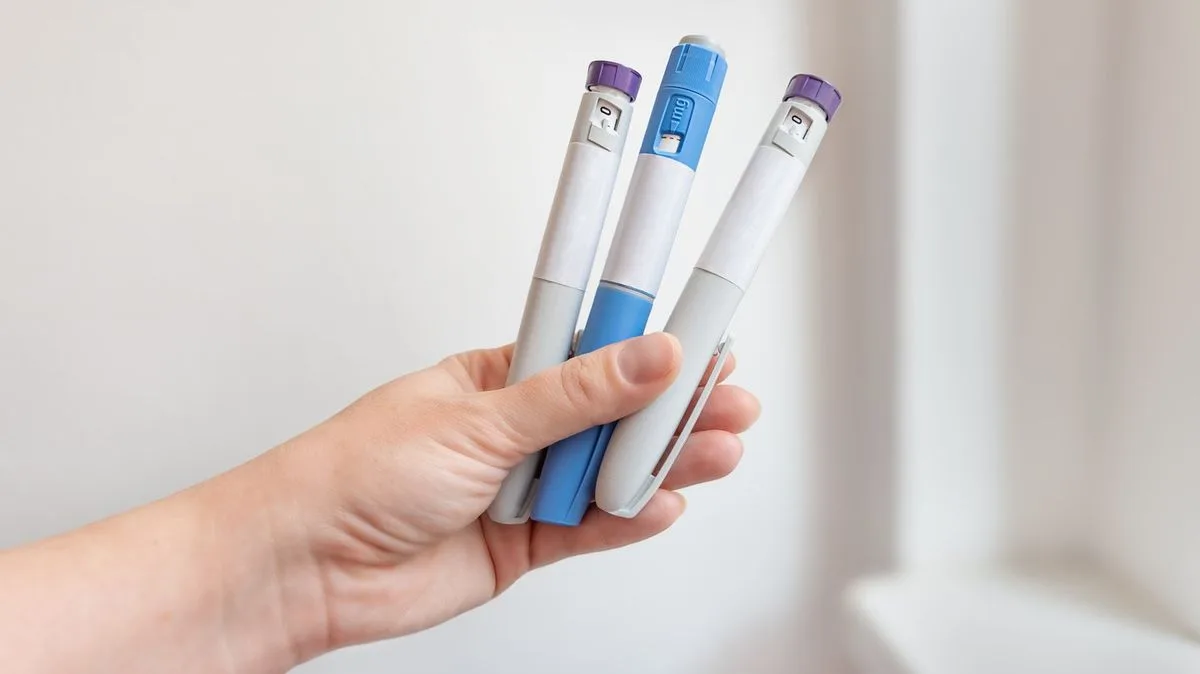
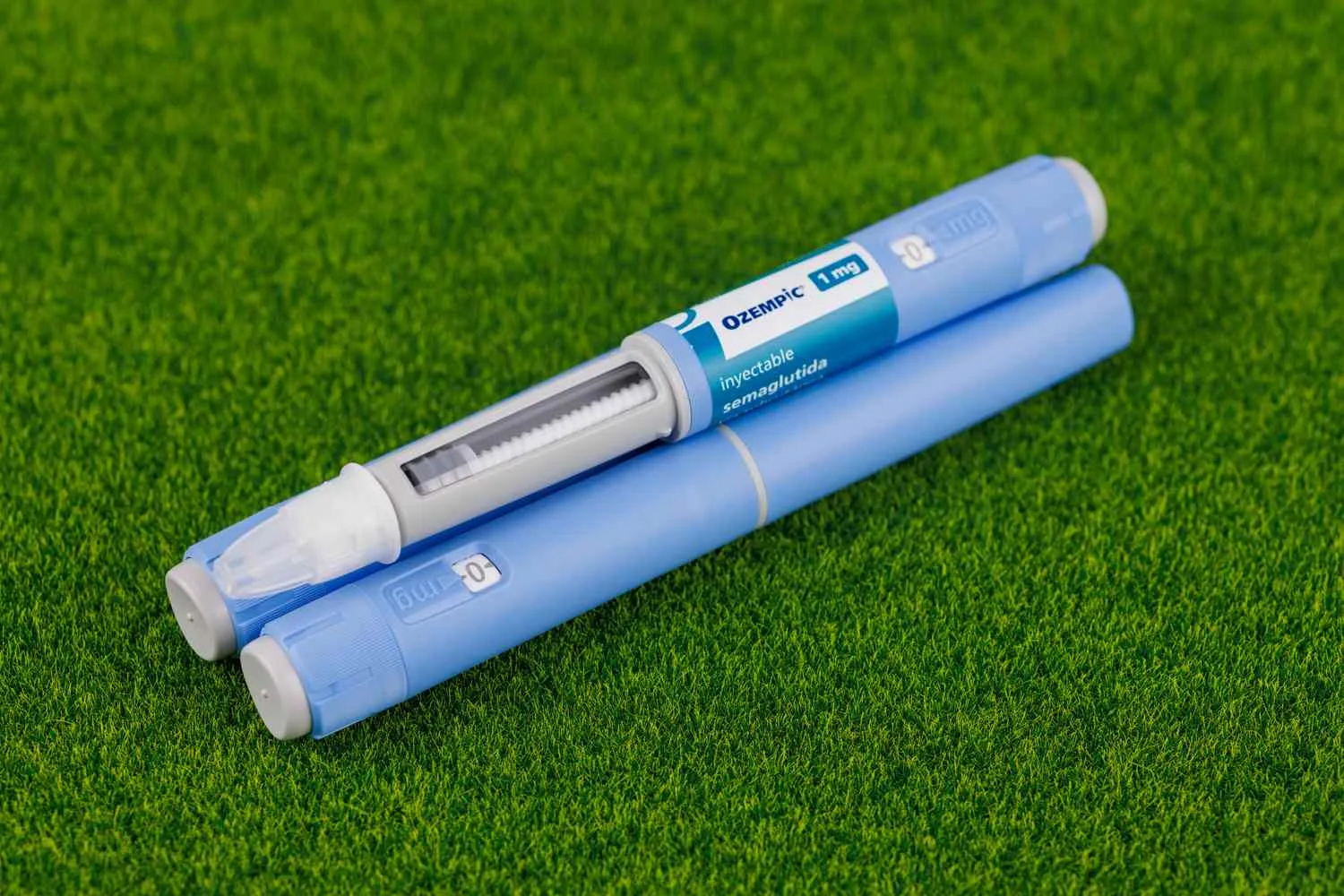
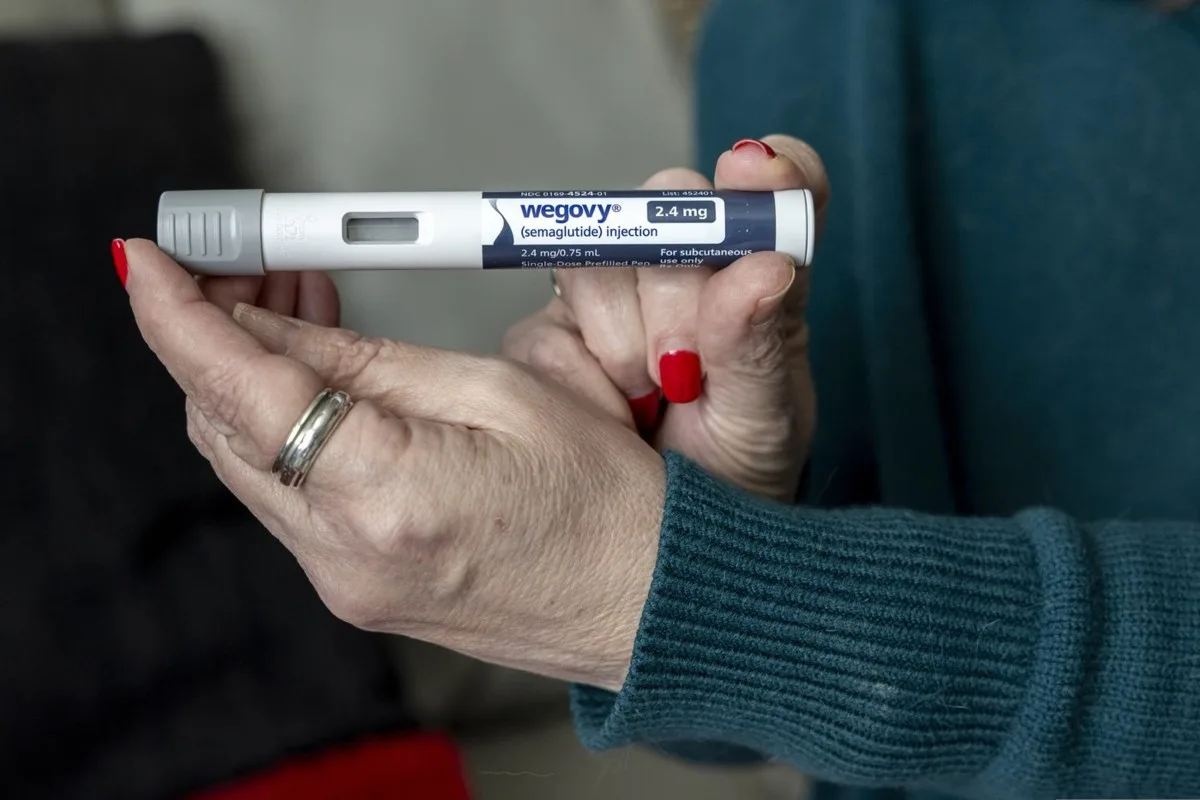
GLP-1 receptor agonists like semaglutide (Ozempic, Wegovy) and tirzepatide (Mounjaro, Zepbound) have revolutionized the landscape of obesity medicine. With approximately one in eight adults in the United States reporting use for weight loss, these medications are more accessible than ever. However, a growing body of evidence suggests that the key to unlocking their full potential lies not just in starting the medication, but in maintaining unwavering consistency.
A recent preclinical study from the Perelman School of Medicine at the University of Pennsylvania has shed light on a critical challenge: inconsistent use may significantly lessen the effectiveness of GLP-1 weight-loss medications. For patients navigating their health journey, this news underscores a vital truth—these medications are often designed for long-term management rather than short-term fixes.
This article explores the findings of the study, explains the biological mechanisms behind diminishing returns, and offers practical strategies to maintain adherence and protect your metabolic health while using peptide therapy.
The Study: What Happened in the Lab?
Researchers led by Thomas H. Leung, MD, PhD, investigated the effects of intermittent dosing versus consistent dosing of GLP-1 agonists. The study was published in the Journal of Clinical Investigation Insight and focused on overweight mice over a four-month period. The goal was to simulate a common real-world scenario where patients might stop and start therapy due to side effects, cost, or travel.
The study utilized two distinct groups:
- Consistent Group: Received semaglutide consistently throughout the entire four-month study.
- Stop-and-Start Group: Followed a cycle of two weeks on the drug followed by two weeks off, repeated for three cycles. They then switched to consistent use for the final two months.
The results were stark. While both groups lost weight during the initial two weeks, the stop-and-start group rapidly regained weight during every "off" period. Crucially, when they restarted the medication, they were unable to return to their previous lowest weight. Even after 62 days of consistent use at the end of the study, the intermittent group remained 20 percent heavier than the consistent group.
This data suggests that every time a patient pauses therapy, they reset their progress, and the body becomes increasingly resistant to achieving the same level of weight loss upon re-initiation.
Study Comparison: Consistent vs. Intermittent Use
| Parameter | Consistent Use Group | Stop-and-Start Group |
|---|---|---|
| Dosing Schedule | Continuous for 4 months | 2 weeks on, 2 weeks off (3 cycles) |
| Initial Weight Loss | Significant | Similar to consistent group |
| Weight Regain | Minimal | Rapid regain during "off" periods |
| Final Outcome | Lowest weight achieved | 20% heavier than consistent group |
Unpacking the Science: The "Muscle Floor" Theory
Why does stopping and starting the medication lead to reduced effectiveness? The researchers point to body composition rather than just scale weight. Weight loss from GLP-1s typically consists of a mix of fat and muscle, generally estimated at 60 percent fat and 40 percent muscle.
However, the study found that when patients stop the drug and regain weight, they almost exclusively regain fat. This shift alters the body's metabolic baseline. Using MRI to track body composition, the researchers observed that the body appears to reach a "muscle floor." As muscle mass decreases during the weight loss phase, the body receives a biological signal that it cannot afford to lose more muscle mass.
"The body seems to receive a biological signal that it cannot afford to lose more muscle mass," explained Dr. Leung. "Once that muscle percentage hits a certain low point, the body may resist further weight loss to protect itself."
This protective mechanism creates a metabolic barrier. Once the muscle-to-fat ratio shifts unfavorably, the medication may not be able to drive the same degree of fat loss because the body prioritizes preserving the remaining lean mass. This highlights why preserving muscle is just as critical as losing fat during GLP-1 therapy.
Adherence Challenges in the Real World
While the study was conducted on mice, the implications for human patients are significant given the current market context. GLP-1s have surged in popularity, yet adherence remains a major hurdle. Data indicates that over half of people discontinue GLP-1 therapy within 24 months, and many later attempt to restart therapy.
Common reasons for discontinuation include:
- Gastrointestinal Side Effects: Nausea and vomiting are common, especially during dose escalation.
- Cost and Insurance: Coverage varies, leading to gaps in treatment.
- Lifestyle Changes: Travel or routine disruptions can lead to missed doses.
- Perceived Necessity: Some patients believe they can stop once they reach a goal weight.
Dr. Leung notes, "Taking GLP-1s may be one of those decisions that people need to discuss and make with their doctor, knowing that taking the drug requires a long-term commitment, and it may not be the best fit for people who struggle with taking medication daily or weekly." This underscores the importance of patient education before starting therapy.
Precision tracking for your journey
Join thousands using Shotlee to accurately track GLP-1 medications and side effects.
📱 Get the Shotlee App
Track your GLP-1 medications, peptides, and health metrics on the go with our mobile app!
Protecting Your Progress with Shotlee
Maintaining consistency is the single most effective way to avoid the diminishing returns described in the study. However, consistency is difficult to maintain without proper tracking. This is where health platforms like Shotlee become invaluable for patients on peptide therapy.
Using Shotlee to track your health data allows you to:
- Log Medication Adherence: Keep a digital record of every dose taken to ensure no gaps occur.
- Monitor Symptoms: Track side effects like nausea or fatigue to identify patterns and manage them proactively with your provider.
- Track Weight and Body Composition: Regular logging helps distinguish between fat loss and potential muscle loss, allowing for timely adjustments to nutrition or exercise.
By keeping a centralized log of your health journey, you reduce the cognitive load of remembering doses and provide your healthcare team with accurate data to optimize your treatment plan.
Preserving Muscle: Nutrition and Exercise
If the biological mechanism involves a "muscle floor," the solution involves proactive muscle preservation. The study findings highlight a vital need for clinicians to help their patients preserve muscle mass through exercise or nutrition while on GLP-1s.
To counteract the potential loss of lean mass, patients should consider:
- Resistance Training: Incorporating strength training at least two to three times a week signals the body to retain muscle tissue.
- Protein Intake: Ensuring adequate protein consumption supports muscle synthesis and repair.
- Caloric Deficit Management: Severe caloric restriction can accelerate muscle loss. A moderate deficit is safer for preserving lean mass.
Future research will also need to investigate whether these same "diminishing returns" apply to drugs like tirzepatide (brand name Zepbound), which target both GLP-1 and additional receptors. While the mechanism may differ, the principle of consistency likely remains relevant.
Practical Takeaways for Patients
Before you start or continue your GLP-1 therapy, consider these actionable steps based on the latest research:
1. Commit to the Long Haul Obesity is a chronic condition. Expect GLP-1s to be part of a long-term strategy rather than a quick fix.
2. Avoid Unplanned Breaks Unless advised by a doctor, do not stop and restart therapy due to minor side effects. Communicate issues to your provider instead.
3. Prioritize Strength Focus on maintaining muscle mass through diet and exercise to prevent the body from hitting a "muscle floor."
4. Track Your Data Use tools like Shotlee to monitor adherence, weight trends, and symptoms to ensure you are on the right path.
Conclusion
The new research from the University of Pennsylvania reinforces a fundamental principle of chronic disease management: consistency is king. While GLP-1 medications like Ozempic and Wegovy offer powerful tools for weight loss, their effectiveness is heavily dependent on regular, sustained use. Intermittent use not only leads to weight regain but may alter body composition in ways that make future weight loss more difficult.
By working closely with healthcare providers, prioritizing muscle preservation, and utilizing technology to maintain adherence, patients can maximize the benefits of peptide therapy. As the field evolves, understanding the nuances of adherence will be essential for achieving sustainable health outcomes.
Frequently Asked Questions
1. What happens if I miss a dose of my GLP-1 medication?
Missing an occasional dose is generally not catastrophic, but frequent missed doses or intentional "drug holidays" can trigger the diminishing returns seen in the study. If you miss a dose, follow the specific instructions provided by your prescribing physician regarding whether to take it later or skip it entirely to avoid double dosing.
2. Does this study apply to Mounjaro and Zepbound (tirzepatide)?
While the current study focused on semaglutide, the researchers note that future investigations are needed to confirm if the same "diminishing returns" apply to tirzepatide. However, given that tirzepatide also targets GLP-1 receptors, experts recommend maintaining consistent dosing protocols for this class of medications as well.
3. How can I prevent muscle loss while on Ozempic or Wegovy?
To prevent muscle loss, focus on resistance training (weight lifting or bodyweight exercises) and ensure you are consuming adequate protein daily. A moderate caloric deficit is also crucial, as aggressive dieting can accelerate muscle catabolism alongside fat loss.
4. Why do patients regain weight quickly after stopping GLP-1s?
When the medication is stopped, the appetite-suppressing effects wear off, often leading to a return of hunger signals. Furthermore, the study suggests that regained weight is primarily fat, not muscle, which shifts your metabolic baseline and makes losing weight harder the next time you start the drug.
5. Is Shotlee useful for tracking GLP-1 therapy?
Yes, Shotlee is designed to help patients track critical health data. You can log medication doses to ensure adherence, monitor weight trends to catch early signs of regain, and track symptoms to discuss with your doctor, ensuring your treatment plan remains effective and safe.