
The Revolution in Weight Loss: More Than Just a New Drug
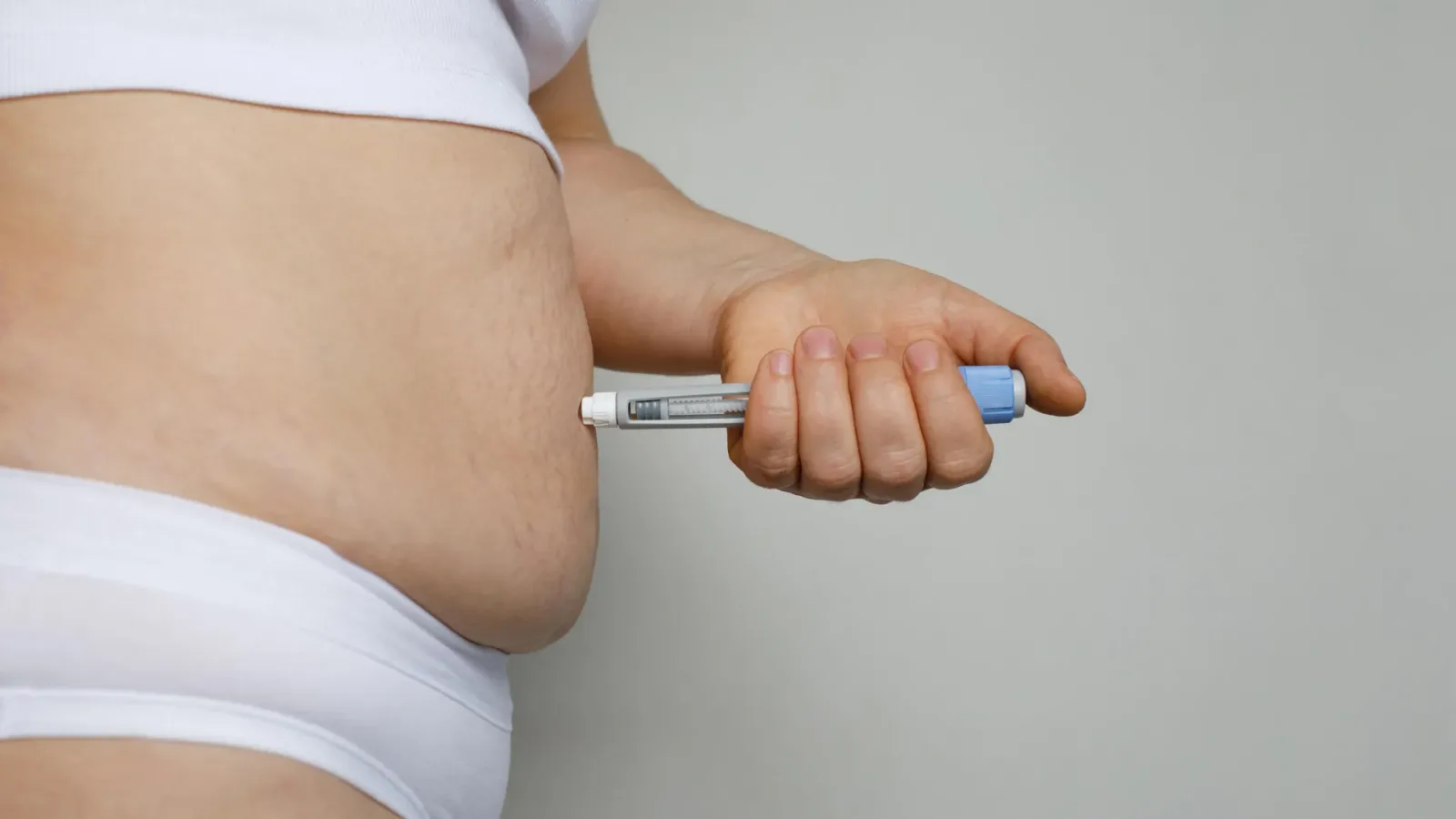
The introduction of GLP-1 receptor agonists has fundamentally changed the landscape of obesity treatment. For decades, individuals struggling with weight management faced limited options, often relying on lifestyle changes that proved difficult to sustain. Today, the ability to take a medication that curbs appetite and improves metabolic health feels like a breakthrough. However, beyond aesthetics, the significant health benefits associated with sustained weight loss—such as reduced risk of cardiovascular disease and improved diabetes management—are driving the intense competition in this sector.
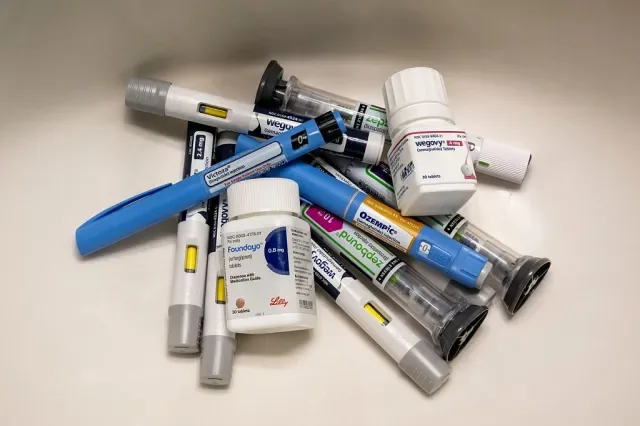
The pharmaceutical race is fierce. Novo Nordisk held the initial lead with Wegovy, but Eli Lilly has rapidly surged ahead with Mounjaro and Zepbound. While recent headlines often focus on stock valuations and quarterly earnings, the implications for patients are profound. From oral formulations to international availability, the dynamics of this market dictate who can access effective treatment and how well it works.
Understanding the Molecules: Semaglutide vs. Tirzepatide
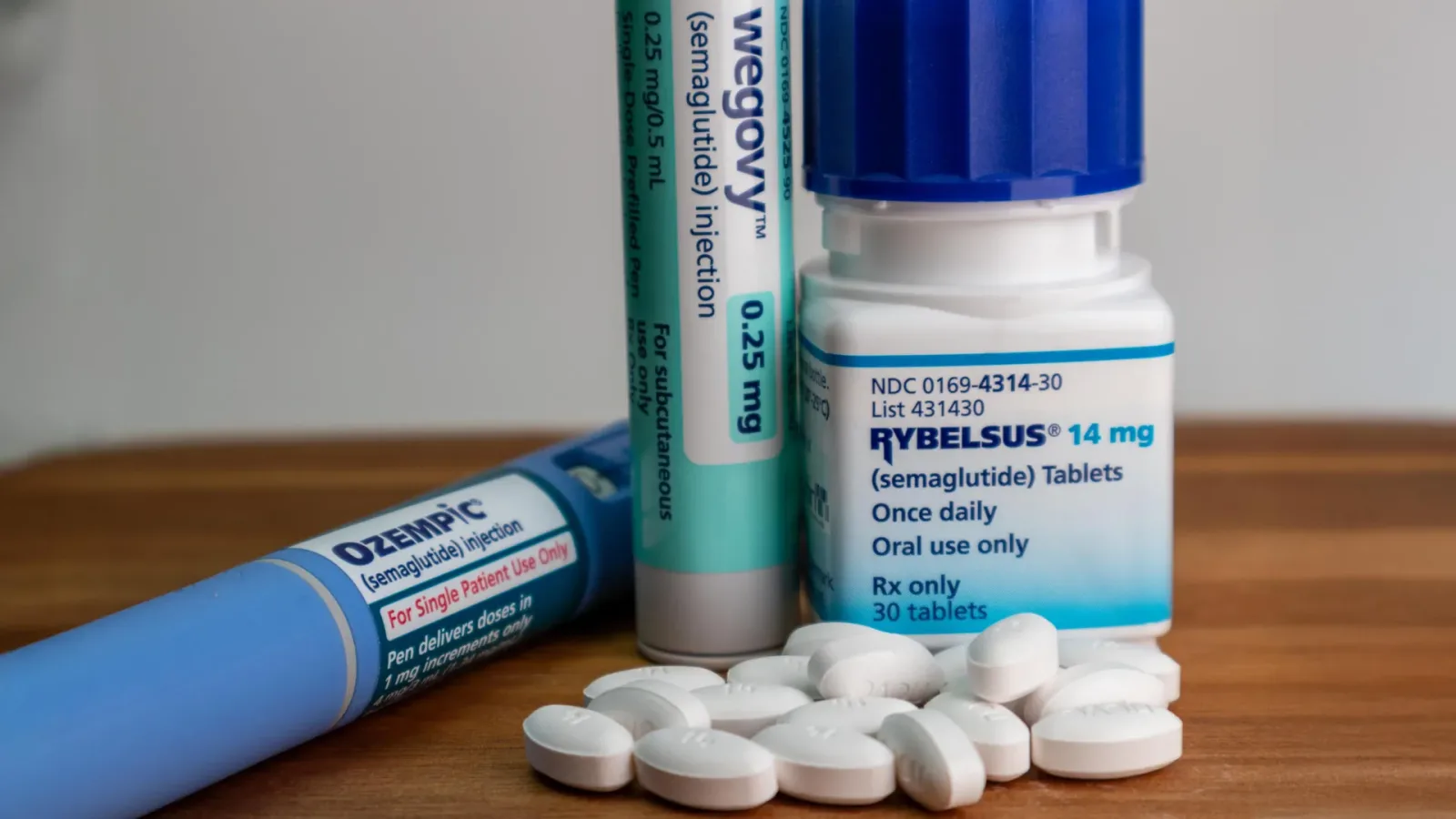
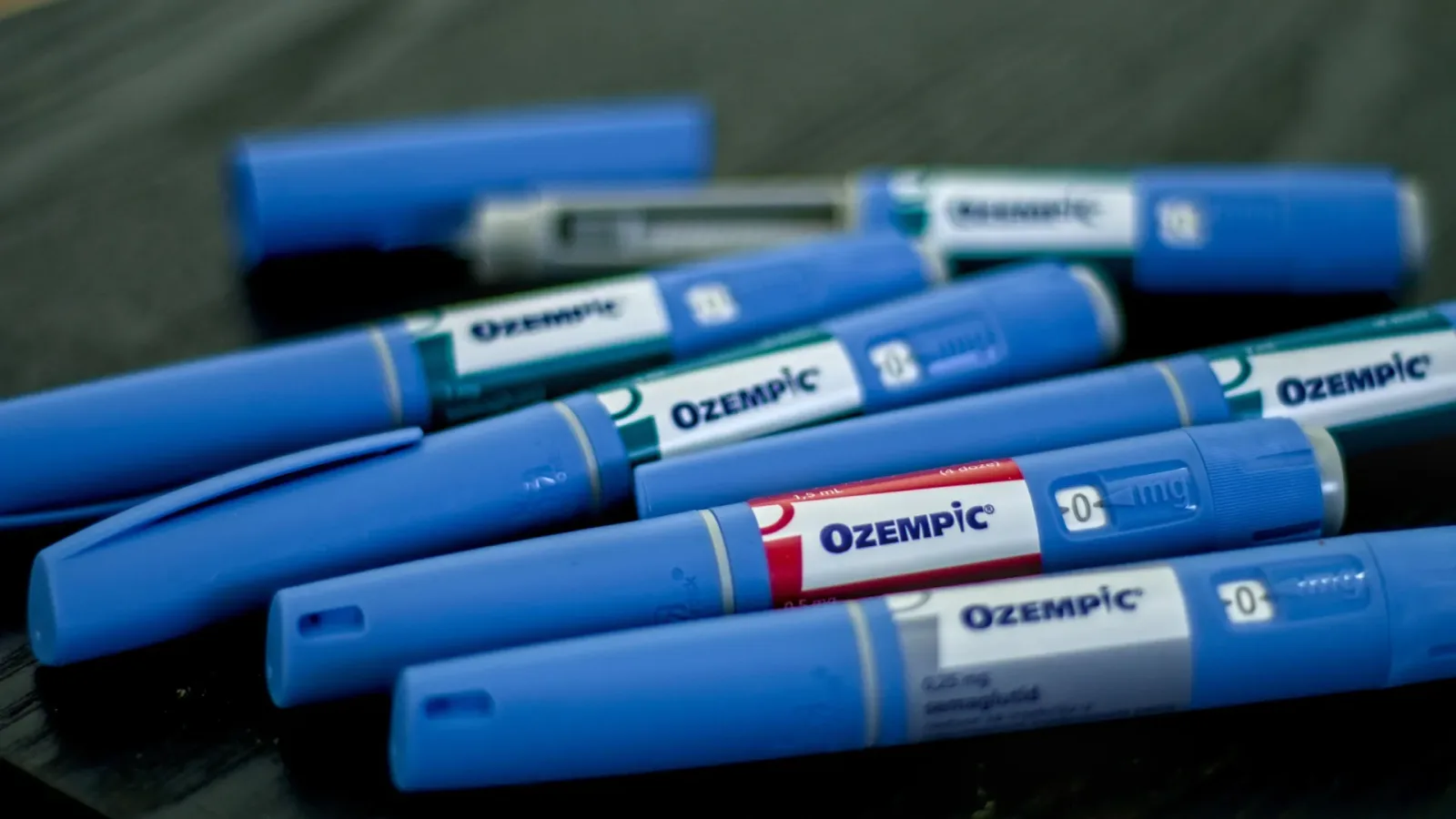
To navigate these options, it is essential to understand the active ingredients. Wegovy and Ozempic contain semaglutide, a GLP-1 receptor agonist. Mounjaro and Zepbound contain tirzepatide, a dual agonist that targets both GLP-1 and GIP receptors. This dual mechanism is believed to offer a synergistic effect, potentially leading to greater weight loss efficacy compared to single-agonist therapies.
Recent market data suggests that Eli Lilly's tirzepatide products are driving significant growth. In the first quarter of the current reporting period, Mounjaro sales surged by 125%, while Zepbound saw an 80% increase. While these are financial metrics, they reflect strong patient adherence and satisfaction. When patients see results, they are more likely to continue therapy, which is crucial for long-term health outcomes.
The Nuance of Oral Formulations
A major shift in the industry has been the move toward oral medications. Historically, GLP-1 therapies were limited to injections, which created a barrier for many patients who dislike needles. Novo Nordisk introduced an oral version of semaglutide, aiming to regain market share from Eli Lilly. However, Eli Lilly has also entered this space with its own oral tirzepatide.
There are clinical nuances to consider here. The oral version of semaglutide is essentially the same drug as the injectable, just with different bioavailability considerations. In contrast, Eli Lilly's oral pill contains a different formulation of the active drug compared to its injections. Early data suggests the oral version may be slightly less effective than the injectable counterpart. For patients concerned about efficacy, the injectable versions of both drugs remain the gold standard for weight reduction.
Global Access and the Impact of Patent Expirations
While the U.S. market dominates headlines, the international landscape tells a different story regarding supply and access. In countries like India, patent protections eventually expire, allowing for the production of lower-cost generics. When Novo Nordisk's Wegovy lost patent protection in India, the market was flooded with cheaper alternatives.
Surprisingly, Eli Lilly reported a 10% growth in Mounjaro sales in the Indian market despite the presence of these cheaper alternatives. This resilience suggests that international patients are willing to seek out the most effective option available, even if it costs more. Morgan Stanley estimates that Eli Lilly now controls slightly over 50% of the international GLP-1 market. This dominance is likely driven by the perceived superior weight-loss results of tirzepatide compared to semaglutide.
Why Market Share Matters for Patients
For a patient, market share often translates to supply stability. When a manufacturer controls a larger portion of the market, they typically have more leverage to scale production and manage supply chain logistics. The fact that Eli Lilly continues to grow internationally indicates robust demand and a strong supply chain, which is reassuring for patients seeking consistent treatment.
Comparing the Leading Options: A Clinical Snapshot
For those considering treatment, understanding the side-by-side comparison of the leading therapies is vital. The following table outlines the key distinctions between the primary active ingredients and their administration methods.
| Feature | Mounjaro / Zepbound (Tirzepatide) | Wegovy / Ozempic (Semaglutide) |
|---|---|---|
| Active Ingredient | Tirzepatide | Semaglutide |
| Receptor Target | GLP-1 and GIP (Dual Agonist) | GLP-1 (Single Agonist) |
| Administration | Subcutaneous Injection (Weekly) | Subcutaneous Injection (Weekly) |
| Oral Option Available | Yes (Different formulation) | Yes (Same drug, different absorption) |
| Market Position | Leading in International Growth | Established Leader in U.S. Market |
Tracking Progress: The Importance of Data During Therapy
Starting a GLP-1 therapy is a significant medical decision, but maintaining progress requires careful monitoring. Whether you are on Mounjaro, Wegovy, or another peptide therapy, tracking your body's response is essential for safety and efficacy.
Precision tracking for your journey
Join thousands using Shotlee to accurately track GLP-1 medications and side effects.
📱 Get the Shotlee App
Track your GLP-1 medications, peptides, and health metrics on the go with our mobile app!
Many patients experience side effects such as nausea, fatigue, or changes in appetite that fluctuate with dose adjustments. Without a structured way to log these symptoms, it can be difficult to identify patterns or communicate effectively with your healthcare provider. This is where health tracking platforms become invaluable. Tools like Shotlee allow patients to monitor their dose changes, track weight trends, and log symptoms over time.
By maintaining a detailed health log, you empower your doctor to make data-driven decisions. For instance, if you notice a correlation between a specific dose increase and persistent gastrointestinal distress, you can share that data immediately. This proactive approach helps optimize the therapy and ensures that the treatment remains safe throughout your journey.
What the Future Holds for GLP-1 Development
While current drugs are effective, the pipeline for obesity treatment is far from stagnant. Eli Lilly has a new GLP-1 drug in development that appears to be even more effective than the current Mounjaro and Zepbound formulations. However, since this drug is not yet on the market, the competition between Novo Nordisk and Eli Lilly on the pill and shot side will remain the main attraction for the foreseeable future.
Investors and analysts continue to debate the long-term potential of these companies. Eli Lilly's valuation is currently around 38x earnings, down from a five-year average of 56x. While this may not interest value investors, it suggests that the market is re-evaluating the company's growth potential. For patients, this means continued investment in research and development, which could lead to better-tolerated and more effective treatments in the coming years.
Key Takeaways for Patients
- Efficacy Matters: Dual agonists like tirzepatide are showing strong results in weight loss compared to single agonists.
- Access is Evolving: International markets are seeing growth in Eli Lilly products, suggesting robust supply chains.
- Oral Options Vary: Oral versions exist, but injectables generally offer higher bioavailability and efficacy.
- Track Your Data: Use tools like Shotlee to monitor symptoms and dose adjustments for better doctor-patient communication.
- Patents Impact Cost: Patent expirations may lower costs for generics, but brand-name drugs often retain market share due to proven efficacy.
Conclusion
The GLP-1 revolution is not just about weight loss; it is about metabolic health and the long-term management of chronic conditions. As Eli Lilly and Novo Nordisk continue to compete, the focus must remain on patient outcomes. Whether through superior efficacy, better accessibility, or improved adherence methods, the goal is to provide the most effective care possible. By understanding the landscape and tracking your progress diligently, you can make informed decisions about your treatment plan.
Frequently Asked Questions
1. Is Mounjaro more effective than Wegovy for weight loss?
Current clinical data suggests that tirzepatide (Mounjaro) may offer greater weight loss efficacy than semaglutide (Wegovy) for some patients due to its dual-agonist mechanism. However, individual responses vary based on metabolism and adherence.
2. Does the oral version of Wegovy work as well as the injection?
The oral version of semaglutide is generally considered slightly less effective than the injectable version due to lower bioavailability. Patients requiring maximum efficacy often prefer the injection.
3. Why is Eli Lilly growing faster in international markets?
Eli Lilly is gaining market share internationally because patients are seeking the most effective weight-loss options available, and Mounjaro's clinical data indicates strong results compared to competitors.
4. How can I track my GLP-1 therapy side effects effectively?
Using a dedicated health tracker like Shotlee allows you to log symptoms alongside dose changes. This creates a clear record for your doctor to adjust your treatment plan safely.
5. Will generic versions of Wegovy affect my prescription costs?
Once patent protections expire in specific regions, generic versions may become available at lower costs. However, brand-name drugs often maintain market share due to established trust and efficacy data.