
The Intersection of Medical Breakthroughs and Cultural Pressure
In 2025, the conversation around weight management has shifted dramatically. According to the KFF Health Tracking Poll, approximately 1 in 8 U.S. adults reported taking a GLP-1 drug, with women showing higher rates of current use than men. Every week, celebrity updates flood social media feeds, often accompanied by breathless captions about sudden, dramatic weight loss. Comments are filled with admiration and inquiries about "the secret" to their transformation.
While the mechanism behind these changes is well understood, the cultural implications are complex. As a medical community and as individuals, we must ask: Is getting thinner the goal for American women again? Or has it always been the goal, only now there is a powerful new tool that makes it feel newly attainable? This article explores the medical realities of GLP-1 medications, the psychological weight of cultural expectations, and how to make decisions grounded in health rather than shame.
The Medical Reality of GLP-1 Medications
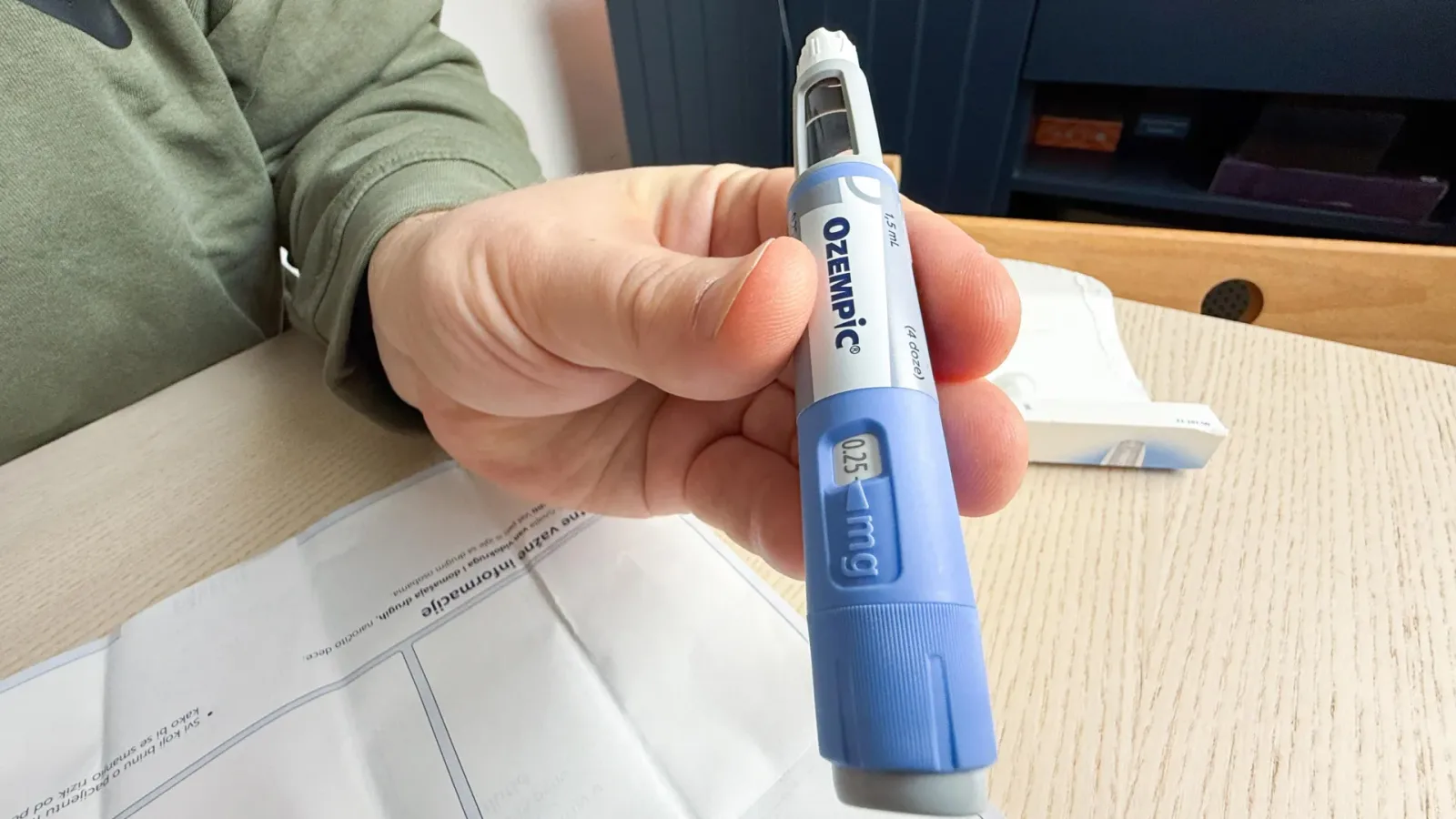
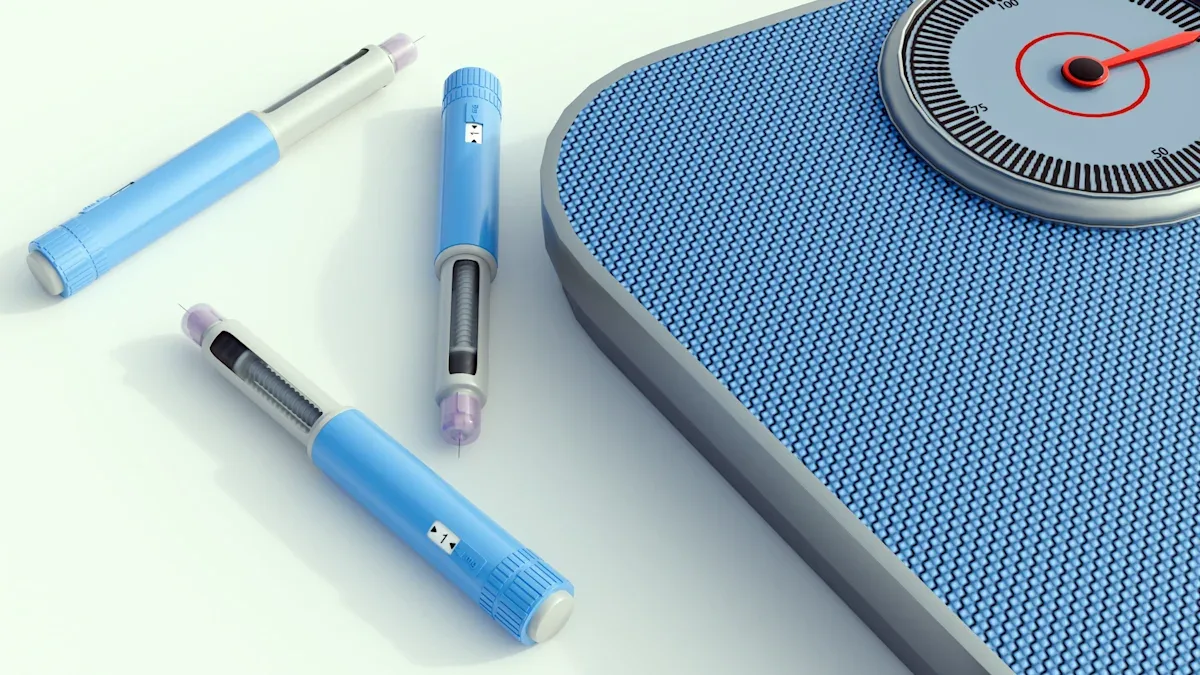
GLP-1 medications, including drugs such as Ozempic, Wegovy, Mounjaro, and Zepbound, are serious medical treatments for many people. Obesity is a chronic condition associated with diabetes, heart disease, stroke, and other significant health risks. The Centers for Disease Control and Prevention reported that 40.3% of U.S. adults had obesity during August 2021 through August 2023.
These medications work by reducing appetite, improving blood sugar, and, for some patients, changing the trajectory of their health. In 2024, the Food and Drug Administration approved Wegovy to reduce the risk of serious cardiovascular events in adults with cardiovascular disease and obesity or overweight, alongside diet and physical activity. For people who have struggled for years with weight, stigma, food noise, and metabolic illness, the moralizing tone around these drugs can be cruel.
It is crucial to recognize that these drugs are not merely cosmetic aids. They address physiological mechanisms that have often been misunderstood or stigmatized. However, the entry of these drugs into the public consciousness coincides with a culture that already has a complicated relationship with women's bodies.
Key Statistics on Obesity and Medication Use
| Metric | Statistic | Source / Year |
|---|---|---|
| Adult Obesity Rate | 40.3% | CDC (Aug 2021 – Aug 2023) |
| GLP-1 Drug Usage | 1 in 8 U.S. Adults | KFF Health Tracking Poll (2025) |
| FDA Approval Scope | Cardiovascular Risk Reduction | FDA (2024, Wegovy) |
How Cultural Pressure Shapes Weight Loss Decisions
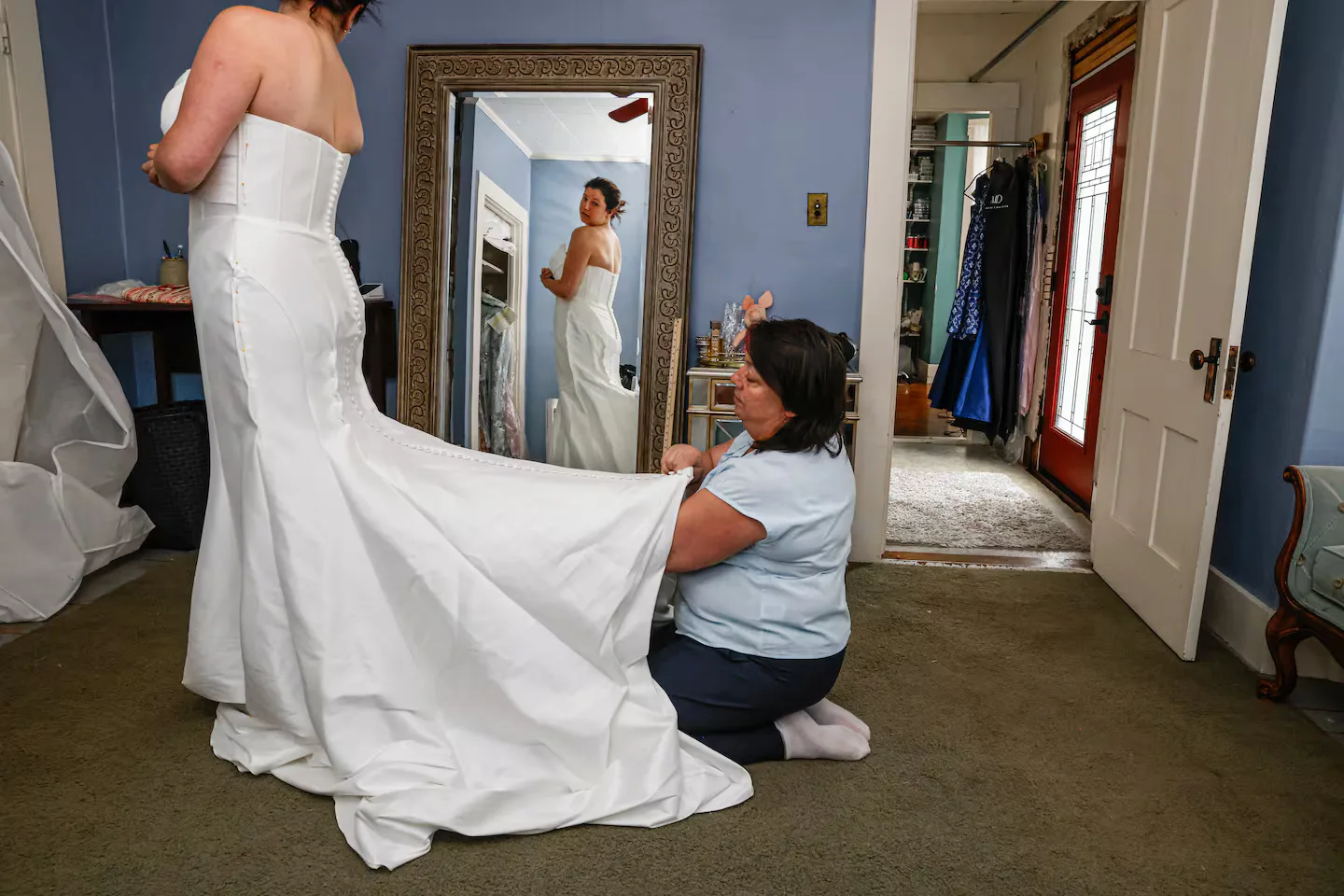
These drugs are entering American life at a very particular cultural moment. They are arriving in a country where women have long been taught to monitor themselves from the outside in. Questions like "How do I look?", "Do I look older?", and "Do I look disciplined?" are constant companions for many. We used to absorb those messages from magazines at the grocery store checkout. Now they arrive through Instagram, TikTok, celebrity feeds, and before-and-after photos that appear between pictures of our grandchildren, our friends' vacations, and the latest political outrage.
The technology has changed, but the pressure has become more intimate and more constant. Research summarized by the American Psychological Association found that reducing social media use can improve how teens and young adults feel about their weight and appearance.
Wanting to lose weight does not automatically mean a woman hates her body. Wanting to be healthy can be an act of self-respect, and the desire to feel attractive is part of being human in today's world. The danger begins when caring about our bodies quietly turns into obeying a culture that has always rewarded women for taking up less space. A medical breakthrough has entered a culture already organized around comparison. And once comparison takes over, private decisions start to feel competitive.
The Trap of Enhancement Culture
This conversation reminds us of another from years ago, when many students seemed to be taking Adderall or other stimulants. The whispered logic was familiar: Everyone is doing it. They can focus longer. They can study harder. They can get better grades. My children were strong students, deeply engaged in their own passions. I had an aversion then, as I do now, to giving or taking drugs that are not medically needed simply to compete in an already distorted system. But I remember wondering, as parents sometimes do in the dark hours: Am I protecting them, or disadvantaging them?
Precision tracking for your journey
Join thousands using Shotlee to accurately track GLP-1 medications and side effects.
📱 Get the Shotlee App
Track your GLP-1 medications, peptides, and health metrics on the go with our mobile app!
That question returns now in a different form. If other women can become thinner, faster, with medical help, am I foolish not to join them? If thinness still brings compliments, opportunity, admiration, and perceived self-control, is refusing the drug a principled choice ‒ or just another way to fall behind? This is the emotional trap of enhancement culture. It turns personal decisions into status decisions. It takes a medical tool and places it inside a ranking system.
A 2016 study led by Amelia M. Arria and colleagues found that college students who used prescription stimulants nonmedically did not show GPA increases or detectable academic advantages over peers. Similarly, using GLP-1s to "keep up" rather than to treat a medical condition can lead to unnecessary exposure to side effects and financial burden without the intended health benefits.
A Framework for Making Informed Choices
For parents, grandparents, teachers, and anyone who cares about young people, there is another question: What are we modeling? I ask because the next generation is watching. They hear how we talk about our bodies. They notice whether every compliment is about thinness. They absorb whether achievement is treated as character, chemistry, or both. They learn what counts as "enough" by watching whether we ever allow ourselves to be enough.
Before starting a GLP-1, it may be more important to investigate what feelings are driving the desire to decide. Is it frustration with yourself and your body, disappointment over another abandoned diet, shame, fear, or exhaustion? Naming the emotions and dealing with those feelings with honesty matters because rumination often keeps us stuck.
This is where health tracking tools can be invaluable. For patients using Shotlee, logging symptoms and mood alongside medication changes provides a clearer picture of whether the treatment supports overall well-being. Tracking weight is important, but tracking energy levels, sleep quality, and emotional state is equally critical when evaluating the impact of semaglutide or tirzepatide.
Questions to Ask Yourself
- Am I making this choice from care or self-contempt?
- Am I choosing health or humiliation?
- Am I treating my body as a partner in my life, or as a project that must be fixed?
- Would I still want this medication if no one else was taking it?
- Does this choice align with my long-term health goals or short-term cultural expectations?
Redefining Health Beyond the Scale
Medical advances can be liberating. A culture obsessed with thinness and performance can turn even liberating tools into new forms of pressure. We need room for both truths. We also need a wider definition of health. Health includes blood sugar and blood pressure, yes. It includes strength, mobility, sleep, nutrition, and medical care. But it also includes dignity. It includes freedom from constant self-surveillance. It includes the ability to inhabit a changing body without feeling that aging itself is a failure.
A woman should be able to take a GLP-1 without being judged as vain. A woman should be able to decline one without being judged as undisciplined, outdated, or unserious about her health. Health care should expand our agency, not narrow our idea of what a successful body or mind must look like.
So no, I do not think I should feel guilty for wanting to look good for my husband. Desire is human. Aging is vulnerable. Wanting to feel attractive is not a moral failure. Maybe the most radical thing right now is to pause before we swallow the story that smaller is always better, that faster is always wiser, and that every human struggle should be optimized away.
Practical Takeaways for Patients
- Identify Motivation: Distinguish between medical necessity and social pressure.
- Track Holistically: Use tools like Shotlee to monitor mood, energy, and physical symptoms, not just weight.
- Limit Comparison: Reduce exposure to social media content that triggers body image anxiety.
- Consult Professionals: Discuss risks and benefits with a doctor who understands both the metabolic and psychological aspects of care.
- Define Success: Set health goals based on your own well-being, not on external validation.
Conclusion
I decided not to take the drugs. For now. The question is larger than what these drugs can do to our bodies. It is what this moment is revealing about our hunger ‒ for health, for approval, for control, for relief, for love ‒ and whether we can meet that hunger with something more honest than shame. By focusing on dignity and freedom, we can ensure that medical advancements serve us, rather than becoming new chains in the history of body scrutiny.