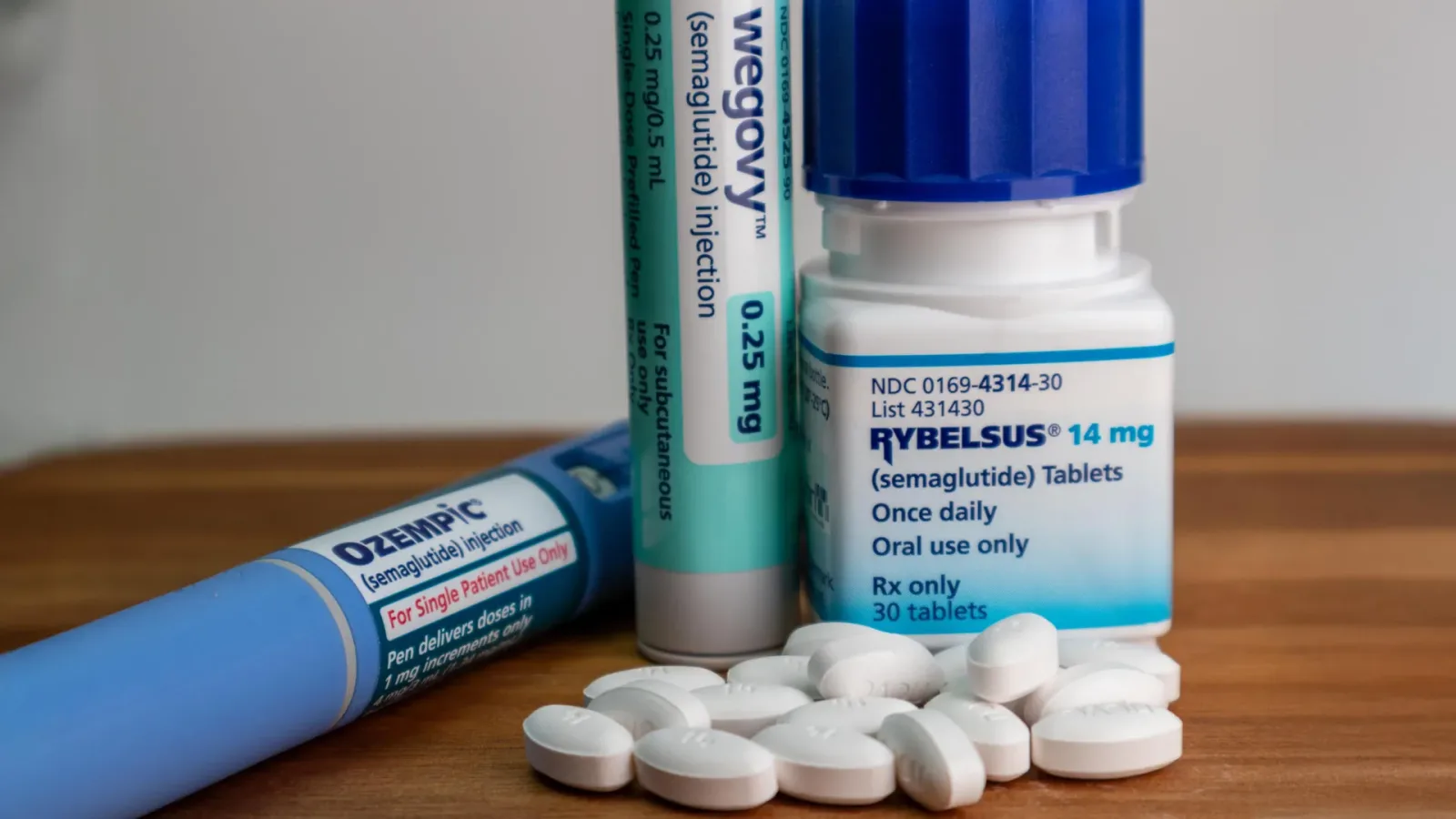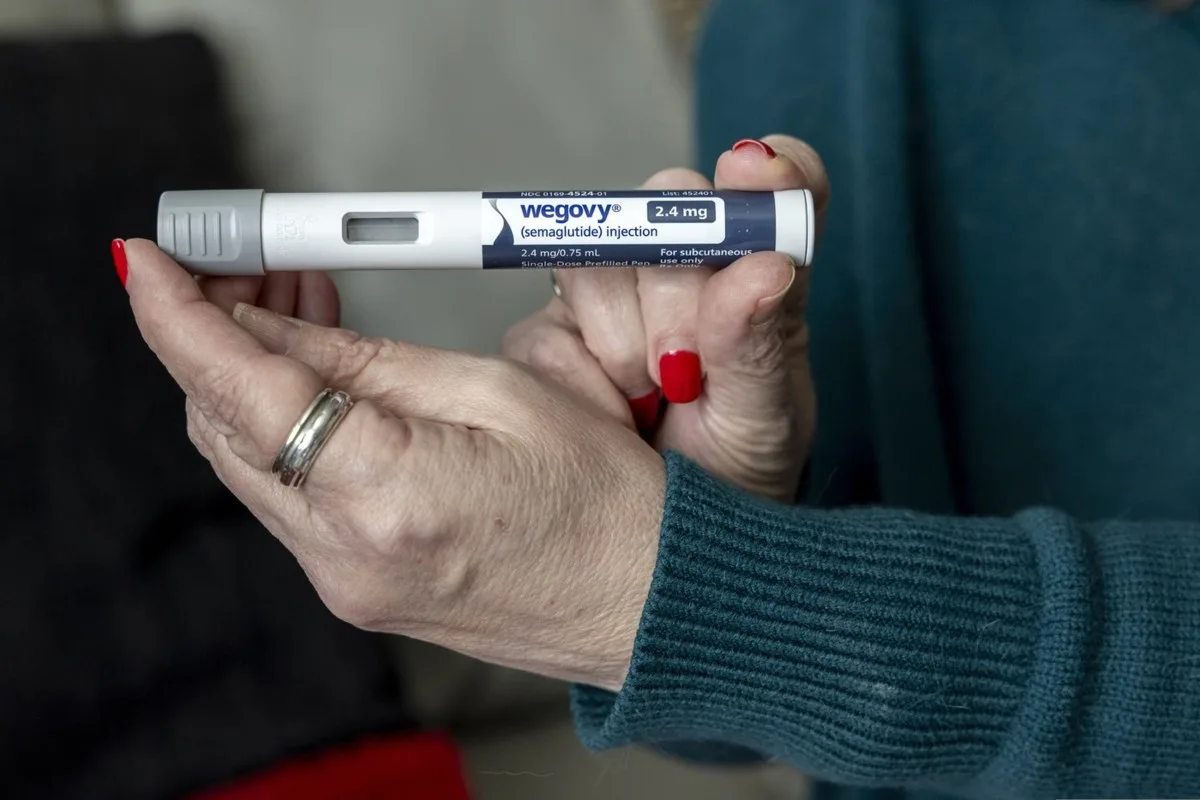

The revolutionary GLP-1 receptor agonists, celebrated for their profound impact on weight management and diabetes control, have rapidly become household names. Medications like Ozempic, Wegovy, Mounjaro, and Zepbound are transforming lives by effectively suppressing appetite and promoting significant weight loss. However, this widespread success has cast a shadow, as healthcare professionals observe a disturbing trend: individuals struggling with eating disorders are increasingly seeking out and using these powerful medications, often with alarming consequences.
The Allure and Accessibility of GLP-1s
For individuals battling eating disorders, the promise of rapid weight loss and appetite suppression offered by GLP-1s can be incredibly seductive. The medications work by mimicking the action of a natural hormone, slowing digestion, increasing feelings of fullness, and reducing hunger signals to the brain. This direct impact on appetite can be a powerful draw for those who have long struggled with food restriction, bingeing, or purging.
Compounding the issue is the ease with which these medications can be accessed. While prescriptions are intended for individuals with specific medical conditions like obesity or type 2 diabetes, a significant number are obtaining them through less conventional channels. Online pharmacies and telehealth platforms, often with less stringent screening processes, have become a gateway for those seeking quick access. In some cases, individuals have admitted to misrepresenting their weight or health status to secure prescriptions. For example, one individual, diagnosed with anorexia at 17, sought Wegovy pills online, falsely reporting her weight and feigning a lack of energy to obtain the medication, driven by a desire to be smaller.
This easy access, coupled with aggressive marketing that often highlights weight loss benefits without fully disclosing the risks to vulnerable populations, creates a perfect storm. The medications are frequently promoted as a simple solution, downplaying the complex psychological and physiological impacts they can have, particularly on individuals with a history of disordered eating.
The Alarming Impact on Eating Disorder Recovery
Clinicians on the front lines of eating disorder treatment are reporting a significant increase in patients who are either using GLP-1s or have developed eating disorder symptoms while on these medications. Rebecka Peebles, who oversees clinical intake for Monte Nido, a national eating disorder treatment provider, notes that a substantial portion of their new patients report using GLP-1s, not for their intended medical purposes, but for weight loss.
The core of eating disorder treatment often involves helping patients reconnect with and trust their natural hunger cues. GLP-1 medications directly interfere with this process by suppressing these very signals. As Wendy Oliver Pyatt, co-founder of Within Health and Galen Hope, starkly puts it, "These medications do the same things that actual anorexia does." This interference can undermine years of therapeutic work, potentially leading to relapse or the development of new, dangerous eating patterns.
A perspective article published in the New England Journal of Medicine highlighted the potential risks, estimating that over 420,000 individuals using GLP-1s long-term could develop an eating disorder. This represents a concerning fraction of the millions of Americans currently taking these drugs.
Case Studies Illustrating the Dangers
The risks are not merely theoretical. Studies and anecdotal reports paint a vivid picture of the potential harm:
- Researchers documented patients severely restricting their caloric intake, with one limiting food to just 400 calories a day, another to 300-350 calories, and a third to 400-600 calories daily.
- One patient, after starting a GLP-1, embarked on a liquid diet of water and Diet Coke, abstaining from food for 13 days and losing 21 pounds in less than two weeks. She described a long-term plan of "fasting for six days and eating one time a week."
- AJ Jasper, who has struggled with anorexia for decades, relapsed after obtaining GLP-1s from various apps without medical supervision. He used multiple drugs simultaneously, losing 50 pounds in three to four months. This led to triple organ failure (kidneys, liver, and heart) and a subsequent need for a feeding tube. He now strongly advises anyone with an eating disorder to "stay far away from these medications."
Challenges in Screening and Regulation
Despite recommendations from medical societies to routinely screen for eating disorders when prescribing GLP-1s, these practices are not consistently implemented. Some professional organizations, like the American Academy of Family Physicians, have not adopted such screening recommendations, viewing the drugs as just one tool among many for physicians to consider.
Precision tracking for your journey
Join thousands using Shotlee to accurately track GLP-1 medications and side effects.
📱 Get the Shotlee App
Track your GLP-1 medications, peptides, and health metrics on the go with our mobile app!
The regulatory landscape also presents challenges. The Food and Drug Administration (FDA) labels for these medications do not currently list eating disorders as a known side effect. While the FDA states it monitors post-market safety, its specific concerns or ongoing examinations regarding the impact of GLP-1s on individuals with eating disorders remain unclear.
Manufacturers like Novo Nordisk (maker of Ozempic and Wegovy) and Eli Lilly (maker of Zepbound) emphasize that healthcare professionals should evaluate individual patient histories and risk factors. Novo Nordisk stated, "We trust that health care professionals...are appropriately evaluating the patient's medical history, individual risk factors, and that they determine the most appropriate clinical course." Eli Lilly acknowledged that they are "working closely with regulators regarding potential safety topics, and we will continue to review data, including any data regarding eating disorders."
The Psychological and Social Toll
Beyond the physiological risks, the use of GLP-1s by individuals with eating disorders can have profound psychological and social consequences. The medications can exacerbate body image issues and the societal pressure to be thin. Rebecca Boswell, director of the Princeton Center for Eating Disorders, recounted an unnerving experience where a group of eighth-graders spontaneously sang the Ozempic advertising jingle, highlighting how pervasive the messaging has become, even among young adolescents.
For individuals like Shirley D., a 62-year-old Navy veteran diagnosed with binge eating disorder, the allure of GLP-1s, even after years of recovery, proved strong. While Zepbound improved her diabetes markers, it also triggered a return to food restriction, a behavior that worries her doctors. She now consumes a very limited diet, concerned about long-term malnutrition. Socially, she finds herself withdrawing from friends who want to go out to eat, as the act of eating has become a source of anxiety and shame again.
Stevee Williams, who has a history of anorexia, found herself taking Wegovy pills, admitting, "In reality, I just wanted to be smaller." While she eventually decided to quit, fearing she was becoming addicted, she recognized the powerful hold these medications can have. She now moderates a Facebook group for people recovering from eating disorders, where GLP-1s are a frequent, and often deleted, topic.
| Potential Risk/Concern | Explanation | Example Scenario |
|---|---|---|
| Suppression of Hunger Cues | Interferes with the ability to recognize and respond to natural hunger signals, a critical component of eating disorder recovery. | A patient may not feel hungry for days, leading to severe caloric restriction and malnutrition. |
| Exacerbation of Disordered Eating Behaviors | Can trigger or worsen restrictive eating, bingeing, or purging patterns. | An individual with a history of anorexia may return to severe restriction due to the medication's appetite-suppressing effects. |
| Psychological Dependence | The feeling of control over appetite can become addictive, similar to other weight-loss fads. | A patient may become reliant on the medication for any perceived success in weight management, fearing cessation. |
| Physical Health Complications | Severe restriction or nutritional deficiencies can lead to serious health issues, including organ failure. | AJ Jasper experienced triple organ failure after misusing GLP-1s. |
| Social Isolation | Reduced desire to eat or engage in social activities involving food can lead to withdrawal from friends and family. | Shirley D. avoids social outings due to discomfort with eating in public. |
| Lack of FDA-Approved Indication | Eating disorders are not listed as approved conditions for GLP-1 prescription. | Using these drugs off-label for eating disorder management carries unknown risks and may not be covered by insurance. |
Practical Takeaways for Patients and Providers
The widespread availability and potent effects of GLP-1 medications necessitate a cautious and informed approach, especially for individuals with a history of or predisposition to eating disorders. For patients, this means:
- Honesty with Healthcare Providers: Disclose any history of eating disorders or disordered eating patterns to your doctor before considering or starting GLP-1 medications.
- Seek Professional Guidance: Consult with specialists in eating disorder treatment, who can offer tailored advice and support.
- Prioritize Holistic Health: Focus on balanced nutrition, mental well-being, and healthy coping mechanisms rather than solely on weight loss.
- Utilize Health Tracking Tools: Tools like Shotlee can help monitor food intake, mood, and other health metrics, providing valuable data for discussions with healthcare providers and helping to identify potential red flags early on.
For healthcare providers, it underscores the importance of:
- Thorough Screening: Implement routine screening for eating disorders in all patients considering or using GLP-1 medications.
- Informed Consent: Clearly communicate the potential risks, especially concerning appetite suppression and psychological effects, to patients with a history of disordered eating.
- Multidisciplinary Care: Collaborate with mental health professionals and registered dietitians to ensure comprehensive patient care.
Conclusion
GLP-1 medications represent a significant advancement in metabolic health, but their powerful effects demand careful consideration. The growing trend of their use by individuals with eating disorders is a serious concern that requires greater awareness, robust screening protocols, and open dialogue between patients, healthcare providers, and regulatory bodies. While these drugs can offer benefits for specific medical conditions, they are not a substitute for comprehensive eating disorder treatment and may, in fact, pose a significant risk to those in recovery or vulnerable to developing these complex conditions. The pursuit of a smaller body should never come at the cost of one's mental and physical health.