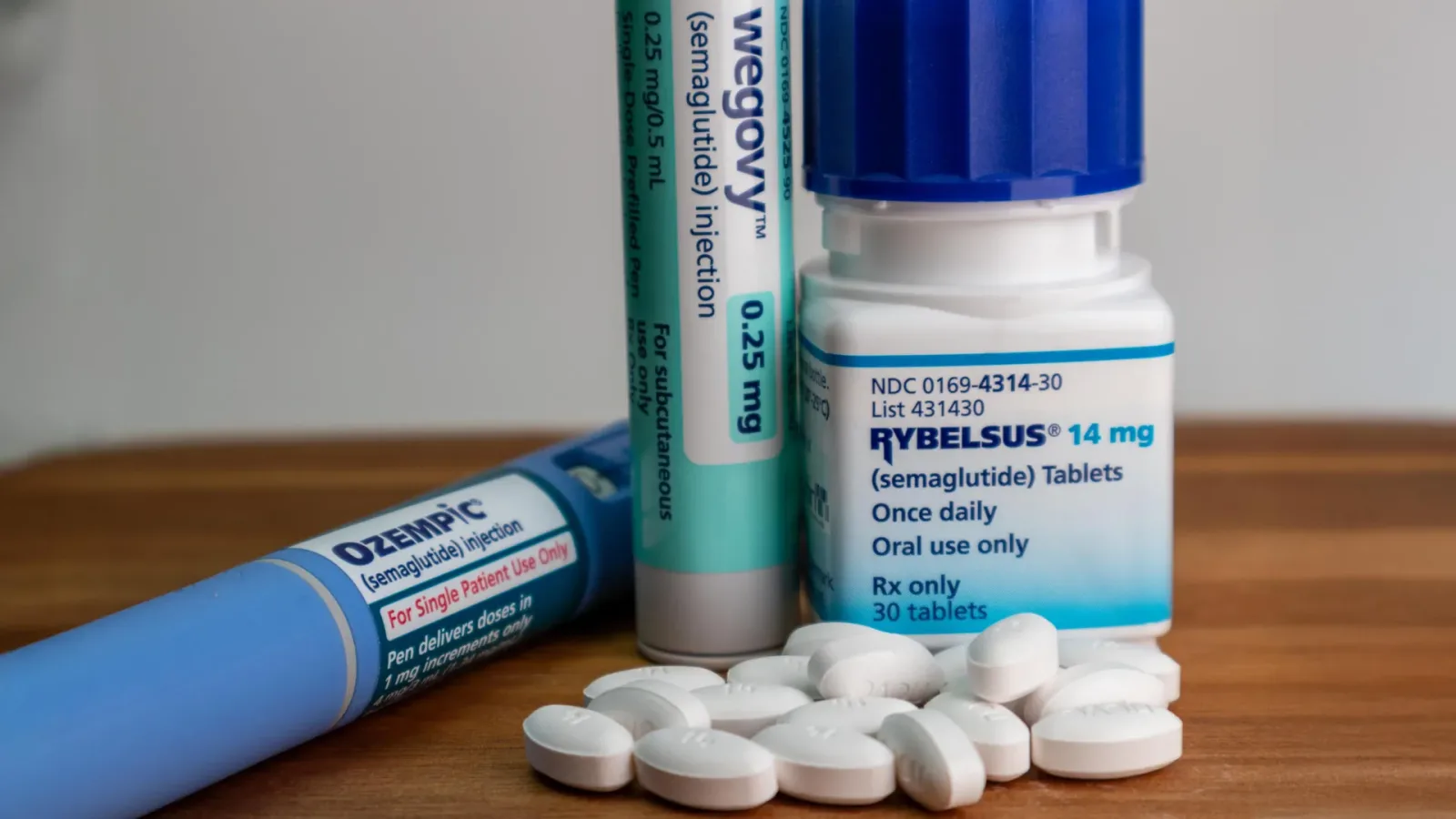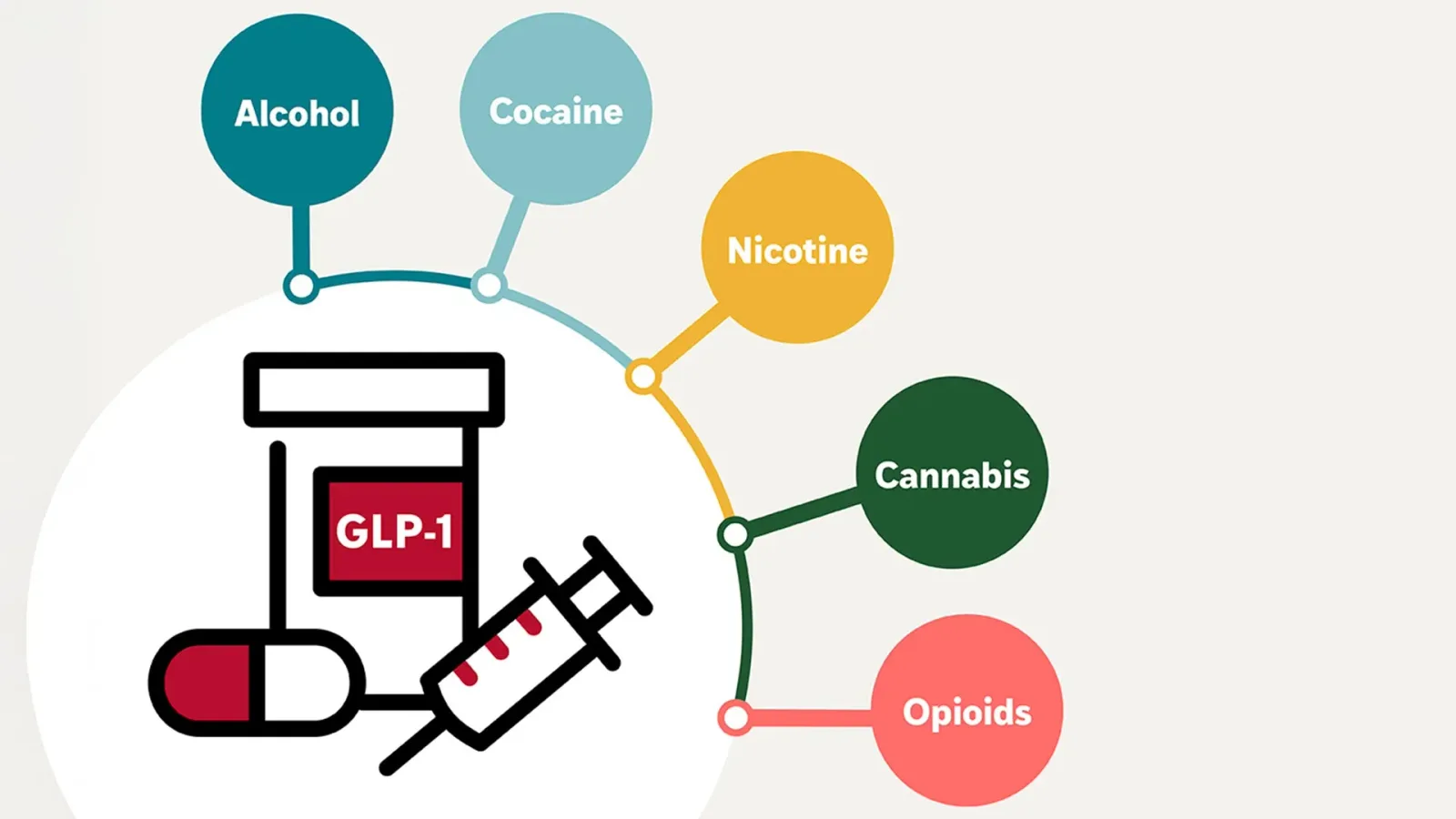

Popular GLP-1 medications, widely recognized for their transformative impact on type 2 diabetes and obesity management, are now showing promising potential in a new area: addiction treatment. Drugs such as Ozempic, Wegovy, Mounjaro, and Zepbound, known for their effectiveness in weight loss, are being studied for their surprising ability to help prevent and treat addiction across a broad spectrum of substances.
Recent research from the Washington University School of Medicine in St. Louis indicates that GLP-1 medications are associated with a lower incidence of developing substance use disorders. This includes dependencies on alcohol, nicotine, cannabis, cocaine, opioids, and other drugs. Furthermore, the study suggests these medications may lead to fewer overdoses, hospitalizations, and drug-related fatalities among individuals already managing addiction.
The Evolving Role of GLP-1 Receptor Agonists
Originally developed to manage type 2 diabetes, GLP-1 receptor agonists have surged in popularity due to their remarkable efficacy in promoting weight loss. During their widespread use, healthcare providers and patients began observing unexpected behavioral changes. Many individuals reported a diminished interest in alcohol and cigarettes after commencing treatment with these medications.
This anecdotal evidence was supported by earlier observational studies that identified links between GLP-1 therapy and reduced risks of alcohol and cannabis use disorders, as well as fewer opioid overdoses and alcohol-related hospitalizations. However, most prior research focused on the impact of GLP-1s on individual substances. The latest study aimed to ascertain whether these effects extended across multiple forms of addiction and if the drugs could mitigate the most severe consequences associated with substance use disorders.
Comprehensive Study on Veterans' Health Records
To address these questions, a research team meticulously analyzed the electronic health records of 606,434 U.S. veterans diagnosed with type 2 diabetes. This extensive dataset allowed for a robust examination of the relationship between GLP-1 medication use and substance use disorders.
Study Design and Participant Groups
The study participants were strategically divided into two primary groups:
- Group 1: Individuals without a diagnosed substance use disorder at the study's commencement. This group was observed to determine the preventative effects of GLP-1 medications.
- Group 2: Individuals already living with a diagnosed substance use disorder. This group was assessed to understand the impact of GLP-1 medications on managing existing addiction and its severe complications.
Researchers reviewed up to three years of health records for participants who were prescribed either a GLP-1 receptor agonist (commonly semaglutide, liraglutide, or dulaglutide) or an SGLT2 inhibitor, another class of diabetes medication used as a comparator.
Key Findings: Reduced Risk of Developing Addiction
Among the 524,817 participants who did not have a substance use disorder at the outset of the study, those who took GLP-1 medications demonstrated a significantly lower likelihood of developing one over the observation period. The findings revealed:
| Substance Use Disorder Type | Risk Reduction with GLP-1 Use |
|---|---|
| Any Substance Use Disorder | 14% lower risk |
| Alcohol Use Disorder | 18% lower risk |
| Cannabis Use Disorder | 14% lower risk |
| Cocaine Use Disorder | 20% lower risk |
| Nicotine Use Disorder | 20% lower risk |
| Opioid Use Disorder | 25% lower risk |
The researchers estimated that this translates to approximately seven fewer new diagnoses of substance use disorders per 1,000 individuals using GLP-1 medications. This suggests a broad protective effect across various addictive substances.
Impact on Overdoses and Drug-Related Mortality
The study also provided crucial insights into the outcomes for the 81,617 participants who already had a diagnosed substance use disorder. In this cohort, GLP-1 use was associated with a marked reduction in addiction-related emergencies and severe health consequences. Over a three-year period, participants taking GLP-1 drugs experienced:
- A 30% reduction in emergency department visits related to addiction.
- A 25% reduction in hospitalizations stemming from substance use disorders.
- A significant 40% reduction in overdoses.
- A substantial 50% reduction in drug-related deaths.
Collectively, these findings indicate that GLP-1 use was associated with approximately 12 fewer serious addiction-related events per 1,000 users. This highlights the potential of these medications not only in preventing addiction but also in improving outcomes for those already struggling.
Precision tracking for your journey
Join thousands using Shotlee to accurately track GLP-1 medications and side effects.
📱 Get the Shotlee App
Track your GLP-1 medications, peptides, and health metrics on the go with our mobile app!
Targeting the Biology of Craving
Dr. Ziyad Al-Aly, the senior author of the study and a clinical epidemiologist at Washington University School of Medicine, emphasized the unique nature of these findings. "In addiction medicine, a lot of treatments target just one thing... but there is no medication that works across addictive substances, let alone all of them," he stated.
The revelation with GLP-1 medications, according to Dr. Al-Aly, is their apparent efficacy across a wide range of substances. He posits that this effect is not due to specific actions against individual drugs but rather a more fundamental mechanism: blunting the craving itself. "It blunts that craving that pulls people toward whatever they're addicted to."
Shared Biological Pathways
The research was partly inspired by patient reports of altered behaviors and desires after starting GLP-1 treatment, alongside existing scientific evidence. Researchers know that GLP-1 receptors are present in brain regions critical for reward processing. This anatomical distribution supports the hypothesis that these drugs could influence the powerful cravings that drive addictive behaviors.
The findings suggest that GLP-1 medications might act on a shared biological pathway common to multiple forms of addiction. Instead of targeting a specific substance, the drugs could be modulating the underlying impulse or craving. This is particularly significant given that some highly addictive substances, such as methamphetamine, currently lack approved medication treatments.
A Potential Paradigm Shift in Addiction Treatment
With millions of Americans already using GLP-1 medications for diabetes and weight management, the potential public health implications of these findings are immense. If future clinical trials confirm these results, GLP-1 drugs could represent a novel and broadly applicable approach to addiction treatment.
The researchers advocate for further clinical trials specifically designed to evaluate GLP-1 drugs as addiction therapies. Such studies would be crucial for quantifying their effects on overdose rates and drug-related mortality.
Dr. Al-Aly draws a parallel between the experience of patients using GLP-1s for weight loss and the potential for addiction treatment. "People taking these drugs for obesity often describe a quieting of 'food noise,' the persistent preoccupation with food that drives overeating," he noted. "What our study suggests is something broader: GLP-1 drugs may also quiet what I call 'drug noise,' the relentless craving that drives addiction across substances."
This cross-substance effect points towards a common biological mechanism underlying addiction. It opens the door to a fundamentally different treatment strategy: one that targets this shared biological signal and craving, rather than addressing each addiction in isolation. As Dr. Al-Aly eloquently puts it, GLP-1s may be "quieting the roar of addiction" by moving beyond just managing food noise to addressing drug noise as well.
The research was supported by the U.S. Department of Veterans Affairs. The study authors confirmed that the funding body had no involvement in the study's design, data collection, analysis, interpretation, manuscript preparation, or publication decisions. They also clarified that the findings do not necessarily reflect the official views of the Department of Veterans Affairs or the U.S. government.
For individuals managing chronic conditions and exploring treatment options, understanding the multifaceted benefits of medications like Ozempic, Wegovy, Mounjaro, and Zepbound is crucial. Tools like Shotlee can be invaluable in tracking medication adherence, monitoring symptoms, and logging any changes in cravings or overall well-being, providing a comprehensive picture of one's health journey.
Practical Takeaways
- Broad Applicability: GLP-1 medications show promise in reducing the risk of addiction to a wide range of substances, not just one.
- Reduced Overdose Risk: For individuals with existing substance use disorders, these drugs may significantly lower the likelihood of overdoses and related deaths.
- Targeting Craving: The mechanism appears to involve dampening the underlying craving, a common factor across different addictions.
- Dual Benefit: GLP-1s offer the potential to treat both metabolic conditions (like diabetes and obesity) and substance use disorders concurrently.
- Future Research: Further clinical trials are needed to confirm these findings and establish GLP-1s as a formal treatment for addiction.
Conclusion
The emerging research on GLP-1 receptor agonists presents a compelling case for their expanded therapeutic potential. Beyond their established roles in diabetes and weight management, these medications may offer a novel, broad-spectrum approach to mitigating the devastating impact of addiction. While more research is essential, the current findings suggest a significant step forward in understanding and treating the complex biology of craving and substance use disorders, offering hope for millions worldwide.