
A New Perspective on Weight-Loss Medications
For millions of individuals managing type 2 diabetes or obesity, medications like Ozempic, Wegovy, Mounjaro, and Zepbound have become staples in their health routines. While their primary reputation rests on managing blood sugar and facilitating weight loss, emerging research suggests these drugs may offer a secondary, potentially life-saving benefit. A significant new study published in JCO Oncology Practice and presented at the 2026 American Society of Clinical Oncology (ASCO) Annual Meeting indicates that women taking GLP-1 medications may face a substantially lower risk of developing breast cancer.
The findings are compelling, yet they require careful interpretation. This data does not suggest that these drugs are a guaranteed shield against cancer, but rather that there is a strong statistical association worth investigating further. As the medical community digests these results, patients and providers alike must weigh the potential benefits against the current limitations of the evidence.
Understanding the Study: A Look at the Data
The research team, led by Elizabeth McDonald, MD, PhD, a professor of Radiology at the University of Pennsylvania Perelman School of Medicine, conducted a comprehensive review of electronic health records. The scope of the study was extensive, covering 111,646 women aged between 45 and 80 who underwent breast imaging within the Penn Medicine health system between January 2022 and June 2025.
All participants had a body mass index (BMI) of 25 or higher, placing them in the overweight or obese category, which are known risk factors for breast cancer. Within this large cohort, 15,264 women (13.7 percent) had documented prescriptions for GLP-1 medications, while the remaining 96,382 women (86.3 percent) had no documented exposure to the drugs.
To ensure the data was robust, researchers employed a matched cohort analysis. They paired each GLP-1 user with a nonuser who shared similar characteristics, including age, race, ethnicity, BMI, breast density, and diabetes status. This method helps reduce bias and accounts for potential confounding factors that might skew results.
The results were consistent across both analytical approaches:
- Full Study Population: Women taking GLP-1 medications had 35.1 percent lower odds of developing breast cancer.
- Matched Cohort: In the more controlled analysis, they had 30.5 percent lower odds.
While the difference is statistically significant, the study authors emphasize that this is an observational finding. It shows correlation, not causation, meaning other factors related to lifestyle or genetics could also play a role in these outcomes.
Why Might These Drugs Influence Cancer Risk?
The biological link between GLP-1 medications and cancer risk reduction is multifaceted. Scientists have long recognized that maintaining a healthy weight is a critical component of breast cancer prevention. Excess weight, particularly after menopause, is a well-established risk factor due to the way fat tissue produces estrogen and other hormones that can fuel cancer growth.
However, the researchers suspect that weight loss alone does not explain the entire benefit. Several other biological mechanisms are likely at play:
Chronic Inflammation
Chronic low-grade inflammation has been increasingly linked to the development of various cancers, including breast cancer. GLP-1 drugs are known to reduce inflammation through several different pathways in the body, potentially creating an environment less conducive to tumor development.
Metabolic and Epigenetic Effects
These medications influence metabolism in ways that go beyond simple calorie reduction. They affect insulin levels and can influence epigenetic processes that help regulate gene activity. By altering how genes are expressed, particularly those involved in cell growth and division, GLP-1 agonists may help suppress the development of breast cancer cells.
Current Breast Cancer Prevention Options
Before considering the potential role of GLP-1 medications in prevention, it is important to understand the current landscape of breast cancer risk reduction. Options for high-risk individuals remain relatively limited, which makes any new, accessible avenue of prevention highly valuable.
Surgical and Pharmacological Interventions
For those with inherited genetic mutations, such as BRCA1 or BRCA2, preventive surgery including prophylactic mastectomy is an option. Additionally, the drug Tamoxifen can substantially reduce breast cancer incidence in high-risk patients. However, many eligible women do not take Tamoxifen due to concerns about side effects, such as blood clots or uterine cancer.
Precision tracking for your journey
Join thousands using Shotlee to accurately track GLP-1 medications and side effects.
📱 Get the Shotlee App
Track your GLP-1 medications, peptides, and health metrics on the go with our mobile app!
The Appeal of GLP-1s
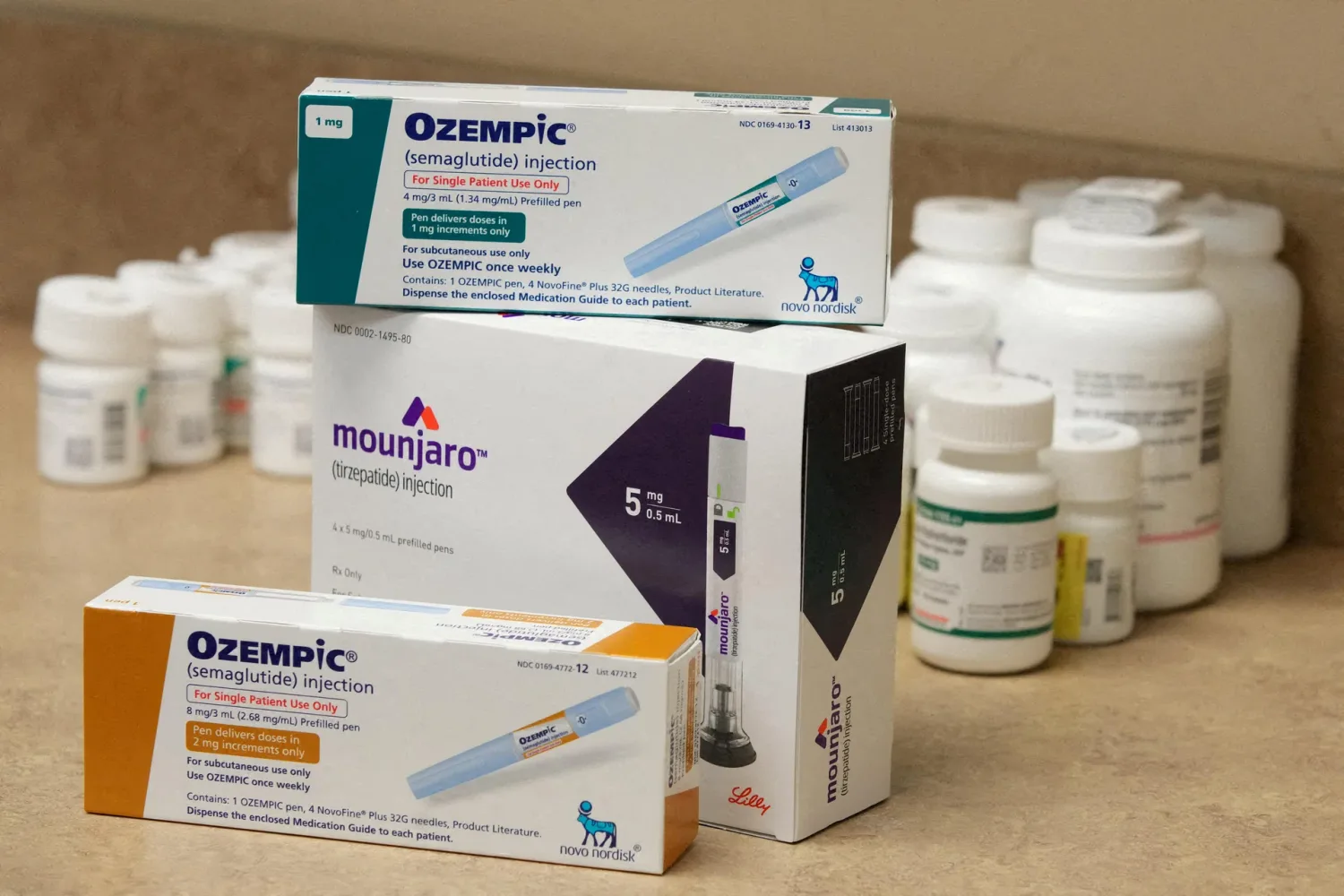
By contrast, GLP-1 medications such as Ozempic, Wegovy, Mounjaro, and Zepbound are already being used by millions of Americans for diabetes and weight management. If further research confirms their role in cancer prevention, they could offer a widely accessible option that is already being tolerated by a large population.
Limitations and the Path Forward
Despite the promising results, the study has notable limitations that must be acknowledged. The research did not distinguish between specific medications such as Ozempic, Wegovy, Mounjaro, or Zepbound. It also did not account for treatment duration, genetic risk factors, cancer stage, or tumor subtype. Additionally, the study relied on electronic health records, which may not capture every detail of a patient's medication adherence or lifestyle habits.
To address these gaps, McDonald and her colleagues are working to launch a multisite clinical trial. This prospective trial will examine whether GLP-1 medications can lower breast cancer incidence in women considered high risk, including some with a previous history of breast cancer. This step is crucial for moving from observation to confirmation.
Practical Takeaways for Patients
For patients currently using or considering GLP-1 medications, these findings offer a layer of cautious optimism. However, the decision to start or continue these medications should remain focused on their approved indications: managing weight and blood sugar levels.
Effective health management involves monitoring multiple variables. Platforms like Shotlee can help patients track their progress more comprehensively. By logging weight trends, dosage adherence, and symptom logs, users can provide their healthcare providers with a clearer picture of how their body is responding to therapy. This data is valuable not just for weight management, but for spotting any changes in overall health that might warrant further investigation.
Patients should always discuss these new findings with their doctors before making changes to their treatment plans. While the association is strong, the medical community is still waiting for the final word from large-scale clinical trials.
Conclusion
The potential link between GLP-1 medications and reduced breast cancer risk represents a significant step forward in preventative medicine. While we cannot yet say that taking Ozempic or similar drugs will prevent cancer, the data suggests it may be a beneficial side effect of their metabolic influence. As research continues, the hope is to see the same gains in prevention that we have seen in survival rates over recent decades.
Comparison of Current Prevention Methods
| Method | Target Group | Pros | Cons |
|---|---|---|---|
| Mammography / MRI | General Population | Early detection | Does not prevent cancer |
| Prophylactic Surgery | High Genetic Risk | High efficacy | Invasive, psychological impact |
| Tamoxifen | High Risk | Reduces incidence | Serious side effect concerns |
| GLP-1 Medications (Potential) | Overweight / Obese | Accessible, dual benefits | Observational data only so far |
Frequently Asked Questions
1. Does this mean GLP-1 drugs prevent breast cancer?
Not definitively. The study is observational, meaning it shows a strong association but does not prove that the drugs directly cause the reduction in risk. A cause-and-effect relationship must be confirmed through future randomized clinical trials.
2. Which specific medications were included in the study?
The study reviewed the broader class of GLP-1 medications. This includes semaglutide-based drugs like Ozempic and Wegovy, as well as tirzepatide medications such as Mounjaro and Zepbound, though the data did not distinguish between them individually.
3. Is the risk reduction due solely to weight loss?
While weight reduction is a major factor, researchers believe other mechanisms are involved. These include reduced chronic inflammation and metabolic changes that may affect gene activity related to cancer development.
4. Who is considered high risk for breast cancer in this context?
High-risk individuals typically include those with a family history of breast cancer, inherited genetic mutations like BRCA, or a history of previous breast cancer. The upcoming clinical trials aim to focus specifically on these groups.
5. How soon will we know if this is a proven prevention method?
Large prospective clinical trials are currently being planned to test this hypothesis directly. These trials will take several years to complete, as they need to track cancer incidence over time to establish a definitive link.