
The Rise of GLP-1 Medications and the Hidden Trap
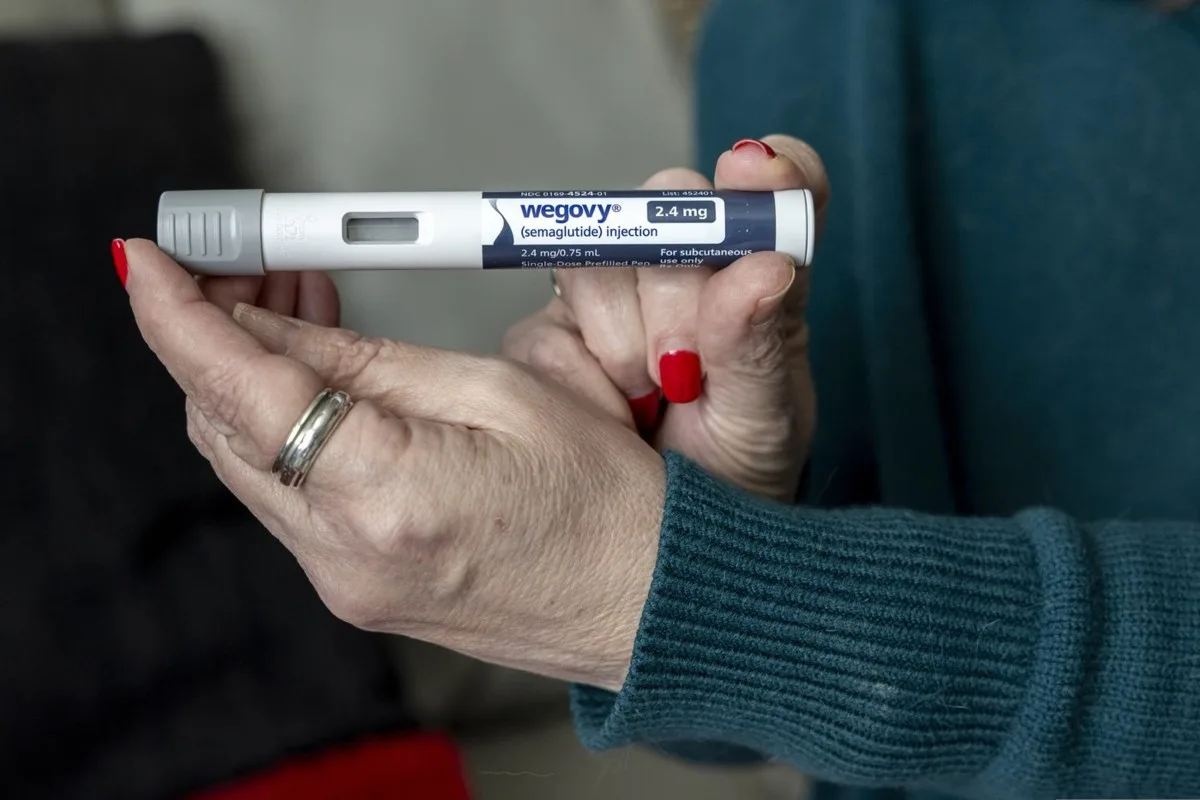
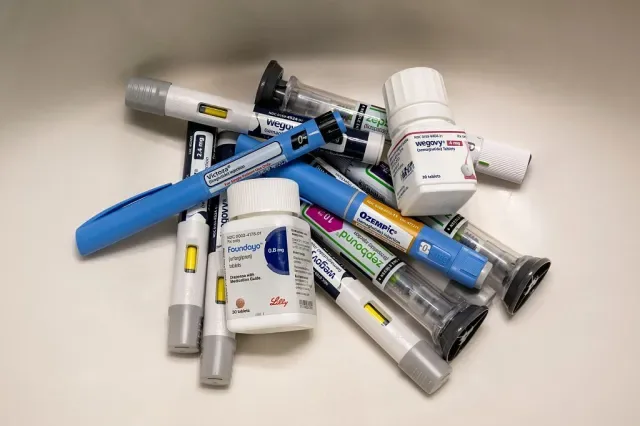
In recent years, the landscape of weight management has shifted dramatically with the widespread adoption of GLP-1 receptor agonists. Medications such as Ozempic, Wegovy, and Mounjaro (tirzepatide) have moved from niche treatments to mainstream solutions for obesity and metabolic health. Recent data indicates that nearly one in eight U.S. adults, approximately 12% of the population, has utilized these medications at some point in their lives.
While the efficacy of semaglutide and tirzepatide in facilitating significant weight reduction is well-documented, a growing concern among medical professionals is how patients approach the long-term implications of therapy. The accessibility of these drugs has increased, with many now able to order peptide therapy or injections online. However, convenience often comes at the cost of understanding the broader context of health.
Dr. Adam Staten, a UK-based physician, has highlighted a critical gap in patient education. He warns that while the injections are powerful tools, they are frequently misunderstood as "magic bullets." His advice centers on a single, profound question that must be answered before the first dose is administered.
The Golden Rule: Envisioning Your Future Lifestyle
According to Dr. Staten, the most significant predictor of success is not the dosage or the potency of the medication, but the patient's vision of their life after the treatment concludes. He urges individuals to ask themselves: "What lifestyle do you want to end up with?"
This question addresses the "aftermath" of weight loss. Many patients view the medication as a temporary fix to bridge a gap until they reach a target weight, only to find that once the drug is discontinued, the weight returns. This phenomenon is often referred to as weight regain or the "yo-yo" effect. Dr. Staten notes that injections often fail when people do not consider the longer-term view of their health journey.
At the start of therapy, patients should already have a clear idea of where they want to be at the end. Keeping the weight off after stopping GLP-1s is definitely doable, but it requires doing other things alongside the medication. The goal is to implement a lifestyle that doesn't feel like a chore to continue once the support of the drug is removed.
Why This Question Matters More Than You Think
Weight loss is rarely just about calories in versus calories out. It involves hormonal regulation, behavioral psychology, and metabolic adaptation. When patients focus solely on the medication, they may neglect the behavioral changes required to maintain a lower body weight. By asking about their desired lifestyle, patients are forced to confront the habits that led to weight gain in the first place.
For example, if a patient's desired lifestyle involves active family time, they need to identify activities that support that goal. If their goal is to avoid fatigue, they need to focus on sleep hygiene and nutrition quality. This shift in perspective transforms the medication from a crutch into a supportive tool that facilitates the adoption of healthier behaviors.
Debunking the "Magic Bullet" Misconception
One of the biggest misconceptions about GLP-1s for weight loss is the belief that they work independently of lifestyle changes. Dr. Staten admits that many health experts inadvertently make these drugs appear to be wonder cures, which can lead to unrealistic expectations.
Medications like semaglutide work primarily by mimicking the hormone GLP-1, which increases insulin secretion, slows gastric emptying, and reduces appetite. While this creates a physiological environment conducive to weight loss, it does not automatically instill discipline or nutritional knowledge.
Dr. Staten emphasizes that losing weight on weight loss jabs is made up of three things: diet, exercise, and the medication. If any one of these pillars is missing, the outcome is compromised. Relying solely on the injection without addressing diet and activity levels is akin to trying to drive a car with the handbrake on; the engine works, but the vehicle won't go where you want it to.
Sustainable Habits: Nutrition and Movement
To ensure the weight stays off, patients must focus on sustainability. This means moving away from restrictive, short-term diets and toward nutrient-dense eating patterns that can be maintained for a lifetime.
Focusing on Nutrition Quality
While counting calories is a common strategy, Dr. Staten suggests considering the quality of nutrition. Processed foods high in sugar and unhealthy fats can trigger hunger signals even when the body has adequate energy. A diet rich in protein, fiber, and healthy fats supports satiety and helps preserve lean muscle mass, which is crucial for maintaining metabolic rate during weight loss.
Precision tracking for your journey
Join thousands using Shotlee to accurately track GLP-1 medications and side effects.
📱 Get the Shotlee App
Track your GLP-1 medications, peptides, and health metrics on the go with our mobile app!
Moving Beyond the January Gym Rush
Exercise is another critical component. Dr. Staten points out a common pattern: in January, we see lots of people in the gym, but by February they've given up. They went in too intensively doing something they don't enjoy.
For weight loss to be sustainable, you need to find something that you want to keep doing. Building it into a lifestyle means it's not a chore for them to carry on doing it. This might mean walking, swimming, or strength training rather than high-intensity interval training that feels punishing. The key is consistency over intensity.
The Role of Health Tracking in Long-Term Success
Implementing these changes requires awareness and accountability. This is where tools like Shotlee can play a vital role in the patient journey. Shotlee offers a platform for health tracking that goes beyond simple weight monitoring.
When patients are using GLP-1 therapy, tracking symptoms, energy levels, and dietary intake becomes essential. Shotlee allows users to log their daily habits, monitor side effects, and visualize trends over time. This data helps patients and their healthcare providers identify patterns that might influence weight stability.
For instance, if a patient notices their energy drops when they skip protein, they can adjust their diet accordingly. If they see their mood fluctuates with certain activities, they can prioritize those that boost well-being. By integrating health tracking into the regimen, patients create a feedback loop that reinforces the lifestyle changes Dr. Staten advocates for.
Key Pillars of Sustainable Weight Management
To summarize the components necessary for maintaining weight loss after GLP-1 therapy, consider the following breakdown:
| Factor | Role in Weight Loss | Long-Term Importance |
|---|---|---|
| Medication | Appetite suppression and metabolic support | Temporary support tool |
| Nutrition | Caloric deficit and nutrient density | Foundation for maintenance |
| Exercise | Muscle preservation and metabolic health | Vital for energy and longevity |
| Mindset | Habit formation and psychological resilience | Crucial for sustainability |
Practical Takeaways for Patients
- Define Your End Goal: Before starting Ozempic, Wegovy, or Mounjaro, write down what your daily life looks like without the medication.
- Focus on Quality: Prioritize whole foods and protein intake over strict calorie counting.
- Find Joy in Movement: Choose physical activities that you enjoy to ensure you won't quit after a few weeks.
- Track Your Progress: Use apps like Shotlee to monitor symptoms, weight trends, and adherence to your new lifestyle.
- Plan for Maintenance: Discuss a tapering or maintenance plan with your doctor before stopping the medication.
Conclusion
The emergence of GLP-1 medications like semaglutide and tirzepatide represents a major advancement in treating obesity. However, they are not a standalone solution. Dr. Adam Staten's advice serves as a necessary reality check: the injections are just a tool. The true success of weight loss lies in the lifestyle choices made alongside the treatment.
By asking the critical question of what lifestyle you want to end up with, you shift the focus from short-term weight reduction to long-term health. Whether you are using peptide therapy or managing your weight naturally, the principles of nutrition, activity, and mindset remain the bedrock of sustainable well-being. With the right approach and tools like Shotlee to support your journey, keeping the weight off is a realistic and achievable goal.
Frequently Asked Questions
1. What is the primary question I should ask before starting GLP-1s?
Before starting medications like Ozempic or Wegovy, you should ask yourself: "What lifestyle do I want to end up with?" This ensures you are preparing for long-term maintenance rather than just short-term weight loss.
2. Can I stop taking GLP-1s without regaining the weight?
Yes, but it is challenging. Weight regain is common if lifestyle changes are not solidified. To prevent this, you must implement sustainable diet and exercise habits while on the medication so they become automatic once you stop.
3. Why is nutrition quality more important than calorie counting?
Nutrition quality ensures you receive essential nutrients and maintain satiety. High-quality foods like protein and fiber help regulate hunger hormones, making it easier to maintain a caloric deficit without feeling deprived.
4. What type of exercise is best for GLP-1 users?
Exercise that you enjoy and can sustain is best. Resistance training is particularly important to preserve muscle mass, which can be lost during rapid weight loss, but any consistent activity is beneficial.
5. How can health tracking apps help with GLP-1 therapy?
Apps like Shotlee help monitor side effects, weight trends, and daily habits. This data provides insight into how your body responds to the medication and helps you identify patterns that support or hinder your weight loss journey.