
A New Chapter in Obesity Management for Northern Ireland
In a significant move to address one of the region's most pressing public health challenges, Northern Ireland is set to roll out a new Regional Obesity Management Service (ROMS). Backed by a £5 million investment from the UK Government and pharmaceutical giant Eli Lilly, this initiative aims to bring weight loss medication to adults across the region. The program marks a pivotal shift in how obesity is treated, moving beyond lifestyle advice alone to include clinically appropriate pharmacological interventions.
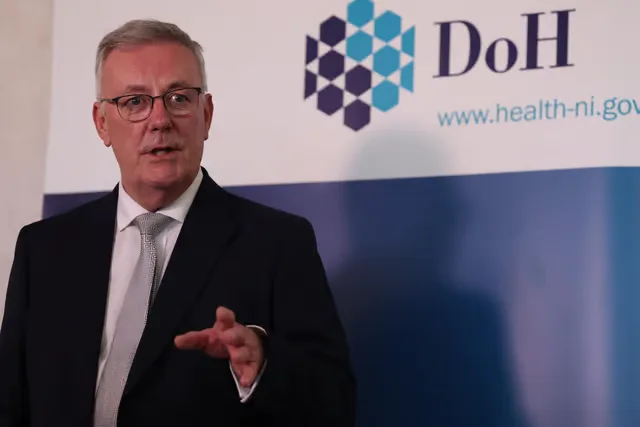
Health Minister Mike Nesbitt has hailed the announcement as a crucial step forward for the region. With obesity rates soaring, the new service is designed to reduce the risk of major health conditions, including heart disease, stroke, and type 2 diabetes. This comprehensive approach combines medication access with robust lifestyle support, ensuring patients have the best possible chance of long-term success.
The Scale of the Obesity Crisis
Before diving into the specifics of the new service, it is essential to understand the magnitude of the issue it seeks to solve. According to the Department of Health, obesity remains one of the biggest public health issues facing Northern Ireland today. The statistics are stark: approximately 65% of adults in the region are living with obesity or excess weight. This is not merely a cosmetic concern; it is a complex medical condition with profound implications for overall health.
Health Risks and Disparities
Living with obesity significantly increases the risk of developing serious comorbidities. These include cardiovascular disease, type 2 diabetes, certain cancers, and respiratory issues. Furthermore, the impact of obesity is not felt equally across all demographics. The data reveals a troubling disparity: obesity disproportionately affects individuals from disadvantaged communities, with a prevalence of 68% compared to 62% in the least disadvantaged areas.
By targeting these high-need groups and providing accessible treatment, the ROMS program aims to level the playing field. The service is designed to be inclusive, recognizing that socioeconomic factors often hinder access to specialized care. This focus on equity is a key component of the government's strategy to improve population health outcomes over the coming years.
Understanding the ROMS Program
The Regional Obesity Management Service (ROMS) is the centerpiece of this new initiative. Scheduled to roll out in early Autumn 2026, the program will focus on patients with the highest clinical need. This prioritization ensures that resources are directed where they can optimize health benefits most effectively.
Access and Eligibility
Access to weight loss medication under ROMS will be strictly aligned with National Institute for Health and Care Excellence (NICE) guidance. This ensures that treatment is safe, effective, and evidence-based. Patients will not only receive medication but also lifestyle support to ensure maximum effectiveness. This dual approach acknowledges that medication is a tool, not a cure-all, and must be paired with behavioral changes.
A notable feature of ROMS is the introduction of self-referral options. This means patients may bypass their General Practitioner (GP) to access support directly, reducing barriers to entry and wait times. Multiple routes into support will be available, including a range of social prescribing provisions, making the pathway to care more flexible and patient-centered.
The Role of Tirzepatide and Eli Lilly
A critical component of the ROMS funding and delivery is the involvement of Eli Lilly, the manufacturer of Mounjaro (tirzepatide). This partnership brings advanced pharmacological options into the public health framework. Mounjaro is a dual GIP and GLP-1 receptor agonist, representing a significant advancement over older weight loss medications.
How Mounjaro Works
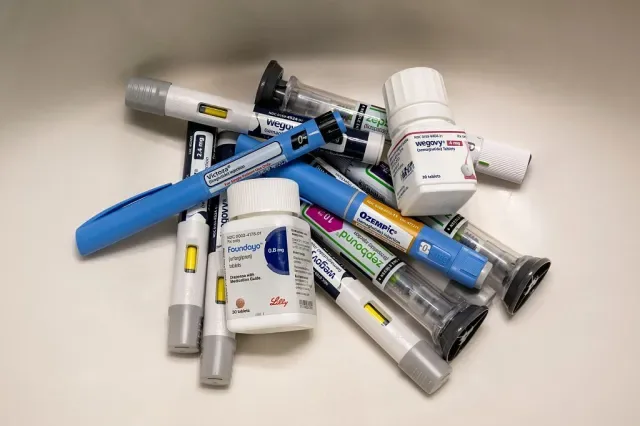
Unlike traditional appetite suppressants, tirzepatide works by mimicking hormones that regulate blood sugar and appetite. By activating both GIP and GLP-1 receptors, it helps the body manage glucose levels more effectively while reducing hunger signals. This mechanism often leads to more substantial weight loss compared to single-agonist therapies like semaglutide (found in Ozempic and Wegovy).
Comparison of Key Programs
To understand the landscape of this new health initiative, it is helpful to view the two main components working in tandem: ROMS and the Obesity Pathway Innovation Programme (OPIP). While ROMS focuses on medication access, OPIP focuses on the broader care pathway.
| Feature | ROMS | OPIP |
|---|---|---|
| Primary Focus | Access to Weight Loss Medication | Obesity Pathway Innovation |
| Funding Source | £5 Million (UK Gov + Eli Lilly) | £7 Million (UK Gov + Eli Lilly) |
| Start Date | Early Autumn 2026 | August 2024 |
| Delivery Partner | Department of Health | Public Health Agency & NI Health Collective |
| Key Access Route | Self-referral & GP | Community & Voluntary Sector |
This table highlights how the two programs complement each other. While OPIP begins implementation in August to build the infrastructure, ROMS will follow in Autumn 2026 to deliver the medication aspect. This phased approach ensures that the support systems are in place before patients begin pharmacological treatment.
Beyond Medication: Lifestyle and Long-Term Support
While the availability of Mounjaro is a major headline, the program emphasizes that medication is only one part of the equation. NICE guidance consistently stresses the importance of lifestyle support to maintain weight loss and prevent regain. The Obesity Pathway Innovation Programme (OPIP) plays a vital role here.
Precision tracking for your journey
Join thousands using Shotlee to accurately track GLP-1 medications and side effects.
📱 Get the Shotlee App
Track your GLP-1 medications, peptides, and health metrics on the go with our mobile app!
Social Prescribing and Community Support
OPIP will be delivered in partnership with the community and voluntary sector. This means patients may have access to nutritionists, exercise physiologists, and mental health support alongside their medical treatment. The inclusion of social prescribing allows healthcare providers to refer patients to non-medical services that address the root causes of weight issues, such as isolation, stress, or lack of cooking skills.
By integrating these services, the ROMS and OPIP programs aim to create a holistic care model. This is crucial because weight management is a chronic condition that requires ongoing management, much like diabetes or hypertension. The £2 million additional funding from the Department of Health further supports these multi-route pathways into care.
Tracking Progress with Digital Health Tools
For patients navigating these new pathways, the journey to better health is often a process of continuous monitoring. Whether a patient is accessing Mounjaro through ROMS or managing their weight through lifestyle changes, tracking progress is essential. This is where digital health tools like Shotlee can play a supportive role.
The Importance of Data
Weight loss is not a linear process. Fluctuations in weight, mood, and energy levels are common, especially when starting peptide therapy. Shotlee allows patients to log their symptoms, track their doses, and monitor their weight trends over time. This data can be invaluable during clinical reviews, helping healthcare providers adjust treatment plans based on real-world evidence rather than just patient recollection.
By maintaining a detailed log of their health journey, patients can identify patterns and triggers. This empowers them to take an active role in their care, ensuring they get the most out of the new services being rolled out across Northern Ireland.
Practical Takeaways for Patients
- Awareness is Key: Understand that obesity is a medical condition affecting 65% of adults in Northern Ireland, not a personal failing.
- Check Eligibility: Access to ROMS will be based on clinical need and NICE guidance, so consult with a healthcare professional to see if you qualify.
- Look Beyond the Pill: Medication like Mounjaro works best when combined with lifestyle support and social prescribing.
- Use Self-Referral: Take advantage of the new self-referral options to bypass traditional GP waiting times if eligible.
- Track Your Journey: Use tools like Shotlee to monitor symptoms and weight, providing better data for your medical team.
Conclusion
The launch of the Regional Obesity Management Service represents a major step forward in Northern Ireland's public health strategy. By combining the clinical efficacy of medications like Mounjaro with robust lifestyle support and community resources, the region is addressing the obesity crisis with a modern, comprehensive approach.
While the full rollout is expected in Autumn 2026, the groundwork laid by OPIP and the funding secured from Eli Lilly and the UK Government signal a commitment to improving health outcomes for all. For the many adults struggling with weight and its associated health risks, this service offers a glimmer of hope and a clear path toward better health.
Frequently Asked Questions
-
When will the ROMS service officially launch?
The ROMS service is expected to roll out in early Autumn 2026, following the implementation of the Obesity Pathway Innovation Programme (OPIP) which begins in August 2024.
-
How much funding has been allocated to this initiative?
The ROMS service is funded by £5 million from the UK Government and Eli Lilly. Additionally, the OPIP has secured a £7 million share of an £85 million envelope, plus £2 million from the Department of Health.
-
Can I access the service without seeing my GP?
Yes, ROMS includes self-referral options, allowing patients to bypass their GP to access support directly, depending on clinical appropriateness and NICE guidance.
-
Which weight loss drugs will be available through ROMS?
The program is supported by Eli Lilly, the maker of Mounjaro (tirzepatide). Medication access will be clinically appropriate and in line with NICE guidance, potentially including other GLP-1 therapies.
-
Why is this program focusing on disadvantaged communities?
Statistics show obesity disproportionately affects disadvantaged communities (68%) compared to the least disadvantaged (62%), so the program aims to reduce these health inequalities by improving access.