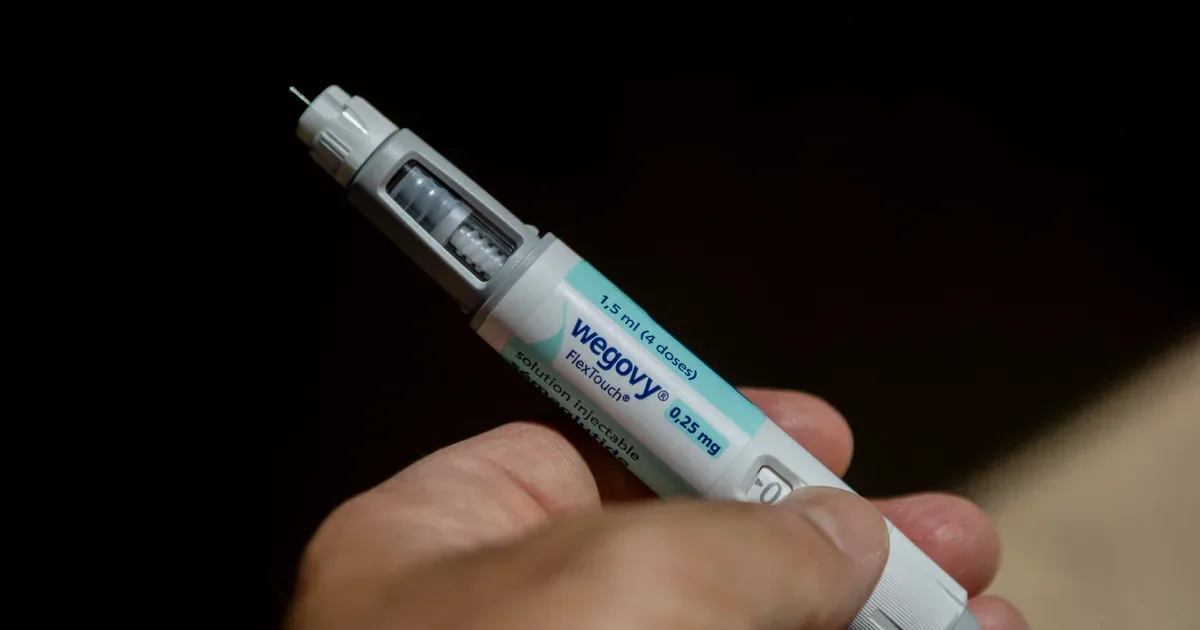

In a significant development for individuals managing their weight, Medicare is set to offer coverage for certain GLP-1 medications specifically for weight loss. Beginning July 1, a new pilot program, the **Medicare GLP-1 Bridge**, will allow eligible beneficiaries to access these popular drugs for a reduced monthly copay of $50. This marks a pivotal moment, as it's the first time Medicare will directly subsidize medications prescribed solely for obesity, moving beyond their established coverage for conditions like Type 2 diabetes and cardiovascular disease.
This initiative, spearheaded by the Centers for Medicare & Medicaid Services (CMS), aims to alleviate the substantial out-of-pocket costs many patients currently face, which can often exceed $350 per month. While drug manufacturers have recently made efforts to lower direct-to-consumer prices, the Bridge program represents a more structured approach to affordability.
Understanding the Medicare GLP-1 Bridge Program
The Medicare GLP-1 Bridge is a temporary, 18-month pilot program designed to bridge the gap in coverage for weight-loss medications. It will run from July 1, 2026, to December 31, 2027. According to Juliette Cubanski, vice president and director of Medicare policy at KFF Health News, this program leverages a specific section of existing law that allows the federal government to establish such temporary initiatives without altering the fundamental Medicare legislation.
The implications of this program are far-reaching. Historically, Medicare's coverage for GLP-1 agonists has been limited to beneficiaries using them for medically recognized conditions such as Type 2 diabetes or established cardiovascular disease. The Bridge program's focus on obesity as a primary indication for coverage is a notable shift. However, it's important to note that the long-term future of this coverage beyond December 2027 remains uncertain, pending potential extensions from CMS or legislative changes from Congress.
Eligibility Criteria: Who Qualifies?
Access to the Medicare GLP-1 Bridge program is not universal and is subject to specific eligibility requirements. To qualify, beneficiaries must:
- Be enrolled in Medicare Part D and have coverage through an eligible plan.
- Have a prescription for a GLP-1 medication specifically for weight loss.
- Undergo a prior authorization process, where their healthcare provider submits documentation to confirm eligibility.
Providers must demonstrate that their patients meet certain clinical criteria related to their Body Mass Index (BMI) and existing health conditions. These criteria include:
- A BMI of at least 35.
- A BMI of at least 30, coupled with a history of heart failure, uncontrolled hypertension, or chronic kidney disease.
- A BMI of at least 27, combined with prediabetes, a previous heart attack or stroke, or symptomatic peripheral artery disease.
It's crucial to understand that beneficiaries already prescribed a GLP-1 for conditions like Type 2 diabetes or sleep apnea under Medicare Part D may not be eligible for coverage through the Bridge program for weight loss purposes. Consulting with a healthcare provider is the essential first step for any beneficiary interested in exploring their eligibility.
The Prior Authorization Process
The prior authorization process is a critical gatekeeper for this program. It requires a healthcare provider to submit a formal request to Medicare, detailing the patient's medical history, BMI, and the rationale for prescribing the GLP-1 for weight management. This step ensures that the medication is being used appropriately and that the patient meets the defined clinical benchmarks. Once approved, it clears the way for the pharmacy to dispense the prescription under the program's terms.
Covered Medications and Cost Breakdown
The Medicare GLP-1 Bridge program will cover specific, FDA-approved GLP-1 medications indicated for weight loss. These include:
Precision tracking for your journey
Join thousands using Shotlee to accurately track GLP-1 medications and side effects.
📱 Get the Shotlee App
Track your GLP-1 medications, peptides, and health metrics on the go with our mobile app!
- Eli Lilly's medications:
- Mounjaro (tirzepatide) - available as a daily pill.
- Zepbound (tirzepatide) - available as a weekly injection (KwikPen).
- Novo Nordisk's medication:
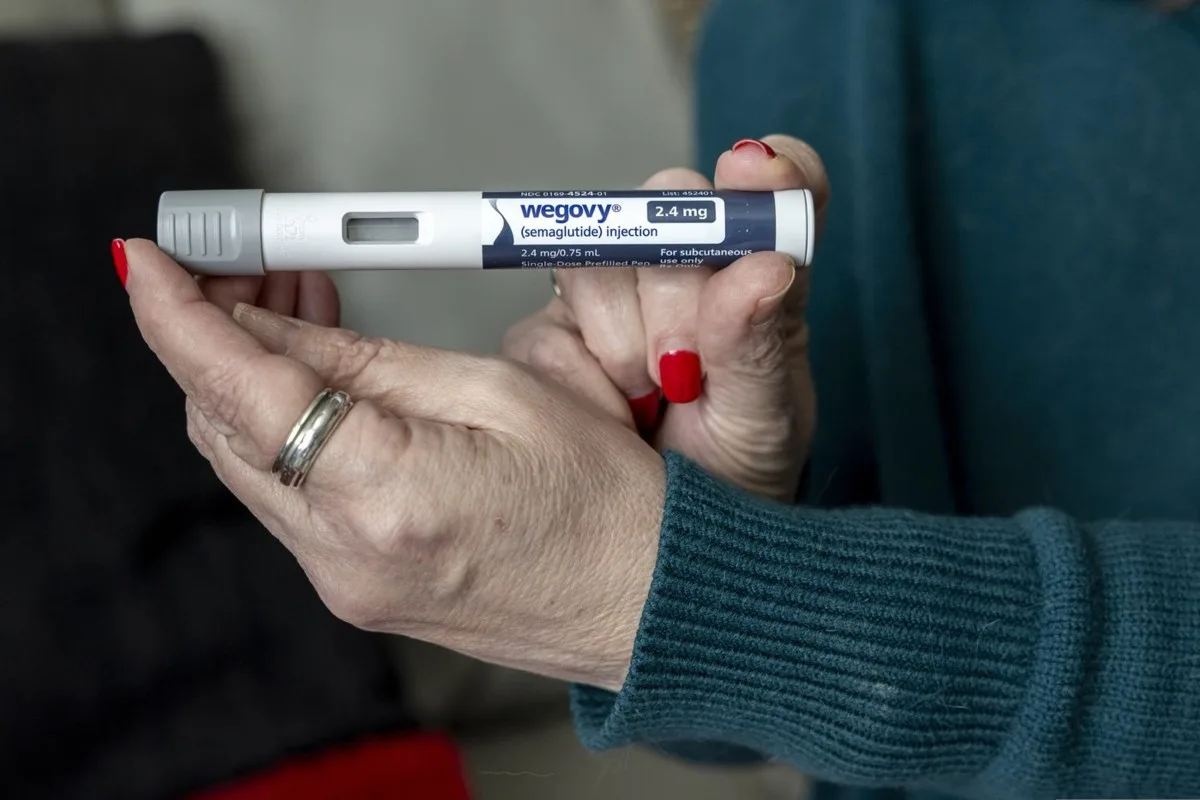
- Wegovy (semaglutide) - available in both injection and pill forms.
For eligible Medicare beneficiaries, the cost under the Bridge program is a straightforward $50 monthly copay. However, there are important nuances to this cost:
Understanding the Copay Nuances
While the $50 copay is a significant reduction from typical out-of-pocket expenses, it operates differently than standard Part D coverage:
- No Deductible Requirement: Beneficiaries do not need to meet their annual deductible to access the $50 copay. This means immediate access to the reduced cost.
- Does Not Count Towards Out-of-Pocket Cap: Crucially, this $50 copay does not contribute to the annual out-of-pocket maximum (currently $2,100 for Medicare Part D). This means that while the monthly cost is lower, it won't help beneficiaries reach their cap for other prescription drug expenses.
- No Discount or Coupon Application: Patients are prohibited from using manufacturer coupons or other discount programs to further reduce the $50 copay. The $50 is the fixed price, irrespective of other potential savings.
This structure provides immediate affordability but means that beneficiaries will still be responsible for their regular out-of-pocket costs for other medications until they reach their Part D cap.
The Broader Impact on Weight Management and Health Tracking
The introduction of the Medicare GLP-1 Bridge program is a landmark event in the ongoing effort to address the obesity epidemic. By making these effective medications more accessible, Medicare is acknowledging the critical role they can play in improving patient health outcomes, reducing the burden of obesity-related comorbidities, and potentially lowering long-term healthcare costs.
For individuals who have struggled with weight loss through traditional methods, these GLP-1 medications offer a powerful new avenue. However, successful weight management is a multifaceted journey. It often involves not just medication but also significant lifestyle changes, including dietary adjustments, increased physical activity, and continuous monitoring of progress. Tools like Shotlee can be invaluable in this process, allowing users to meticulously track their medication doses, monitor weight fluctuations, record dietary intake, and log physical activity. This comprehensive data can provide valuable insights for both the patient and their healthcare provider, facilitating more informed treatment adjustments and personalized care plans.
The ability to track symptoms, side effects, and overall well-being alongside medication adherence can empower patients to take a more active role in their health journey. This data-driven approach is becoming increasingly important in managing chronic conditions and optimizing treatment efficacy.
Looking Ahead: The Future of GLP-1 Coverage
The Medicare GLP-1 Bridge program is a significant step, but its temporary nature raises questions about long-term accessibility. The 18-month trial period is designed to gather data and assess the program's effectiveness and impact. What happens after December 2027 will depend on the findings of this pilot and potential policy decisions by CMS or Congress.
There's also the possibility that continued downward pressure on pricing from drug manufacturers, perhaps in response to the program's success or broader market trends, could lead to more sustainable out-of-pocket costs even if the Bridge program is not extended in its current form. For now, beneficiaries should focus on understanding their eligibility and leveraging this opportunity to improve their health.
Conclusion
The Medicare GLP-1 Bridge program represents a crucial expansion of access to vital weight-loss medications for eligible beneficiaries. Starting July 1, the $50 monthly copay for drugs like Wegovy and Zepbound offers a tangible solution to the high cost barrier. While the program is a temporary pilot, its existence signals a positive shift in how Medicare views and addresses obesity as a treatable medical condition. Patients are encouraged to consult their doctors to determine eligibility and to utilize resources for comprehensive health tracking to support their weight management journey.